How to Share Household Responsibilities to Prevent Burnout
5 August 2026
Let’s face it—running a household isn’t all sunshine and rainbows. It's more like an unpaid full-time job with no vacations, no sick days, and definitely no employee of the month mugs. Whether you’re a couple, roommates, or a family of five with a dog who constantly chews up your to-do lists, dividing household responsibilities fairly can feel like navigating some kind of domestic Olympics. And if we’re being honest, failing at this can lead to exhaustion, resentment, and the inevitable moment when someone snaps while folding a fitted sheet (seriously, those things are impossible).
But hey, it doesn’t have to get to that point! Sharing household responsibilities doesn’t have to feel like a battleground. It’s all about teamwork, communication, and maybe a little bribery—I mean, negotiation. So, how do you divvy things up without losing your sanity? Grab your coffee (or your third cup of it), and let’s break it down.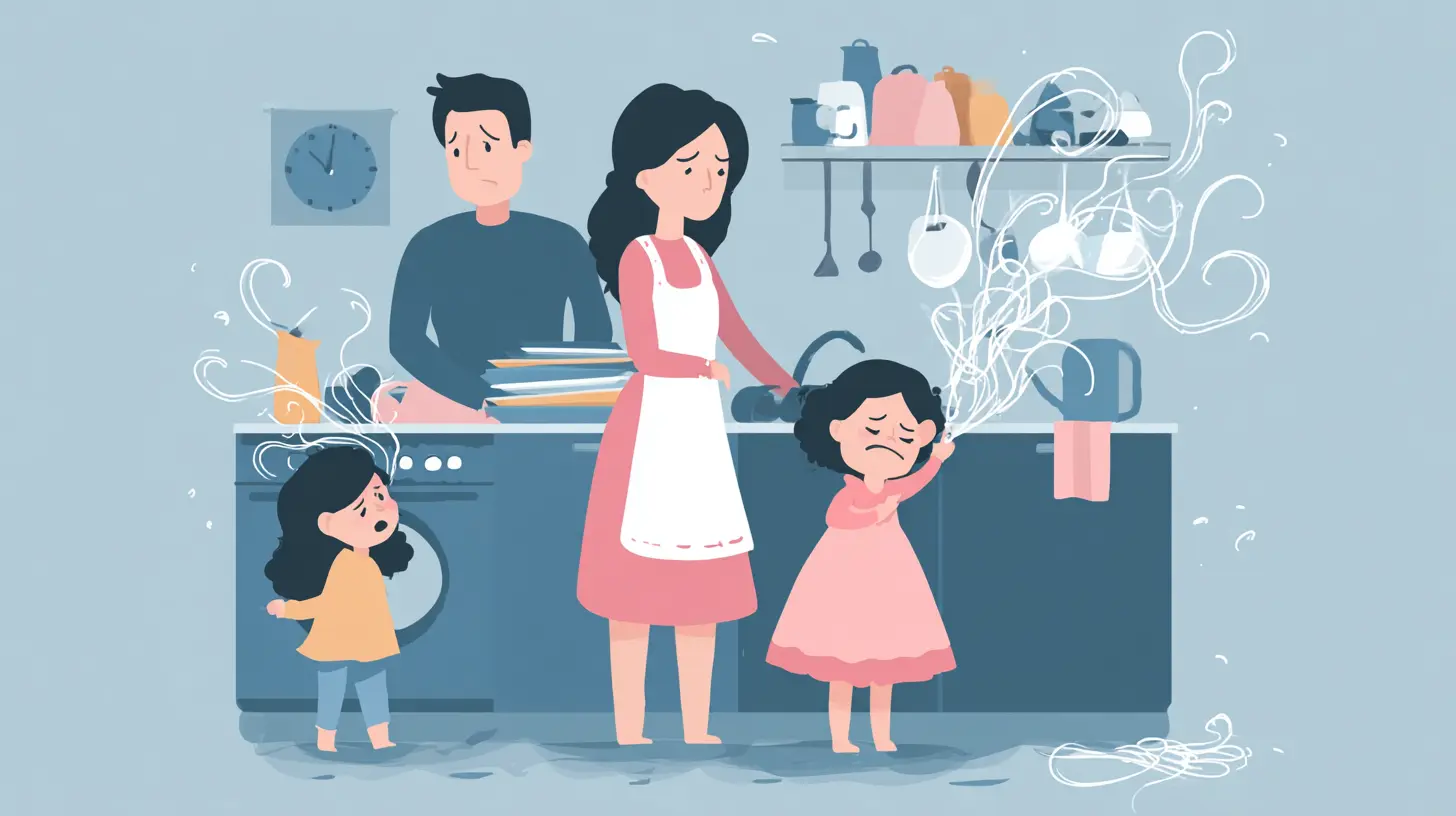
Why Sharing Household Responsibilities Matters
Before we dive into the how, let’s talk about the why. Sharing responsibilities isn’t just about making sure the laundry doesn’t develop sentience—it’s about preventing burnout. When one person is stuck doing the majority of the work, it’s a one-way ticket to Exhaustionville. And nobody wants to live there.Whether you’re parenting tiny humans, managing a household with your partner, or even cohabiting with friends, an uneven workload can create tension faster than you can say, "Who left the milk out again?"
Signs You or Your Partner Might Be Heading Toward Burnout
Think you’re handling it all fine on your own? Here are some telltale signs somebody in your household is waving the metaphorical white flag:- The Eye Twitch: You know, that little spasm when someone says, “What’s for dinner?”
- The Passive-Aggressive Clean-Up: Slamming dishes while muttering, “I guess I’m the only one who knows where the dishwasher lives.”
- The Overwhelming Desire to Run Away: Fantasizing about escaping to a remote island where there are no dishes or toilet paper shortages.
Sound familiar? It’s a sure sign it’s time to rethink your household dynamic.
Step 1: Accept That Nobody Is a Mind Reader
Raise your hand if you’ve ever silently resented someone for not noticing the trash was overflowing but never actually said anything. Yeah, me too. The thing is, as much as we’d like to believe our loved ones have psychic powers, they don’t. (If they did, they’d also know where you actually hid those Oreos.)The solution? Communication. Have an honest, straightforward conversation about the workload. No cryptic sighs or muttered comments allowed. Lay it all out on the table—literally, if you’re making a chore chart.
Step 2: Create a Fair Division of Labor (Without Starting a War)
This is where things can get... interesting. Dividing chores fairly doesn’t mean splitting everything 50/50—it means figuring out what works for your household. Here’s how you can tackle it like a pro:Play to Your Strengths
Does one person love cooking, while the other could burn water? Great! Let the chef handle meal prep, and the other person take on grocery shopping or dish duty. Dividing responsibilities based on what you’re good at (or at least don’t hate with a fiery passion) makes it less of a chore and more of a partnership.Be Realistic About Time
If one person works longer hours or has a more demanding schedule, it doesn’t make sense for them to be scrubbing toilets at 11 p.m. Balance workloads based on availability, not just a rigid rule of equality.Rotate the Gross Stuff
Nobody wants to clean the bathroom or take out the trash, but hey, it’s gotta get done. Take turns with the less-fun chores so nobody gets stuck as the designated Drainer of the Hair-Clogged Shower.Step 3: Make It Fun (Or At Least Less Miserable)
Okay, hear me out. Chores aren’t fun, but that doesn’t mean they have to be pure misery. Try these hacks to lighten the load:- Turn Up the Tunes: Create a cleaning playlist with your favorite bangers. There’s something oddly satisfying about vacuuming to a Beyoncé anthem.
- Make It a Game: Set a timer and see how much you can clean in 20 minutes. Winner gets to pick the next Netflix binge.
- Bribe Yourself: Promise yourself a reward (ice cream, wine, chocolate—you name it) once the chores are done.
Step 4: Involve the Kids (If You Have Them)
If you’ve got little ones running around, congratulations! You have built-in assistants—er, I mean, adorable children who can help. No, seriously. Kids as young as toddlers can start taking on age-appropriate responsibilities. Think of it as training them for adulthood. Future-you will thank you.Age-Appropriate Tasks for Kids
- Toddlers: Put toys away, wipe up spills (bonus: they think this is fun!).- School-Age Kids: Take out trash, feed the pets, set the table.
- Teens: Do laundry, mow the lawn, and reluctantly clean their rooms after 47 reminders.
Sure, it might take some coaxing (and possibly some creative bargaining), but getting everyone involved makes life easier for everyone.
Step 5: Schedule Regular Check-Ins
Life happens. Schedules change. What worked last month might not work now. That’s why it’s important to touch base regularly. Set aside time—maybe once a month—to revisit the division of responsibilities. Ask questions like:- “Is this still working for you?”
- “Is there anything we could adjust?”
- “Can we all agree the laundry fairy isn’t coming, ever?”
These conversations keep things fair and prevent simmering resentment from bubbling over.
Step 6: Let Go of Perfectionism
I get it. You have a certain way of folding towels, and if someone else does it, they look like crumpled origami. But sometimes, you have to let it go. Sharing responsibilities means accepting that tasks might not always be done your way. And that’s okay! Done is better than perfect. Repeat that to yourself until it feels true.The Benefits of Sharing Responsibilities
When you divvy up the duties, everyone wins. You’re less stressed, there’s more time for the fun stuff, and your relationship (or roommate dynamic) gets a serious boost. Plus, nobody has to feel like they’re carrying the weight of the world—or the laundry basket—alone. And that’s worth its weight in gold... or clean dishes.A Final Word of Wisdom (And a Dash of Humor)
Sharing household responsibilities isn’t always easy, but it’s worth it. Think of it like assembling IKEA furniture—it might involve some frustration and a few missing screws, but in the end, you’ll have something functional. Just remember, you’re in this together. And if all else fails, there’s always takeout.all images in this post were generated using AI tools
Category:
Parental BurnoutAuthor:

Max Shaffer
Discussion
rate this article
1 comments
Astra McInnes
Love this! Sharing the load really makes parenting so much easier and more fun.
August 8, 2026 at 4:39 PM