Can Siblings Really Be Best Friends?
12 October 2026
The short answer is yes, but not automatically, and not always in the way parents imagine. Siblings can become genuine friends, the kind who choose each other as adults, confide in each other during hard times, and look forward to spending time together. But this outcome is not guaranteed by shared DNA or a shared bedroom. It is built through years of small interactions, repaired conflicts, and deliberate family choices. Parents who understand the mechanics behind sibling friendship can support it without forcing it. Parents who assume closeness happens on its own often end up confused when their adult children barely speak.
This article examines what sibling friendship actually looks like, what gets in the way, and what parents can realistically do to encourage it.
What Sibling Friendship Actually Means
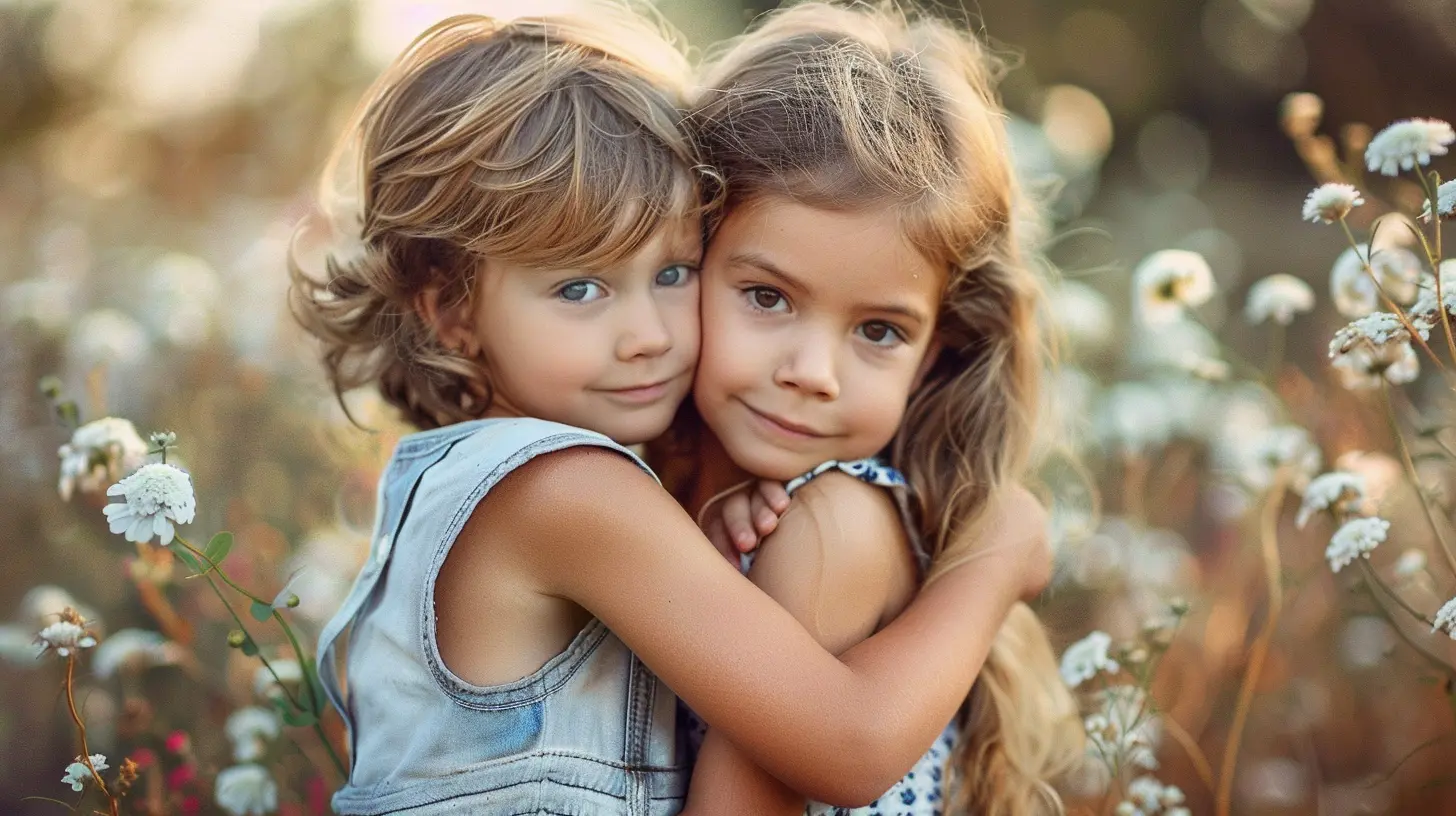
When people say they want their kids to be "best friends," they often picture something specific: children who play together happily, teenagers who confide in each other, adults who call each other weekly. That picture is appealing, but it conflates several different things.Sibling friendship has layers:
- Companionship. Enjoying each other's company, playing together, sharing jokes and interests.
- Trust. Knowing the other person will keep confidences and won't use weaknesses against them.
- Support. Showing up during illness, breakups, job losses, and grief.
- Choice. Continuing the relationship into adulthood because they want to, not because family gatherings require it.
A pair of siblings can have companionship without deep trust. They can have trust without much daily companionship. They can have all of these in childhood and lose them in adulthood, or the reverse. Friendship between siblings is not a single state. It is a set of qualities that rise and fall over time.
This matters because parents often judge success by the wrong measure. A household where two kids bicker constantly but defend each other fiercely at school may be healthier than a household where two kids never fight but also never really talk.
The Biology and Psychology Behind Sibling Bonds
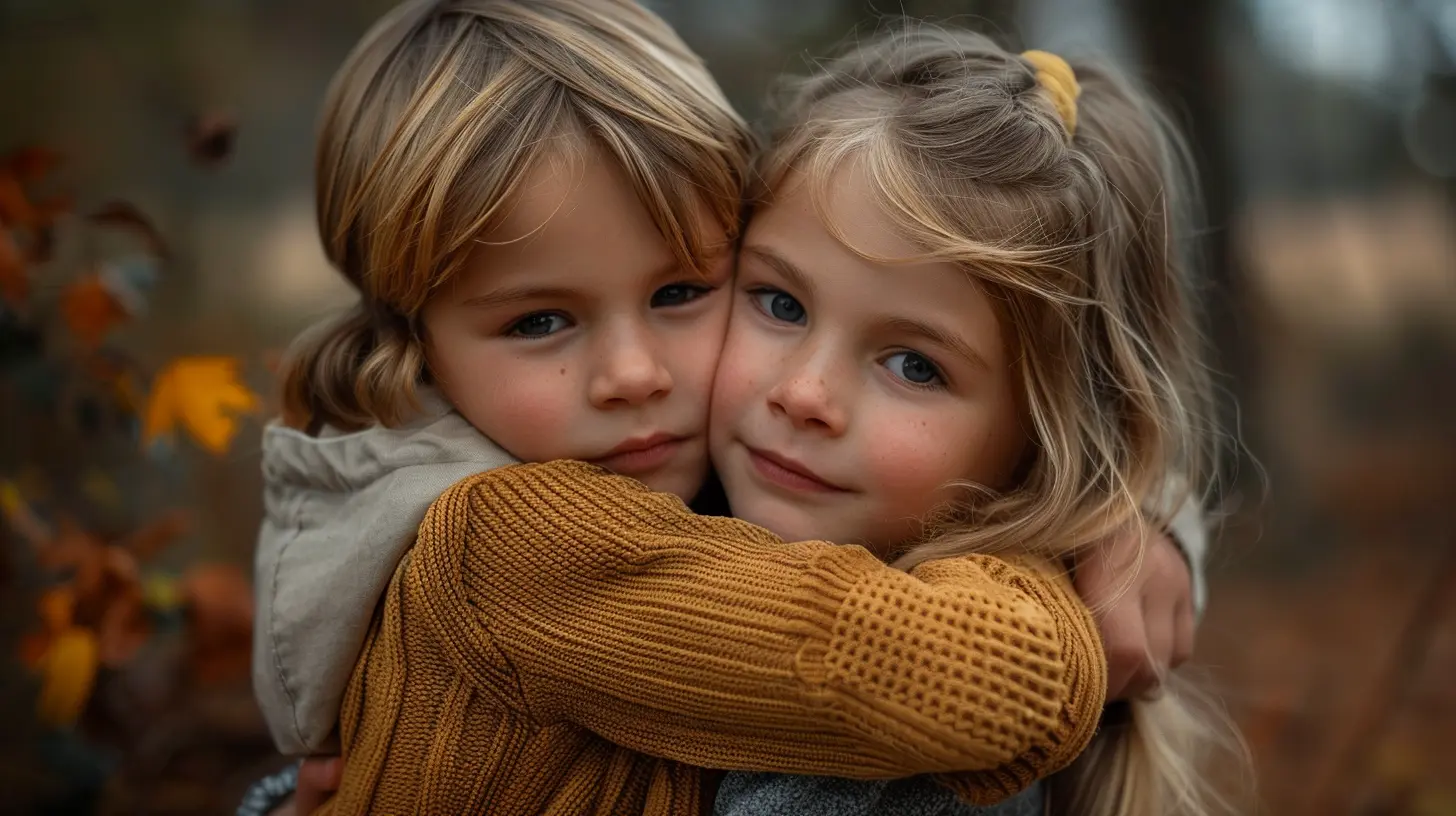
Siblings share more than parents realize. They share genes, a home, routines, and often the same major life events. That shared context creates a foundation for closeness that friends rarely have.But sharing a context also creates friction. Siblings compete for the same limited resources: parental attention, space, money, and status within the family. Psychologists have long observed that sibling relationships combine two opposing forces. There is a pull toward cooperation, because siblings often need each other for play, protection, and alliance. There is also a pull toward rivalry, because they are competing for the same scarce goods.
Neither force is abnormal. The presence of conflict does not mean the relationship is failing. The presence of cooperation does not mean conflict has been resolved. A healthy sibling relationship usually involves both, with the balance shifting over time.
What parents often miss is that the competitive drive is not a character flaw. It is a normal response to a real situation. A child who feels less favored is not being dramatic. They are reacting to something they perceive as true, whether or not the parent agrees.
Why Some Siblings Become Close and Others Don't
There is no single formula, but several factors consistently show up in sibling relationships that last.Age spacing
Siblings close in age often share friends, activities, and developmental stages. That can create intense companionship, but it can also create intense competition. Siblings spaced further apart may have less rivalry because they are not competing for the same things at the same time. However, they may also have less in common during childhood. Many siblings who were distant as kids become close as adults, once the age gap matters less.Temperament
A child who is highly sensitive paired with a child who is highly impulsive can be a difficult combination, especially in the early years. The same pairing can become a strength in adulthood, when the sensitive sibling offers depth and the impulsive one offers energy. Temperament is not destiny, but it shapes how much effort the relationship requires.Gender and identity
Research on sibling relationships suggests that same-gender siblings often share more activities in childhood, while mixed-gender siblings sometimes grow closer in adulthood. This is a general pattern, not a rule. What matters more than gender is whether siblings feel seen and respected by each other.Family culture
Families that treat sibling relationships as important, that expect siblings to support each other, and that model repair after conflict tend to produce closer siblings. Families that ignore conflict, play favorites, or pit children against each other tend to produce distance.Individual choice
By adolescence and adulthood, siblings make their own choices. Two people raised in the same home can decide very differently about how much they want to invest in the relationship. Parents can influence this, but they cannot control it. Accepting that is hard, and necessary.
What Parents Get Wrong
Many well-intentioned parenting strategies backfire. Here are the most common mistakes.Forcing closeness
Telling kids they must love each other, or punishing them for not playing together, creates resentment. Forced affection is not affection. It is compliance. Children who are pressured to feel something they don't feel often develop distance instead of closeness.Treating all conflict as bad
Some parents intervene in every argument, which prevents kids from learning how to resolve disputes themselves. Other parents ignore all conflict, which leaves kids feeling unprotected. The middle path is to let small conflicts play out, step in when someone is being hurt or when the pattern is destructive, and teach repair rather than just punishment.Playing favorites, even subtly
Most parents deny having a favorite. Many children believe otherwise. The perception matters more than the reality. A child who believes they are less favored will carry that into the sibling relationship. Parents should audit their behavior honestly: who gets more attention, who gets more praise, who gets more leeway. Small imbalances add up.Comparing children
Comparisons, even positive ones, create hierarchy. "Why can't you be more like your sister?" is obvious. But so is "You're the responsible one," said repeatedly. Labels stick. They shape how siblings see each other and themselves.Using one child as a caretaker for another
Older siblings are sometimes asked to supervise, tutor, or emotionally support younger ones. In small doses, this builds competence. In large doses, it builds resentment and blurs the line between sibling and parent. The older child may feel used. The younger child may feel managed. Both may struggle to relate as equals later.What Actually Helps
The strategies that support sibling friendship are less dramatic than parents expect. They are mostly about creating conditions rather than forcing outcomes.Protect one-on-one time
Each child needs time with each parent that is not shared. This reduces competition for attention at its source. It also gives children a chance to be seen as individuals rather than as part of a sibling unit.Let them solve their own problems, within limits
When kids argue over a toy, give them a chance to work it out. If they can't, help them name the problem and suggest options rather than issuing a verdict. Over time, this builds the skills they will need to manage conflict as adults.Teach repair, not just apology
A forced "sorry" teaches nothing. What matters is what happens after. Teaching kids to acknowledge what happened, check on the other person, and make a plan for next time builds real trust. This applies to parents too. When you lose your temper with your kids, repair it out loud. They learn by watching.Create shared positive experiences
Siblings who have fun together build a bank of good memories. Family traditions, trips, games, and projects give them something to return to. This does not require expensive vacations. A weekly board game, a shared hobby, or a cooking project can do the same work.Respect differences
Not every sibling pair will share interests. A child who loves sports and a child who loves reading may not bond over activities, but they can bond over respect. Parents who honor each child's interests without ranking them make it easier for siblings to do the same.Address bullying and cruelty directly
Sibling conflict is normal. Sibling cruelty is not. When one child consistently targets another with insults, exclusion, or physical aggression, that is not a phase. It is a pattern that damages trust and can last for decades. Parents should intervene clearly, set consequences, and get professional help if the pattern continues.
When Siblings Are Not Close, and That's Okay
Some siblings simply do not become friends. They may be cordial, they may love each other, and they may still not choose each other's company. This is not automatically a failure.Siblings are not required to be best friends. They are required, in most families, to be family. That can mean showing up for weddings and holidays, helping in emergencies, and maintaining basic respect. It does not require weekly phone calls or shared vacations.
Parents who accept this reality often have better relationships with their adult children than parents who pressure them to be closer. The pressure creates guilt and avoidance. Acceptance creates room for whatever closeness is possible.
Sibling Friendship in Adulthood
The relationship between siblings often changes dramatically after childhood. Once they no longer live together, the daily friction disappears. What remains is whatever foundation was built earlier.Adults who become close with their siblings often report that the shift happened when they stopped seeing each other as competitors and started seeing each other as people. This can happen after a shared loss, a major life change, or simply with time.
Adult sibling friendship has its own challenges. Partners, children, careers, and geography all compete for time. Siblings who want to stay close often need to be intentional. Scheduled calls, shared traditions, and regular visits matter more than spontaneous closeness.
There is also the matter of old patterns. Two adults who were rivals as children may fall back into those roles during family gatherings. Recognizing the pattern and naming it, without blame, is often the first step to changing it.
A Realistic Framework for Parents
If you want to give your children the best chance at a genuine friendship, focus on these principles:1. Treat each child as an individual. Know their interests, fears, and strengths. Don't lump them together.
2. Protect the relationship from your own stress. Don't use one child as a confidant about the other. Don't triangulate.
3. Model repair. Show them what it looks like to apologize, listen, and change behavior.
4. Allow conflict, but not cruelty. Distinguish between normal friction and harm.
5. Build shared memories. Give them something to look back on together.
6. Let go of the outcome. You can create conditions. You cannot create feelings.
Common Questions Parents Ask
Will my kids hate each other if they fight a lot now?Not necessarily. Many siblings who fought constantly as children become close as adults. What matters is whether the fighting is fair, whether repair happens, and whether there is also warmth.
Should I force them to spend time together?
Forced time can create resentment. Structured family time, like meals or traditions, is different from forced one-on-one bonding. The former builds shared context. The latter often backfires.
What if one child is clearly the aggressor?
Intervene. Protect the targeted child. Get help if needed. Do not frame it as "they just need to work it out" when one child is routinely hurt.
Can siblings become close after a difficult childhood?
Yes. Many do. It usually requires both people to want it, to be willing to talk about the past, and to build new patterns. Sometimes a therapist helps.
Is it normal for adult siblings to drift apart?
Very normal. Life gets busy. Drift is not the same as estrangement. Some siblings reconnect later. Some don't. Both outcomes are common.
Final Thoughts
Siblings can absolutely be best friends. Many are. But the path there is not through pressure, comparison, or forced affection. It runs through respect, shared experience, fair treatment, and the slow accumulation of trust.Parents have more influence than they often realize, and less control than they often want. The goal is not to manufacture a friendship. It is to remove the obstacles that make friendship harder and to build the conditions where it can grow. If it grows, wonderful. If it doesn't, the siblings can still be family. That is worth something too.
all images in this post were generated using AI tools
Category:
Sibling RelationshipsAuthor:

Max Shaffer