Building Deeper Connections with Your Child Through Active Listening
30 July 2026
As parents, we all want our children to feel heard, understood, and loved. We crave that strong, unshakeable bond that makes our kids trust us, talk to us, and turn to us when life gets messy. But here’s the thing—connection doesn’t just appear out of thin air. It’s built, moment by moment, conversation by conversation. And one of the most powerful tools for building that deeper connection?
It’s not just about spending more time with your child. It’s about how you spend that time. And active listening is where the magic happens.

What Is Active Listening Anyway?
You’ve probably heard the term tossed around a lot, especially in self-help books or parenting workshops. But let’s break it down in a simple, no-fluff way.Active listening means you're fully tuned in—not just hearing the words your child says, but truly understanding the feelings and ideas behind them. It’s more than nodding while scrolling through your phone or answering with a distracted “uh-huh.” It’s about being present, both mentally and emotionally.
Picture it like this: You’re not just a pair of ears; you're a safe space.

Why Active Listening Matters More Than You Think
Kids are smart. Really smart. They can tell when you're half-listening, and they pick up on the smallest cues—your tone of voice, your eye contact (or lack of it), your body language. When they feel truly heard, it does wonders:- Builds trust
- Boosts their self-esteem
- Encourages open communication
- Supports emotional development
- Strengthens the parent-child relationship
When children know they can talk to you without being judged, interrupted, or ignored, they’re more likely to come to you when it really counts—like when they’re facing peer pressure, struggling with mental health, or navigating tough life decisions.
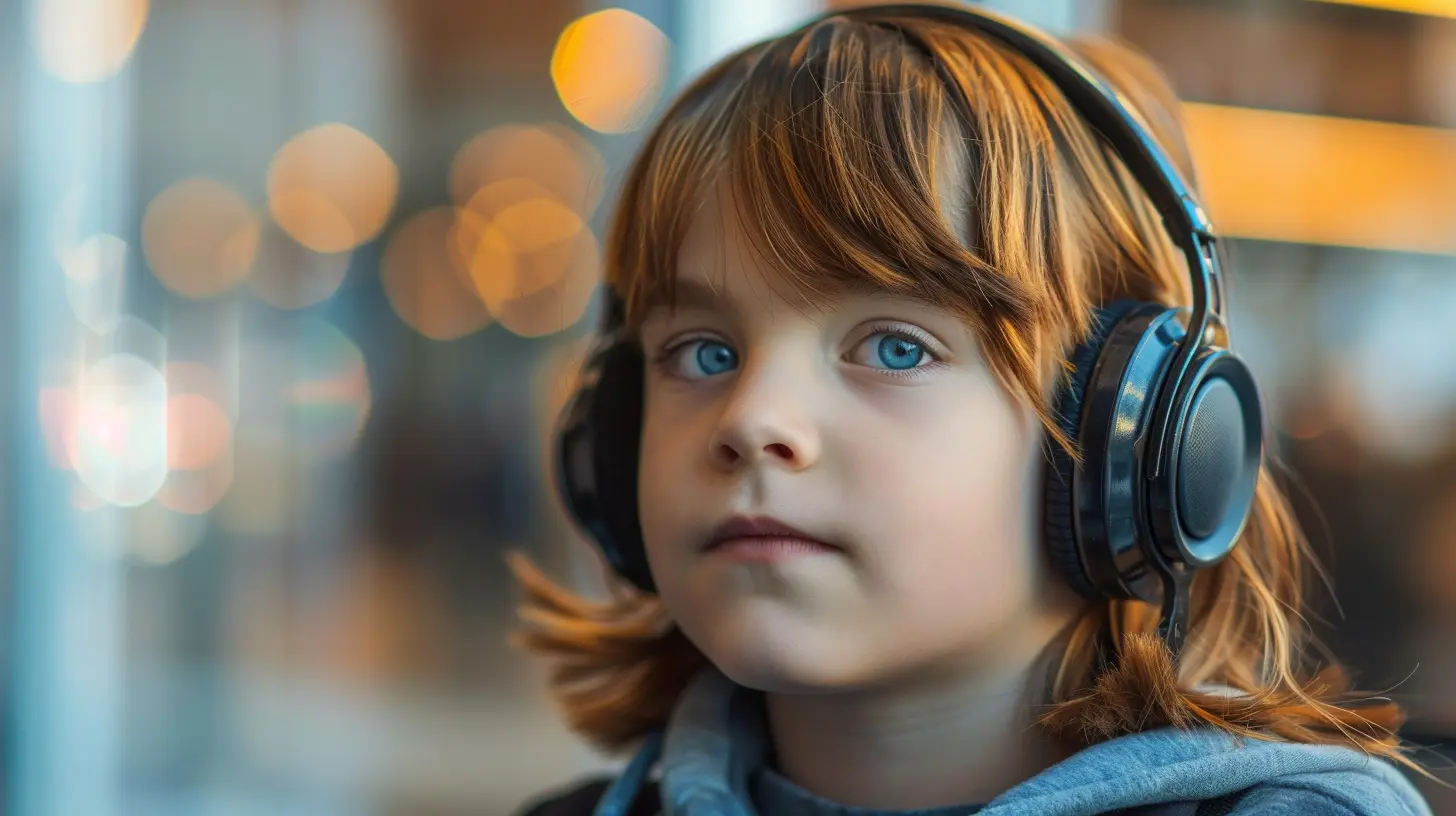
The Difference Between Hearing and Listening
Let’s get this straight: hearing is passive. You hear your child say something while you're making dinner or working on your laptop. But listening? That’s an action.Listening means stopping what you’re doing, looking at them, and making it clear that their words matter. It tells them “Hey, you’re important," without needing to say a word.
You wouldn’t talk to your best friend while checking your email, so why would we do that to our kids?

The Core Components of Active Listening
To truly master active listening, you need to engage more than just your ears. Here are the main pieces that make it work:1. Undivided Attention
This means putting down your phone, turning off the TV, and making eye contact. Your child needs to feel like they have your full attention.Even if it’s a five-minute conversation about a LEGO creation or what happened at recess, being completely there in that moment builds emotional currency.
2. Reflective Responses
When your child talks, respond by paraphrasing or summarizing what they said. This shows you’re tracking and care about understanding them.For example:
> Child: “I was so mad at lunch because Tommy wouldn’t share the markers.”
> You: “Sounds like you felt really upset when Tommy didn’t share. That must’ve been frustrating.”
You’re not solving the problem (yet), you’re validating their feelings.
3. Keep Judgement Out of It
Resist the urge to lecture or immediately correct. When you jump into 'teacher mode,' your child might shut down.Let them vent. Let them feel. There’s time for guidance later—but connection comes first.
4. Use Open-Ended Questions
Instead of asking yes/no questions, try to get your child talking freely.Try:
- “What was the best part of your day?”
- “How did that make you feel?”
- "What do you think you’ll do next time?"
These questions invite storytelling, not shutdowns.
Real-Life Scenarios: Active Listening in Action
Let’s say your 10-year-old comes home from school looking frustrated.You could say:
"What’s wrong now?" – which might make them retreat.
Or you could try this:
“You seem a little upset. Want to talk about it?”
And then—just offer silence. Let them fill the space. It might take a beat, but when they do open up, be ready to listen without jumping in to fix everything.
Here’s another one. Your teen rolls their eyes when you ask about homework. Instead of snapping back with “You’ll never get anywhere with that attitude,” go with:
“Sounds like something about school is stressing you out. Want to share?”
That’s your in. And it lets them know you're trying to understand, not attack.
The Barriers: What Gets in the Way of Active Listening?
We’re all human, and there are bound to be roadblocks. Here are a few things that might be sabotaging your efforts without you even noticing:- Multitasking – Trying to listen while doing housework or scrolling Instagram is a no-go.
- Listening to respond – This means you’re already forming your reply while your child is still talking.
- Jumping into “fix-it” mode – Sometimes kids just want to be heard. They’re not always asking for answers.
- Minimizing feelings – If your child says, “I hate my life!” and you respond with “Oh, don’t be dramatic,” that tells them their feelings aren’t valid.
- Assumptions – Thinking you already know what they’re about to say can stop real communication in its tracks.
Recognizing and removing these barriers is the first step toward better conversations.
Tips to Improve Your Active Listening Game
Alright, so you're in. You're ready to build stronger connections by being a better listener. Here's how to level up:1. Set Aside "Talk Time"
Create space in your day specifically to connect. Bedtime, after dinner, car rides—these moments are golden.2. Mirror Emotions, Not Just Words
Use phrases like:- “That sounds really frustrating.”
- “I can see why you’d feel that way.”
It shows empathy, not just understanding.
3. Pause Before You Speak
Give your child time to express themselves before jumping in with advice or opinions. A little silence can be powerful.4. Validate Their Experience
You don’t have to agree with what they did, but you can still validate how they felt.Example:
> “You were angry, and that’s okay. It’s what you do with that anger that matters.”
5. Practice Makes Progress
You won’t get it perfect every time. That’s okay. Make space for mistakes—yours and theirs.
Why Connection Beats Correction
Repeat after me: connection before correction.When your child feels connected to you, they're more open to guidance. But if they feel misunderstood, dismissed, or judged, they’ll likely rebel, withdraw, or lie.
Think of it like a bank account. Every time you actively listen, you make a deposit into your relationship. Then, when you need to correct behavior or offer advice, you’ve built up enough emotional equity for it to be well-received.
Modeling Good Listening Skills
Here’s something powerful—our kids learn how to listen by watching us.So if you want them to listen better, show them how it's done. When they see you listening with full attention, empathy, and an open heart, they learn to treat others the same way.
Even during conflict, when voices rise (because yep, it happens), circling back and saying, “I wasn’t listening properly earlier—I’m here now,” teaches them grace, humility, and connection.
The Ripple Effect of Active Listening
Active listening isn’t just a parenting technique—it’s a life skill. When your kids feel heard at home, they:- Become better communicators
- Build healthier relationships
- Develop emotional intelligence
- Handle disagreements more maturely
It’s a ripple effect that starts with you.
They’ll take these skills into their friendships, classrooms, and eventually their own families.
Final Thoughts
Active listening can feel like a small change, but it holds massive power. It turns frustrating conversations into meaningful ones. It transforms everyday moments into bonding opportunities. And it helps your child feel seen, heard, and loved for exactly who they are.So next time your child wants to talk, even if it’s about Minecraft or mess on the playground—pause, listen, and lean in.
Because in those little moments, big things happen.
all images in this post were generated using AI tools
Category:
Mindful ParentingAuthor:

Max Shaffer
Discussion
rate this article
1 comments
Phaedra Kim
Active listening is a powerful tool. It shows your child they matter and strengthens your bond every day.
August 2, 2026 at 3:07 AM
Max Shaffer
Absolutely. Active listening truly deepens our connections and shows our kids they are valued.