Building a Sustainable Parenting Plan for 2027
8 September 2026
Parenting plans usually get written when families break apart, but the truth is every household needs one. The idea of a "sustainable" parenting plan goes beyond custody schedules and holiday rotations. It means building a family operating system that can survive real life: job changes, school closures, aging grandparents, teenage rebellion, and your own shifting energy levels. As we look toward 2027, the typical family looks nothing like it did a decade ago. Remote work is permanent for many, hybrid schooling is more common, and children are navigating a digital world that parents barely understand. A sustainable parenting plan for 2027 has to account for all of that, plus the basics of sleep, meals, and emotional connection.
Most parents do not think they need a formal plan until something breaks. A parent gets a promotion that requires travel, a child develops anxiety about school, or a second child arrives and the old routine collapses. That is when the absence of a plan becomes painfully obvious. A sustainable plan is not a rigid contract. It is a living document that you revisit, revise, and actually use. It should reduce decision fatigue, not add another layer of administration to your life.
Why Traditional Parenting Plans Fall Short
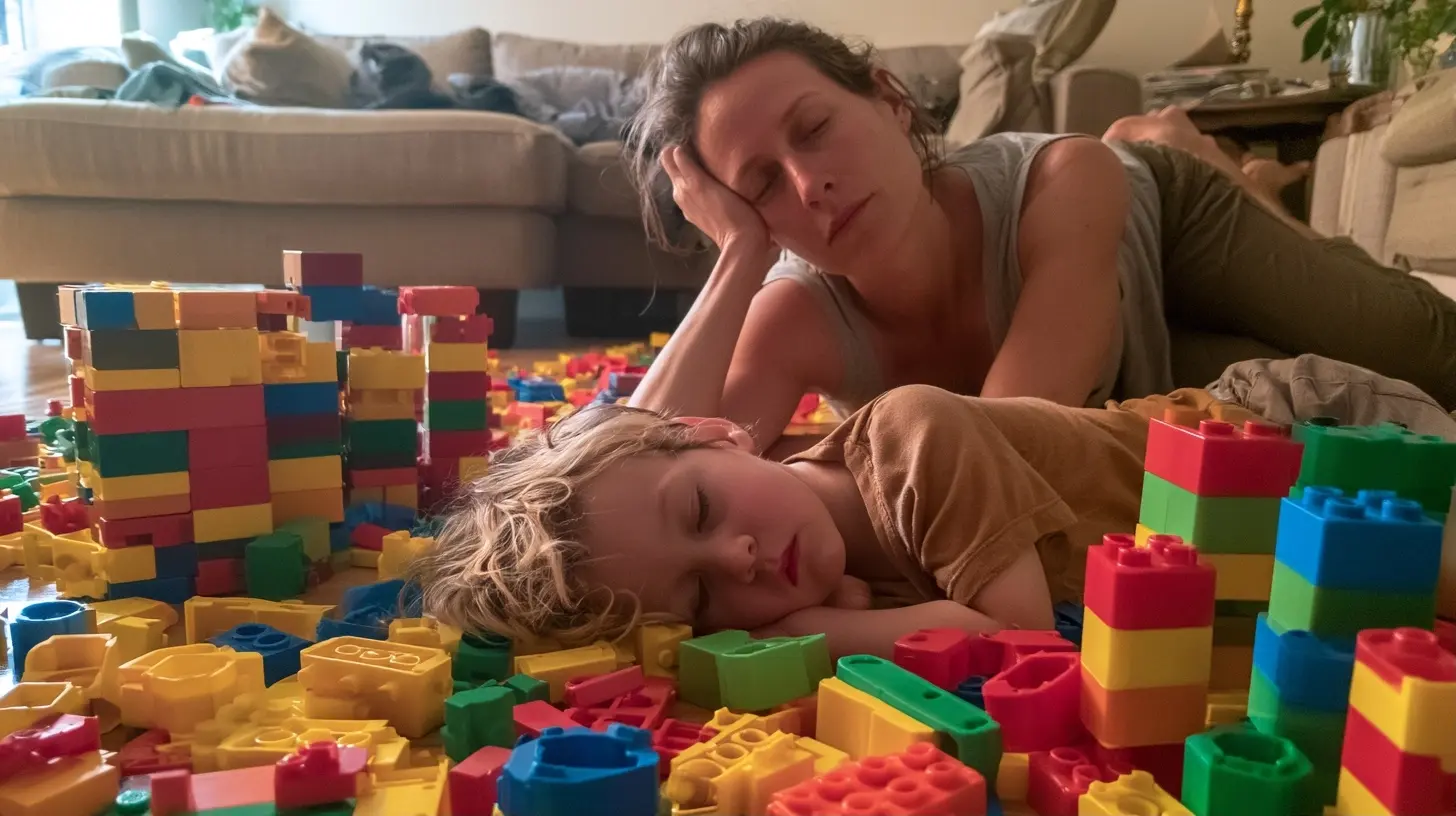
The classic parenting plan was designed for divorced parents dividing time. It focused on pickups, drop-offs, and who pays for soccer cleats. That model is too narrow for 2027. Even in intact families, parents now juggle unpredictable work schedules, caregiving for their own parents, and children with more complex emotional needs than previous generations. The old plan assumed stability: a nine-to-five job, a school that runs from eight to three, and a parent who stays home. Those assumptions are gone.Traditional plans also tend to be static. They are written once, filed away, and never looked at again until a crisis. A sustainable plan is different. It is built to be reviewed every season, or at least twice a year. Children change rapidly. A plan that works for a six-year-old will not work for a nine-year-old. A plan that works for a child in elementary school falls apart when that child hits middle school and wants more independence. If your plan cannot adapt, it is not sustainable. It is just a piece of paper.
Another major flaw in traditional plans is that they focus on time allocation rather than quality of interaction. They ask "how many nights with each parent?" but not "how do we ensure this child feels heard?" A sustainable plan asks the harder questions. What does each child need right now? Who is best positioned to provide it? How do we share the mental load, not just the physical tasks? These are the questions that actually prevent burnout.

The Core Pillars of a 2027 Parenting Plan
Think of your parenting plan as having four pillars: logistics, emotional support, education, and self-care. Most plans only cover logistics. That is why they fail. If you ignore the emotional and educational pillars, the logistics will constantly break down because you will be reacting to problems instead of preventing them.Logistics: The Necessary But Not Sufficient Foundation
Logistics include schedules, meals, transportation, chores, and money. This is the skeleton of your plan. Without it, nothing else holds up. But logistics alone create a household that runs like a machine and feels like a cold one. You need logistics to be clear enough that no one is guessing who picks up the kids on Thursday, but flexible enough that a sick child or a work emergency does not cause a meltdown.In 2027, logistics must account for hybrid arrangements. Maybe one parent works from home three days a week. Maybe the children attend school in person four days and do online learning one day. Maybe a grandparent lives with you and helps with morning routines. Your plan should map out who does what on each type of day. Write it down. Do not rely on memory. Memory is unreliable, especially when you are sleep-deprived or stressed.
A concrete example: the Smith family has two children, ages eight and eleven. Both parents work full time. The father travels for work two weeks every month. Their old plan was just a shared calendar. It failed because the mother ended up doing everything during travel weeks and resenting it. Their new plan specifies that during travel weeks, the father handles all school communication and schedules the children's appointments remotely. He also orders groceries for delivery on Sunday nights. This small shift made the logistics feel fair, not perfect, but fair enough.
Emotional Support: The Hidden Curriculum
Children do not need you to be available 24/7. They need you to be predictably available at certain times. A sustainable plan should include protected time for each child, individually, every week. This does not have to be a full day. Thirty minutes of undivided attention, where the child chooses the activity, is more valuable than a whole weekend where you are distracted by your phone.The mistake many parents make is thinking that emotional support happens naturally. It does not. It gets squeezed out by homework, dinner, and bath time. You have to schedule it, just like you schedule a dentist appointment. In 2027, children are dealing with unprecedented levels of anxiety and social pressure. They need a parent who asks open-ended questions and actually listens to the answers. That requires practice and intention.
Consider the "check-in ritual." Every Sunday evening, each parent has a fifteen-minute one-on-one conversation with each child. No siblings, no screens. The parent asks three questions: What was the best part of your week? What was the hardest part? What do you need from me next week? This ritual works because it is short, consistent, and structured. It gives children a safe space to voice concerns before they become behavioral problems.
Education: Beyond Homework Help
Education in 2027 is not just about grades. It is about helping children become self-directed learners. Your parenting plan should define how you support schoolwork, but also how you encourage curiosity outside of school. This includes limiting screen time, but more importantly, it includes modeling what learning looks like. If you never read a book or take a class, your child will notice.A common misconception is that educational support means sitting next to your child while they do worksheets. That is often counterproductive, especially for older children who need autonomy. A better approach is to establish a daily routine where homework happens at the same time and place, with clear expectations. Then you step back. You are available for questions, but you are not hovering. This teaches self-regulation, which is a far more valuable skill than any single math worksheet.
For 2027, consider how technology fits into education. Many parents either ban screens entirely or let them run wild. A sustainable plan takes a middle path. Define which apps and websites are allowed for homework, which are allowed for recreation, and which are off-limits. Review this list regularly, because new apps appear constantly. Also, be honest about your own screen use. If you are scrolling during dinner, you cannot expect your child to put their phone away.
Self-Care: The Pillar Everyone Ignores
You cannot pour from an empty cup. This is not a cliché; it is a biological fact. Parents who neglect their own sleep, exercise, and social connections become irritable, depressed, and less effective. A sustainable parenting plan must include time for each parent to recharge, alone and together as a couple if that applies.This is the hardest pillar to implement because it feels selfish. It is not. Think of it as the oxygen mask rule on an airplane. You secure your own mask before helping your child. In practical terms, this means each parent gets one evening per week completely off. No chores, no kids, no work. You can use it to exercise, see friends, or just sit in silence. This is non-negotiable. If you skip it, you will burn out, and your children will suffer more than they would from missing one evening with you.
Couples also need time away from the children. This does not have to be a fancy date night. It can be a twenty-minute walk after dinner while the kids do their own thing. The point is to reconnect as adults, not just as co-managers of a household. Many parents forget that their relationship with their partner is the foundation of the family. When that relationship is strong, parenting feels easier. When it is weak, every small challenge feels like a crisis.

Building the Plan: A Step-by-Step Approach
Start with a family meeting. If your children are old enough, include them in the conversation. Ask them what is working and what is not. You will be surprised by their insights. A nine-year-old might tell you that they hate being rushed in the morning, or that they wish they had more time to play outside. These are valuable data points, not complaints.Next, write down your current weekly schedule. Be brutally honest. Where are the pain points? Is it always chaotic in the morning? Is homework a daily battle? Are you spending too much money on takeout because no one planned dinners? Identify the top three problems. Do not try to fix everything at once. A sustainable plan is built incrementally.
Then, draft solutions for those top three problems. Make them specific and measurable. Instead of "we will be less stressed in the morning," write "we will lay out clothes and pack backpacks the night before." Instead of "we will eat healthier," write "we will meal plan on Sundays and prep three dinners in advance." Specificity is what makes a plan actionable.
Finally, schedule a review date. Put it on the calendar for eight to twelve weeks out. At that review, ask yourselves: What worked? What did not? What changed? Then adjust. This review cycle is the key to sustainability. Without it, the plan becomes stale and eventually gets abandoned.
Common Mistakes and How to Avoid Them
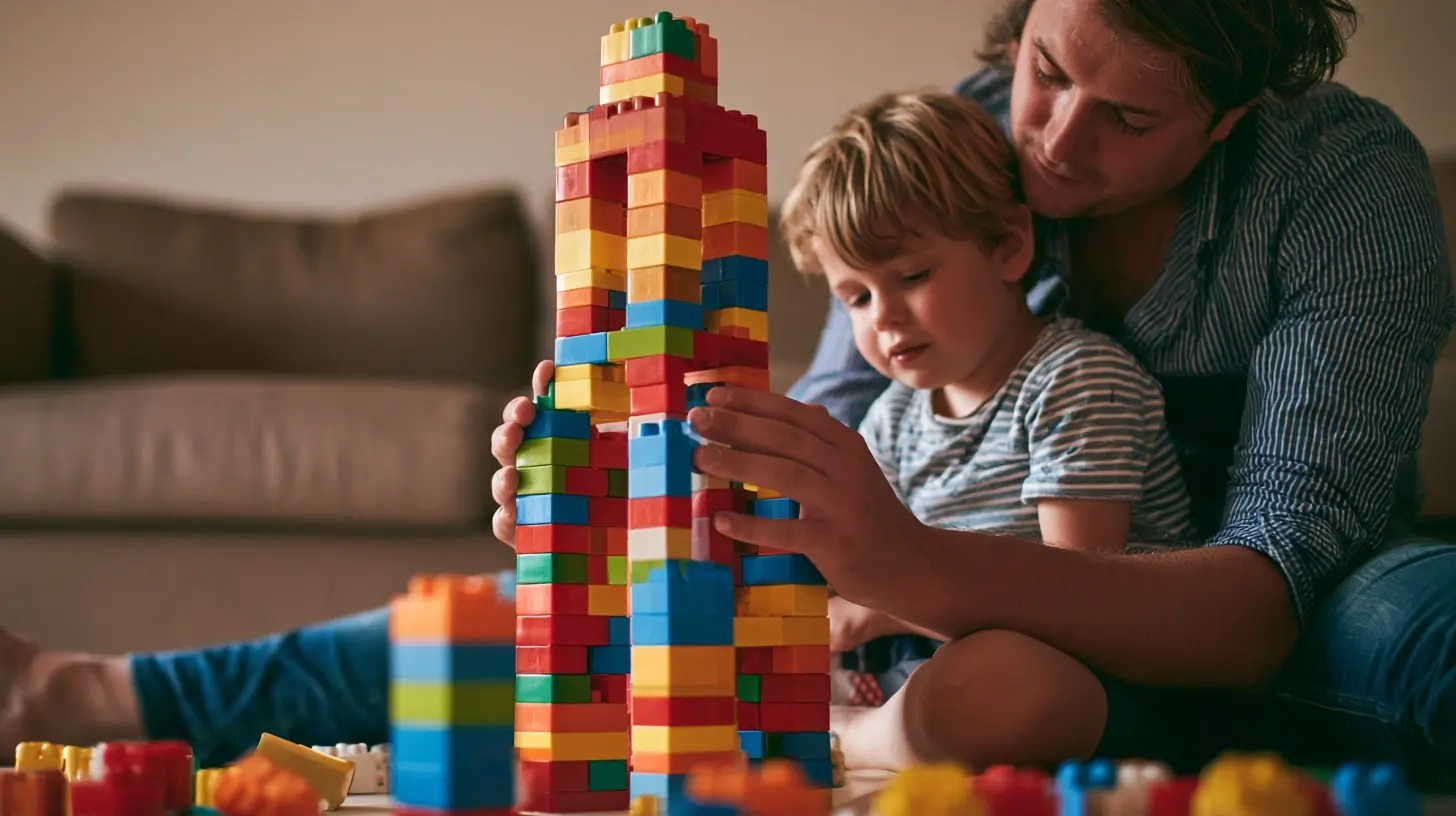
One of the biggest mistakes is making the plan too detailed. If you try to schedule every minute of every day, you will fail. Life is too unpredictable. Leave buffer time for the unexpected. A plan that has zero slack is a plan that will break at the first cold or traffic jam.Another mistake is ignoring the individual needs of each child. A plan that treats all children the same will not work. One child might need more structure, another more freedom. One might need help with social skills, another with academic confidence. Your plan should have a section for each child, noting their specific needs and how you will address them in the coming months.
A third mistake is not involving both parents equally in the creation of the plan. If one parent writes the plan and the other just follows it, resentment builds. Both parents need to contribute, and both need to feel that their concerns are heard. This is especially important in separated families, where the plan must be negotiated rather than imposed.
Finally, do not forget about the grandparents. In 2027, many families rely on grandparents for childcare. If that is your situation, the grandparents need to be part of the plan. They need to know the rules about food, screens, and bedtime. They also need a way to communicate concerns without feeling like they are being criticized. A sustainable plan respects the village that helps raise the child.
Real-World Trade-Offs and Decisions
Every parenting plan involves trade-offs. You cannot have a perfectly clean house and also spend hours playing with your children. You cannot work late every night and also be present at every soccer game. The key is to make these trade-offs consciously, not by default.For example, many parents choose to reduce their work hours to be more present. This often means less income and less financial security. Is that the right choice? It depends on your values and circumstances. Some families prefer to maximize income and outsource chores like cleaning and lawn care. Others prefer to minimize expenses so that one parent can stay home. There is no universal right answer. The sustainable plan is the one that aligns with your actual values, not the values you think you should have.
Another trade-off is between structured activities and free time. Many children in 2027 are overscheduled with sports, music lessons, and tutoring. Parents often feel pressure to keep up with other families. But overscheduled children are stressed children. They need downtime to just play, daydream, and be bored. That boredom is where creativity comes from. A sustainable plan should protect at least one full afternoon per week where nothing is scheduled.
Technology presents another set of trade-offs. Do you give your ten-year-old a smartphone? Many parents do, for safety reasons. But that phone comes with risks: social media, gaming, and exposure to inappropriate content. A sustainable plan does not just hand over the phone. It sets clear rules about when the phone is used, what apps are allowed, and where the phone charges at night (outside the bedroom). These rules need to be revisited as the child grows.
What to Do When the Plan Fails
Your plan will fail. Not because you wrote it badly, but because life is messy. A child gets sick. A parent loses a job. A pandemic or other disruption changes everything. When the plan fails, do not panic and do not abandon it. Return to the review process. Ask what specifically broke and why. Then make a small adjustment.For example, if the morning routine falls apart every time a child has a tantrum, the problem might not be the routine itself. It might be that the child is not getting enough sleep, or that they are anxious about something at school. Fix the root cause, not just the symptom. This is where the emotional support pillar becomes essential. A plan that only addresses logistics will keep failing because it ignores the human element.
It is also important to forgive yourself and your partner when things go wrong. Parenting is hard, and no one does it perfectly. A sustainable plan is not about perfection. It is about having a framework that helps you get back on track when you inevitably veer off course.
Looking Ahead: The 2027 Family
By 2027, we will likely see even more flexibility in how and where people work. That is an opportunity, not a threat. Parents can arrange their schedules to be present for school drop-offs and dinner. But that flexibility also blurs the line between work and home. Without a plan, you might find yourself answering emails during your child's soccer practice or taking calls at the dinner table. A sustainable plan draws clear boundaries. Work time is work time. Family time is family time.We will also see continued advances in educational technology. Some of it is useful, some is just distraction. Parents need to stay informed but also skeptical. The best educational tool is still an engaged adult who asks questions and listens. No app can replace that.
Finally, the 2027 family will continue to deal with the mental health crisis among young people. Rates of anxiety and depression have been rising for years. A parenting plan that does not address mental health is incomplete. This means prioritizing sleep, physical activity, and real-world social connections. It means limiting social media, especially for younger teens. It means being willing to seek professional help when needed, without shame.
A sustainable parenting plan is not a guarantee that everything will go smoothly. It is a commitment to being intentional about how you raise your children. It is a way of saying that your family matters enough to plan for, not just react to. As you build your plan for 2027, remember that the goal is not a perfect schedule. The goal is a family that feels connected, supported, and resilient, no matter what the year throws at you.
all images in this post were generated using AI tools
Category:
Parental BurnoutAuthor:

Max Shaffer
Discussion
rate this article
2 comments
Kendra Barlow
Sustainable plans? Kids just grow!
October 11, 2026 at 4:04 AM
Sage Lawrence
Sustainable parenting isn't just about eco-friendly choices; it's a mindset that prepares kids for a world in flux. Let's aim for a balance of values and flexibility. After all, adaptability is the best gift we can give our kids.
September 8, 2026 at 4:32 AM
Max Shaffer
Absolutely! Teaching adaptability alongside eco-friendly choices equips our kids to thrive in a changing world. It's all about finding that balance.