Breastfeeding Beyond Infancy: Is It Right for Your Family?
13 September 2026
Breastfeeding is an emotional, tender, and often messy part of parenting—but what happens when your baby isn't really a baby anymore? If you're breastfeeding a toddler or even a preschooler, you might find yourself navigating a sea of curious stares, unsolicited advice, and even self-doubt. Ever wonder if breastfeeding beyond infancy is the right move for your family?
Let’s unpack the myths, facts, benefits, and challenges of extended breastfeeding (yep, that’s what it’s called), and help you decide if it fits into your parenting journey.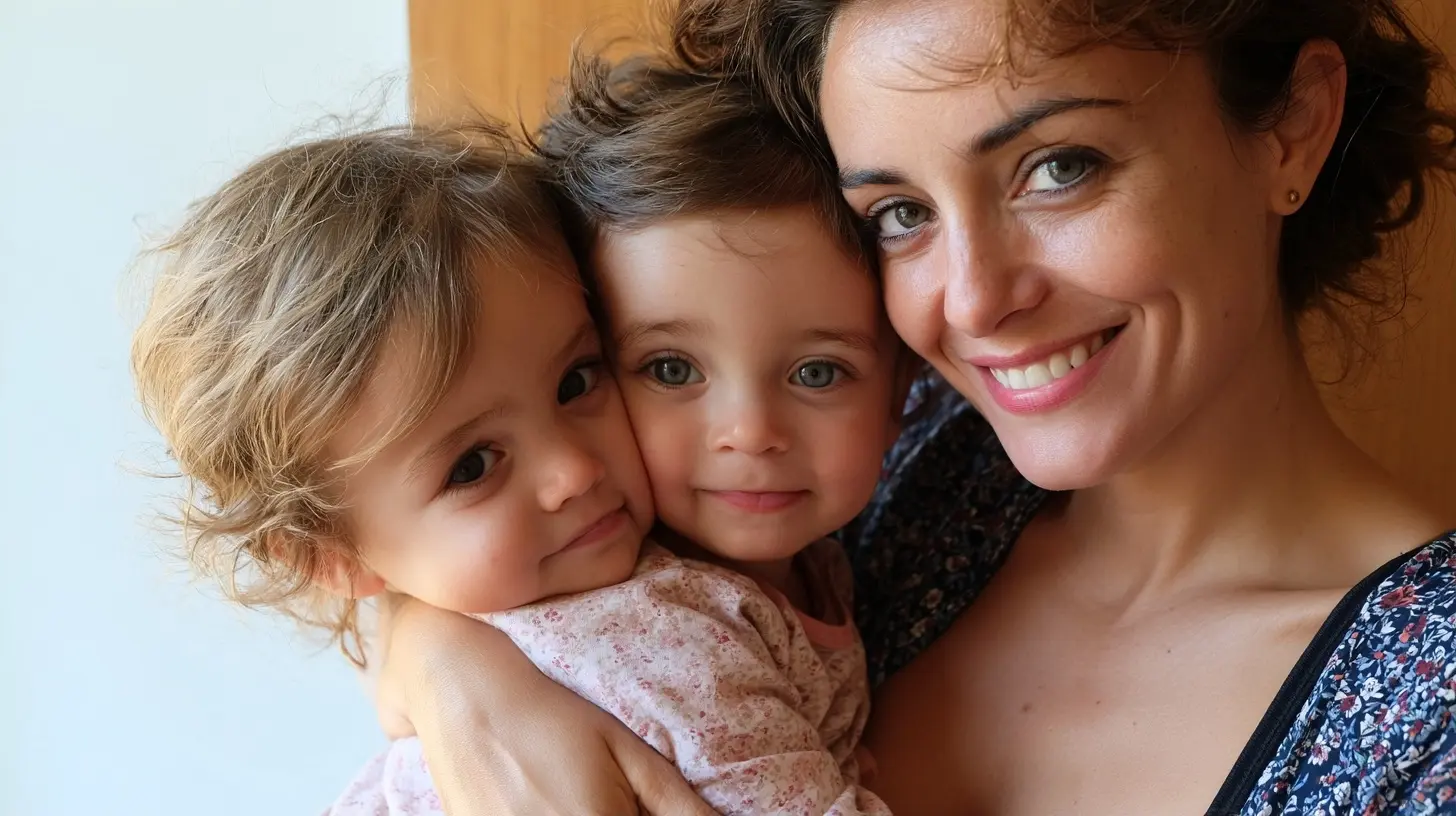
What Does “Breastfeeding Beyond Infancy” Actually Mean?
First things first—what are we even talking about when we say "beyond infancy"? Technically, infancy refers to the first year of life. So, any breastfeeding that continues after your child turns one is considered extended, or full-term, breastfeeding.Some parents stop at 12 months, others at 2 years, and a few go even longer. There’s no universal cutoff date here; it really boils down to what works for you and your little one.
Why Do Some Parents Choose to Breastfeed Longer?
So what’s the deal? Why keep going when your baby is old enough to walk, talk, and demand their milk with full sentences?1. Nutritional Benefits Still Matter
People often assume that breast milk turns into water after a certain age (spoiler—you didn’t miss that memo because it simply isn’t true). While a toddler’s diet becomes more diverse, breast milk continues to offer valuable nutrients and immune-boosting properties.2. It’s More Than Just Food
By age two or three, breastfeeding becomes less about nutrition and more about comfort and connection. It’s a source of reassurance, especially during sickness, stress, or major life transitions like starting daycare or welcoming a new sibling.3. Bonding That Builds Emotional Security
Extended breastfeeding can strengthen the emotional bond between parent and child. It’s like having a built-in comfort tool—your child knows that no matter what the day throws at them, comfort and safety are just a cuddle away.
Falling Outside the Norm: Social Stigma and Misconceptions
Let’s not sugarcoat it—breastfeeding a toddler in public might get you weird looks or judgmental comments. People sometimes assume there must be something “strange” or “unhealthy” about it. But before you let the noise get to you, let’s bust a few myths.Myth #1: “It’s Only for Moms Who Can’t Let Go.”
Truth bomb: Continuing to breastfeed doesn’t mean you’re clinging or over-attached. In fact, it takes strength to go against the grain and do what’s right for your family.Myth #2: “It Causes Developmental Issues.”
Zero evidence backs this. In fact, kids who breastfeed longer often benefit from the added comfort and tend to emotionally self-regulate better. It’s not the breastfeeding that holds them back—it’s usually the judgment they (and you) face.Myth #3: “They’re Too Old for That.”
But who decides what “too old” means? Around the world, extended breastfeeding is completely normal. In many cultures, children nurse up to age 4 or 5 without anyone blinking an eye. It just depends on where you live and what’s considered “normal” in your circle.
Benefits of Breastfeeding Beyond One Year
Alright, let’s get into the good stuff. What are the actual perks of keeping up the breastfeeding routine after your little one’s first birthday?✅ Continued Immune Support
Breast milk isn’t “done” after 12 months. It still contains antibodies that help your child fight off common colds, ear infections, and tummy bugs.✅ Tailor-Made Nutrition
Believe it or not, your body customizes its milk based on your child’s age and needs. That means your milk grows with your child, offering nutrition specifically designed for them.✅ Emotional Comfort and Stability
For toddlers navigating big emotions and new experiences, breastfeeding is a familiar anchor. It’s like their emotional security blanket—always there, no matter what.✅ Calming for Both of You
Nursing releases oxytocin (the love hormone) for both mom and child. This can bring a peaceful moment of reconnection in an otherwise chaotic day.✅ May Reduce the Risk of Certain Illnesses
Research links extended breastfeeding to reduced risk of illnesses later in life, including some forms of cancer, Type 2 diabetes, and obesity—for both the parent and the child.Challenges (Yep, There Are a Few)
Let’s be real—extended breastfeeding isn’t a walk in the park. There can be hurdles, and it’s okay to admit that.⛔ Public Perception
You might feel awkward breastfeeding your toddler in public. People might stare or even comment, and that can be exhausting. But remember, their discomfort does not define your decision.⛔ Physical Exhaustion
Let’s not sugarcoat it—nursing a preschooler who still wakes at night for feeds can wear you down. You may start questioning if the benefits are worth the physical toll.⛔ Sibling Jealousy
If a new baby arrives and you’re still breastfeeding your toddler, you could end up juggling two nurslings. Tandem nursing is doable, but takes patience and planning.⛔ Setting Boundaries Becomes Crucial
Toddlers can get demanding—especially when they know the “goods” are still available. Establishing boundaries (“not right now, maybe after lunch”) helps maintain harmony.Tips for Making It Work (If You Choose To)
If extended breastfeeding sounds like your jam—or even if you’re still on the fence—here are a few ways to make the journey smoother for everyone involved.? Communicate Openly with Your Child
Once they’re old enough to understand basic language, talk to them about breastfeeding. Explain when and where it’ll happen. It helps set realistic expectations and avoid meltdowns at inconvenient times.? Set Clear Limits
It’s okay to have boundaries. Maybe you only nurse at nap and bedtime. Or only at home. Whatever your comfort level is, own it.? Prepare Responses for Curious (or Rude) Comments
You don’t owe anyone an explanation, but it can help to have a calm, confident response ready. Something like, “This works for our family,” can go a long way.? Don’t Be Afraid to Stop When You’re Ready
If you’re burned out and need to stop, that’s okay, too. Your needs matter just as much as your child’s. Weaning can be gradual and gentle, without guilt.What Does Weaning Look Like After Infancy?
Weaning a baby is one thing, but weaning a chatty, opinionated toddler? That’s a different story. The good news: older kids often initiate the process themselves.Baby-Led Weaning
Some children will naturally lose interest in breastfeeding as they grow and become more engaged with the world around them. This is often the gentlest approach.Parent-Led Weaning
If you need to stop for your own physical or emotional well-being, you can lead the way. Start by cutting out one feed at a time, replacing it with cuddles, stories, or another soothing routine.Night Weaning
This is usually the trickiest part since nighttime nursing provides serious comfort. Gradual transitions, like reducing the time spent nursing or introducing a nighttime lovey, can help smooth the process.Is It Right for Your Family?
That’s the million-dollar question, right? Ultimately, breastfeeding beyond infancy is not a one-size-fits-all kind of deal.- If it brings joy, comfort, and connection—keep going.
- If it's causing stress, resentment, or physical discomfort—it might be time to reevaluate.
- If you’re doing it because of outside pressure (in either direction)—pause and reflect on what you want.
There’s no gold medal for the longest nursing relationship, and there’s certainly no shame in deciding to wean earlier. The only guide you need is your intuition and the connection with your child.
Final Thoughts
Breastfeeding beyond infancy is a deeply personal journey. It’s full of sweet moments, unexpected challenges, and powerful bonding. Whether you nurse for 6 months or 6 years, what matters most is that you’re making choices that feel right for you and your child.So go ahead—tune out the judgment, listen to your gut, set those boundaries, and know that whatever you decide, you’re doing a heck of a job.
all images in this post were generated using AI tools
Category:
BreastfeedingAuthor:

Max Shaffer
Discussion
rate this article
2 comments
Tempest Lewis
This article offers valuable insights into extended breastfeeding. It's a personal choice that can benefit both mother and child. Each family's situation is unique, so consider what feels right for you.
September 28, 2026 at 3:20 AM
Max Shaffer
Thank you for your thoughtful comment. I completely agree that every family's situation is unique, and it's important to choose what works best for you.
Christa Williams
In the gentle dance of motherhood, every choice sings its own melody. Breastfeeding beyond infancy weaves a bond rich with nurturing love and connection. Each family, unique in rhythm and needs, finds the harmony that resonates, creating a symphony of comfort and warmth.
September 17, 2026 at 2:52 AM
Max Shaffer
Thank you for your beautiful reflection. It's true that each family's journey is unique, and finding what works best is key.