Attachment Parenting Through the Toddler Years: Encouraging Exploration Safely
4 May 2026
Raising a toddler is like holding a balloon on a windy day. You're trying to give them the freedom to float, but you also don’t want to let go completely. It's a wild, beautiful dance between independence and connection. If you've been practicing attachment parenting from birth, you know it’s not just a style—it’s a mindset grounded in empathy, responsiveness, and trust.
But here’s the challenge: as your sweet baby becomes a curious, energetic toddler, everything changes. They start running, climbing, asking “why” (like, a million times), and exploring every nook and cranny. That’s thrilling... and a little terrifying too, right?
So how do you keep up the attachment parenting vibe while encouraging all that adventurous exploring? Let’s dive into the nitty-gritty of attachment parenting in the toddler years and how to create a safe space for big emotions and even bigger leaps.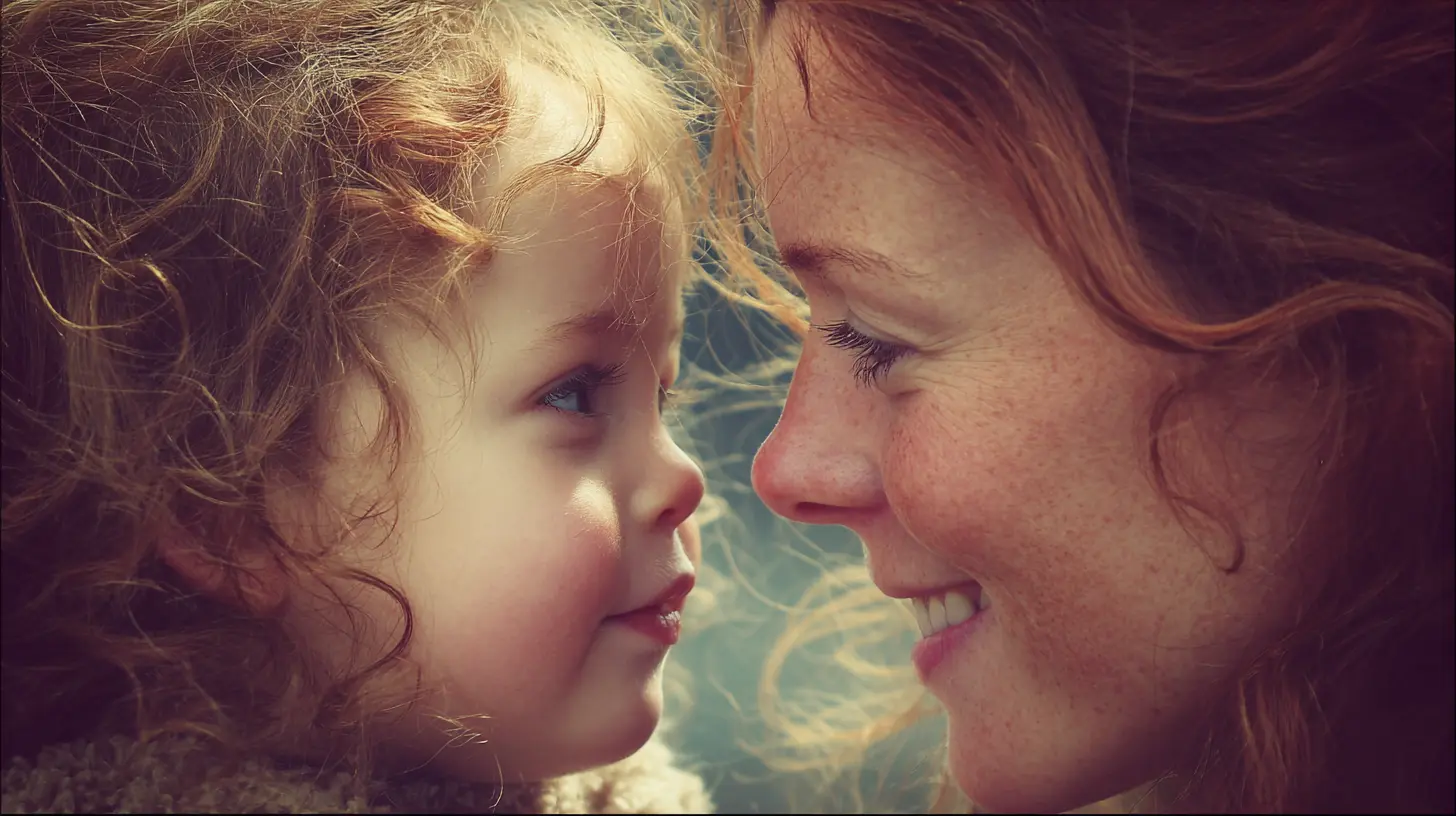
What Exactly Is Attachment Parenting?
Before we get into toddler territory, let’s revisit what attachment parenting (AP) is all about. It's a philosophy made popular by Dr. William Sears that centers on building strong emotional bonds with your child. The idea? When kids feel securely attached, they’re more confident, resilient, and emotionally grounded.The core principles include:
- Responding with sensitivity
- Emotional availability
- Consistent caregiving
- Gentle discipline
- Physical closeness (hello, babywearing and co-sleeping!)
Now that your little one is past the baby phase, these principles shift a bit—but they’re still totally relevant.
Toddlers and Attachment: What's Different?
Toddlers kind of feel like little paradoxes. One minute they’re screaming “I do it myself!” and the next, they’re glued to your leg like a barnacle.That’s because toddlers are testing autonomy while still seeking security—it’s all part of normal development. Attachment parenting during the toddler years means being the calm, steady presence while your child figures out where they end and the world begins.
You're basically their home base.
Imagine your toddler is a tiny explorer. You’re the safe harbor they return to after each daring (and sometimes dangerous) expedition to the Lego-studded jungle of your living room.
That foundation of trust you built during infancy? Now it’s the fuel for their adventurous spirit.
Encouraging Safe Exploration Without Hovering
Here’s the tricky bit: You want to be close and responsive—but you also don’t want to hover like a helicopter.So, how do you strike that balance?
1. Build a Yes-Space
Let’s be honest: saying “no” all day long is exhausting for everyone. Instead of trying to constantly redirect or correct, create a “yes-space”—a toddler-proofed zone where your little one can explore freely without constant intervention.Think:
- Soft flooring
- Rounded furniture edges
- Secured bookshelves and TVs
- Locked cabinets
- Age-appropriate toys
Your job becomes less about policing and more about observing and celebrating those tiny discoveries.
2. Observe, Don’t Overstep
When your toddler is busy stacking blocks or trying to put their own shoes on (backwards, because of course), resist the urge to jump in and "fix" things.Let them try. Let them fail. Let them figure it out.
Offer help only if they ask—or if they’re clearly getting frustrated. This builds confidence like crazy and teaches emotional regulation (which, spoiler alert, is a skill many adults are still working on!).
3. Stay Anchored and Calm
Toddlers are emotional rollercoasters. Tantrums, giggle-fits, stubbornness—it’s all in a day's work. Your job isn’t to control their emotions but to stay calm in the middle of their storms.If they sense that you’re grounded and unshaken, they’ll learn it's safe to feel their feelings.
Gentle Discipline: Saying “No” With Love
Attachment parenting doesn’t mean letting your toddler run the show. Boundaries are essential. In fact, boundaries + connection = security.Use Connection Before Correction
When your toddler throws a toy or refuses to clean up, start by connecting:- Get down to their level
- Use calm, low tones
- Make eye contact
Say something like, “I see you’re upset because I said it’s time to go. That’s hard. But we need to leave now.”
It doesn’t mean they won’t scream. But it does mean they’ll feel heard. And that's half the battle with toddlers.
Offer Choices (Within Limits)
Toddlers LOVE feeling in control. So when possible, give them options:- “Do you want to brush your teeth before or after pajamas?”
- “Red cup or blue cup?”
- “Walk to the car or be carried?”
It’s a win-win—they feel empowered, and you get cooperation.
Attachment Parenting in the Real World
Let’s be real: it’s all rainbows and cuddles until you’re trying to grocery shop with a screaming toddler and a cart full of yogurt.Attachment parenting isn’t about being perfect. It’s about being present.
Here are a few real-world strategies that help incorporate attachment parenting when you're out and about:
Babywearing Isn’t Just for Infants
A toddler in a carrier? Game-changer. Sling-style or ergonomic carriers allow your child to stay close while giving you hands-free freedom. Plus, it offers them a safe place to retreat to in a busy world.Snuggle Breaks
When your little one gets overwhelmed by a loud environment or over-stimulated at playgroup, offer a quick snuggle. Even a 10-second hug can reset their nervous system and re-establish connection.Talk It Out
Narrate your day to your toddler, even when they don’t respond. “We’re getting apples now. You love apples. After this, we’ll go home and play.”You’d be amazed how much toddlers understand—and how much secure attachment is built through simple connection.
The Importance of Routine and Predictability
Toddlers thrive on predictability. Routines provide a comforting structure in a world that often feels too big and too fast.Establishing a consistent rhythm to your day creates a sense of safety—and supports exploration. Why? Because when toddlers know what to expect, they feel more confident venturing out.
Make routines simple:
- Wake-up cuddles
- Breakfast together
- Story before nap
- Evening walk
- Bedtime bath and books
It sounds basic, but it’s powerful. Think of it as emotional scaffolding.
Teaching Safety Without Instilling Fear
Now, let’s talk safety. Toddlers are naturally impulsive (understatement of the year). They don’t have a concept of risk yet—that’s your job.But there's a huge difference between keeping them safe and making them afraid of the world.
Be a Calm Teacher
Don’t panic every time they climb the slide backward. Instead, say something like:“Wow, you’re up high! Make sure your hands are gripping tight.”
You’re teaching awareness, not fear.
Use Natural Consequences
If they throw a toy and it breaks, don’t scold—explain:“That toy broke because it hit the ground hard. Toys need gentle hands.”
Natural consequences are way more impactful than punishment.
Fostering Emotional Literacy
One of the deepest benefits of attachment parenting is helping your toddler understand their big emotions.Let’s be real—toddlers feel EVERYTHING at full volume. Happy, sad, angry, frustrated, silly... sometimes all within five minutes.
Name Emotions
Labeling emotions helps toddlers make sense of what they’re feeling:- “You’re feeling mad because your block tower fell. That’s frustrating.”
- “You’re laughing because you love peekaboo!”
It’s empathy in action—and it teaches your child their emotions are valid, not something to be shoved down.
Co-Regulation Before Self-Regulation
Toddlers can’t regulate emotions on their own yet. That’s where co-regulation comes in.Hugs. Gentle tones. Calm presence. You offer them your calm until they can find their own.
When You Lose Your Cool (Because You Will)
Let’s not pretend we’re saints. There will be days when you’re tired, touched out, and your toddler is testing every nerve.And that’s okay.
Attachment parenting doesn’t mean you never yell or lose your patience—it means you repair.
Apologize. Acknowledge your feelings too.
“Hey buddy, I’m sorry I yelled. I was feeling overwhelmed. Let’s take some deep breaths together.”
That vulnerable honesty? It teaches empathy like nothing else.
Final Thoughts: It’s a Long Game
Raising a securely attached child is a marathon, not a sprint. In the toddler years, it often feels like you’re juggling softness and structure, freedom and safety, chaos and connection.But don’t overthink it. If you’re offering love, respect, presence, and consistency, you’re already doing a beautiful job.
Your toddler doesn’t need perfection—they need you.
So, go ahead. Let them climb, explore, get messy, and test their boundaries. Just be there—cheering them on, hugging them through the tears, and always being the safe place they can return to.
You're their anchor. And that’s more than enough.
all images in this post were generated using AI tools
Category:
Attachment ParentingAuthor:

Max Shaffer
Discussion
rate this article
2 comments
Courtney McKeever
This article offers such practical advice for navigating the toddler years! Encouraging exploration while keeping our little ones safe can be a challenge, but the tips here make it manageable. I love the emphasis on connection and trust. Thanks for sharing!
May 20, 2026 at 3:01 PM
Max Shaffer
I'm glad you found the tips helpful! Balancing exploration and safety is so important during these years. Thanks for your feedback!
Sarah Cantu
I love how this article highlights the balance between nurturing and encouraging independence. It's so important for toddlers to explore while knowing they have our support. Thank you for sharing!
May 15, 2026 at 2:35 AM
Max Shaffer
Thank you for your kind words! I'm glad you found the balance between support and independence important. It's crucial for their growth.