How to Handle Public Meltdowns Like a Pro
22 December 2025
Let’s be real—every parent has faced it at least once. You're in the middle of the grocery store, arms full of cereal boxes and coupons, when suddenly your sweet little angel morphs into a screaming, writhing tornado of frustration. Heads turn, judgmental glances fly, and your heartbeat spikes as you frantically try to figure out what to do. Sound familiar? You're definitely not alone. Handling public meltdowns: every parent’s rite of passage.
In this article, we’re diving deep into the messy, noisy world of public meltdowns—why they happen, what to do in the moment, and how to prevent (or at least minimize) them in the future. By the end, you’ll feel more confident, more prepared, and way less alone in this universal parenting challenge.
What’s Actually Happening During a Meltdown?
Before we can talk strategy, it helps to understand what's going on beneath the surface of that screaming fit. Meltdowns often get confused with tantrums, but they’re not always the same.Tantrum vs. Meltdown
- Tantrum: Usually a behavior with a goal—like wanting a toy or candy. There's often some level of control; your child might pause the drama to see your reaction.- Meltdown: Typically the result of sensory overload, fatigue, or overwhelming emotions. These aren’t about getting their way. They’re about your child’s inability to cope with what's happening in the moment.
Knowing the difference helps you respond with the right mindset. A tantrum might call for firm boundaries. A meltdown? That needs empathy first.
The Emotional Pressure Cooker of Public Places
Why do meltdowns feel 100 times worse in public? Because suddenly you’re not just trying to help your child—you’re performing for an audience.Let’s break it down:
- Pressure of judgement: Other people are watching. You're worried they think you're a bad parent.
- Unpredictable environments: Busy places like malls or airports can be overwhelming and overstimulating for kids.
- Changes in routine: Outings disrupt familiar rhythms—naptime, snack time, comfort zones.
Now add a hungry or tired toddler into that mix, and bam—you’ve got yourself the perfect meltdown cocktail.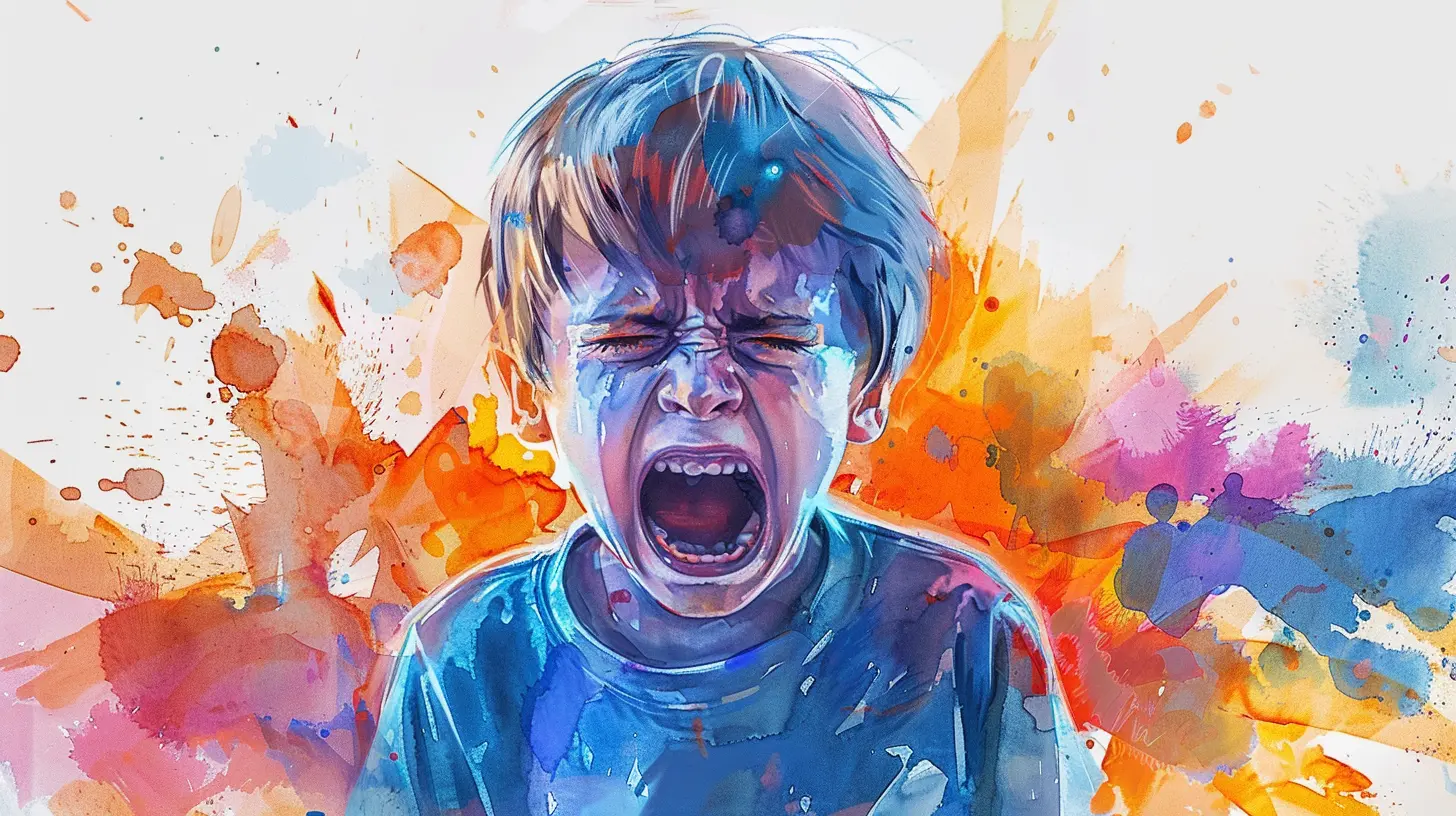
Step-by-Step Guide: Staying Cool When Your Kid is Not
1. Don’t Panic (Seriously)
Easier said than done, right? But the calmer you are, the more anchored your child feels. Imagine you're the eye of the hurricane—everything can swirl around you, but you stay grounded.Take a deep breath. Count to five. Remind yourself: This is normal. You’re not alone. And it won’t last forever.
2. Get Down to Their Level
Literally. Kneel down, look them in the eye, and speak calmly. Getting on their physical level helps them feel safer and heard.Say something like:
> “I see you’re really upset. I’m here. Let’s figure this out together.”
Even if they’re still mid-meltdown, your presence and tone can start to calm the storm.
3. Reduce the Audience
If you can, guide your child to a quieter or less crowded space. Not as a punishment, but as a way to reduce sensory overload. Maybe step to a side aisle, outside the shop, or into the car.Think of it as offering them a “reset button.”
4. Validate Feelings Before Correcting Behaviour
This one’s huge. Kids melt down when they can't express big feelings. When you acknowledge those emotions, it shows you’re on their team.Instead of:
> “Stop crying, you’re being ridiculous.”
Say:
> “You’re upset because we can’t get that toy. That’s really hard.”
Once they feel understood, they’re more likely to listen and calm down.
5. Offer Simple Choices
When kids feel out of control, offering choices gives them a sense of autonomy. Keep it easy and manageable:> “Do you want to walk or do you want me to carry you?”
> “Would you like your water bottle or your snack?”
This helps shift their brain out of fight-or-flight and back into decision-making mode.
6. Don’t Worry About Other People
This one’s tough, but necessary. Everyone was a child once. Most parents have been where you are. And honestly? Strangers will forget the incident in five minutes.The priority isn’t their opinion—it’s your kid’s emotional well-being and your sanity.
7. Debrief After the Storm
Once things have settled and you’re both calm, talk it through. Keep it simple and judgment-free:> “That was really hard today. Do you know what made you feel so upset? What could we try next time?”
This helps your child build emotional awareness and resilience.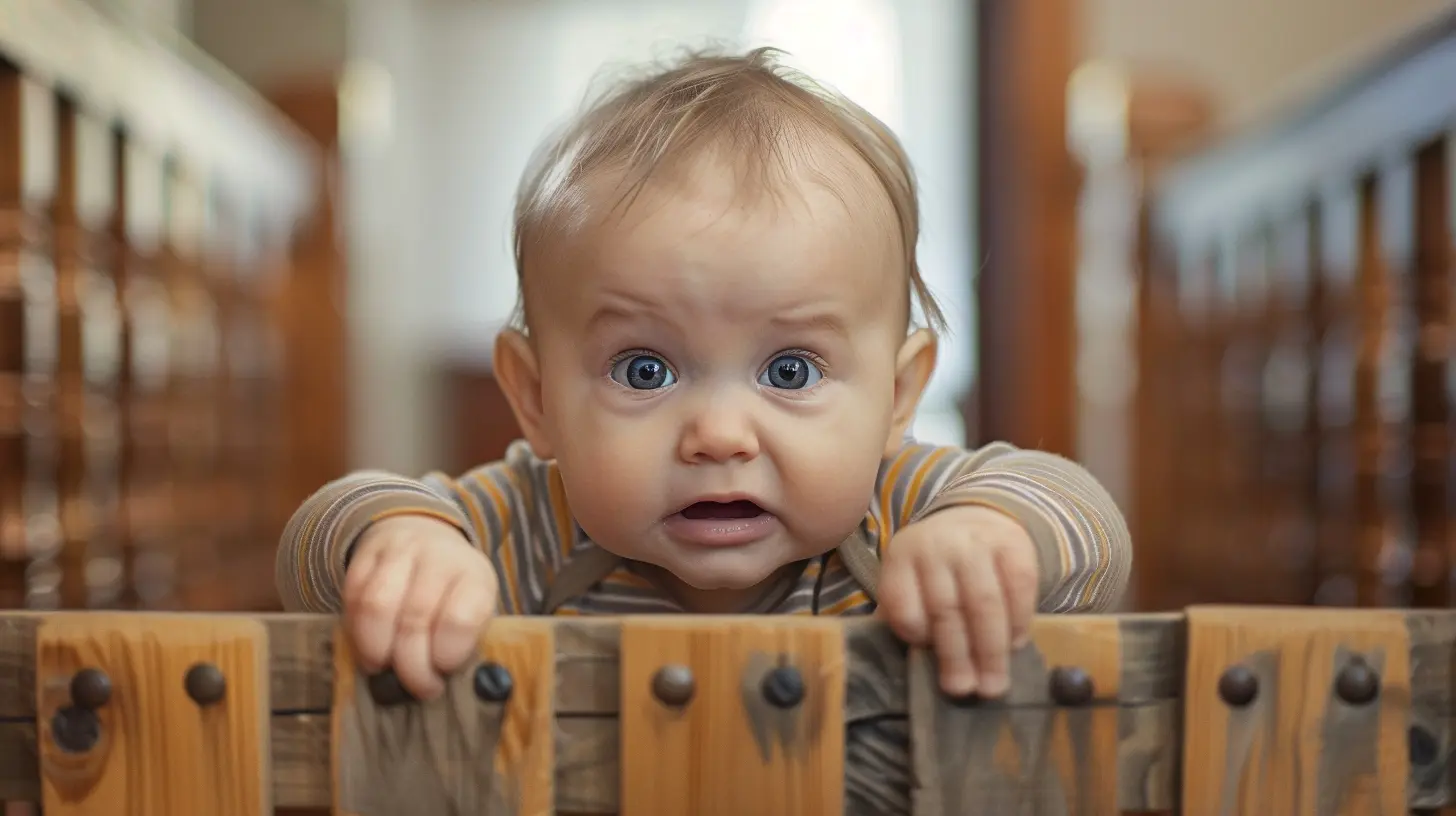
Preventing Public Meltdowns Before They Start
The best defense is a good offense. While not every meltdown can be stopped before it starts, there are things you can do to lower the chances.1. Know Their Triggers
Is your toddler always cranky around 3 PM? Does your preschooler get overwhelmed by loud noises?Pay attention to patterns, and try to work around them when possible. For instance, schedule errands right after naptime or bring noise-cancelling headphones if needed.
2. Keep Snacks and Water Handy
Low blood sugar = high likelihood of a meltdown. Keep easy snacks in your bag: granola bars, fruit slices, crackers. Stay hydrated too!Think of snacks as emotional first aid.
3. Talk About Expectations in Advance
Before heading into a store or event, preview what will happen:> “We’re going to the grocery store. We’ll be there for 15 minutes, then we’ll go to the park.”
Set clear boundaries too:
> “We’re not buying toys today, but you can help me pick out bananas.”
4. Use a Transition Object
For younger kids, a favorite stuffed animal or comfort item can work wonders. It's like carrying a bit of home into the big, overstimulating world.5. Practice Coping Skills at Home
Teach your child calming techniques when they’re not upset—like deep breathing, counting, or using a quiet corner. Make it a game. Then when you’re in public, they have a go-to tool to use.Your Post-Meltdown Toolkit
Even when things go sideways, how you handle the aftermath matters just as much. Here’s how to recover like a parenting ninja:Take a Moment for YOU
Breathe. Shake it out. Roll your shoulders. That was intense. You did great, even if it didn’t feel that way.Reflect Without Shame
We all mess up. We lose our cool, say the wrong thing, or panic. Don’t beat yourself up. Use it as a learning moment—for both you and your kid.Ask yourself:
- What triggered the meltdown?
- What helped calm things down?
- What can I do differently next time?
Celebrate Small Wins
Did your child accept a hug after the meltdown? Did you stay calm (even if just barely)? Did you both survive the checkout line?Those are wins. Give yourself credit.
When to Seek Extra Support
Frequent, intense meltdowns that don’t improve with age, routines, or coping strategies may be a sign of something more. There’s zero shame in getting professional guidance.Talk to your pediatrician or a child therapist. Sometimes underlying issues like sensory processing challenges, anxiety, or neurodivergence are at play—and early support can make a world of difference.
Final Thoughts: You’ve Got This
Meltdowns in public are part of the parenting journey. Not the fun part, sure. But they’re also not a reflection of your worth or skills as a parent.Remember: your child is still learning how to navigate big feelings in a big world. And you’re learning too. Every challenging moment is a chance to model calm, connection, and compassion.
So the next time your toddler loses it in the frozen food aisle? Take a breath, channel your inner parenting ninja, and handle it like the total pro we know you are.
all images in this post were generated using AI tools
Category:
Parenting ChallengesAuthor:

Max Shaffer
Discussion
rate this article
2 comments
Shelby McKnight
Public meltdowns: nature’s way of reminding us that 'calm' is just a suggestion! Remember, every parent has a secret toolkit—snacks, distractions, and the classic ‘look over there!’ Let's embrace the chaos, one squeal at a time!
December 27, 2025 at 4:01 AM
Max Shaffer
Absolutely! Embracing the chaos with a lighthearted approach can make all the difference. A snack or distraction often works wonders in those moments!
Anisa Carey
Own the chaos; your child’s feelings deserve respect!
December 24, 2025 at 3:23 AM
Max Shaffer
Thank you! Acknowledging and respecting our children's feelings is key to helping them navigate their emotions effectively.