Will Robots Replace Tutors? A Look at Education Technology
21 August 2026
The question of whether robots will replace human tutors has moved from science fiction to the family living room. Parents now see advertisements for AI apps that promise personalized math coaching, language practice, and essay feedback, all delivered by an algorithm. It is tempting to think that we are on the edge of a world where a glowing screen can do everything a private tutor does, and do it cheaper. But that view misses what tutoring actually is. It is not just the transfer of information. It is a human relationship built on trust, patience, and the ability to read a child's face, mood, and motivation. The real question is not whether robots will replace tutors, but how the two can work together, and where each one fails.
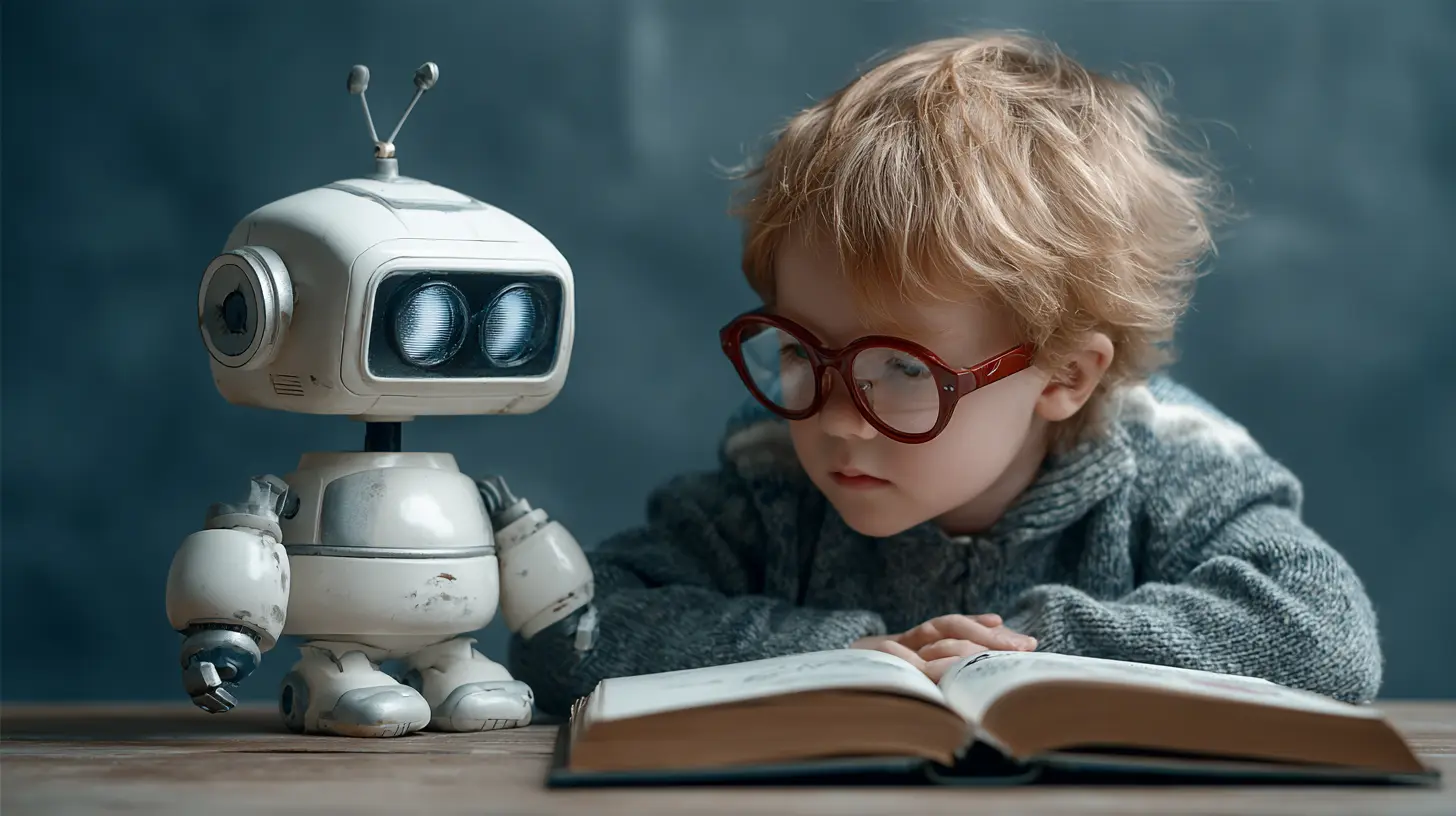
What a Tutor Actually Does That a Robot Cannot
A good tutor does far more than explain fractions or correct grammar. They notice when a student's shoulders tense up. They hear the hesitation in a voice before a wrong answer. They know when to push harder and when to back off because the child is exhausted or frustrated. This emotional intelligence is not a nice extra. It is the core of effective teaching.Consider a typical session with a struggling middle schooler. The tutor arrives, sits down, and asks about the week. The student says "fine" but the tutor notices the red eyes and the crumpled homework. Instead of starting with algebra, the tutor spends five minutes just talking. That conversation is not wasted time. It lowers the student's guard and rebuilds the trust that was broken in a difficult class. A robot, no matter how advanced, cannot genuinely care. It can simulate empathy with scripted phrases like "I understand this is hard," but the student knows the difference. Kids are sharp. They can tell when a response is manufactured.
Robots also cannot model curiosity or passion. A human tutor who loves history can make a dusty battle feel alive by telling a story about a soldier's letter home. That spark is contagious. A child does not just learn the facts. They learn that learning can be exciting. An AI can generate a paragraph about the Civil War, but it cannot feel awe or transmit it. This matters more than most people admit, especially for younger learners who are still forming their attitudes toward school.
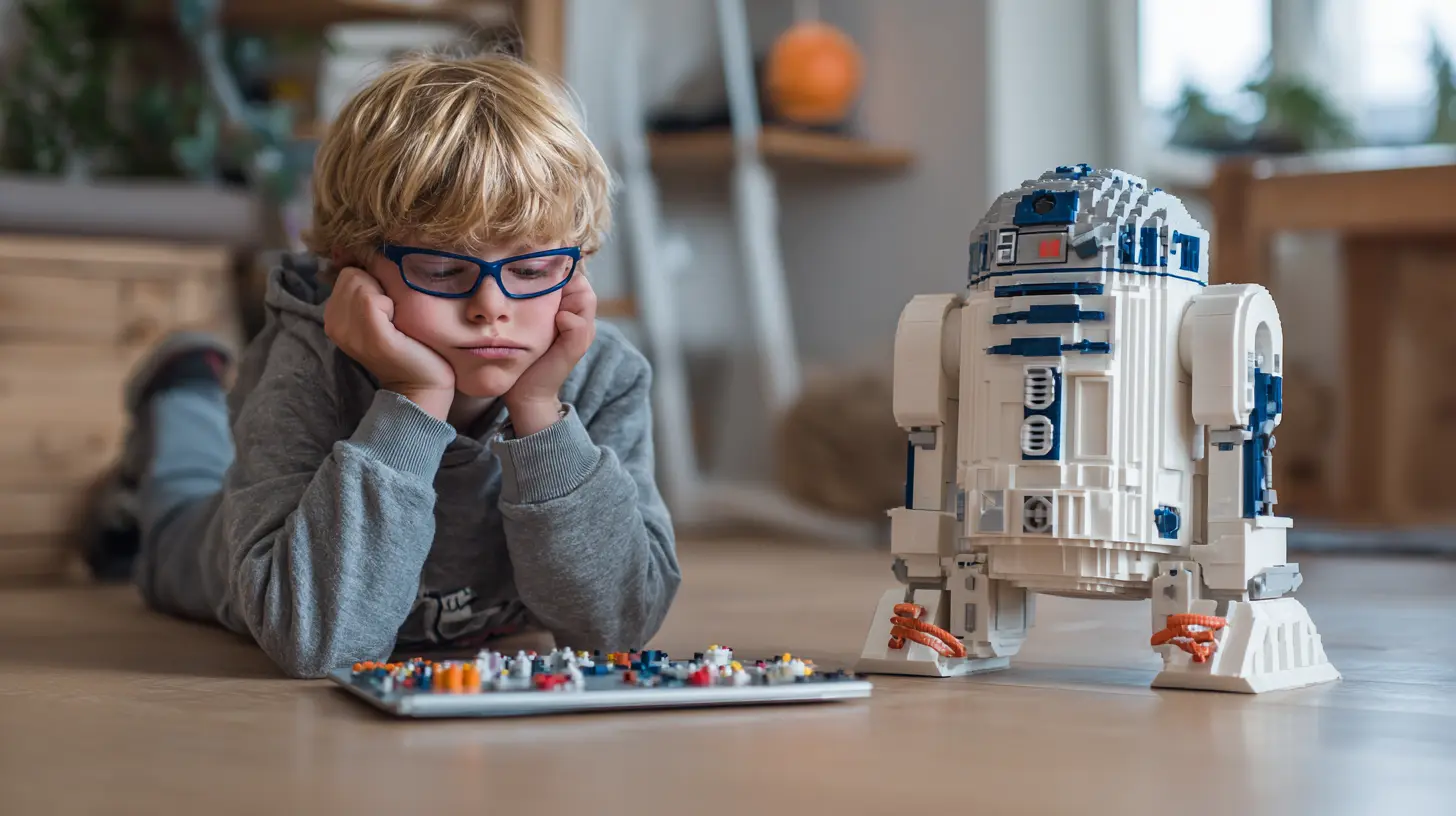
The Real Strengths of AI in Education
That said, AI and robotic tutors are not useless. Far from it. They have specific, measurable advantages that human tutors cannot match. The most obvious is availability. A human tutor costs money and has a schedule. An AI app is awake at 11 PM when a student finally understands the homework assignment. It is patient in a way humans often are not. It will explain the same concept forty times without a sigh. It never gets tired, hungry, or annoyed.Another strength is data analysis. A well-designed AI tutoring system can track every keystroke, every wrong answer, and every second spent on a problem. It can identify patterns that a human might miss. For example, it might notice that a student consistently fails word problems involving subtraction but excels at pure arithmetic. That insight can guide future practice. A human tutor can also see this, but it takes time and careful observation. The AI does it instantly and can adjust the difficulty level in real time.
AI also excels at spaced repetition and retrieval practice. These are evidence-based learning techniques that are hard to implement manually. A human tutor can try to review old material, but they have to remember what was covered three weeks ago and decide when to bring it back. An AI never forgets. It can schedule reviews at the optimal moment for long-term memory, based on the student's past performance. For vocabulary, facts, and procedural skills, this is genuinely effective.
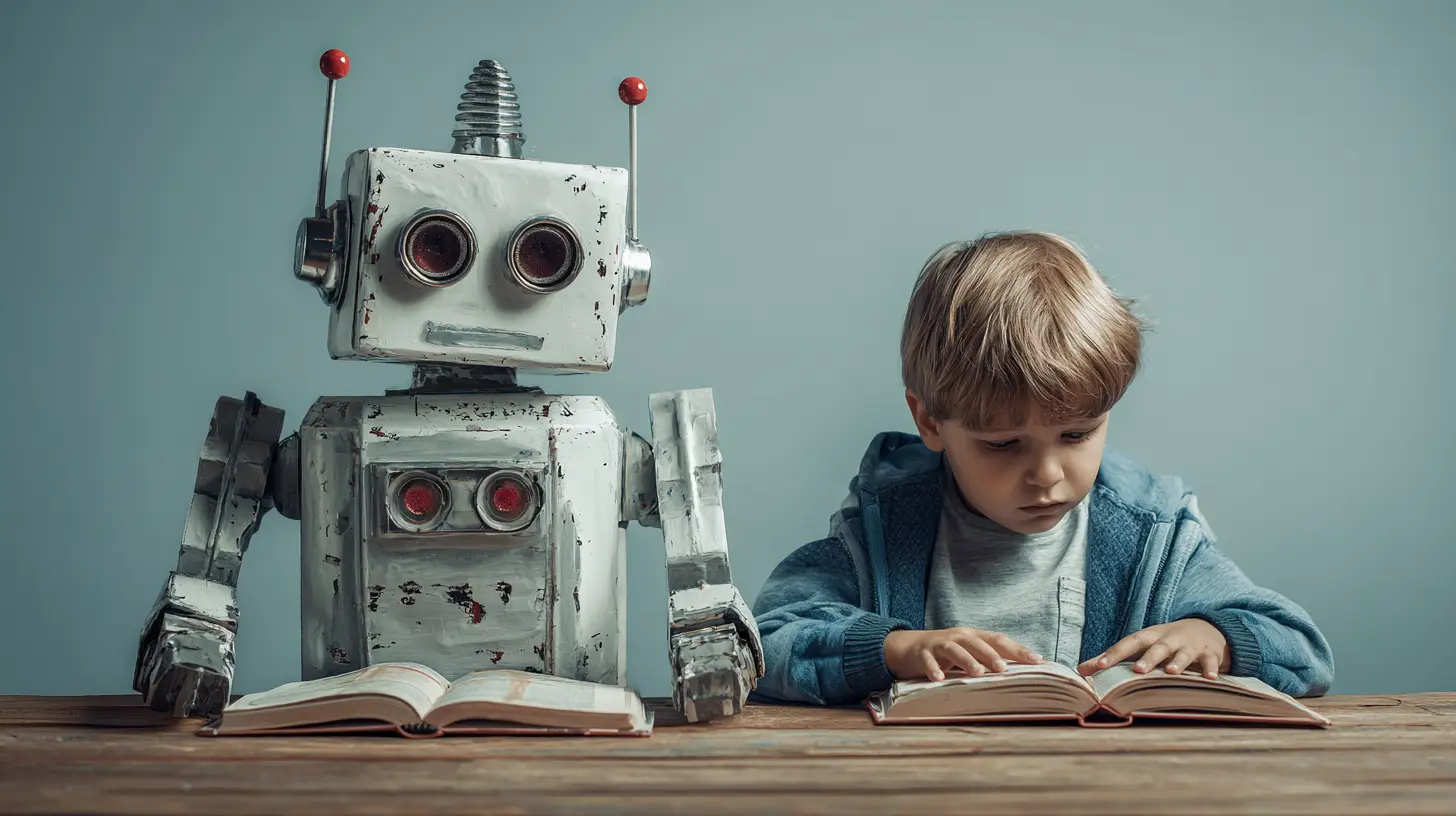
Where AI Tutors Fail Spectacularly
The weaknesses of AI tutors are not minor. They are fundamental. The first big problem is context. A child might be struggling with math not because they do not understand numbers, but because they are hungry, worried about a fight with a friend, or scared of a bully at school. A robot cannot see that. It will keep pushing problems at the child, and the child will keep failing, and the robot will conclude that the child needs more practice. That is a recipe for frustration and burnout.Another issue is the quality of explanations. AI models can produce clear, correct explanations for many topics. But they also produce confident nonsense. A chatbot might invent a rule that sounds plausible but is wrong, or it might misread a poorly phrased question. For a student who does not know the subject well, this misinformation is dangerous. They cannot tell a good explanation from a bad one. A human tutor can catch their own mistakes, apologize, and correct course. An AI often cannot even recognize that it made an error.
There is also the problem of motivation. A student who does not want to learn will not be tricked into learning by a friendly interface. The novelty of a robot tutor wears off after a few sessions. Then it becomes just another screen demanding attention. Human tutors can use relationships, humor, and even mild pressure to keep a student engaged. They can make deals, set goals, and celebrate successes in a way that feels personal. A robot's "Great job!" after every correct answer becomes noise, not encouragement.
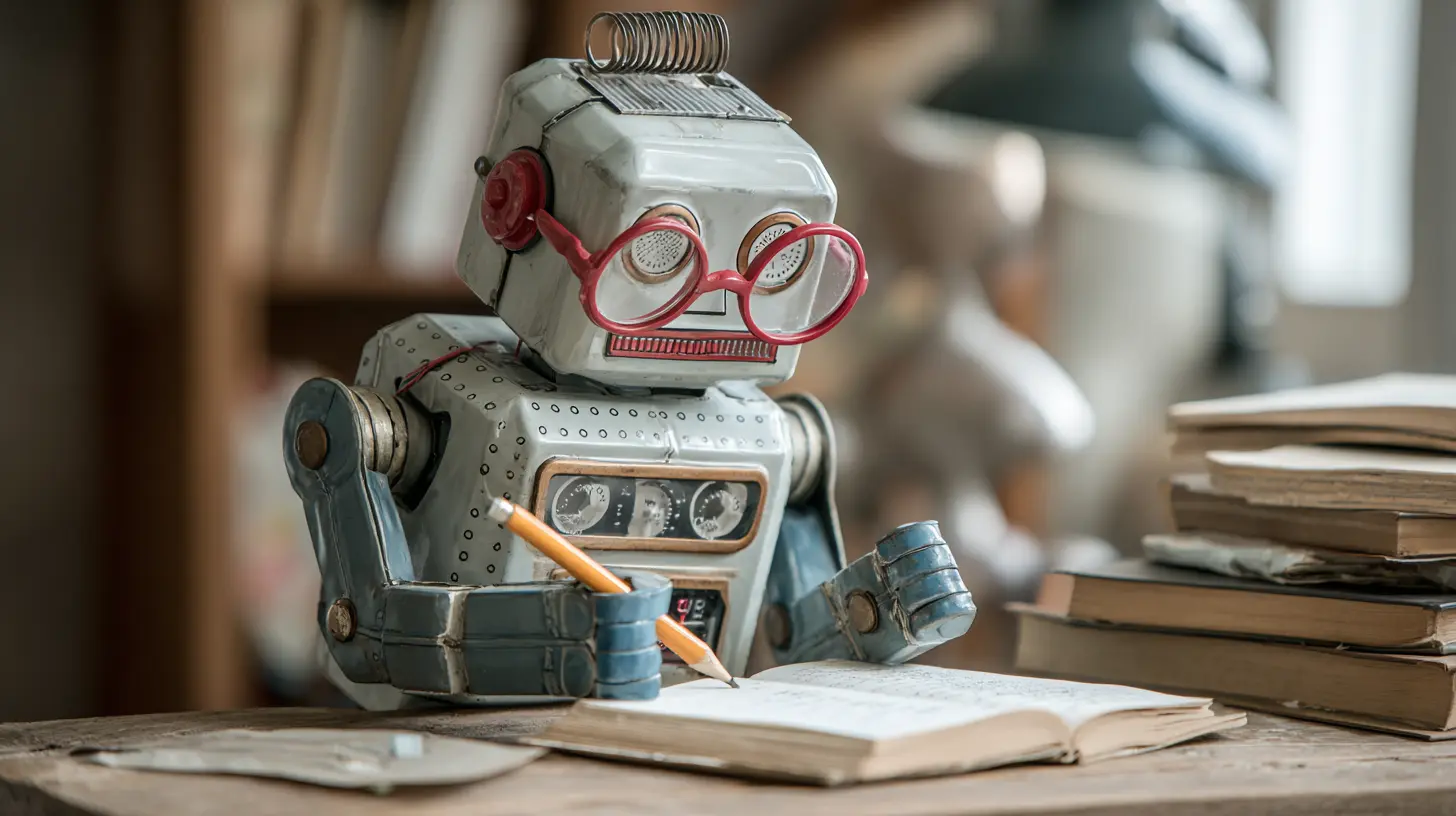
The Hybrid Model: What Works Best in Practice
The most effective approach, based on current evidence and classroom experience, is not a choice between human and machine. It is a partnership. The human tutor handles the big picture: motivation, emotional support, conceptual understanding, and study skills. The AI handles the repetitive, data-heavy parts: drill practice, vocabulary review, flashcard scheduling, and progress tracking.Imagine a realistic scenario. A high school student is preparing for a biology exam. The human tutor meets with them twice a week. During those sessions, they talk about the big ideas, the connections between systems, and the student's anxiety about the test. The tutor assigns a set of AI-driven practice questions for the other five days. The AI gives instant feedback and reports back to the tutor with a summary of which topics are weak. The tutor uses that report to plan the next session. This is not a replacement. It is an amplification.
This model works because it plays to each side's strengths. The AI does the grunt work without complaint. The human does the thinking and the caring. Parents should look for tutoring services that offer this kind of integration, rather than pure AI or pure human-only instruction. The key question to ask any provider is: How does the technology support the human tutor, and how does the human tutor override the technology when needed?
Common Mistakes Parents Make with Education Technology
Many parents fall into predictable traps when adopting AI tutors. The first is treating the app as a babysitter. They hand the tablet to the child and assume that engagement equals learning. But many educational apps are designed to be addictive, not instructive. They reward speed and streaks, which leads to shallow guessing. A child can "win" at a math game without actually understanding the concept. Parents need to check for depth, not just screen time.The second mistake is ignoring the emotional state of the child. If a child is already frustrated, an AI tutor will only add to the frustration. The machine cannot read the room. Parents must be the ones to say, "You have been at this for an hour. Take a break." That is a human judgment call that no algorithm can make.
The third mistake is expecting instant results. AI tutoring can produce quick gains in rote skills, but deep understanding takes time. Parents who see a good first week and then a plateau often abandon the tool too soon. They should look at the long-term trend, not the day-to-day score.
The fourth mistake is ignoring the social aspect of learning. Children learn a lot from watching how others approach problems. A human tutor can model thinking out loud, showing how to break down a complex problem, how to check your own work, and how to handle being stuck. An AI just gives the answer or a hint. It does not show the struggle. And the struggle is where the learning happens.
The Cost Question: Is AI Really Cheaper?
On the surface, a 20 dollar per month app is far cheaper than a 60 dollar per hour tutor. But the true cost is not just money. It is the value of the outcome. If the AI app does not work, the child falls further behind. Then the parents hire a human tutor to fix the damage, and that costs more than if they had hired the tutor in the first place. You get what you pay for, but you also pay for what you get.For families with a strong, motivated, and independent student, AI tools can be excellent supplements. They can keep a good student ahead of the curve. For a student who is struggling, unmotivated, or dealing with learning differences like ADHD or dyslexia, AI alone is usually insufficient. Those students need the human touch. They need someone who can adapt on the fly, change the lesson plan mid-session, and provide the emotional scaffolding that makes learning possible.
There is also a hidden cost in terms of parental time. An AI tutor requires setup, monitoring, and troubleshooting. Parents must review the reports, decide which practice to assign, and intervene when the child is stuck. This is not passive. It is active management. Many parents underestimate this and end up frustrated.
The Future: What Will Change in the Next Ten Years
Predicting the future is risky, but some trends are clear. AI will get better at recognizing speech and handwriting. It will become more conversational and more accurate. It will likely be able to simulate a conversation with a historical figure or a character from a novel, which could be a powerful tool for language arts and history. It will also become better at predicting when a student is about to give up, based on response time and error patterns.But the deeper challenges will remain. AI will not develop true empathy. It will not have a stake in a child's life. It will not feel pride when a student finally passes a difficult exam. Those feelings are what drive human tutors to go the extra mile, to stay late, to call a parent with good news, or to spend an extra hour preparing a custom lesson. This is not romantic sentiment. It is practical. A tutor who cares is a better tutor, and a machine that pretends to care is just a machine.
The more likely future is a world where the best tutoring is a blend. Human tutors will use AI as a tool, the way a doctor uses a stethoscope or a carpenter uses a power drill. The tool does not replace the professional. It makes the professional more effective. Tutors who refuse to use AI will become less competitive, but tutors who rely on AI alone will fail their students. The balance is everything.
Practical Advice for Parents Right Now
If you are considering education technology for your child, start with a clear goal. Are you trying to improve test scores, build confidence, or just keep them busy? These goals require different tools. For test prep, AI drills can be very effective. For confidence, you need a human who can cheerlead and coach. For busy work, any app will do, but you should not expect much learning.Next, try the tool yourself before giving it to your child. You need to see how it responds to wrong answers. Does it explain the mistake, or does it just show the correct answer? Does it adapt, or does it repeat the same problem? A good AI tutor explains the reasoning, not just the result. If you cannot understand the explanation, your child will not either.
Set limits on usage. A reasonable rule is no more than 30 to 40 minutes of AI tutoring per session, and no more than three sessions per week, unless the tool is being used for pure drill practice like flashcards. Beyond that, the returns diminish and the frustration increases. Also, always review the progress reports together with your child. Ask them what they found hard and why. That conversation is more valuable than any algorithm.
Finally, do not be afraid to fire the AI. If your child dreads using the app, if it causes tears or arguments, stop using it. There is no rule that says you must use technology just because it exists. A book, a whiteboard, and a patient parent can do more than the most sophisticated robot. The goal is learning, not novelty.
What Tutors Should Do to Stay Relevant
For professional tutors reading this, the message is not doom. It is adaptation. The tutors who will thrive are those who use AI to handle the administrative and repetitive parts of their job. Use an AI tool to generate practice problems, to track student progress, and to prepare reports for parents. This frees up your mental energy for the actual teaching.But you must also develop skills that AI cannot touch. Learn to ask better questions. Learn to read a student's body language. Learn to tell stories that make content memorable. Learn to connect the lesson to the student's personal interests. A student who loves soccer can learn statistics through soccer scores. A student who loves video games can learn narrative structure through game plots. This personalization is your edge. The AI can adapt difficulty, but it cannot know that a child is obsessed with dinosaurs or space.
You should also be transparent with parents about what AI can and cannot do. If a parent asks for an AI-only solution, be honest. Tell them that it can help with practice but not with understanding. This honesty builds trust, and trust is the foundation of your business.
The Bottom Line
Robots will not replace tutors, but they will change the job description. The future belongs to those who can combine the best of both worlds: the precision and patience of machines, and the warmth and wisdom of humans. For parents, the takeaway is simple. Do not be dazzled by technology. Be skeptical, be involved, and always ask what the child is actually learning. The best tutor, whether human or machine, is the one that makes the child believe they can improve. That belief is built by a human, not a program.
all images in this post were generated using AI tools
Category:
Parenting And TechnologyAuthor:

Max Shaffer
Discussion
rate this article
2 comments
Laura McFadden
This article raises important questions about the role of technology in education. While robots can assist with learning, the human connection in tutoring remains irreplaceable. Balance is key for effective education.
August 29, 2026 at 2:52 PM
Soren Bowers
This article raises important questions about the role of robots in education. While technology can enhance learning, the human touch is irreplaceable in tutoring.
August 23, 2026 at 3:36 AM
Max Shaffer
I appreciate your insight. Balancing technology and the human element is crucial for effective education. Robots can support learning, but they can't replace the personal connection that tutors provide.