Why Sibling Relationships Are Crucial for Emotional Growth
29 July 2026
Sibling relationships — they can be complicated, chaotic, and sometimes downright dramatic. But, underneath all the squabbles over toys, attention, or TV remotes, there's a goldmine of emotional learning happening. If you're a parent, aunt, uncle, or caregiver, you’ve probably witnessed the full spectrum of sibling dynamics. The truth is, these early relationships shape emotional intelligence in profound ways — and that's exactly what we’re digging into here.
In this post, we're unpacking why sibling relationships are so important for emotional growth. We’ll break down how brothers and sisters (or any sibling figures) help kids develop empathy, resilience, communication skills, and more.
Ready to dive in? Let’s talk siblings — both the adorable moments and the “who-hit-who-first” kind of chaos.
What Makes Sibling Relationships Unique?
There’s no other relationship quite like it. Think about it — siblings share parents, space, genes, and a whole lot of childhood memories. They're our first roommates, first best friends (and sometimes enemies), and often our first taste of what it means to love and fight deeply.Unlike friendships, you can’t just "break up" with a sibling. You’re in it for the long haul, and that stability creates an emotional testing ground — a safe space where children can push boundaries, learn to apologize, and understand forgiveness.
A Life-Long Bond
Sure, not all sibling relationships are perfect — far from it — but they’re usually the longest relationships we’ll ever have. Parents age. Friends come and go. But siblings? They're often walking beside us through all stages of life. This consistency plays a major role in emotional development.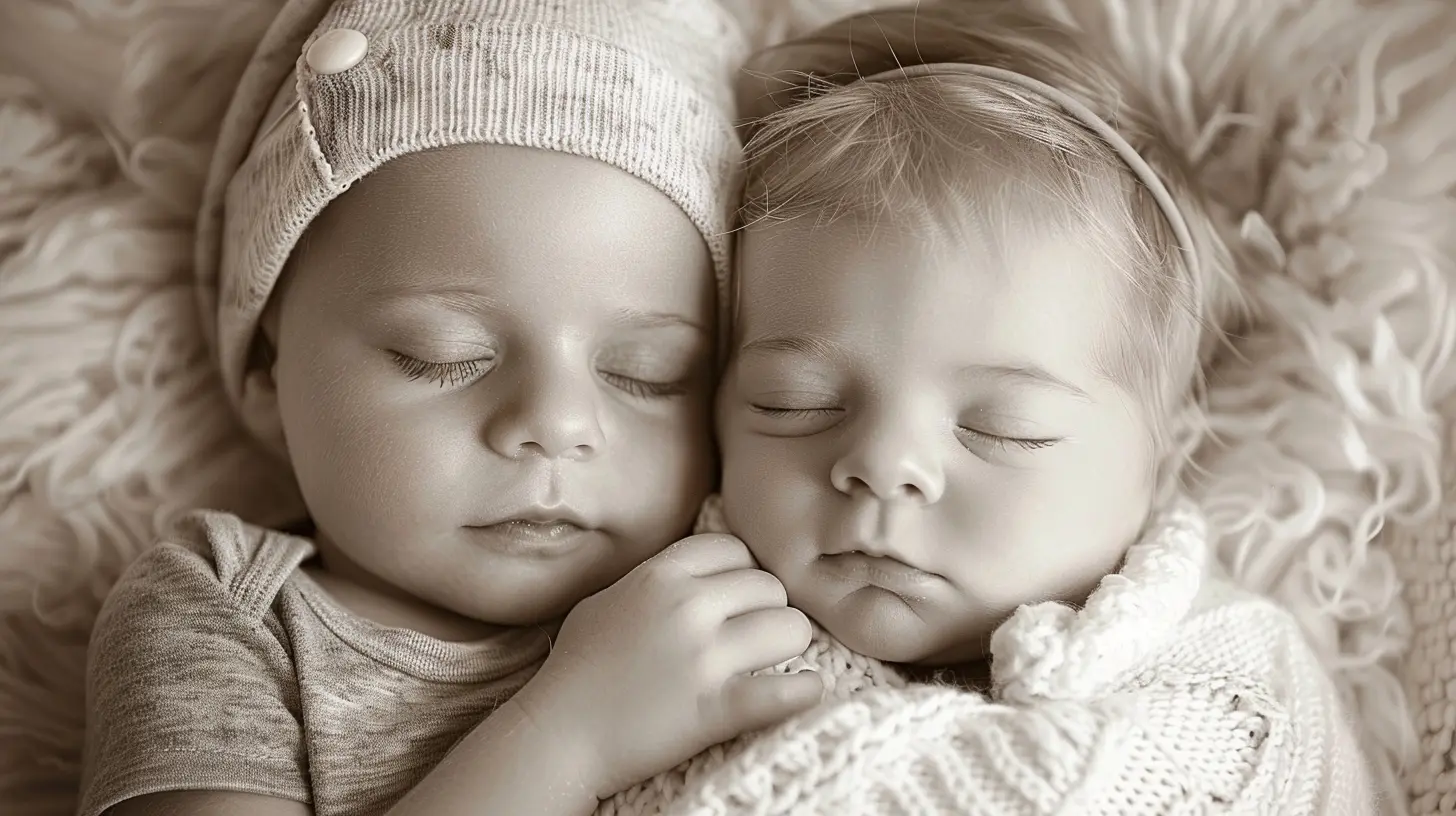
Emotional Growth Starts at Home
From toddlerhood to the teenage years (and beyond), emotional intelligence is constantly evolving. And guess who’s often front and center during that time? Yep — siblings.Here’s how these early relationships help kids grow emotionally.
1. Empathy in Action
When a younger sibling falls and cries, an older sibling may instinctively offer comfort — or, at first, maybe they laugh (hey, they’re still learning!). Over time, though, kids begin to internalize how others feel. They learn that comforting someone helps, that actions have emotional consequences, and that tears aren’t just noise — they're communication.Siblings give kids a front-row seat to emotions different from their own. They learn to see the world through someone else’s eyes — and that, right there, is empathy in action.
2. Conflict Resolution 101
Let’s be honest — sibling fights are legendary. From arguing about who gets the last cookie to full-blown meltdowns over nothing at all, conflict is inevitable. But here’s the bright side: it's an emotional boot camp.Kids learn:
- How to argue without crossing the line (eventually).
- How to negotiate and compromise.
- That apologies matter… and that saying sorry doesn’t mean you’re weak.
These early conflicts teach healthy boundaries and set the stage for managing relationships outside the home — at school, work, and beyond.
3. Building Resilience
Not getting your way? That’s frustrating. Being teased by a sibling? That can hurt. But these little emotional tests add up. Over time, kids toughen up — but not in a hardened, cold way. Instead, they develop resilience.Siblings teach each other to bounce back — to handle rejection, laughter at your expense, and even unfairness. It may not feel great in the moment, but these tiny trials build character.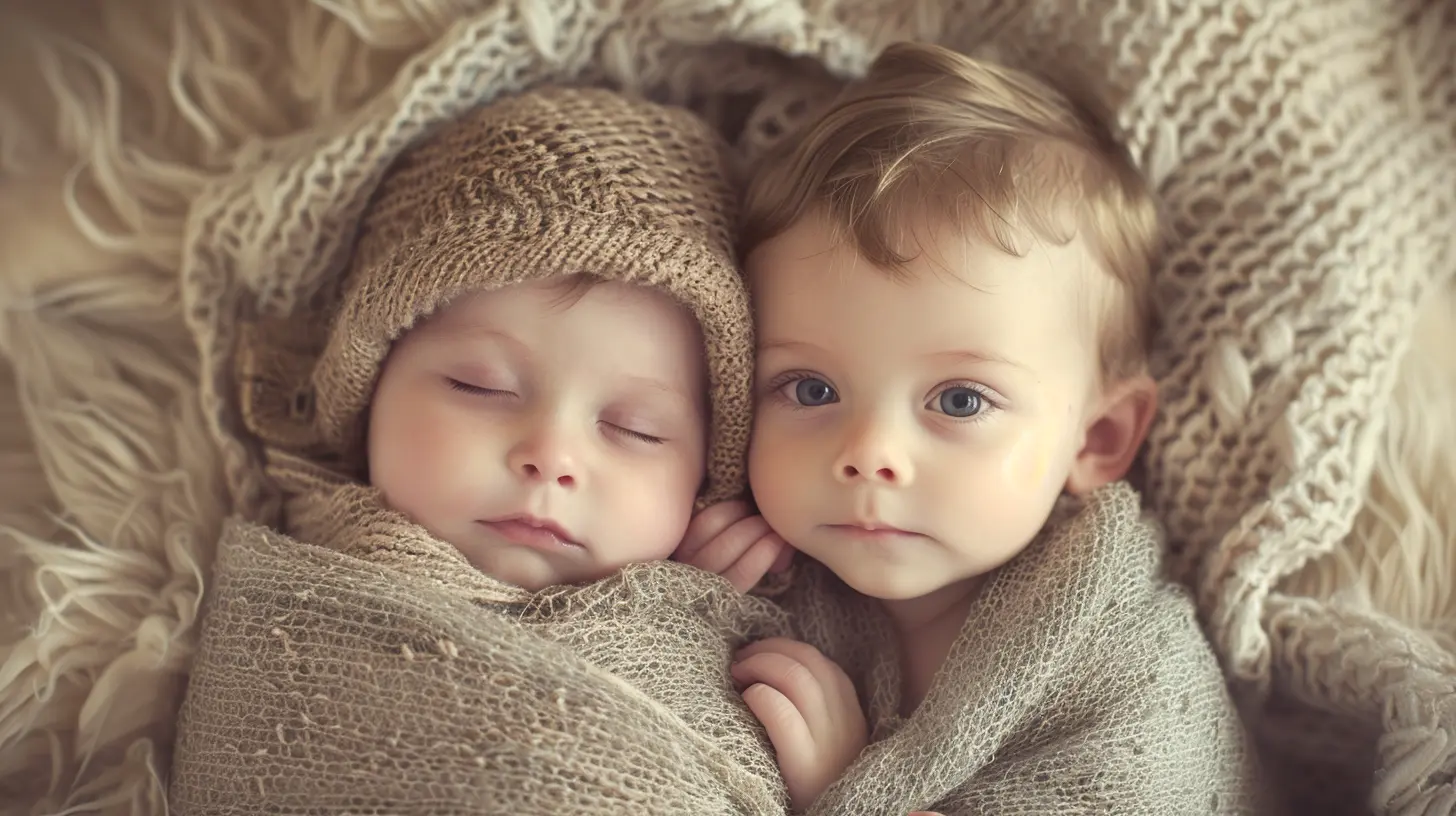
The Role of Birth Order and Age Gap
Ever heard someone say, “Oh, she's the middle child — that explains everything”? Or maybe you’ve seen how the firstborn takes on a ‘mini-parent’ vibe?Birth order and age gaps can strongly influence sibling dynamics — and how emotional growth plays out.
Firstborns: Natural Leaders (and Guinea Pigs)
Being the oldest often comes with higher expectations. They’re the first to walk, talk, head off to school — and parents often learn alongside them. This pressure can shape them into leaders, nurturers, or even perfectionists. But it also gives them a chance to develop responsibility and empathy for younger siblings.Middle Children: The Peacekeepers
Stuck in the middle? It’s not all bad. Middle children often learn the art of compromise early on. They navigate relationships from both above and below, which can make them more emotionally attuned to others.Youngest: The Free Spirits
The baby of the family might get away with more, sure — but they also learn from everyone else. They tend to be more flexible, more social, and sometimes more emotionally expressive.Twins and Close-Age Siblings
When there’s not much of an age gap, kids often grow up more like peers than younger/older roles. This can lead to deeper companionship — and yes, more competition. But that competition can fuel emotional maturity as they navigate close comparisons and shared experiences.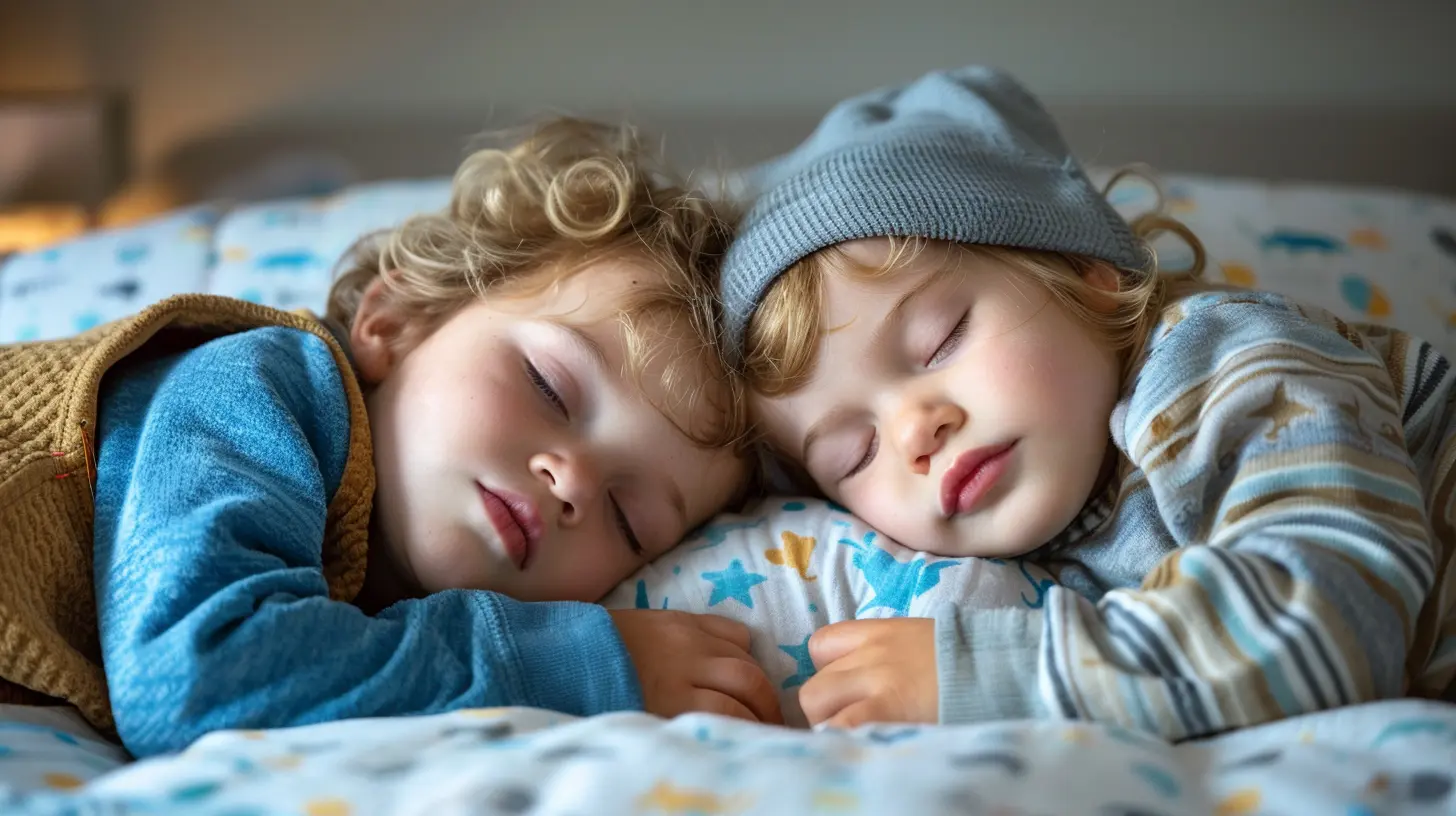
How Sibling Dynamics Foster Emotional Intelligence
Emotional intelligence (EQ) isn’t just a buzzword. It’s a key life skill — and siblings play a crucial role in shaping it.Self-Awareness
Siblings are often quick to point out your flaws — whether you want them to or not. While brutal at times, these observations can actually foster self-awareness. Kids start to notice how their behavior affects others, how they react under stress, and what triggers their emotions.Emotional Regulation
Picture this: Your son is fuming because his sister stole his favorite toy. He wants to scream, throw it, maybe even punch a pillow. But over time, he learns to pause — to talk it out or go cool off. That’s emotional regulation in the making.These skills aren’t just innate. They’re built, often through trial and error, and siblings provide endless opportunities for that practice.
Social Skills
Siblings are like built-in social training partners. From sharing to storytelling to negotiating bedtime routines — every interaction builds social muscles.Better yet? These kids take those skills into school, friendships, and eventually the workplace.
When Sibling Rivalry Turns Toxic
Okay, let’s get real for a second. Not all sibling interactions are growth opportunities. Sometimes, rivalry can cross the line into bullying or emotional distress.Warning signs include:
- Constant, aggressive behavior (not just play-fighting)
- Regular put-downs or name-calling that affects self-esteem
- One sibling always feeling like the “bad” or “unwanted” one
In these cases, adult intervention is key. Healthy emotional growth can only happen in a space where children feel safe, respected, and heard — even when they’re mad at each other.
How Parents Can Support Healthy Sibling Relationships
You’re the referee, coach, and team manager all at once. No pressure, right?Here's how you can encourage sibling bonds that support emotional growth:
1. Don’t Always Jump In
It’s tempting to settle every argument, but sometimes, let them work it out. Conflict resolution is a skill they need to learn — and mistakes are part of the process.2. Model Emotional Intelligence
Kids are always watching. If you blow up, hold grudges, or avoid communication, they’ll mirror that. But if you show empathy, apologize when you’re wrong, and stay calm during chaos, you're teaching by example.3. Avoid Comparisons
Saying “Why can’t you be more like your brother?” might seem harmless, but it can drive a wedge between siblings. Focus on each child’s unique strengths instead of fueling competition.4. Create Shared Experiences
Whether it’s movie night, building a blanket fort, or a sibling scavenger hunt, shared positive moments create emotional ties. These memories become emotional anchors during harder times.Long-Term Benefits of Strong Sibling Bonds
Still wondering if all those sibling antics are worth it? Here’s the long game: strong sibling relationships can lead to higher emotional security in adulthood. They become:- A source of life-long support
- A sounding board for your struggles
- A reminder of who you are and where you came from
And even if they're not always best friends, siblings often provide emotional grounding — a sense that you’re not alone in the world.
Final Thoughts
Sure, not all sibling relationships look like a Hallmark card. There will be brawls, tears, and dramatic door slams. But amid all that, something beautiful is happening: your children are growing emotionally.They’re learning to feel deeply and care about others. They’re figuring out how to express themselves, bounce back, and connect. And best of all? They’re doing it together — figuring out this messy, magical thing called life side-by-side.
So next time you hear bickering down the hall, take a breath. It might just be the sound of emotional growth in action.
all images in this post were generated using AI tools
Category:
Sibling BondingAuthor:

Max Shaffer
Discussion
rate this article
1 comments
Reece Acevedo
What a wonderful read! Sibling relationships truly shape our emotional development in so many ways. The bond they share teaches valuable lessons about empathy, conflict resolution, and support. It's amazing how these early experiences influence their future connections. I love seeing my kids learn and grow together!
July 30, 2026 at 3:17 AM
Max Shaffer
Thank you! I'm glad you enjoyed the article. Sibling bonds really do lay the foundation for so many essential life skills. It's heartwarming to see how your kids are learning from each other.