What to Expect When Your Toddler Starts Talking
20 August 2026
The moment your toddler says their first recognizable word, something shifts. You lean in closer, you repeat it back, you text the grandparents. It feels like the beginning of a whole new relationship. And it is. But what follows that first "mama" or "dada" is rarely a straight line. It is a messy, uneven, sometimes frustrating, and often hilarious process that lasts for years. Knowing what actually happens during this phase can save you from unnecessary worry and help you support your child in ways that matter.
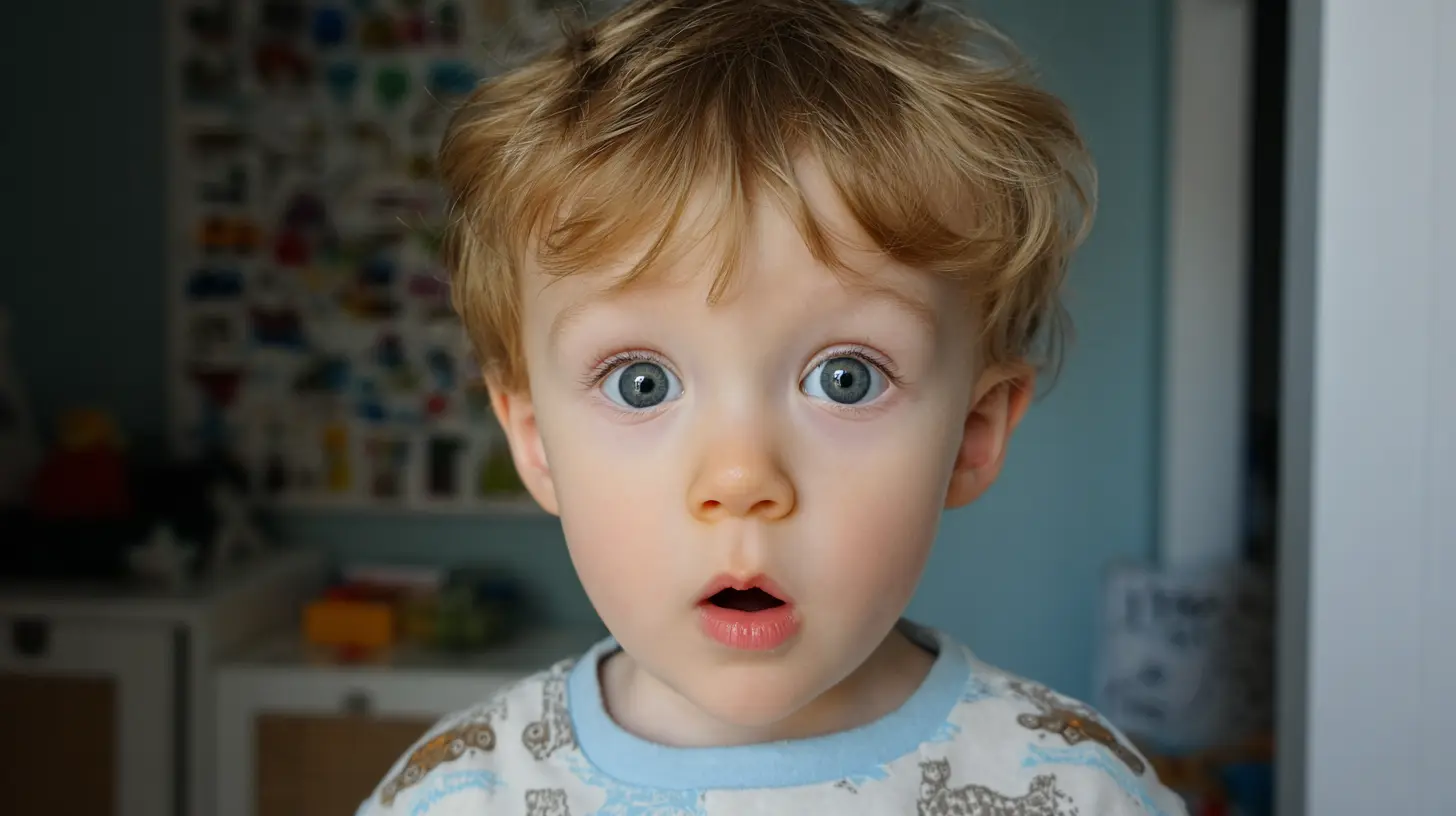
The First Words Are Not the Starting Line
Most parents mark the start of talking with that first clear word, usually around twelve months. But the real groundwork begins much earlier. From birth, your baby is listening to the rhythm of your voice, distinguishing vowel sounds, and learning that certain mouth movements produce certain noises. By six months, they are babbling with intent, stringing together consonant-vowel combinations like "ba-ba" or "da-da." This is not random noise. It is practice.When your toddler says their first word, they are not simply labeling an object. They are discovering that sounds have power. That "milk" gets them milk. That "up" gets them picked up. This is a profound cognitive leap. The word is a tool, not just a sound. Understanding this distinction changes how you respond. When your child points at a cup and says "wa-wa," they are not testing you. They are using language to solve a problem. Your job is to acknowledge the success, not correct the pronunciation.
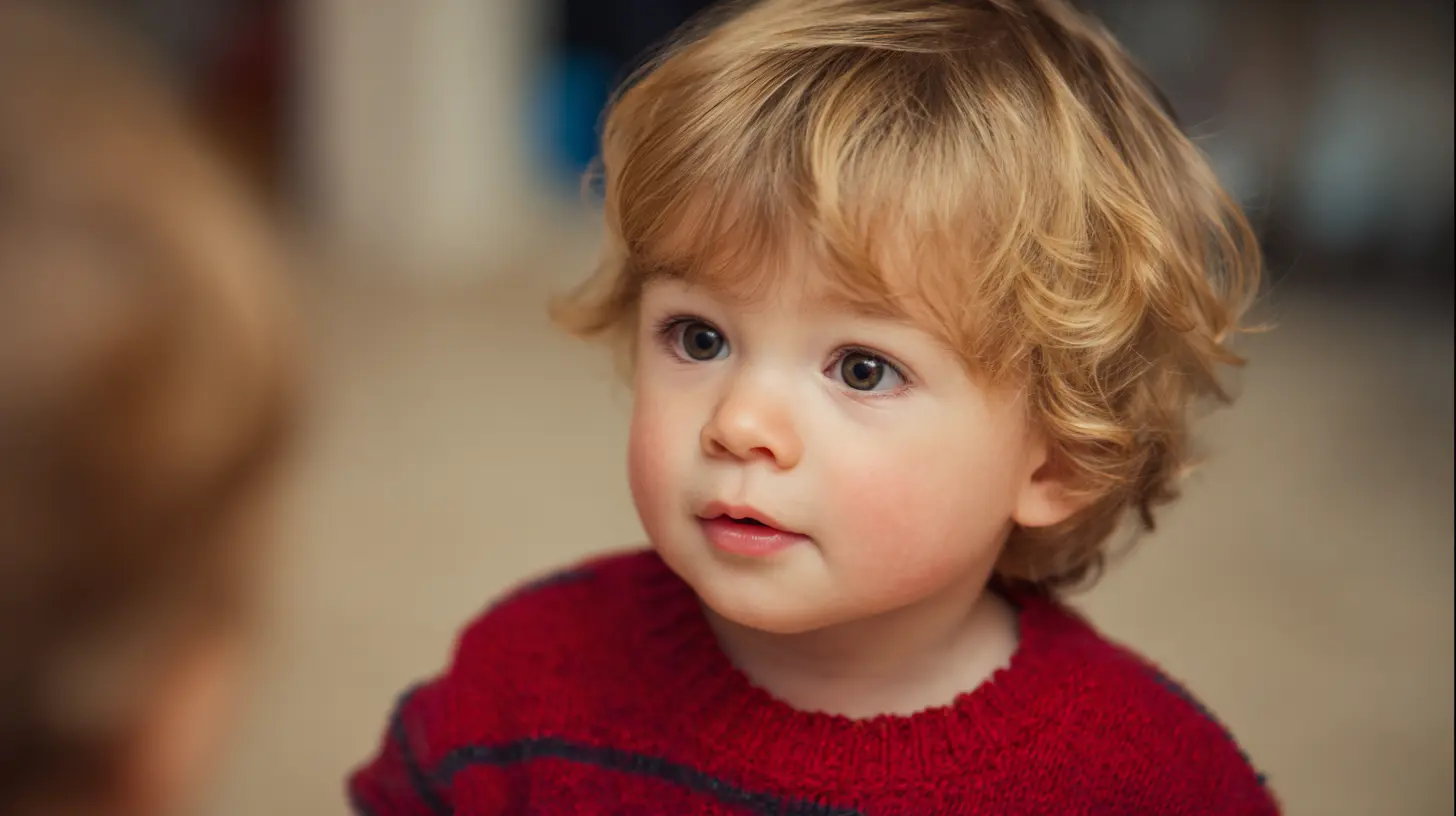
The Vocabulary Explosion Is Real, But Uneven
Around eighteen months, something remarkable happens. The pace of word learning accelerates dramatically. Many toddlers go from a handful of words to fifty or more in a matter of weeks. This is often called the vocabulary spurt. It is real, but it is also highly individual. Some children add words slowly and steadily. Others seem to wake up one morning with a hundred new words. Both are normal.What surprises many parents is the unevenness of this growth. Your toddler might know the word for "stegosaurus" but not "apple." They might say "dog" for every four-legged animal for months. This is called overextension, and it is a sign of intelligence, not confusion. Your child is categorizing the world and testing hypotheses. When they call a cow a "dog," they are not wrong in their mind. They are saying "that thing that looks like a dog." Gently offering the correct word without making a fuss helps them refine their categories.
The flip side is underextension. Your child might use "blankie" only for their specific blanket, not for any blanket. This is also normal. They are building precise associations before they generalize. Neither overextension nor underextension is a red flag. They are simply the messy process of learning.
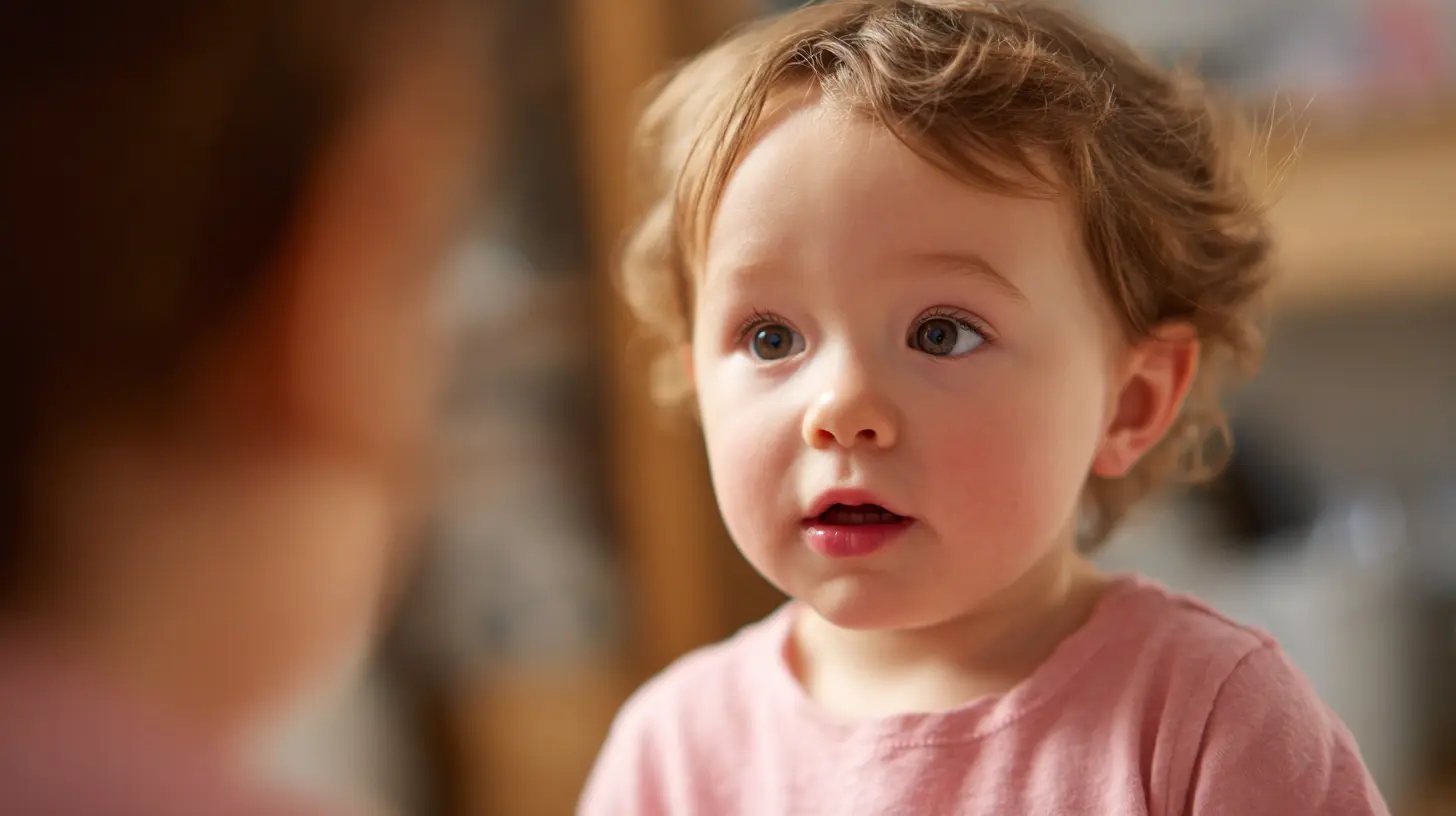
Pronunciation Is a Process, Not a Problem
You will hear a lot of cute mispronunciations in the coming months. "Pasghetti" for spaghetti. "Nana" for banana. "Truck" becoming "fuck" much to your horror in the grocery store. This is not laziness or a speech disorder. It is a motor skill issue. The tongue, lips, and jaw are not yet coordinated enough to produce every sound correctly.Here is what you need to know about the timeline. Most toddlers can be understood about fifty percent of the time by strangers by age two. By age three, that number jumps to around seventy-five percent. Some sounds are harder than others. The "r" sound, "l," "s," "th," and "sh" often take until age five or six to master. The "k" and "g" sounds, which require the back of the tongue to lift, are also late bloomers.
The biggest mistake parents make is constantly correcting pronunciation. If your child says "wabbit" and you say "no, say rabbit," you are interrupting the flow of communication. You are telling them they failed. Instead, model the correct pronunciation naturally. If they say "look at the wabbit," you say "yes, look at the rabbit. The rabbit is hopping." This is called recasting. It gives them the correct model without making them feel wrong. Over time, their brain and mouth will catch up.

The Gap Between Understanding and Speaking Is Huge
This is the most important concept to grasp. Your toddler understands far more than they can say. At eighteen months, a typical child understands around two hundred words but can only say about fifty. This gap is called receptive versus expressive language. Receptive is what they understand. Expressive is what they produce.This gap explains a lot of frustrating behavior. Your toddler might ignore your request to "put the blocks in the bin" not because they do not understand, but because they cannot yet formulate a response. They might scream and point at the pantry because they know they want a snack, but the word "cracker" is not available to them. This is not defiance. It is frustration.
When you understand this gap, you can adjust your expectations. You can give your child time to respond. You can narrate what they are experiencing. You can say "you want the cracker. Here is the cracker." This builds the bridge between understanding and speaking. It also reduces tantrums, because many tantrums at this age are simply failed communication attempts.
The Role of Gestures and Nonverbal Communication
Before words become fluent, gestures carry a massive load. Pointing is the big one. When your toddler points at something, they are engaging in joint attention. They are saying "look at that with me." This is a foundational skill for language. Children who point early and often tend to have richer vocabularies later. This is not a coincidence. Pointing shows that your child understands that you have a mind that can share their focus.You should point too. Point at objects, name them, and wait for your child to look. This teaches them that words are attached to things in the world. You should also use gestures like waving, nodding, and shaking your head. These are all pre-verbal communication tools that make the transition to spoken language smoother.
Some parents worry that using sign language with a toddler will delay speech. This is a myth. Baby sign language, when used correctly, actually reduces frustration and can accelerate spoken language. The reason is simple. Signing gives the child a way to express themselves before their mouth is ready. The brain is ready for language long before the vocal apparatus is. If your child can sign "more" or "all done," they are less likely to scream when they need something. And when they do start speaking, they often drop the signs naturally because speech is more efficient.
What Counts as a Word
This is a trickier question than it seems. Does "ba" for ball count? What about "moo" for cow? What about a consistent sound that only you understand? The general rule is that a word counts if it is used consistently, intentionally, and in a specific context. If your child says "ba" every time they see a ball, that is a word. If they say "ba" randomly while playing, it is not yet.Animal sounds are a special category. Many toddlers learn "moo," "woof," and "quack" before they learn the actual animal names. This is completely normal and actually quite useful. Animal sounds are fun, they are easy to produce, and they are highly motivating. Do not worry that your child knows "moo" but not "cow." The concept is there. The specific label will follow.
You should also count approximations. If your child says "nana" for banana consistently, that is a word. If they say "gog" for dog, that is a word. You do not need to hold them to adult standards. The goal is communication, not perfection.
The Two-Word Stage and Telegraphic Speech
Somewhere between eighteen and twenty-four months, most toddlers start combining words. "More milk." "Daddy go." "Mommy shoe." This is called telegraphic speech because it sounds like a telegram, leaving out all the small connecting words. It is a major milestone. Your child is not just labeling things anymore. They are expressing relationships between things.This is where language gets interesting. Your child is now making grammar decisions, even if they do not know it. They are learning word order. In English, we say "more milk," not "milk more." Your child is absorbing these rules from hearing you speak. This is why talking to your child in full sentences matters, even when they respond in two-word phrases. They are building a mental grammar from your input.
Do not correct their grammar at this stage. If your child says "I goed to the park," do not say "no, it is went." Just say "yes, you went to the park. That was fun." The errors will resolve on their own as their brain matures. Correcting them only makes them self-conscious. And self-conscious children talk less.
The Frustration Window and How to Handle It
There is a particularly brutal period that many parents are not prepared for. It usually hits between eighteen and twenty-two months. Your child knows what they want to say, but the words will not come out. They point, they grunt, they scream, they cry. You have no idea what they want. They are furious. You are furious. It is a mess.This is the frustration window. It happens because the receptive language (what they understand) is racing ahead of the expressive language (what they can say). The gap is at its widest right now. Your child has complex thoughts and simple tools.
The best strategy is to slow down and narrate. Say "you are pointing at the shelf. You want something up there. Is it the book? No? The toy? Oh, the ball. You want the ball." This is not just guessing. You are teaching your child that words can solve problems. You are also showing them that you are trying to understand, which reduces their panic.
Another strategy is to offer choices. "Do you want the ball or the book?" This gives your child a simple two-word response they can attempt. It also gives them a sense of control. Avoid the urge to say "use your words" when they are already overwhelmed. If they could use their words, they would. They are not being lazy. They are being stuck.
The Difference Between a Late Talker and a Speech Delay
This is where parents get anxious, and rightly so. The line between "he will talk when he is ready" and "we need to see a professional" is blurry. Here is what you need to know.A late talker is a child who is behind on expressive language but normal on receptive language and all other developmental milestones. They understand everything. They point, they gesture, they follow directions. They just are not talking yet. Most late talkers catch up by age three or four without any intervention. The research on this is fairly reassuring.
A speech delay is different. It means the child is behind on both expressive and receptive language. They do not seem to understand what you are saying. They do not point or gesture to communicate. They have limited babbling. This warrants professional evaluation.
There are also red flags to watch for at any age. If your child loses words they previously had, that is a concern. If they do not respond to their name by twelve months, if they do not babble by nine months, if they have no words by eighteen months, if they do not combine words by twenty-four months, these are reasons to talk to your pediatrician. Early intervention is powerful. It is always better to get an evaluation and be told everything is fine than to wait and miss a window.
How to Talk to Your Toddler to Build Language
You do not need flashcards. You do not need special apps. You need to talk. But the quality of your talk matters.First, get down to their level. Sit on the floor. Make eye contact. When your face is close to theirs, they can see your mouth. They can watch how your lips form sounds. This is visual information that helps them replicate sounds.
Second, use parentese. This is not baby talk. Parentese is the natural way adults speak to babies, with a higher pitch, slower pace, and exaggerated intonation. It is not "goo goo ga ga." It is "look at the doggie, what a big doggie." Research consistently shows that parentese captures attention and helps language development. It is not silly. It is effective.
Third, narrate your day. Talk about what you are doing as you do it. "I am chopping the carrots. The carrots are orange. Now I am putting them in the pot." This might feel strange at first, but it is how children learn the words for everyday actions and objects. You do not need to be a constant commentator, but a running narrative during routines like meals, baths, and dressing is incredibly valuable.
Fourth, expand on what they say. If your child says "dog," you say "yes, the dog is brown. The dog is barking." This is called expansion. You are taking their one word and giving them a full sentence. You are not correcting them. You are showing them the next step.
The Screen Question
Every parent asks about screens. The answer is nuanced. Video calls with grandparents are fine and can be beneficial. Watching a short educational show with you while you talk about it is probably fine. But handing your toddler a tablet to watch videos alone is not helpful for language development.The reason is simple. Language is learned in interaction. Your child needs to see your face, hear your voice, and respond to you. A screen cannot do this. Even the best educational videos are passive. The child is not participating. They are not taking turns in a conversation. They are not getting feedback on their own sounds.
If you do use screens, use them together. Watch a show and pause it to ask questions. "What is that? A cow. What does the cow say?" This turns passive viewing into an interactive experience. But the bulk of language learning should happen in the real world, with real people, doing real things.
The Social Side of Talking
Talking is not just about vocabulary. It is about connection. When your toddler starts talking, they are learning how to be a social being. They are learning to greet people, to ask for things, to protest, to share their thoughts. This is where you start to see their personality emerge in words.You will notice that your toddler talks more to you than to strangers. This is normal. You are their safe person. They know you will try to understand them. Strangers are unpredictable. Do not push your child to perform for relatives. "Say hi to Grandma" can feel like a demand. Instead, model the greeting yourself and let your child join in when they are ready.
You will also notice that your toddler talks more when they are comfortable. A tired, hungry, or overstimulated toddler will not produce their best language. If you want to hear your child talk, make sure they are well-rested and calm. The car ride home from daycare might be a quiet time. The bathtub might be a chatty time. Learn your child's rhythms and work with them.
Common Mistakes Parents Make Without Realizing It
The biggest mistake is anticipating every need. If your toddler points at the fridge, and you immediately open it and hand them the juice, they have no reason to speak. They got what they wanted without using a word. This is not about being mean. It is about creating opportunities. Next time, pause. Say "you want something. What do you want?" Give them a chance to try a word. If they cannot, say "juice? You want juice?" and then give it to them. You are creating a small gap for language to fill.Another mistake is asking too many questions. "What is this? What color is this? What sound does this make?" This can feel like a quiz. Children quickly learn to tune out or get frustrated. Instead of quizzing, comment. "This is a red truck. The truck is big." This provides information without pressure.
A third mistake is comparing your child to others. Your neighbor's child is the same age and says full sentences. Your child says two words. This comparison is almost always useless. Children develop language on wildly different timelines. The child who talks early is not smarter. The child who talks late is not behind. What matters is progress over time, not comparison at a single point.
When to Worry and When to Wait
This is the hardest part for most parents. Here is a practical framework. If your child is meeting receptive milestones, if they are engaging socially, if they are making progress even if slow, you can usually wait and watch. If your child is not understanding, not pointing, not showing interest in communication, or if they are losing skills, do not wait.Trust your gut. If you are worried enough to be reading this article, you are paying attention. That is good. Talk to your pediatrician. Ask for a referral to a speech-language pathologist. An evaluation is not a commitment to therapy. It is just information. And information is always better than worry.
The good news is that most toddlers do start talking, and most of them catch up. The process is messy, but it is also miraculous. Watching your child go from babbling to naming the world is one of the great joys of parenting. The frustration is real, but so is the wonder. Your child is learning to tell you who they are. That is worth the wait.
all images in this post were generated using AI tools
Category:
Parenting MilestonesAuthor:

Max Shaffer
Discussion
rate this article
1 comments
Sophie Navarro
Get ready for the wild ride. Your toddler's vocabulary will shock you, confuse you, and probably make you question your sanity... good luck!
August 26, 2026 at 3:35 AM
Max Shaffer
Thanks for the heads up! I'm ready for the surprises ahead.