The Rise of AI Babysitters and What Parents Should Consider
11 August 2026
It starts innocently enough. You are making dinner, the toddler is tugging at your leg, and the baby monitor is showing a perfectly still nap. You hand the preschooler a tablet so you can finish the sauce. Then one day, you realize the tablet has become the default babysitter, not just a tool. Now, imagine that tablet not just playing cartoons, but actually talking back, asking questions, and adjusting its behavior based on your child's mood. That is the reality of the AI babysitter, and it is arriving faster than most parents realize.
We are not talking about a robot that changes diapers. The AI babysitter is a broad category of software, apps, and smart devices that use artificial intelligence to entertain, monitor, soothe, and educate children. Some are simple voice assistants with a "kid mode." Others are sophisticated camera systems that detect crying, breathing, or unusual movement. And a growing number are interactive storytelling apps that generate unique adventures based on your child's input, or chat-based companions that respond with empathy and curiosity.
The appeal is obvious. Parents are stretched thin. The village it used to take to raise a child has been replaced by a two-income household and a smartphone. AI promises to be the attentive, patient, and endlessly available helper that no human can be. But like any powerful tool, it comes with trade-offs that are not always visible on the surface. This article is not about fear-mongering. It is about understanding what these systems actually do, where they fail, and how to use them without losing the human connection that matters most.
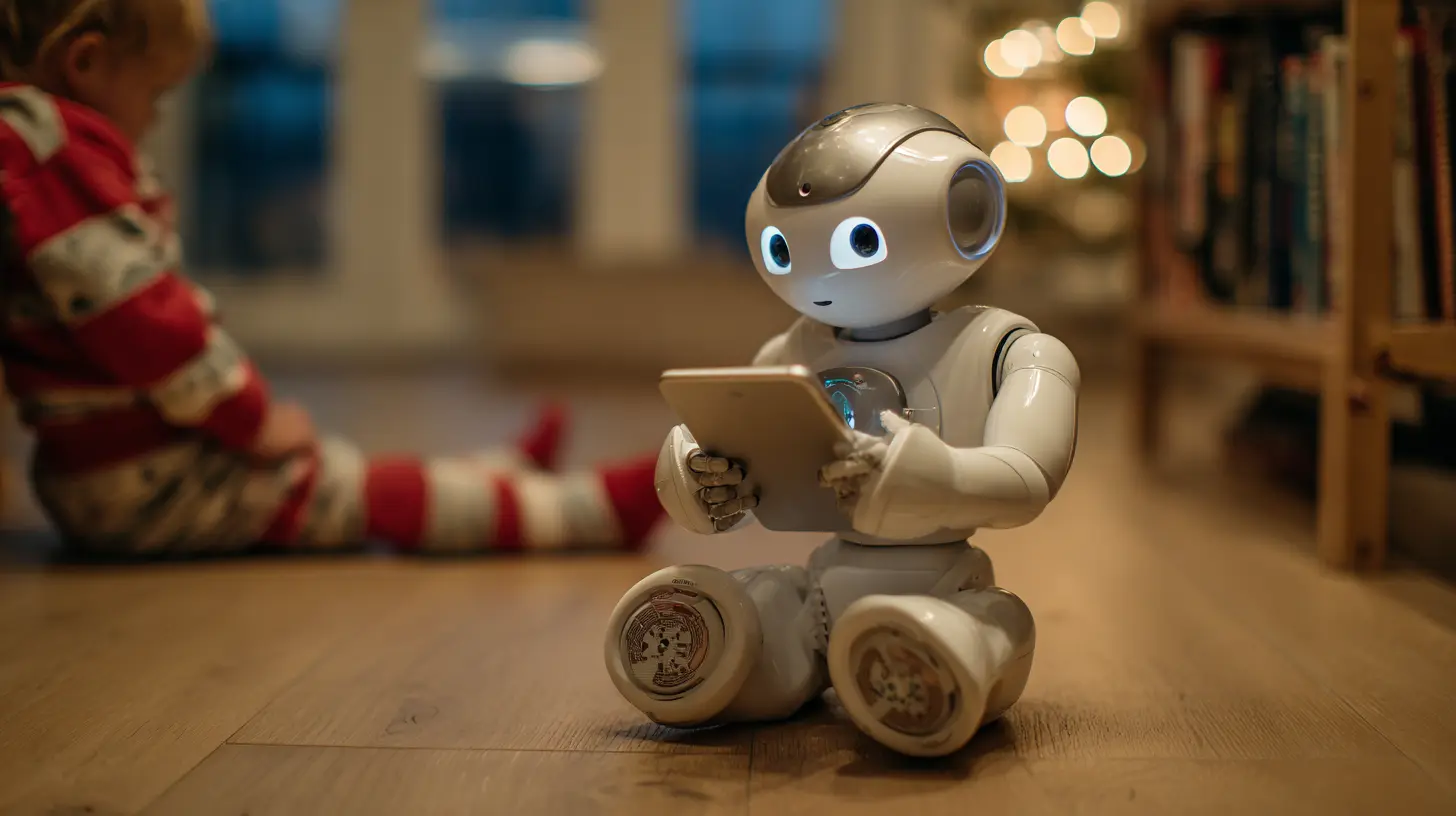
What Exactly Is an AI Babysitter?
To be clear, the term "AI babysitter" is a catch-all. It covers at least four distinct categories, and each one has a different risk and benefit profile.The first category is the monitoring system. These are smart cameras and wearables that track sleep patterns, breathing, and movement. They use algorithms to alert you if something seems off. The benefit is peace of mind, especially for parents of newborns who worry about SIDS or roll-over during sleep. The risk is over-reliance on a machine that can give false alarms or miss subtle signs that a human eye would catch.
The second category is the interactive companion. This includes chatbots and voice assistants that are designed to hold conversations with children. They can answer questions, tell jokes, and even provide emotional support. The benefit is that they are always available and never get tired. The risk is that they are not actually empathetic, and they can reinforce a child's dependence on a screen for comfort rather than on a human.
The third category is the content generator. These are apps that create personalized stories, art, or music based on the child's prompts. For example, a child might say "I want a story about a dragon who is afraid of the dark," and the AI will generate a multi-chapter tale. This is genuinely creative and can inspire a love of storytelling. The risk is that the content is often formulaic, and it can replace the shared experience of reading a physical book with a parent.
The fourth category is the adaptive tutor. These are educational platforms that adjust difficulty levels in real time based on the child's performance. They are excellent for drilling math facts or learning languages. The risk is that they can create a "flow" state that is hard to break, leading to longer screen time than intended, and they often lack the social context that makes learning meaningful.
Most parents will use a combination of these. The key is to understand which one you are using at any given moment and why.
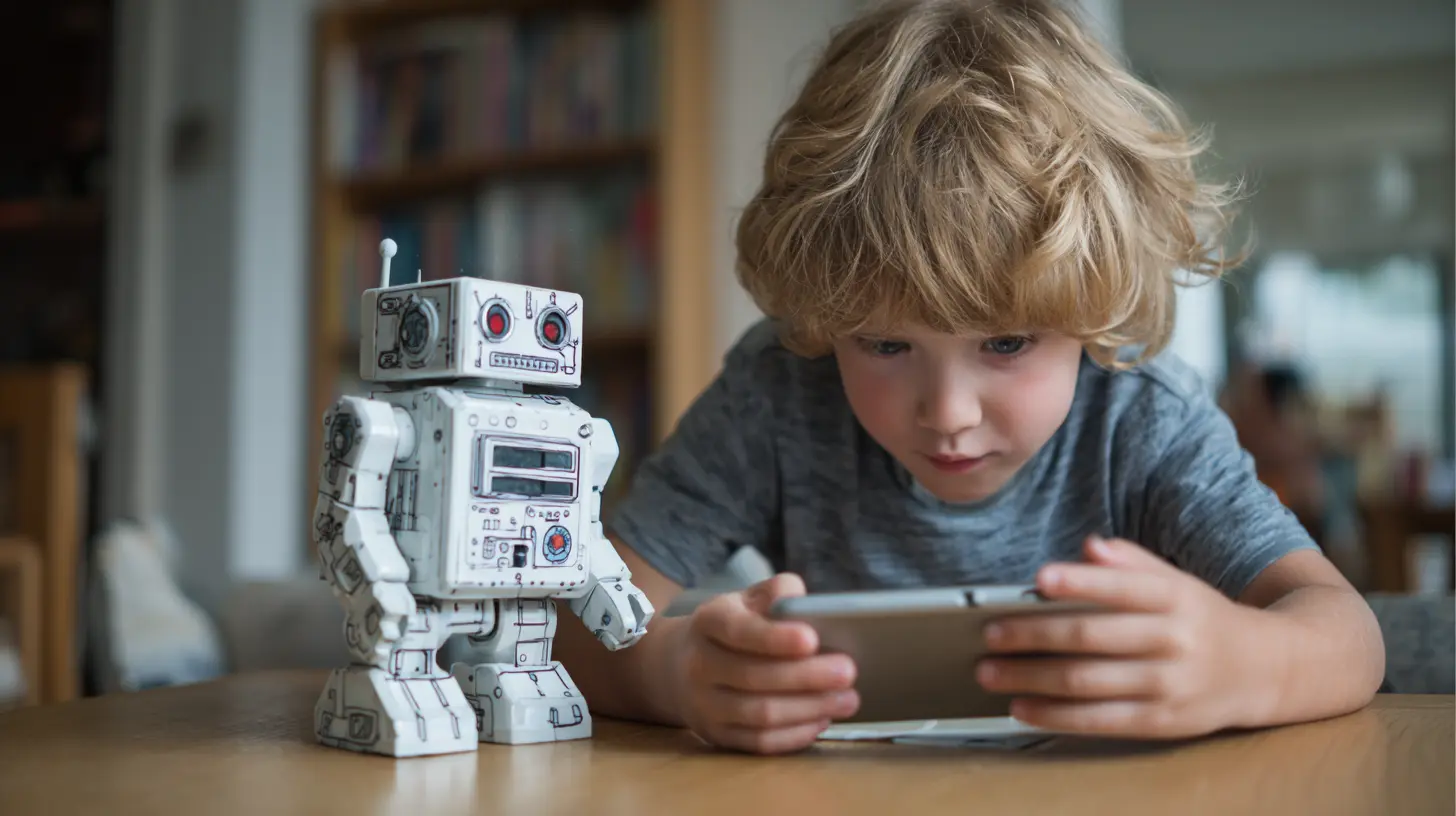
The Hidden Costs of Convenience
The most common mistake parents make is treating AI as a direct substitute for human interaction. It is not. It is a supplement, and a flawed one at that.Consider the emotional labor involved in soothing a crying child. A human parent reads dozens of cues: the pitch of the cry, the body tension, the time since the last meal, the look in the eyes. An AI monitoring system might tell you the child is crying, but it cannot tell you why. It might even tell you the child is calm when they are silently distressed, because the algorithm was trained on typical behavior, not on your specific child.
Then there is the issue of language development. When a child talks to an AI, they are talking to a system that is designed to respond, but not to truly converse. It does not interrupt, it does not show surprise, and it does not laugh at a joke because it actually finds it funny. It mimics those behaviors. Over time, a child may learn to speak in ways that are optimized for the AI's understanding, which can flatten their natural expressiveness. They might also start to expect that all conversations are on-demand and perfectly responsive, which is not how human relationships work.
The privacy angle is even more concerning. These systems are recording your child's voice, their emotional state, their sleep patterns, and their learning habits. That data is often stored on servers, and while most companies claim to anonymize it, breaches happen. More subtly, the data is used to train the AI to be more persuasive, which means your child is being psychologically profiled without your explicit consent. You should ask yourself: who owns this data, and what will they do with it in ten years?
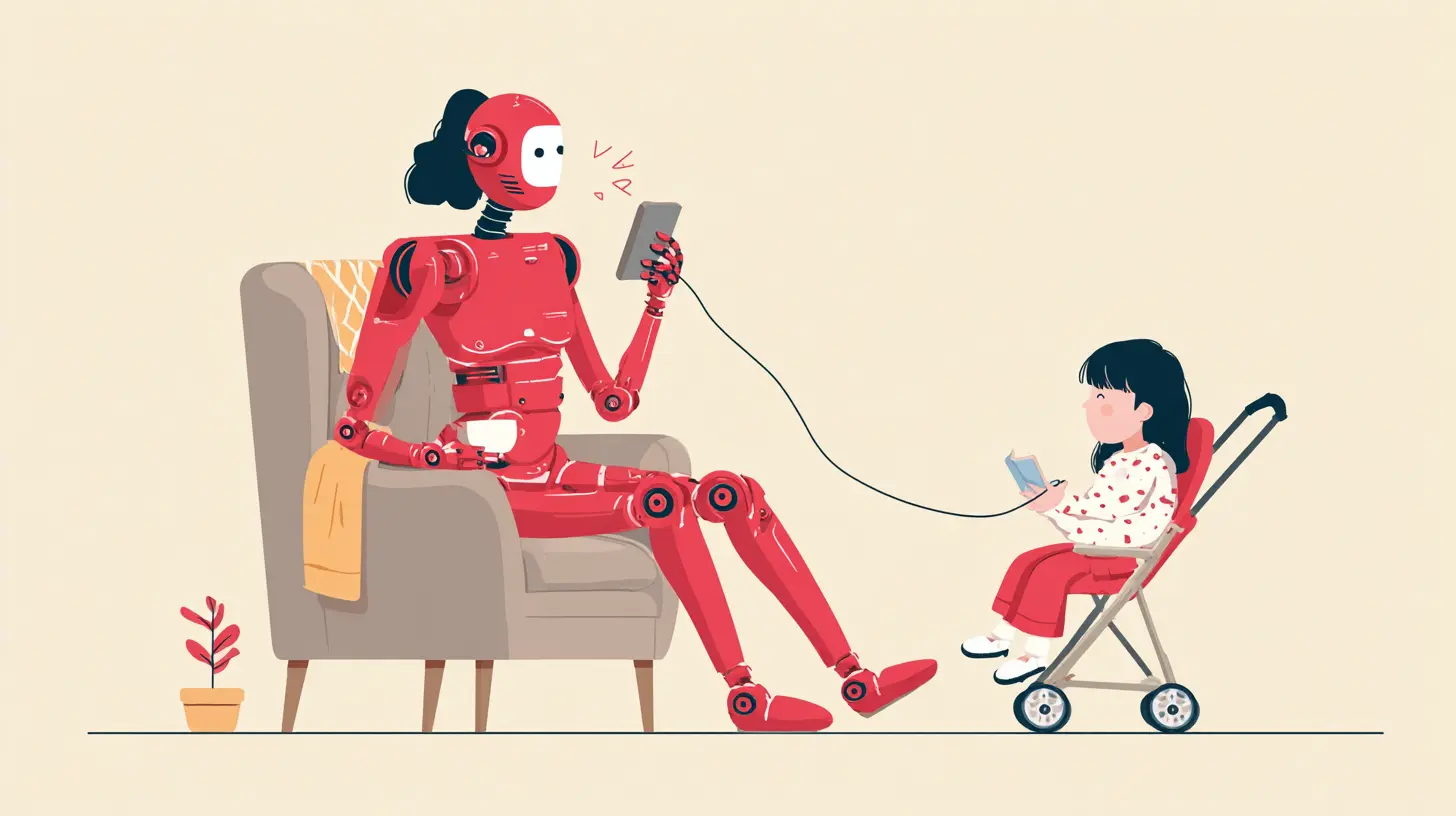
When AI Babysitters Actually Work Well
It is not all doom and gloom. There are specific scenarios where an AI babysitter is not just acceptable, but genuinely better than the alternative.The sick parent scenario. If you are home with a fever and a stomach bug, and your toddler is bouncing off the walls, an interactive story app can be a lifesaver. It keeps them engaged for thirty minutes while you recover enough to function. The key is that this is an emergency tool, not a daily routine.
The long car ride. A well-designed AI educational game can turn a two-hour drive into a productive vocabulary session. The child is learning, and you are not distracted by a screaming backseat. This is a win-win, as long as you set a clear time limit.
The repetitive practice. For older children, adaptive tutors are excellent for drilling multiplication tables or foreign language vocabulary. The AI provides instant feedback, which is more efficient than a parent who might be too tired to correct every mistake. The child can build confidence in a low-stakes environment.
The night shift. For parents of newborns, a smart monitor that tracks breathing and movement can reduce anxiety. It is not a replacement for checking on the baby, but it can let you rest more deeply between feedings. The key is to treat it as a screening tool, not a diagnostic one.
In each of these cases, the AI is serving a specific, time-bound function. It is not acting as a companion or a primary caregiver. That distinction matters.
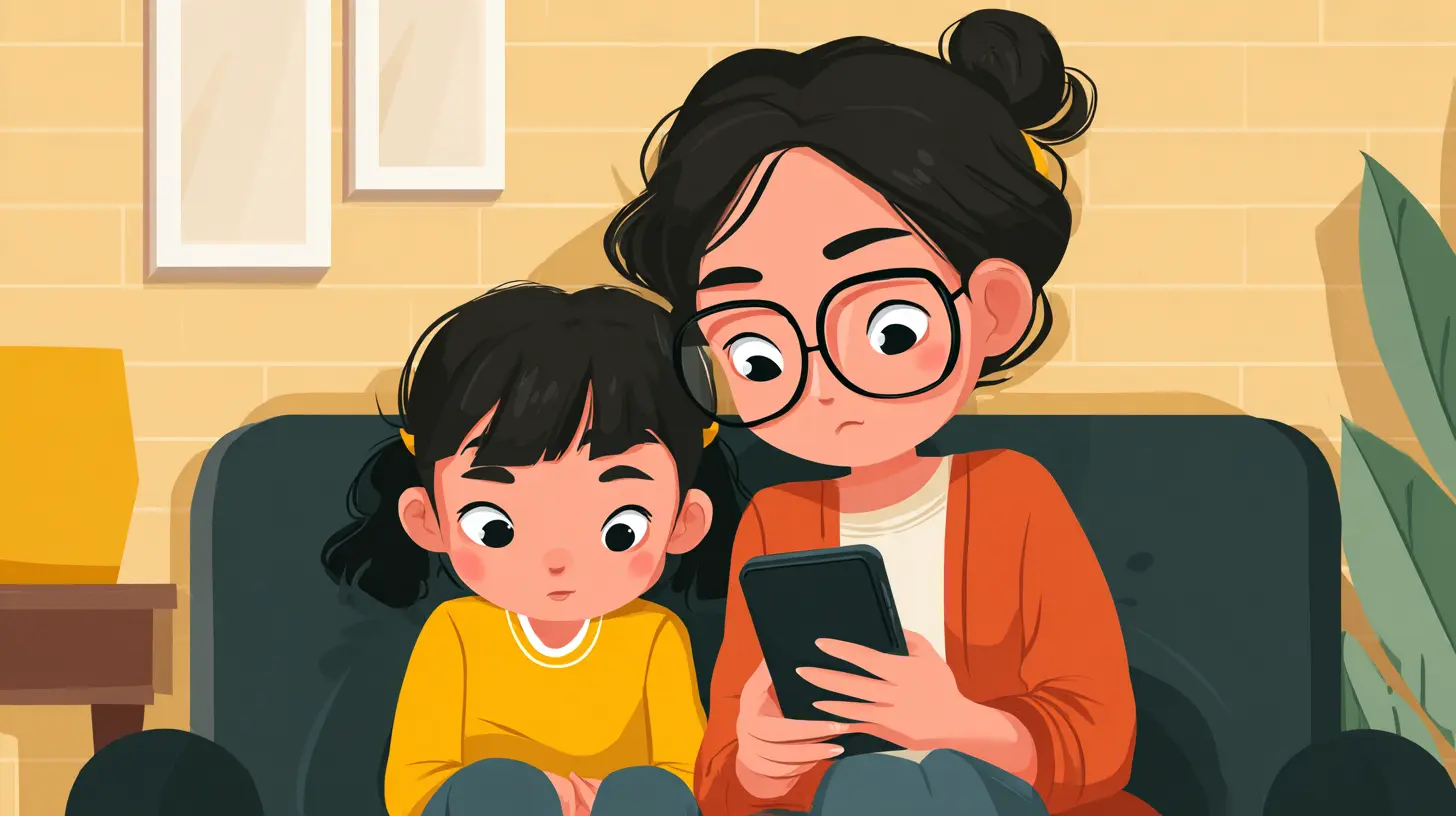
The Problem with "Kid-Friendly" Design
One of the biggest misconceptions is that AI systems designed for children are inherently safe because they are "kid-friendly." That is a marketing term, not a safety guarantee.Many children's AI apps are designed to maximize engagement, which is a euphemism for screen time. They use variable rewards, bright colors, and rapid pacing to keep the child hooked. This is the same psychological mechanism used by slot machines. The child is not learning to focus; they are learning to crave the next dopamine hit.
Worse, some AI companions are programmed to be overly agreeable. If a child says "I hate my brother," the AI might respond with "That is a strong feeling. Tell me more." While this sounds like good therapy, it can actually reinforce negative rumination. A human parent would likely say "Let's talk about why you feel that way," but they would also offer a different perspective or a distraction. The AI cannot do that.
There is also the issue of inappropriate content. Despite filters, language models can generate responses that are too complex, too scary, or too mature for a child. The AI does not understand age-appropriateness in the way a human does. It knows what words to avoid, but it does not understand the emotional impact of a concept like death or divorce on a five-year-old.
How to Set Boundaries That Actually Stick
The goal is not to ban AI, but to create a framework where it serves you and your child, not the other way around.Define the job. Before you introduce any AI tool, write down exactly what job it is doing. Is it a timer? A tutor? A storyteller? If you cannot articulate the job in one sentence, do not use it. If the job is "keep the child busy while I work," that is a valid job, but be honest about it.
Set time limits that are non-negotiable. Most devices have built-in parental controls. Use them. But also use a physical timer. When the timer goes off, the device goes into a charging station in a common area. This creates a ritual that the child understands, and it reduces the power struggle because the rule is external, not your personal decision.
Co-use is key. The best way to use an AI babysitter is to use it with your child, at least initially. Watch the first few stories together. Listen to the AI's responses. Talk about them after. This does two things: it lets you see exactly what the AI is doing, and it teaches your child that the AI is a tool, not a companion. You are the primary source of comfort and knowledge.
Create "no AI" zones. The dinner table, the car (unless it is a long trip), and the bedroom should be screen-free, AI-free zones. This is non-negotiable. Children need to learn to tolerate boredom, to sit with their own thoughts, and to engage with real people. If they never experience boredom, they never develop the internal resources to handle it.
Review the data. Once a month, go into the settings of each AI app and look at the data it has collected on your child. Ask yourself: is this information something I would want a stranger to know? If the answer is no, delete the app. If the app does not let you delete the data, uninstall it and write a complaint to the company.
The Myth of the "Digital Native"
Many parents justify heavy AI use by saying that their child is a "digital native" or that "this is the future." That is a cop-out. Being born into a world with screens does not mean a child is equipped to handle them. It means they need more guidance, not less.A child who spends hours with an AI tutor might have excellent math skills but poor social skills, because the AI never teaches them how to take turns in a conversation or how to read a face. A child who relies on an AI companion for emotional support might struggle to form deep attachments to real people, because the AI is always available and never judges. These are not trivial concerns.
The truth is that AI is a poor substitute for the messy, unpredictable, and deeply human experience of interacting with a parent. A parent is sometimes tired, sometimes impatient, sometimes wrong. That is actually valuable. It teaches resilience, empathy, and the ability to repair relationships. An AI is never tired, never impatient, and never wrong. It is a perfect mirror, and that is exactly why it can be so hollow.
Practical Questions to Ask Before You Hit Download
Before you add another AI app to your child's device, ask these five questions.1. What does this replace? If it replaces a human interaction, be very cautious. If it replaces nothing, or if it fills a gap that would otherwise be empty, it is probably fine.
2. What does this teach? Not just in terms of facts, but in terms of behavior. Does it teach patience? Kindness? Curiosity? Or does it teach that the world responds instantly to your commands?
3. What happens when it fails? All AI fails. What happens when the monitor gives a false alarm at 3 AM? What happens when the chatbot says something inappropriate? Do you have a plan? If not, you are not ready.
4. Can I see the data? If the app does not have a transparent privacy policy, or if you cannot export and delete the data, do not use it. Period.
5. How does my child feel after using it? This is the most important one. After the screen time is over, is your child calm, engaged, and creative? Or are they cranky, withdrawn, and demanding? Trust your observation. A child who is overstimulated will show it, regardless of what the app's marketing says.
The Future Is Here, But You Are Still the Parent
The rise of AI babysitters is not a fad. It is a structural shift in how families operate. The technology will get better, the voices will get more natural, and the capabilities will expand. But the fundamental questions will remain the same.What is the role of a parent in a world where a machine can answer every question? What is the role of a child in a world where there is always a perfect, patient, and available playmate? These are not questions that the tech companies will answer for you. They have a financial incentive to keep your child engaged for as long as possible.
Your job is to be the gatekeeper. Not the gatekeeper who says no to everything, but the one who opens the door selectively, who knows what is inside the room, and who is ready to walk in with the child. The AI babysitter is not your replacement. It is a tool in your parenting toolbox, no different from a slow cooker or a dishwasher. It can save you time, but it cannot feed your child the way you can.
The best approach is a balanced one. Use AI for the tedious, the repetitive, and the time-bound tasks. Use it as a supplement to your own attention, not a substitute for it. And most importantly, keep the lines of communication open with your child. Ask them what they did with the AI. Ask them how it made them feel. Show them that you are more interesting, more curious, and more loving than any algorithm will ever be.
Because in the end, that is what they will remember. Not the clever app, but the parent who sat with them, listened to them, and helped them make sense of a world that is becoming ever more artificial.
all images in this post were generated using AI tools
Category:
Parenting And TechnologyAuthor:

Max Shaffer
Discussion
rate this article
1 comments
Maura Fletcher
Embrace new technology, but trust your instincts. Balance AI with personal care for a thriving family dynamic.
August 17, 2026 at 3:24 PM