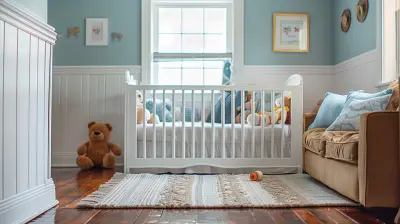
The Long-Term Impact of Sibling Relationships
14 August 2026
Most parents spend a lot of time worrying about the bond between their children. Will they get along? Will the older one resent the baby? Will the fighting ever stop? These are fair questions, but the answers matter far more than most people realize. The relationship a child has with their siblings is not just a childhood dynamic. It is one of the longest-lasting connections they will ever have, often outliving friendships, marriages, and even the parents themselves. Understanding how this relationship shapes adult life is not about predicting doom or guaranteeing success. It is about recognizing the quiet, persistent influence that brothers and sisters have on who we become, how we love, how we argue, and how we see ourselves.
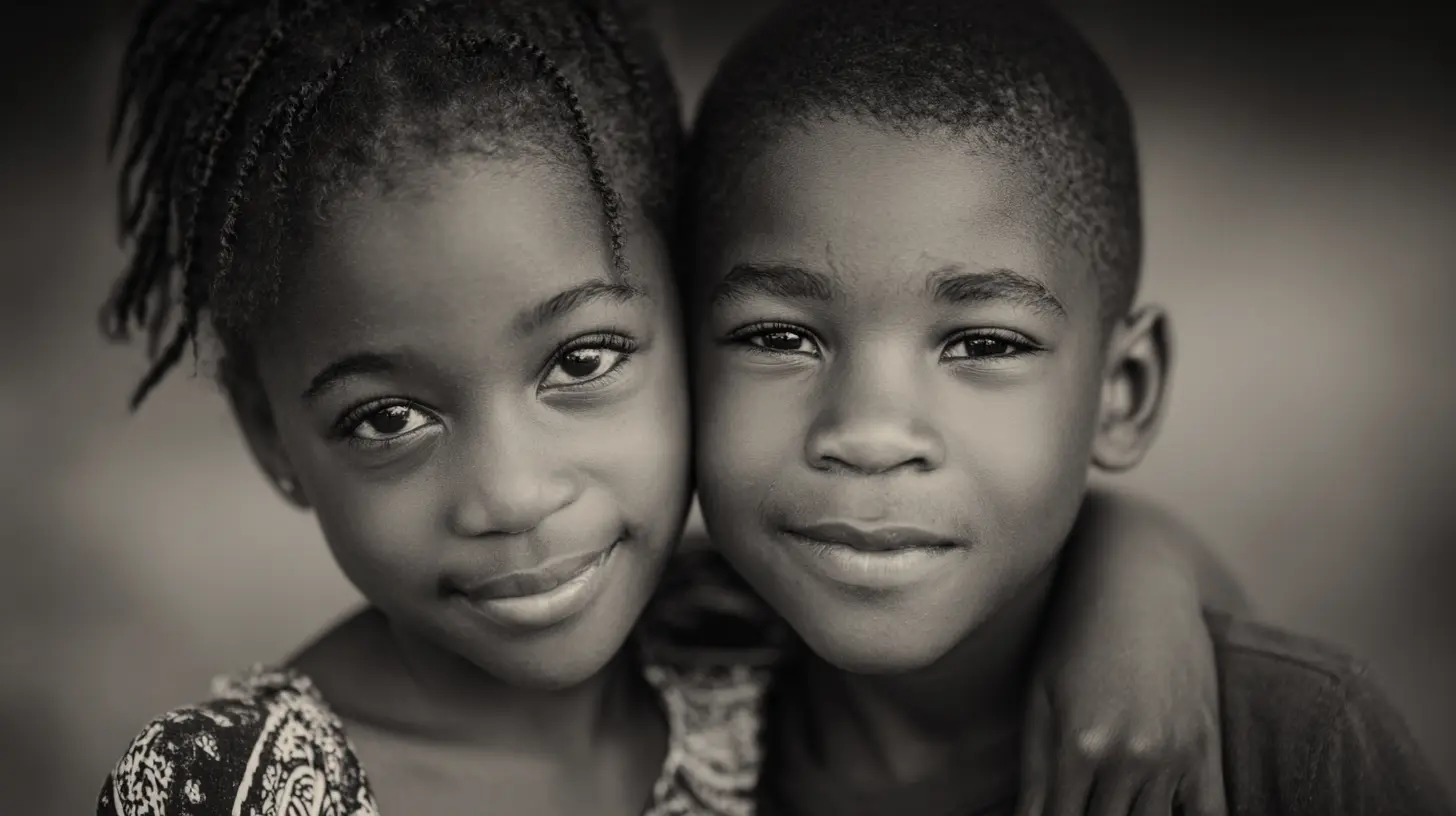
The Sibling Relationship Is Different From Every Other Bond
Parents often assume that siblings will naturally be close because they share a home, genes, and history. But the sibling bond is structurally different from the parent-child bond in a way that matters deeply. With a parent, the relationship is inherently unequal. The parent has authority, experience, and responsibility. With a sibling, the relationship is between equals, or near equals, who are competing for the same resources: attention, space, approval, and the last slice of cake.This equality is both the gift and the curse of siblinghood. It is the first place a child learns to negotiate with someone who has similar power. You cannot simply order a sibling to do what you want the way you might try with a parent. You have to persuade, compromise, or sometimes, unfortunately, manipulate. These early negotiations become the blueprint for how a person handles conflict and cooperation in adult friendships, romantic relationships, and the workplace.
The emotional intensity is also different. Siblings share a private world that parents are often shut out of. They witness each other's failures, fears, and embarrassing moments without the filter that children naturally put on for adults. This creates a level of familiarity that can be deeply comforting or, if the relationship is toxic, deeply painful. The same closeness that allows a sibling to be your strongest ally also gives them the power to be your sharpest critic, because they know exactly which buttons to push.
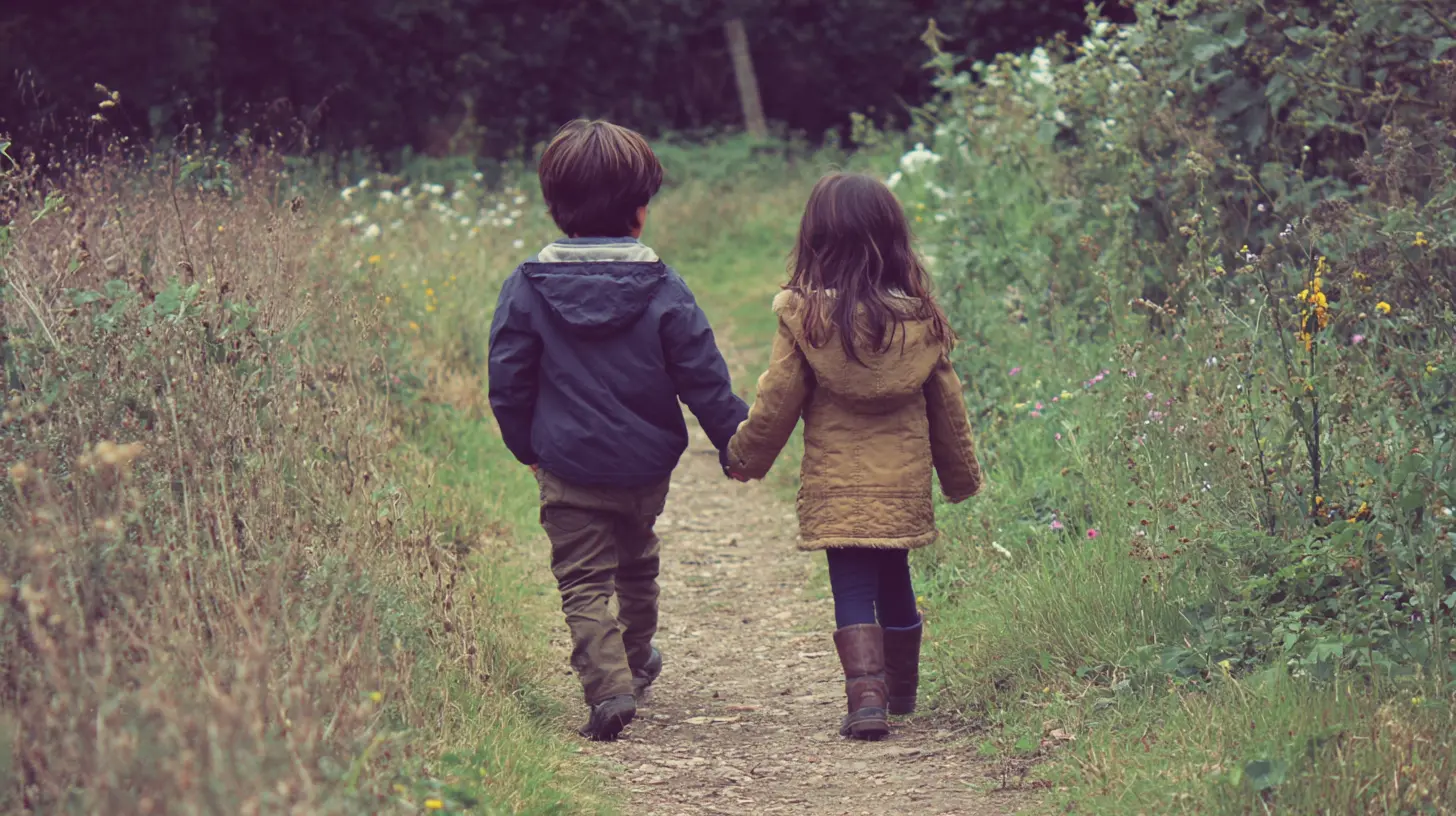
How Birth Order Shapes Personality, But Not The Way You Think
The old stereotypes about birth order are everywhere. The responsible oldest child, the rebellious middle child, the charming baby of the family. There is some truth to these patterns, but the reality is far more complex. Birth order does not determine personality. It shapes the environment that a child grows up in, and that environment influences how they develop coping strategies.The oldest child often gets the role of surrogate parent, especially in larger families. They are given more responsibility, and they often internalize that pressure. This can lead to high achievement and strong leadership skills, but it can also create a person who struggles to ask for help or admit weakness. The oldest child may feel that their worth is tied to being reliable, and that is a heavy load to carry into adulthood.
The middle child is often described as the peacemaker, but that is not always a choice. Being caught between an older sibling who has more power and a younger one who needs more attention means the middle child has to learn flexibility early. They often become excellent at reading social cues and adapting to different personalities. The downside is that they can feel invisible, and they may carry a sense of being overlooked into their adult relationships, always looking for signs that they are not a priority.
The youngest child gets the benefit of more relaxed parents, but they also get the burden of always being the little one. They are often more comfortable taking risks because they have watched their older siblings make mistakes and survive. However, they can also struggle with being taken seriously, and they may develop a pattern of using charm or humor to deflect serious conversations.
But here is the key point that most parenting advice misses. Birth order effects are not fixed. They depend heavily on the spacing between children, the temperament of each child, and the family's circumstances. A six-year gap creates a very different dynamic than an eighteen-month gap. A family with two children has a completely different structure than a family with five. The stereotypes are useful as a starting point for reflection, not as a set of rules for how your child will turn out.
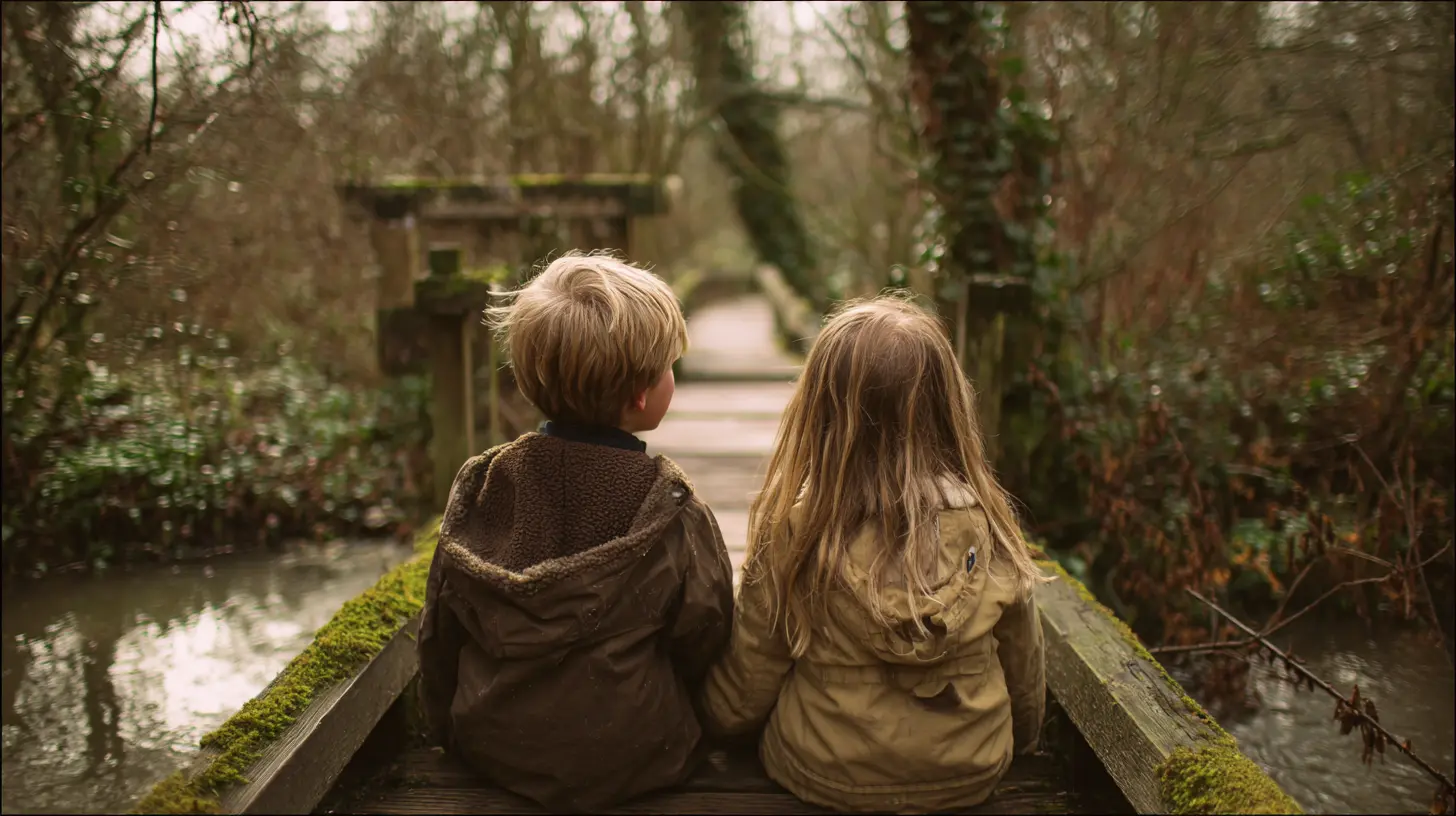
The Real Cost of Constant Sibling Rivalry
Sibling rivalry is normal. It is a natural part of learning how to share space and attention. But there is a big difference between occasional squabbling and a home environment that is constantly tense and hostile. When rivalry becomes the dominant pattern, it has lasting consequences that go far beyond the childhood years.Children who grow up in a highly competitive sibling environment often carry a specific kind of anxiety into adulthood. They learn that life is a zero-sum game, where one person's success means another person's failure. This mindset can sabotage their careers and friendships. They may struggle to celebrate other people's achievements because deep down, they feel that someone else's win somehow diminishes them.
Constant rivalry also teaches children that conflict is dangerous. If every disagreement with a sibling escalates into a screaming match or a physical fight, the child learns to avoid conflict at all costs. As an adult, this can mean staying in bad relationships, failing to set boundaries at work, or being unable to express legitimate needs because they are terrified of triggering a blowup.
There is also a subtler cost. When parents constantly compare siblings, even with good intentions, they are teaching children that their worth is relative. Saying things like "Why can't you be more like your sister?" or "Your brother never had trouble with this" does not motivate a child. It teaches them that they are being measured against someone else, and that their own unique qualities are not enough. This can lead to a lifelong habit of self-comparison that is exhausting and corrosive.
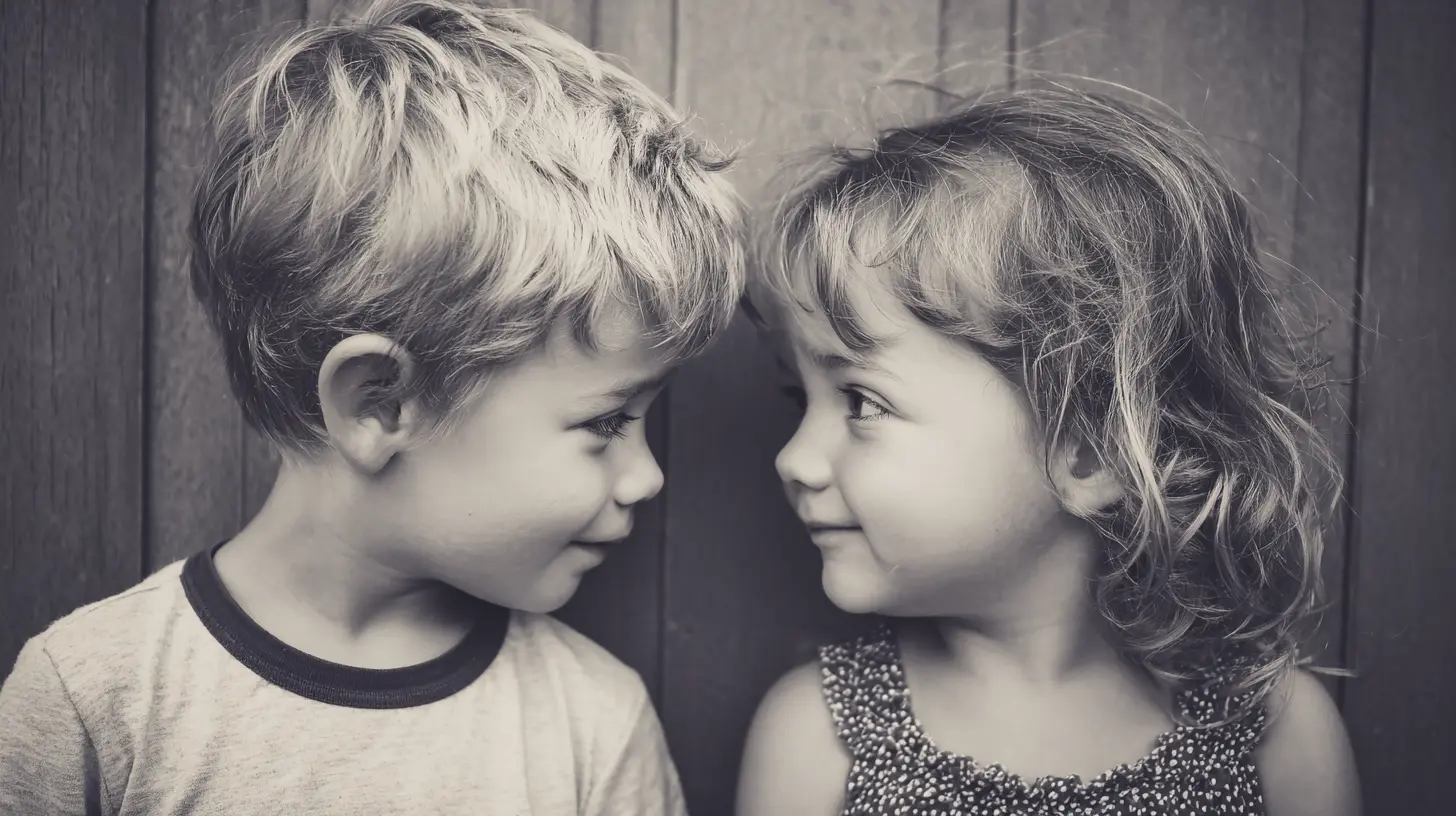
Why Some Siblings Drift Apart In Adulthood
It is a common assumption that siblings will naturally become closer as they age, especially after their parents pass away. But the reality is that many adult siblings drift apart, and this is not always a tragedy. Sometimes it is a healthy response to a relationship that was never truly supportive.The biggest factor in adult sibling closeness is not how much they fought as children. It is whether they felt that they were treated fairly by their parents. Children who perceive that they were favored or disfavored are much more likely to have distant relationships with their siblings as adults. This is not about objective fairness, because perfect fairness is impossible. It is about the child's subjective experience of being valued.
Another major factor is the life choices that siblings make. If one sibling moves across the country, marries someone the family dislikes, or has a very different lifestyle, the gap can widen naturally. This is not a failure. It is a consequence of two people growing in different directions. The problem arises when parents or the siblings themselves treat this drift as a betrayal, which creates guilt and resentment on both sides.
There is also the issue of unresolved childhood grievances. Many adults carry old wounds from their siblings, things that were said or done that were never addressed. Without a parent to force them together, these wounds often just sit there, unspoken. Over time, the silence becomes a wall. Rebuilding that relationship requires both people to be willing to acknowledge the past, and that is not something that can be forced.
The Protective Power Of A Good Sibling Relationship
When the sibling bond is strong, it is one of the most protective forces in a person's life. This is not just about having someone to call on holidays. A good sibling relationship provides a unique kind of emotional support that friends and partners often cannot offer.Siblings share a history that no one else can fully understand. They know what it was like to grow up in that specific house, with those specific parents, during those specific years. This shared context creates a deep sense of being understood without having to explain everything. An adult can call their sibling and say "You remember how Mom used to get when she was stressed?" and the sibling just knows. That kind of shorthand is incredibly valuable, especially during difficult times like a parent's illness or a family crisis.
Good sibling relationships also serve as a reality check. A sibling can tell you hard truths that a friend might be too polite to say, because the sibling relationship is built on a foundation that can withstand honesty. They can point out when you are repeating a pattern from childhood or when you are being unfair to your own partner. This is not always comfortable, but it is genuinely useful.
There is also a protective effect on mental health. Adults who report having a close sibling relationship tend to have lower rates of depression and anxiety, particularly in later life. This makes sense. Loneliness is a major risk factor for poor mental health, and a sibling is a built-in source of connection. Even if you do not talk every week, knowing that someone in the world truly knows you and has your back is a powerful buffer against isolation.
What Parents Can Do That Actually Works
Parents cannot control everything about their children's relationships, and trying to force closeness usually backfires. But there are specific things that parents can do to create the conditions for a healthy sibling bond.The most important thing is to avoid comparison. This is harder than it sounds, because comparison is often automatic. But every time a parent says "Your brother would have handled this better" or "Why can't you be more like your sister?", they are driving a wedge between the siblings. The child does not just feel bad about themselves. They also feel resentment toward the sibling who is being used as the standard.
Parents should also resist the urge to always assign blame. In most sibling fights, both children are partially responsible, even if one is more at fault. Jumping in to punish the older child or protect the younger one teaches both children that the parent is the referee, not that they need to work things out themselves. A better approach is to let them try to resolve minor conflicts on their own, and only step in when there is a risk of physical harm or serious emotional damage.
Creating shared experiences is also valuable, but not the forced kind. A family that takes a vacation together is good, but the real bonding happens in the unstructured moments. Riding in the back seat of the car, playing in the backyard, complaining about dinner together. These are the moments that build a shared history. Parents should not over-schedule their children to the point where they never have time to just be siblings.
Another practical tip is to give each child individual attention. A child who feels secure in their parents' love is much less likely to be jealous of a sibling. This does not mean equal time in a strict sense. It means making sure each child gets moments where they are the sole focus, where they do not have to compete for attention.
Common Mistakes That Damage The Sibling Bond
There are several well-intentioned but harmful practices that parents often fall into. Recognizing these can help parents avoid making things worse.One major mistake is forcing the older child to be a caretaker. It is one thing to ask a seven-year-old to help entertain a toddler for ten minutes. It is quite another to make the older child responsible for the younger one's safety, homework, or emotional well-being on a regular basis. This creates a parent-child dynamic between siblings that breeds resentment. The older child grows up feeling robbed of their childhood, and the younger child grows up feeling controlled.
Another mistake is dismissing a child's feelings about their sibling. When a child says "I hate my brother," the worst response is "No you don't, you love him." This invalidates the child's real, intense emotions. A better response is to acknowledge the feeling and help the child name it. "You are really angry that your brother broke your toy. That makes sense." This does not encourage hatred. It teaches the child that their feelings are valid, which makes it easier for them to move past the anger.
Parents also sometimes make the mistake of trying to make everything fair. Life is not fair, and trying to make every moment perfectly equal is exhausting and ultimately impossible. The child who gets a later bedtime because they are older is not being treated unfairly. The child who gets more attention because they are going through a hard time is not being favored. When parents obsess over fairness, they teach children to keep score, and scorekeeping is poison for sibling relationships.
When The Relationship Is Genuinely Toxic
It is important to distinguish between a difficult sibling relationship and a truly toxic one. A difficult relationship involves conflict, jealousy, and occasional cruelty, but there is also love and a desire to connect. A toxic relationship is characterized by consistent patterns of abuse, manipulation, or neglect. This can include physical violence, severe emotional abuse, or a complete lack of empathy.In cases of genuine toxicity, the best advice for an adult is not to force a reconciliation. The cultural pressure to "be close to family" can be incredibly damaging. An adult who has been abused by a sibling has every right to set firm boundaries or even cut off contact entirely. This is not a failure. It is self-preservation.
Parents who have one child who is consistently cruel to another face a terrible dilemma. They need to protect the victim, but they also need to understand that they may not be able to fix the abuser. In these cases, the priority must be the safety and well-being of the child who is being harmed. This might mean separating the children as much as possible, seeking professional help, and being honest with the victim that their sibling's behavior is not their fault.
The Long View
The sibling relationship is not static. It changes over time. Many siblings who are distant in their twenties become closer in their thirties or forties, especially once they have children of their own. Having a child changes a person's perspective on their own childhood, and it often softens old grievances. Similarly, the death of a parent can either bring siblings together or tear them apart, depending on the history and the circumstances.Parents should take the long view. A rough patch between a five-year-old and a seven-year-old does not mean they will be estranged as adults. The goal is not to create a perfect relationship. The goal is to create a foundation of mutual respect, shared history, and the knowledge that they are on the same team, even when they are fighting.
The most realistic hope is not that siblings will always get along. It is that they will be able to sit at the same table during a family crisis, that they will be able to laugh about the absurdities of their childhood, and that they will be able to say "I am glad you are my brother" or "I am glad you are my sister" and mean it. That is not a small thing. It is one of the most meaningful gifts a parent can give their children.
all images in this post were generated using AI tools
Category:
Sibling RelationshipsAuthor:

Max Shaffer
Discussion
rate this article
1 comments
Maddox Gray
Sibling bonds: lifelong friends or future rivals?
August 20, 2026 at 3:02 AM
Max Shaffer
Sibling relationships can evolve in many ways. They can be lifelong friendships filled with shared memories or, at times, turn into rivalry. It all depends on individual experiences and dynamics.