The Importance of Securing Houseplants from Little Hands
2 January 2026
Houseplants bring life and beauty to our homes. They purify the air, lift our moods, and add a touch of nature to our indoor spaces. But if you have little explorers—toddlers or even curious pets—those leafy greens can quickly turn into a safety hazard.
Ever caught your little one tugging at a plant or trying to munch on a suspicious-looking leaf? You’re not alone. Many parents underestimate the risks houseplants can pose to kids. From toxic leaves to toppled pots, there’s more to worry about than just a bit of spilled soil.
So, let’s dive into why securing houseplants from tiny hands is essential and how you can keep both your plants and your little adventurers safe.
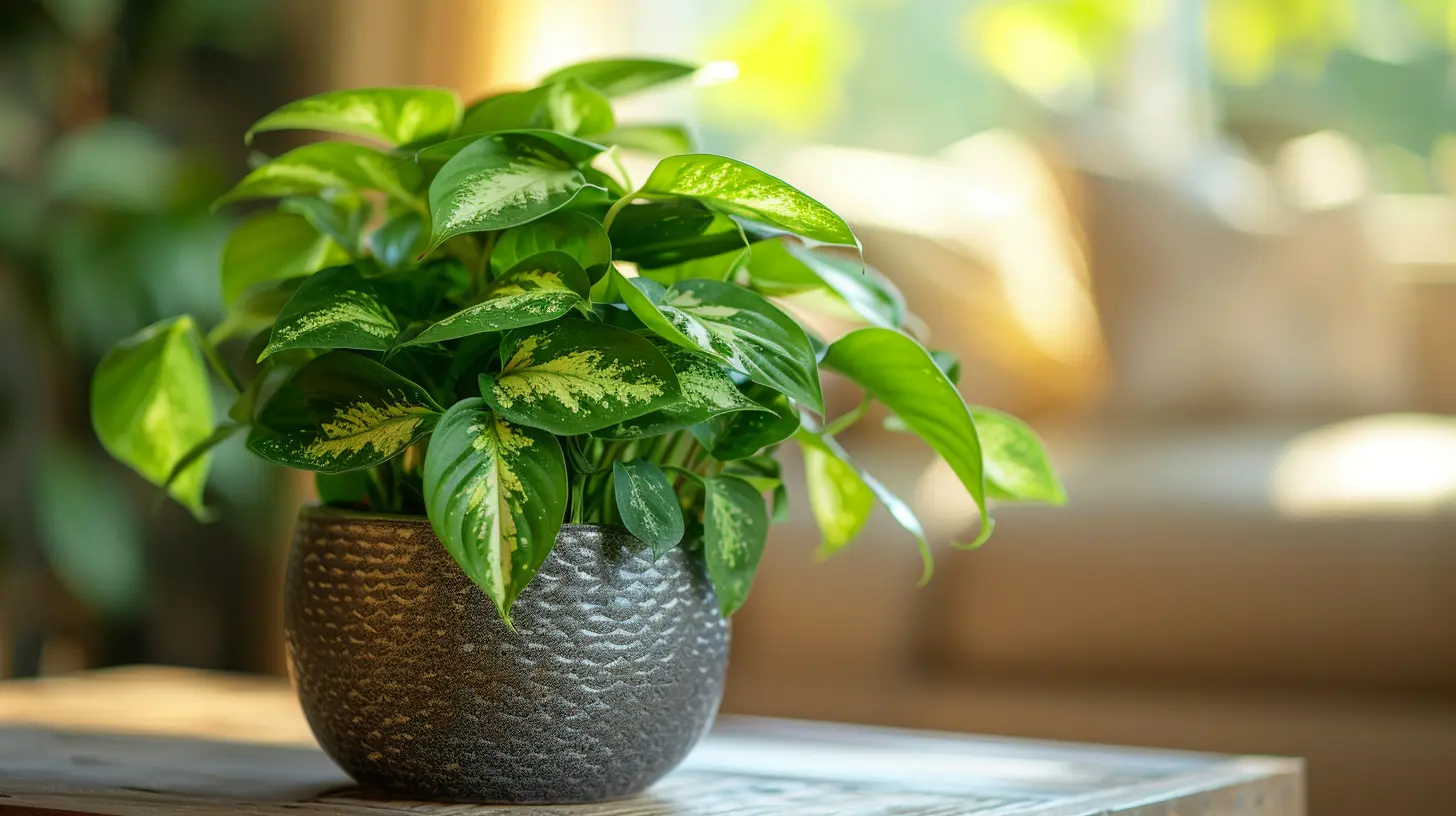
Why Houseplants Can Be Dangerous for Toddlers
Babies and toddlers explore the world in the most hands-on (and mouth-on) way possible. Anything within their reach is fair game—plants included. Here’s why that can be a problem:1. Some Houseplants Are Toxic
Many popular houseplants are beautiful, but some can be downright dangerous if ingested. Curious toddlers might chew on leaves, which can lead to poisoning, stomach pain, or allergic reactions.Common toxic houseplants include:
- Pothos (Devil’s Ivy) – Can cause vomiting and irritation.
- Dieffenbachia (Dumb Cane) – Causes mouth and throat swelling, leading to breathing difficulties.
- Philodendron – Can cause oral irritation and digestive issues.
- Peace Lily – Can lead to severe mouth irritation and nausea.
- Oleander – Highly toxic, even in small amounts.
If you have any of these, it’s best to keep them far out of reach—or reconsider having them at all.
2. Choking Hazards from Plant Parts
Loose leaves, berries, and even soil can be choking hazards for little ones. Some plants shed naturally, and toddlers are more than happy to pop anything small into their mouths. Certain plant seeds and berries can also be toxic, doubling the risk.3. Heavy Planters Can Tip Over
Think about that large potted plant sitting on a low stand. A determined toddler pulling or climbing on it can send the whole thing crashing down—potentially causing serious injury.4. Soil and Fertilizer Can Be Harmful
Many parents focus on the plant itself but forget about the soil. Some potting mixes contain fertilizers, pesticides, or even mold—none of which should end up in your child’s tiny hands or mouth.
How to Childproof Your Houseplants
Now that we know the risks, let’s talk about how to keep both your child and your plants safe.1. Choose Baby-Safe Plants
Not all houseplants are dangerous! If you love greenery but want peace of mind, opt for non-toxic varieties. Safe houseplants include:- Spider Plant – Air-purifying and harmless to kids.
- Areca Palm – A pet- and child-safe way to bring tropical vibes inside.
- Prayer Plant – Beautiful, safe, and fun to watch as it "moves" throughout the day.
- Boston Fern – Non-toxic and great for humidifying the air.
- Calathea – Safe and comes in many stunning varieties.
2. Place Plants Out of Reach
If getting rid of plants isn’t an option, make sure they’re far from little hands. Some effective strategies:- High Shelves or Hanging Planters – Keeping plants above reach eliminates the temptation.
- Wall-mounted Planters – A trendy, space-saving way to keep greenery without the risk.
- Use Tall Stands in Safe Areas – If you must place plants on stands, ensure they’re in rooms where kids don’t frequently play.
3. Secure Heavy Pots
For larger plants, take extra precautions:- Use Weighted Planters – A heavy-bottomed pot is less likely to tip over.
- Anchor Pots to the Wall – Command strips or plant anchors can help keep tall pots stable.
- Keep Large Plants in Corners – This reduces the chance of a toddler knocking them over.
4. Cover the Soil
Toddlers love digging—in anything. Prevent tiny hands from messing with your plant’s soil with these tricks:- Use Decorative Stones or Pebbles – A layer of rocks makes it difficult for kids to access the soil.
- Mulch with Coconut Coir or Moss – These materials keep the soil covered while allowing air and water to circulate.
- Buy a Plant Cover – Mesh plant covers can prevent direct access to the dirt.
5. Teach Your Child About Plants
Education is one of the best defenses. Even toddlers can learn that some things are "look, don’t touch." Make it fun:- Read books about plants.
- Let them have their own child-safe plant to care for.
- Explain (in simple terms) that some plants can "make bellies hurt."
6. Use Natural Repellents
If your child keeps going for the plants despite all efforts, try safe deterrents:- Citrus Peels – Many kids dislike the smell of citrus, and placing peels in the soil can keep them away.
- Mild Vinegar Spray – A light vinegar mist (on the pot, not the plant) can create an unpleasant smell for curious noses.
- Motion-activated Alarms – If all else fails, a small pet-friendly alarm near important plants can startle little hands away.
What to Do If Your Child Ingests a Plant
Accidents happen, no matter how careful you are. If your child eats part of a plant:1. Remove any remaining plant pieces from their mouth.
2. Rinse their mouth with water.
3. Check for symptoms like drooling, swelling, vomiting, or difficulty breathing.
4. Call Poison Control (1-800-222-1222 in the U.S.) or your local emergency number immediately.
5. Take a picture of the plant to help medical professionals identify the species.
Never assume that just because a small amount was eaten, it’s harmless. Some plants are toxic even in tiny doses.
Final Thoughts
Houseplants and kids can coexist—it just takes a little planning. By choosing safe plants, keeping greenery out of reach, and securing heavy pots, you can enjoy a lush home without worry.With a few smart precautions, you won’t have to choose between a plant-filled space and your child’s safety. So go ahead, keep those leafy friends around—just make sure they’re little-hand-proof!
all images in this post were generated using AI tools
Category:
ChildproofingAuthor:

Max Shaffer
Discussion
rate this article
2 comments
Ezra Chapman
Great article! Securing houseplants not only protects our children but also fosters a safe environment for exploration. Consider using decorative barriers for added safety and aesthetics!
January 20, 2026 at 5:29 AM
Max Shaffer
Thank you for your thoughtful comment! I love the idea of using decorative barriers for both safety and style. It's a great way to create a secure environment for our little explorers!
Fenn Schultz
What a fantastic read! It’s so true that houseplants can be both beautiful and hazardous for little ones. Your tips on securing them are super helpful. I especially love the idea of using decorative barriers—what a clever way to keep the greenery safe and stylish!
January 14, 2026 at 4:40 AM
Max Shaffer
Thank you for your kind words! I'm glad you found the tips helpful and that you liked the idea of decorative barriers. Keeping both kids and plants safe is so important!