The Importance of Safe and Structured Playtime Before School Begins
19 December 2025
Let’s be real—parenting is no walk in the park. Especially when school is creeping back into the picture and the chaos of new schedules, sharpened pencils, missing lunchboxes, and early wake-up calls are looming heavy on the horizon. But here's something often overlooked in the hustle: structured playtime before school starts. Yep, that simple, joyful, giggle-filled time can be your secret weapon to ease the transition, boost emotional well-being, and even improve academic performance.
Still with me? Great! Let’s unpack why safe and structured play before the school bell rings is more than just fun and games—it’s a game-changer.
Why Does Play Matter Anyway?
Let’s start with the basics. What is play? It’s not just running circles around the living room, although that totally counts if your kiddo’s energy is off the charts. Play is how children learn, express themselves, build confidence, and start understanding the world. Think of it like the language of childhood.Now, here’s something even more powerful: structured playtime. That’s play with a purpose. It’s still fun, still kid-led, but with a bit more direction from you—think of it like putting guide rails on a race track. It helps keep things safe, productive, and, most importantly, meaningful.
The Countdown to School: A Crucial Window
You know that weird limbo in the final weeks of summer? Not quite vacation, not quite back-to-school mode. That’s your golden window.This period is key for resetting routines, reinforcing positive behaviors, and preparing your child socially and emotionally. And structured play? It checks every box. It balances the scales between freedom and learning, relaxation and routine. It’s like easing into a cold pool instead of cannonballing into it.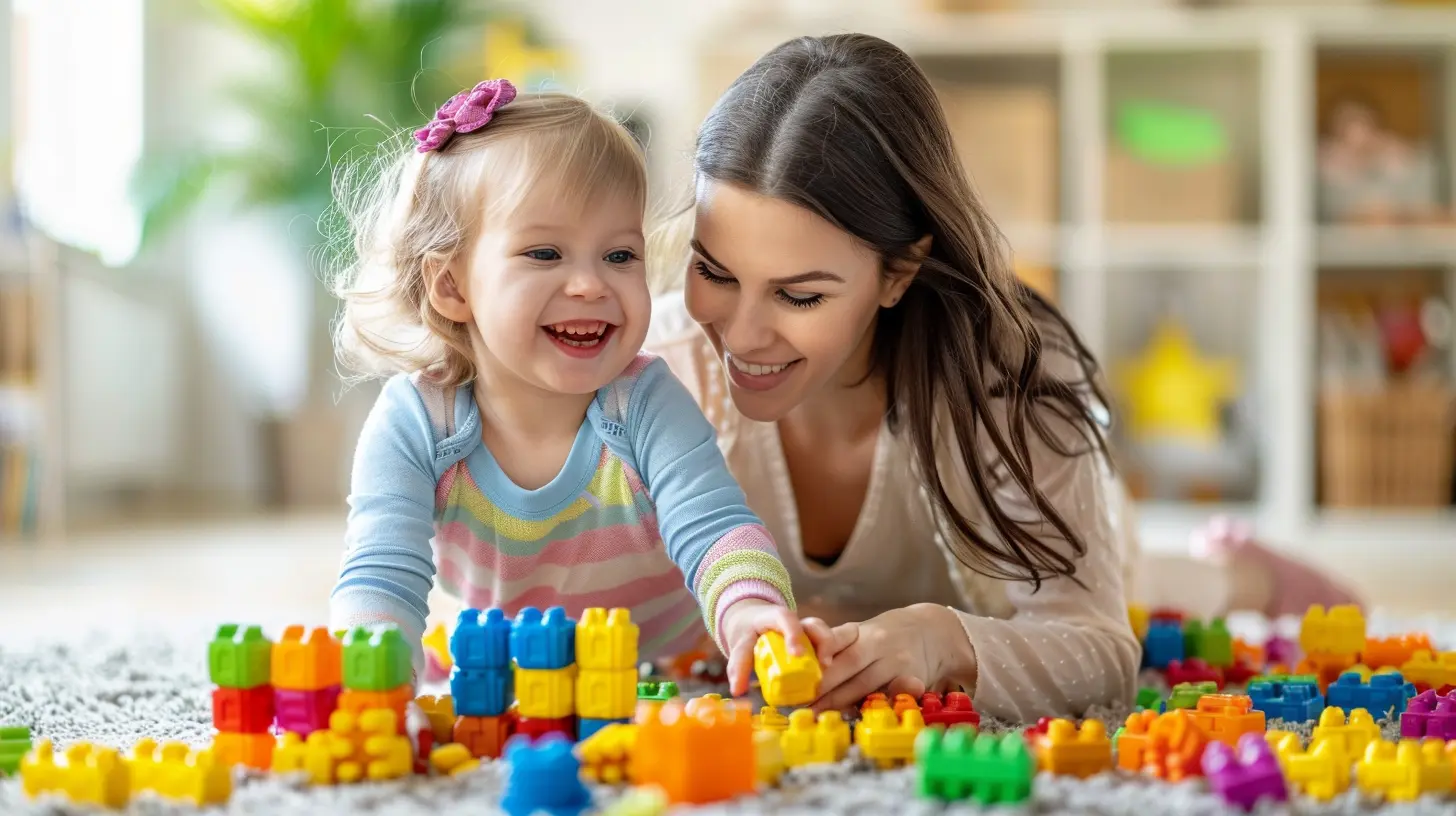
The Emotional Benefits: Confidence, Calmness, & Coping
Let’s face it—new classrooms, new teachers, maybe even a new school? That’s a buffet of anxiety for a little one. But structured play gives kids a chance to process emotions in a safe and familiar environment.Emotional Readiness Through Role Play
Ever seen your kid line up their stuffed animals and start “teaching” them? That’s not random—it’s emotional preparation! Role-playing familiar scenarios (like saying goodbye at drop-off, meeting a new teacher, or sitting in a circle) helps kids mentally gear up for the real deal.Stress Relief & Emotional Regulation
Through games, stories, and even a simple game of Simon Says, children learn how to take turns, manage frustration, and express feelings. That’s the foundation of emotional intelligence—and it starts at home, way before the school bus honks.
Social Smarts: Practicing People Skills
Unless your child is rocking a full-blown social calendar during summer, chances are they’ve had limited peer interaction. Enter structured play.Cooperative Play Builds Team Players
Group games with siblings or friends teach kids negotiation, collaboration, and conflict resolution. Whether they’re building a LEGO castle together or navigating a simple board game, they’re also learning how to work (and play) with others.Following Rules and Taking Turns
These aren’t just school expectations—they’re life skills! Structured activities with clear objectives and simple rules mimic classroom dynamics. By practicing now, your child gains the tools to cooperate, concentrate, and communicate when school starts.Cognitive Boost: Learning Disguised as Fun
Do you know what’s sneaky-smart? Games that teach without kids even realizing it. Learning doesn’t have to look like flashcards and worksheets. Structured play can sharpen their brainpower while keeping things light and fun.Puzzles, Patterns, and Problem-Solving
Games like matching cards, building blocks, or even a scavenger hunt in the backyard promote memory, spatial thinking, and reasoning. All of which come in super handy once the classroom whiteboard takes center stage.Routines That Ready the Brain
Using play to establish daily routines (morning stretches, clean-up songs, bedtime stories) builds predictability. And in a kid’s world, predictability = safety. A brain that feels safe is more open to learning.Physical Preparation: Move That Body!
Let’s not leave the body behind. Sedentary summers can make that first week of full-day school feel like an Olympic marathon. So, some structured physical play can warm them up—literally.Develop Motor Skills
Think balance games, hopscotch, or wheelbarrow races. These develop coordination and core strength, which are essential not only for P.E. but also for classroom tasks like sitting upright at a desk or holding a pencil properly.Burn Off That Nervous Energy
Let’s be honest—anxious wiggles and restless jitters are inevitable. Structured movement can help channel that energy positively. A morning yoga routine or backyard obstacle course can calm nerves and boost focus.Building Routines Through Play
Routines are the secret sauce of school success, but no kid wants to hear, “Let’s practice waking up early!” So, how do you ease into it? Through playful rituals.Make Mornings Fun
Create a game out of morning tasks. How fast can they brush their teeth? Can they race the clock while getting dressed? Turn everyday expectations into challenges or mini-missions.Countdown Calendar with a Twist
Create a visual countdown calendar for back-to-school—but each day includes a playful task or activity. It blends routine with excitement, helping kids mentally gear up without the pressure.Safety First: Setting Boundaries Through Play
Play is fun, but it’s also a great time to talk safety—especially with little kids heading into environments where you won’t always be around to protect them.Safe Spaces and Stranger Awareness
Incorporate "what-if" role-play games that teach boundaries, like what to do if someone they don’t know approaches them. Use puppets or toys to make it less scary and more empowering.Listening and Following Directions
Games like “Red Light, Green Light” or “Simon Says” are deceptively simple but teach essential listening and response skills—key for safety both in and outside the classroom.Your Role as the Parent: The Play Partner They Need
Maybe you're thinking, "I’m not a Pinterest parent. I don’t have time for crafting elaborate obstacle courses or printing charts." Totally okay. Structured play isn't about perfection—it's about presence.Be Present, Not Perfect
You don’t need fancy supplies or an hour-long curriculum. Ten minutes of focused play where your phone is down and your head’s in the moment? That’s gold.Let Them Lead (But Lightly Guide)
Give your child some choices, but within a structure. Would they like to do a puzzle or a shape-sorting game? Playground or backyard soccer? Giving them autonomy within limits builds decision-making and confidence.The Transition Magic: From Playtime to School-Time
By easing into routine with structured play, you’re not just preparing your child—you’re also softening that transition for yourself.There’s something profoundly comforting about watching your child giggle over a silly game, knowing that right now they’re not just playing—they’re growing, preparing, and learning to thrive.
So as the school year approaches, don’t just rush through those final days of summer. Use them. Savor them. Play through them.
Easy & Fun Structured Play Ideas to Try at Home
Need some low-effort, high-impact ideas? Here’s a handful to get you started:- Morning Movement Game – Play a morning stretch game using animal poses: bear crawl to brush teeth, flamingo pose while changing clothes.
- DIY Story Time – Take turns adding to a silly story. You say a sentence, they add one. This builds creativity and language skills.
- “Teacher Says” Game – A twist on Simon Says that mimics classroom routines. Great for listening skills!
- Shape Hunt – Hide shapes around the house. Give clues or riddles—teaches spatial awareness and reasoning.
- School Dress Rehearsal – Go through a "practice" school day. Pack lunchboxes, line up backpacks, do a pretend drop-off. It’s silly and practical at the same time.
Final Thoughts
If you’re feeling overwhelmed, that’s okay. Starting school can feel huge—for both you and your kid. But structured play is a small, joyful step you can take today to make that transition smoother, calmer, and more connected.It’s more than blocks and bouncing balls—it’s brain-building, confidence-boosting, and heartwarming preparation for the next big step in your child’s journey. And it's all happening right in your living room, backyard, or hallway.
So, breathe easy. You've got this. Your kid’s got this. And together? You can play your way to a fantastic first day of school.
all images in this post were generated using AI tools
Category:
School ReadinessAuthor:

Max Shaffer
Discussion
rate this article
2 comments
Rivenheart Monroe
In a world increasingly defined by screens and schedules, prioritizing safe, structured playtime before school begins fosters not only physical development but also emotional resilience. Through play, children learn to navigate relationships, cultivate creativity, and build problem-solving skills—essential tools for thriving in both school and life.
December 21, 2025 at 5:30 PM
Max Shaffer
Absolutely! Safe, structured playtime is vital for children's holistic development, equipping them with essential skills for social, emotional, and cognitive success. Thank you for highlighting its importance!
Rocco Rogers
Playtime builds confidence and fosters connections.
December 19, 2025 at 3:23 PM
Max Shaffer
Absolutely! Playtime not only enhances confidence but also helps children develop social skills, laying a strong foundation for their future interactions.