The Connection Between Gratitude and Happiness in Children
16 May 2026
Let’s be honest — parenting is tough. Between snack breaks, school pickups, and the never-ending “Why?” questions, we’re always striving to raise happy, well-rounded kids. But have you ever stopped to think about what actually fuels your child’s happiness? Sure, toys and treats bring those quick grins. But if we zoom out, something more meaningful might be at play here — gratitude.
Yep, that simple “thank you” can do wonders for your child’s emotional well-being. So in this article, we’re diving deep (but in a fun and down-to-earth way) into the connection between gratitude and happiness in children. Stick with me, and let’s unwrap the ways that being thankful can lead to genuine joy.
What Is Gratitude, Really?
Before we get into why it matters, let’s talk about what gratitude really is — and no, it’s not just saying "thank you" after someone hands over a cookie.Gratitude is a mindset. It’s the ability to recognize and appreciate the good stuff in life — everything from a tasty lunch to a warm hug or just a sunny day. For kids, it means feeling thankful not just for things but for people, experiences, and moments.
Think of gratitude like a muscle. The more your child uses it, the stronger it gets. And as it grows, so does something magical: happiness.
Why Gratitude Matters for Kids
You might be thinking, “Okay, being thankful is nice… but does it really make that big of a difference?” Short answer? Absolutely.Here’s why:
1. Gratitude Teaches Kids to Focus on the Positive
Let’s face it — life isn’t always rainbows and unicorns. Even kids deal with disappointment, frustration, and those not-so-great days. Gratitude helps them zoom in on what’s going right rather than obsessing over what went wrong.Instead of stewing over a less-than-perfect lunchbox snack, a grateful child might think, "Mom remembered my favorite sandwich. That’s pretty awesome."
2. It Builds Resilience
Grateful kids are more likely to bounce back when life throws curveballs. Why? Because they’re used to seeing the silver lining.Think of it this way: when your child practices gratitude regularly, they’re essentially building emotional armor. So when things go south — like losing a game or having a fight with a friend — they don’t crumble. They cope, learn, and move on.
3. Gratitude Strengthens Relationships
When kids express thanks to their friends, siblings, or even you, they’re building stronger connections. Saying "I appreciate you" is like giving someone a little emotional high-five. Those positive vibes? They go both ways.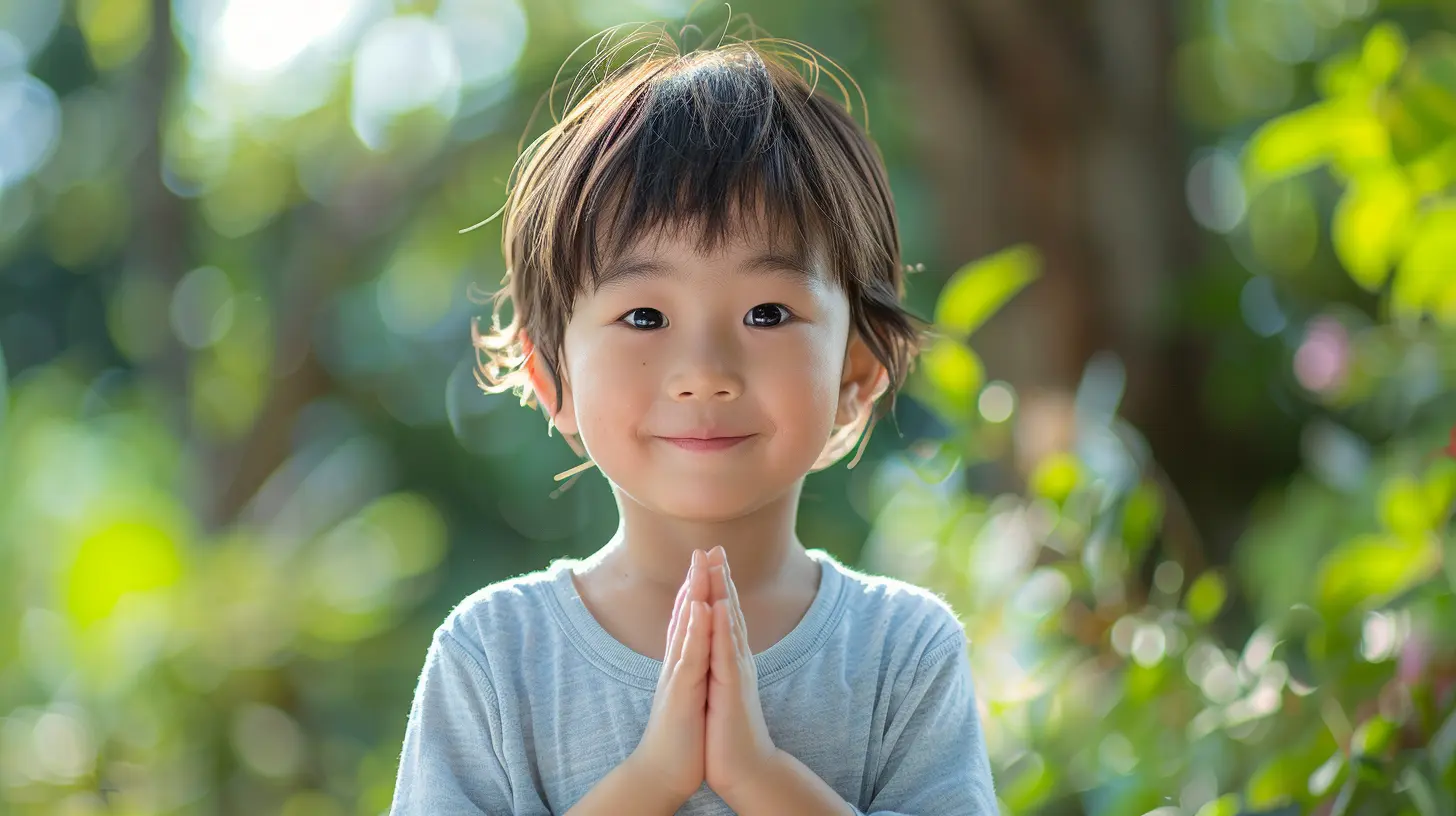
The Science Behind It All
Don't worry, we’re not diving too deep into neuroscience here — but a little science never hurt anybody.Researchers have been looking into the gratitude-happiness link for years, and guess what? Grateful people tend to be happier. And this holds true for kids too.
Studies show that children who regularly express gratitude:
- Sleep better
- Have higher self-esteem
- Show more empathy
- Are less likely to be depressed or anxious
Basically, gratitude isn’t just good manners, it’s good mental health. It shifts the brain’s focus from scarcity to abundance — from “I want more” to “I have enough.” And that shift? It lights up the brain’s feel-good centers like a Christmas tree.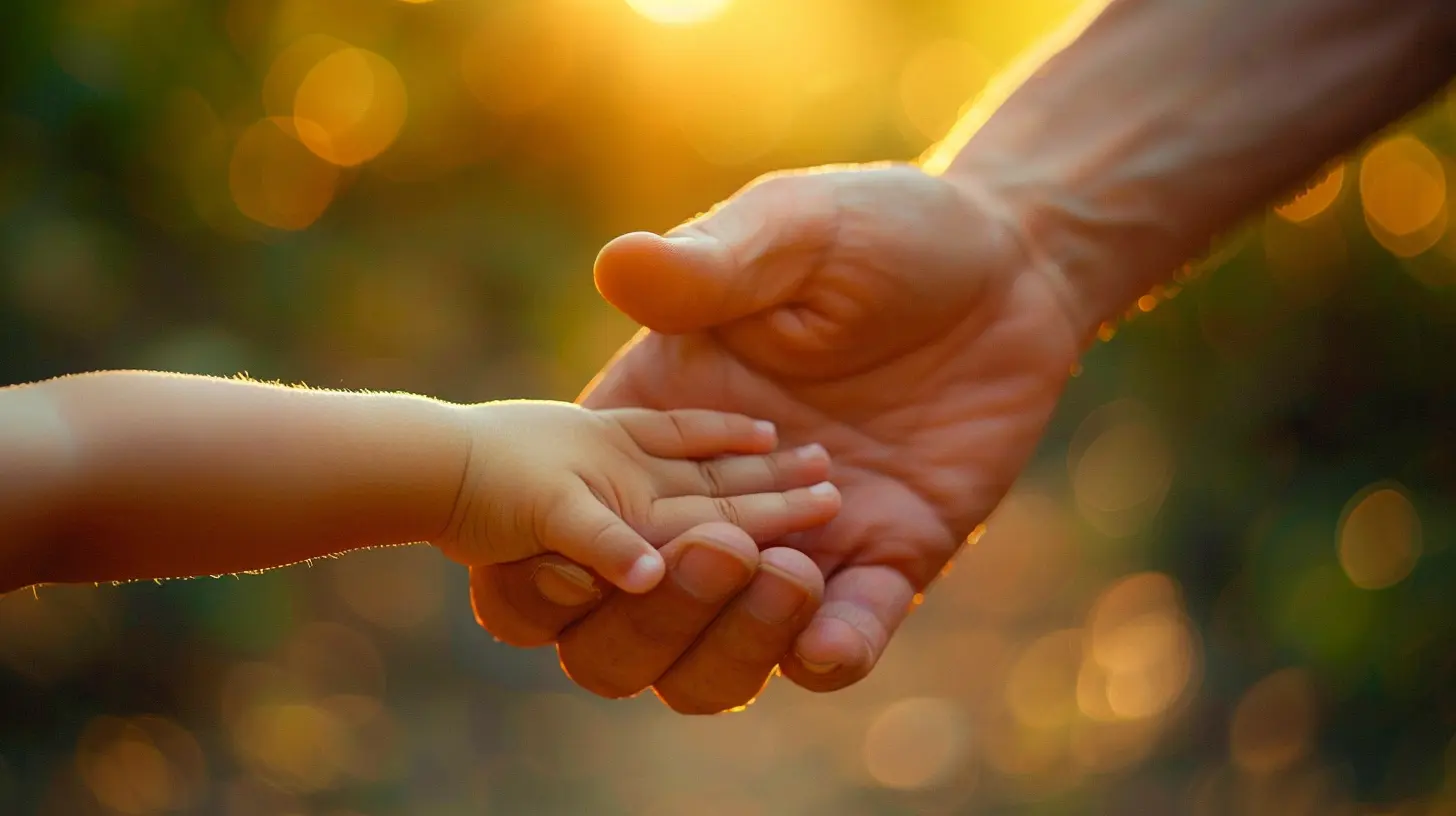
But Wait... Can Kids Really Understand Gratitude?
Good question. Tiny humans don’t always get the whole “appreciate what you have” thing — at least at first.Younger kids are naturally more self-centered (not in a bad way — it’s just developmental). They can’t always see past their own little world. So don’t expect a two-year-old to pen a heartfelt thank-you note just yet!
But even toddlers can start to learn the basics. A simple “Thank you for playing with me” or “I love it when you read me stories” is a great place to begin.
With older kids, you can dive deeper. Encourage them to reflect on what went well that day or who helped them out. These small steps lay the groundwork for a lifelong appreciation mindset.
How Gratitude Feeds Happiness (and Vice Versa)
Here’s where the magic happens — gratitude and happiness feed each other like best buds at a sleepover.When a child feels grateful, they naturally feel happier. And when they feel happy, they’re more likely to notice and appreciate the good stuff around them.
It’s a loop — a beautiful one.
Let’s break it down into real life.
Scenario 1: Your child finishes their art project and says, “I’m glad I had help from my teacher. That made it easier.” Boom. They feel appreciated, connected, and capable.
Scenario 2: After a family dinner, your kid says, “I love when we all sit together like this.” That moment of thankfulness boosts their sense of belonging and joy.
Gratitude builds emotional awareness. And emotional awareness? That’s the stuff happiness is made of.
How Parents Can Encourage Gratitude (Without Being Pushy)
Okay, now you’re thinking, “I’m in! But how do I spark gratitude in my kid without turning it into a chore?”Here are some super doable ideas:
1. Model Gratitude Yourself
Kids are little sponges. If you’re saying “thank you” often, they will too. Make it a normal part of your day — like when you get your coffee or when your partner does the dishes.Let your gratitude be visible and authentic: “I’m so thankful for this quiet moment.” Boom — a teachable moment without the lecture.
2. Create Gratitude Rituals
Consistency is key. Try weaving gratitude into your routines:- Gratitude journals: Have your child write (or draw) one thing they’re thankful for every night.
- Bedtime reflections: Ask, “What made you smile today?”
- Mealtime thank-yous: Go around the table and share one good thing about your day.
It doesn’t have to be fancy. Just consistent.
3. Encourage Giving
Gratitude isn’t just about feeling thankful — it’s about giving thanks too. Volunteering, sharing toys, or even helping a sibling can spark a sense of appreciation.When kids give to others, they begin to see their own blessings more clearly. It’s like holding up a mirror to the good in their lives.
4. Teach Perspective
Sometimes, gratitude grows when kids see life through a wider lens. This doesn’t mean guilt-tripping them with “Some kids have nothing!” lectures (we’ve all been tempted, right?).Instead, try books or shows that introduce different cultures and lifestyles. Conversations about how others live can foster empathy, which is a close cousin to gratitude.
Common Roadblocks and How to Navigate Them
Of course, it’s not always smooth sailing. Gratitude doesn’t bloom overnight. Sometimes, kids resist — and that’s okay.Here’s how to deal:
“But I Don’t Want That!”
Sound familiar? Gratitude doesn’t mean your child will always be satisfied. They’re still learning. Instead of scolding their reaction, guide them gently: “I understand you’re disappointed. Can we think of one thing we still enjoyed today?”Forgetfulness
Kids will forget to say thank you. A lot. That’s not defiance — it’s normal. Remind them with kindness, not shame: “What do we say when someone helps us?”The Gratitude Guilt Trip
Avoid using gratitude as a weapon. Saying “You should be grateful!” can make kids feel bad instead of inspired. Keep it positive and patient. Gratitude grows best when it’s watered with love, not guilt.Gratitude in Action: Real-Life Examples
Sometimes, the best way to learn is through stories. Here are a few snapshots of gratitude in real life:- 7-year-old Max started a "Thank You Jar" where he adds a note each time someone does something kind for him. Now, he’s up to 50 notes and counting — and his mom says he’s more thoughtful than ever.
- Emma, age 10, writes weekly notes to her grandma thanking her for little things, from baking cookies to cheering at her soccer games.
- Busy parents, Sarah and James, turned family dinners into “Gratitude Hour” — no phones, just stories about what made them smile. Their kids? They now insist on it, even during takeout nights.
These aren't once-in-a-lifetime moments. They’re everyday wins — and they add up.
Final Thoughts: Plant the Seeds of Happiness with Gratitude
Here’s the bottom line: Gratitude doesn’t cost a thing, but it can change everything for your child. It’s not just about good manners — it’s about emotional well-being, resilience, and that deep, lasting form of happiness we all want for our kids.You don’t need to overhaul your family routine or throw away every toy. Just start small. A thank-you here, a kind word there. Over time, those little seeds of gratitude will bloom into a life rooted in joy.
And isn’t that what parenting is all about?
all images in this post were generated using AI tools
Category:
Teaching GratitudeAuthor:

Max Shaffer
Discussion
rate this article
2 comments
Russell McNeely
Thank you for sharing these insights on gratitude and happiness in children. It's so important to nurture a sense of appreciation from a young age. Simple practices can truly make a difference in their emotional well-being and overall outlook on life.
June 7, 2026 at 2:55 AM
Max Shaffer
I appreciate your thoughts! Nurturing gratitude really does lay a strong foundation for children's happiness.
Farrah Martinez
Teaching kids gratitude nurtures their happiness and strengthens their connections with others... foster this powerful habit early!
May 16, 2026 at 2:32 PM
Max Shaffer
Absolutely! Early lessons in gratitude can truly shape happier, more connected kids. It's a vital skill for their emotional well-being.