The Benefits of Mindful Walking with Your Kids
21 December 2025
Parenting can sometimes feel like a whirlwind—school runs, homework meltdowns, and the endless demands of daily life. But what if there was a simple way to slow down, connect with your kids, and boost their well-being all at once? Enter mindful walking—a practice that transforms an everyday activity into a powerful bonding experience.
Walking with your children mindfully isn't just about getting from point A to point B. It's about being present, engaging the senses, and creating moments of calm in today’s fast-paced world. So, why should you start making mindful walking a part of your family's routine? Let’s dive in.
What is Mindful Walking?
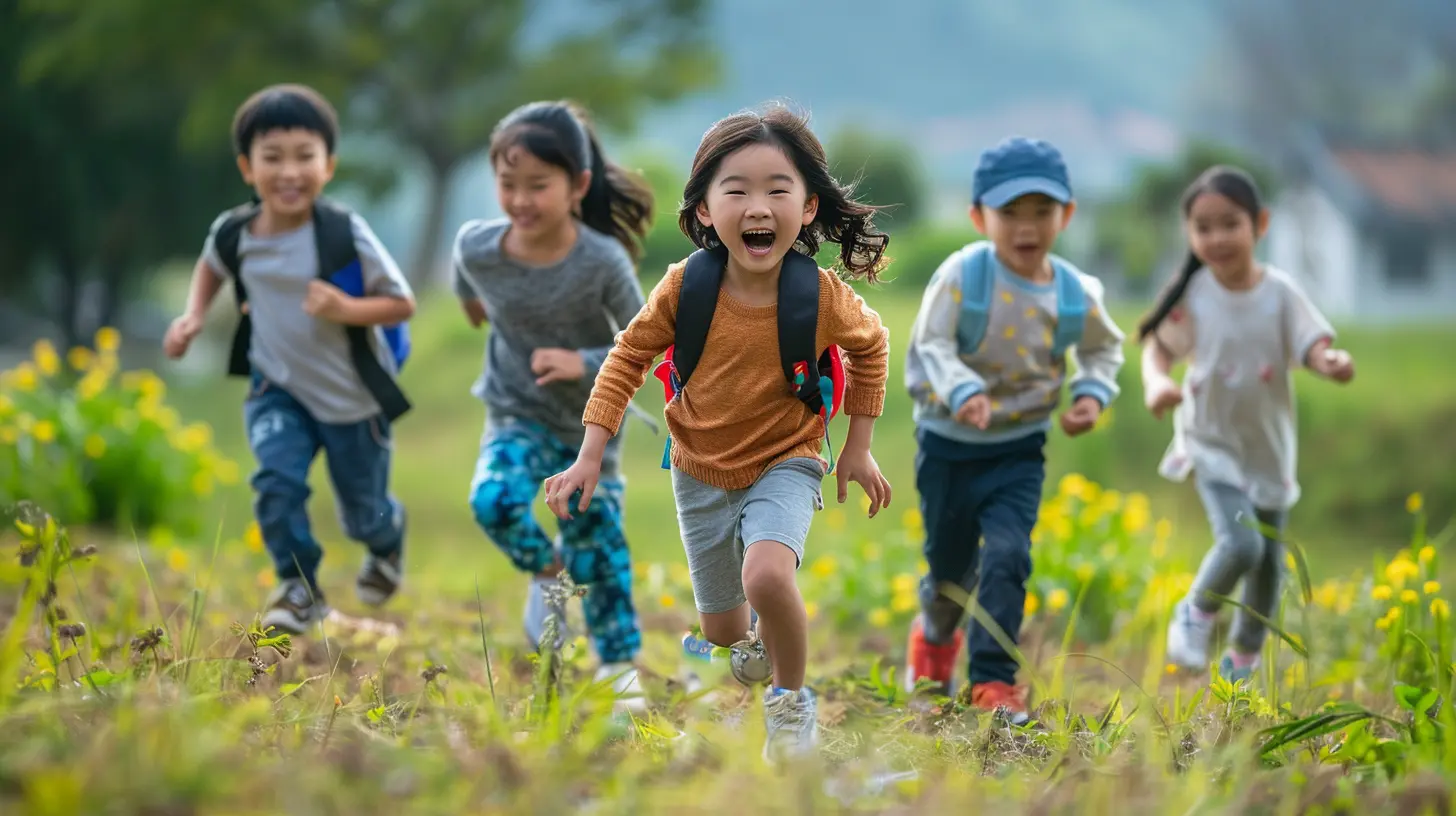
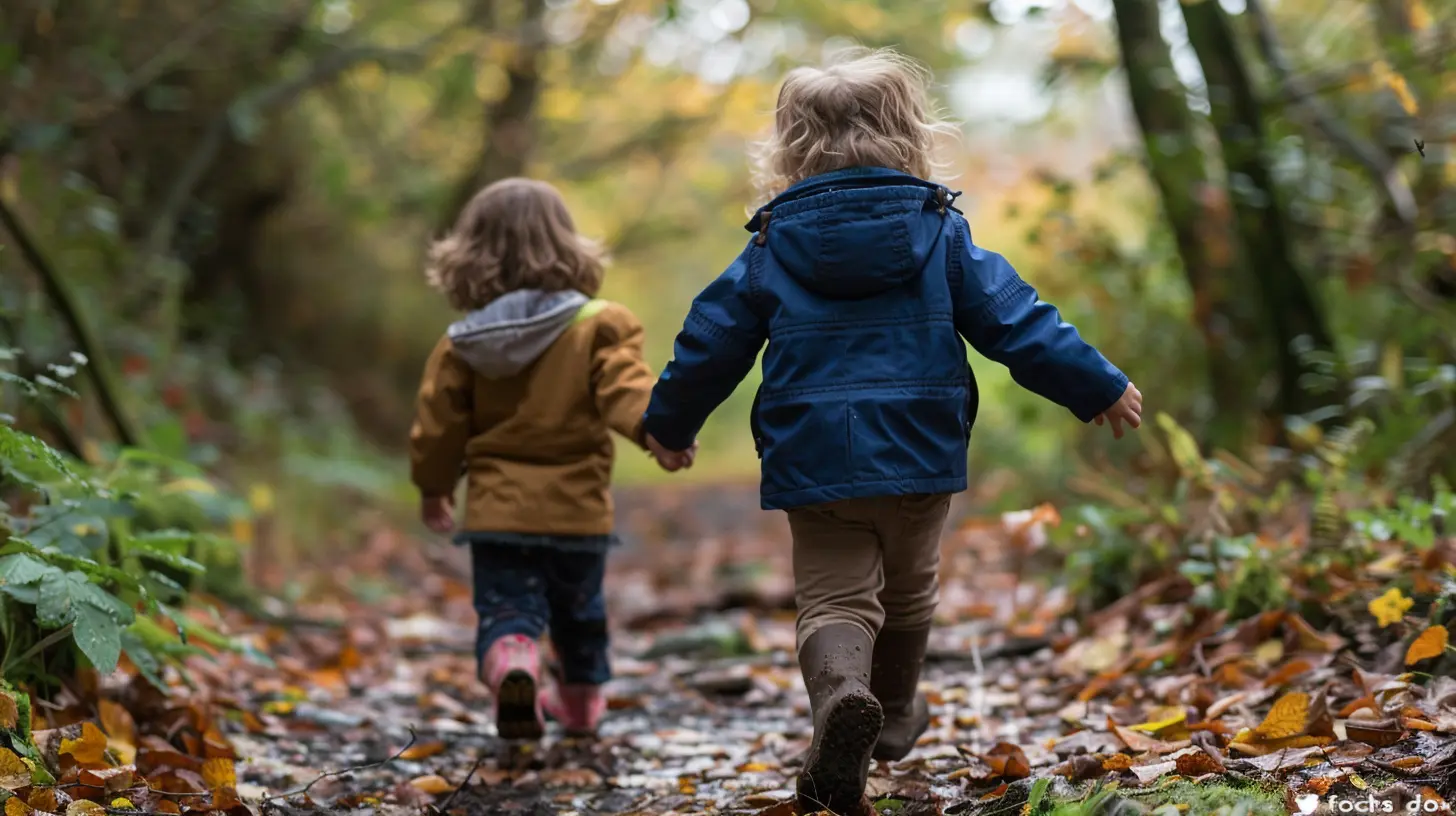
Mindful walking is exactly what it sounds like—walking with awareness. Instead of rushing through a walk while scrolling on your phone or mentally going through your to-do list, mindful walking encourages slowing down and truly experiencing the moment.For kids, this means noticing the sound of birds chirping, feeling the crunch of leaves underfoot, or observing how the wind brushes against their skin. It’s about engaging the senses and being present, rather than letting the mind wander.
The Incredible Benefits of Mindful Walking with Your Kids
When you make mindful walking a habit, the benefits go far beyond just getting fresh air. Here’s why it’s worth incorporating into your daily routine:1. Strengthens Parent-Child Connection
Life gets busy, and sometimes, it feels like we only have surface-level conversations with our kids. But a mindful walk offers the perfect opportunity to bond deeply, away from distractions like TV screens and homework stress.During these walks, children often open up about their thoughts and feelings. Without the pressure of direct eye contact, they may feel more comfortable sharing about their day, their worries, or even their dreams.
Try this: Ask open-ended questions like, "What was the best part of your day?" or "What’s something that made you smile today?" You’ll be surprised at how much they share when they feel truly heard.
2. Encourages Emotional Regulation
Kids experience big emotions, and sometimes, they don’t know how to process them. Mindful walking helps them calm their nervous system, reducing stress and anxiety.When children focus on their steps, their breath, or the sounds around them, it grounds them in the present moment, giving their minds a break from overwhelming thoughts.
Bonus Tip: If your child is feeling anxious or upset, encourage them to take deep breaths while walking. Ask them to notice something they can see, hear, and feel to bring them back to the present.
3. Enhances Focus and Attention
In a world full of screens and constant stimuli, kids sometimes struggle with paying attention. Practicing mindful walking can train their brains to focus better, boosting their concentration at school and in other activities.When children learn to pay attention to their environment, they become more aware of details, fostering curiosity and observational skills.
Engagement Idea: Turn your walks into a mindfulness game—challenge your child to find something they haven’t noticed before, like a tiny flower growing in a crack or a patterned cloud in the sky.
4. Promotes Physical Activity in a Relaxed Way
Let’s face it: not every child is eager to exercise, and sometimes, getting them off the couch is a battle. But mindful walking doesn’t feel like exercise—it feels like an adventure.Unlike structured workouts or competitive sports, mindful walking is gentle, enjoyable, and accessible to all kids, regardless of fitness level. Plus, it helps develop healthy movement habits without pressure.
Make it fun: Create a nature scavenger hunt where they look for certain colors, textures, or objects during the walk.
5. Sparks Gratitude and Appreciation for Nature
When children slow down and truly observe their surroundings, they start to develop a deep appreciation for the beauty of nature. They notice the rustling of leaves, the warmth of sunlight, or the way rain makes everything smell fresh.Mindful walks help cultivate gratitude, teaching kids to appreciate the small wonders in everyday life.
Try this exercise: At the end of your walk, ask your child, “What’s one thing from our walk that made you happy?” This small reflection encourages gratitude in a natural way.
6. Improves Sleep Quality
If your child struggles with falling asleep, mindful walking might be the solution. Exposure to natural light during the day helps regulate their circadian rhythm, signaling their body when it’s time to wind down at night.Additionally, the calming effect of mindful walking can reduce nighttime restlessness, leading to deeper, more restful sleep.
Evening Routine Idea: Instead of screen time before bed, take a short mindful walk around the neighborhood to help your child relax and prepare for a good night’s sleep.
How to Start Practicing Mindful Walking with Your Kids
Now that you know the amazing benefits, how do you actually get started? Here are simple ways to make mindful walking a meaningful experience for your family.1. Set an Intention
Before you start walking, encourage your child to set an intention. It could be:- "I’m going to focus on the sounds around me."
- "I’m going to take deep breaths and relax."
- "I’m going to find something new that I’ve never noticed before."
Having a focus helps keep them engaged and makes the experience more meaningful.
2. Use Your Senses
Encourage your child to engage all five senses during the walk. You can ask:- "What do you hear?"
- "What colors do you see?"
- "Can you find something soft to touch?"
- "Do you smell anything in the air?"
This sensory awareness helps them stay present and mindful throughout the walk.
3. Walk at a Gentle Pace
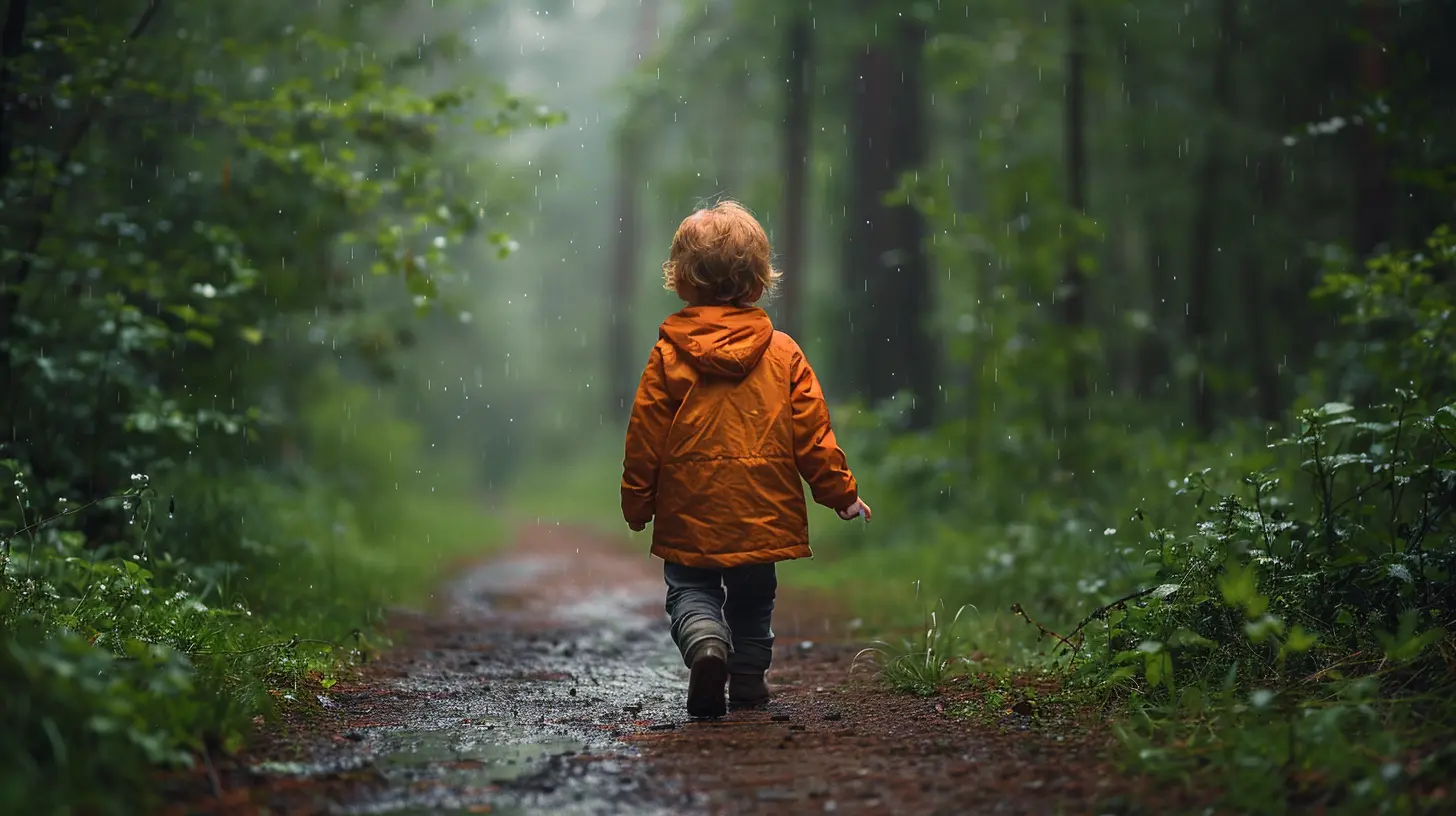
Mindful walking isn’t about racing ahead or getting to a destination quickly. Keep the pace slow and relaxed, allowing your child to take in their surroundings.If they want to stop and observe something—whether it’s a butterfly or a tiny flower—let them. These small moments of wonder are what make mindful walking so special.
4. Leave Devices Behind
Whenever possible, resist the urge to check your phone or listen to music. Your child will mirror your behavior, so demonstrate full presence by focusing on the walk.This is your time together—a moment of connection free from distractions.
5. Celebrate the Experience
After the walk, take a moment to reflect. Ask your child, "What was your favorite part of the walk?" or "How do you feel now compared to before?"By acknowledging the experience, you're reinforcing the habit and making it something they’ll look forward to next time.

Final Thoughts
Mindful walking may seem like a simple practice, but its impact on your child’s physical, emotional, and mental well-being is powerful. In a world that often moves too fast, taking the time to slow down, breathe, and be present with your child can work wonders.So, the next time you step outside with your little one, walk mindfully. Savor the giggles, the deep conversations, and the quiet moments in between. Because sometimes, the most profound memories come from the simplest moments.
all images in this post were generated using AI tools
Category:
Mindful ParentingAuthor:

Max Shaffer
Discussion
rate this article
2 comments
Tenley Hensley
Mindful walking with kids fosters connection and presence, enhancing emotional well-being for both parent and child. It encourages curiosity about the environment, strengthens communication, and promotes physical health, making it a delightful way to create lasting memories together.
December 27, 2025 at 4:01 AM
Max Shaffer
Thank you for highlighting these important benefits! Mindful walking truly enriches the parent-child relationship and nurtures well-being in so many ways.
Camden Wade
Mindful walking with your kids offers a unique opportunity to connect, explore nature, and enhance their awareness. It promotes physical activity while encouraging focus and presence. Simple moments spent walking mindfully together can foster communication and create lasting memories. Give it a try!
December 22, 2025 at 5:50 AM
Max Shaffer
Thank you for capturing the essence of mindful walking! It truly enriches both connection and awareness, making for unforgettable family moments. I appreciate your insight!