Teaching Siblings to Celebrate Each Other’s Successes
25 May 2026
Sibling rivalry is as old as time. From competing over the last cookie to who gets the front seat in the car, kids tend to battle it out over everything. But what if we could channel that energy into something positive? What if, instead of feeling envious or competitive, they genuinely cheered for one another’s achievements?
That’s the goal—teaching siblings to celebrate each other’s successes rather than seeing them as a threat. Because when kids learn to be happy for others, especially their own family members, they build a foundation for lifelong relationships based on support, love, and teamwork.
But how do we do that? Let’s break it down step by step.
Why Sibling Support Matters
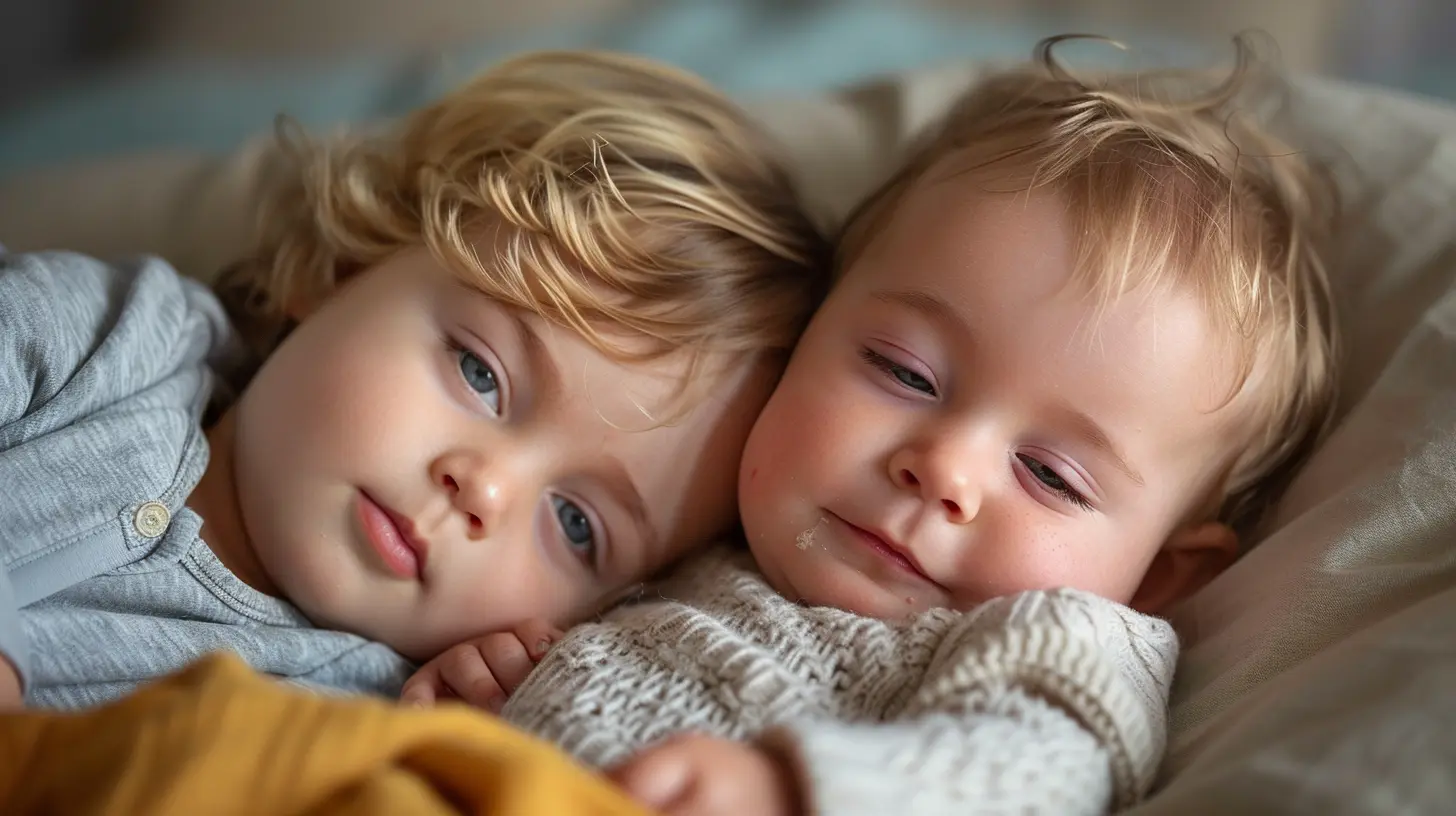
Think about it—who else besides parents knows you inside and out? Your sibling! They see you at your best and your worst. The relationship between siblings is the longest-lasting relationship most people have. When nurtured correctly, it can become one of the strongest sources of support a person will ever experience.Teaching kids to celebrate each other’s successes helps them:
- Develop empathy – They learn to put themselves in each other's shoes.
- Strengthen their bond – They become each other’s biggest cheerleaders.
- Reduce jealousy – Instead of feeling left out, they feel included in each other’s achievements.
- Build confidence – Encouraging others helps reinforce their own sense of self-worth.
Now, let’s dive into the practical ways to foster this mindset.

Encourage a Team Mindset
Instead of seeing each other as opponents, siblings should see themselves as a team. A win for one is a win for the whole family. Try using language that reinforces this idea:- “When your sister wins, we all win!”
- “Your brother’s success is like a family victory!”
You can even introduce fun team-based activities, like working together on a puzzle or a group project, to reinforce the idea that their accomplishments are interconnected.
Lead by Example
Kids absorb what they see far more than what they’re told. If you want them to celebrate others, they need to see you doing the same thing.- Cheer for your spouse when they accomplish something.
- Compliment a friend or family member on their achievements in front of your kids.
- Show enthusiasm when your child’s sibling succeeds—your excitement will be contagious.
Praise the Process, Not Just the Outcome
If kids think success is only about winning, they may struggle when they don’t come out on top. Instead, focus on praising effort, hard work, and persistence—not just victories.For example, if your daughter wins a soccer game, instead of saying, “You’re the best player ever!” say, “I love how much effort you put into practicing this week. It really showed on the field!”
Similarly, when one sibling sees another receiving praise for their dedication and persistence, they’ll learn that success isn’t just about being “naturally talented” but about effort and perseverance.
Teach Gratitude and Appreciation
Gratitude is a powerful tool in shaping a child’s mindset. When they appreciate what they have, they are less likely to be envious of others’ successes.Encourage siblings to express appreciation for each other with little habits, like:
- Saying “thank you” when one helps the other.
- Acknowledging special moments, like “Wow, that was really cool how you helped me with my homework!”
- Writing small notes or making cards for each other to celebrate big and small achievements.
Foster Healthy Competition
A little competition can be motivating, but it should never come at the expense of their relationship. Encourage competition that is about personal growth rather than trying to outshine each other.- If they both play the same sport, remind them that progress matters more than who scores the most goals.
- Create family challenges where teamwork is required, like cooking together or building something as a group.
Nip Jealousy in the Bud
Jealousy is natural, but it shouldn’t be ignored. If one sibling consistently feels overshadowed, resentment can build. Address feelings of jealousy with empathy and validation:- Acknowledge the feeling – “I know you’re feeling upset because your brother won the award. That’s okay.”
- Reframe it – “His win doesn’t take away from your talents. You have your own strengths, too!”
- Celebrate their strengths – If one child feels left out, remind them of their unique gifts and talents.
Create Family Traditions for Celebration
Make celebrating successes a family tradition! Whether big or small, find ways to acknowledge achievements collectively:- “Victory Dinners” – After big accomplishments, have a special family meal in honor of the person being celebrated.
- “Shout-Out Boards” – Have a bulletin board where family members can write positive notes about each other’s achievements.
- “Success Stories” – Encourage kids to share their achievements at the dinner table without fear of judgment.
Teach the Value of Kind Words
Words have power. Encourage siblings to speak positively about each other’s accomplishments rather than minimizing or dismissing them.Instead of:
❌ “You got lucky.”
✔ “Wow, you worked really hard for that!”
Instead of:
❌ “Big deal, it’s not that hard.”
✔ “That’s awesome! You must be so proud of yourself.”
Encouraging kindness and positive reinforcement helps create a supportive, uplifting environment.
Recognize Each Child Individually
If one child constantly receives praise while the other is overlooked, resentment can grow. Ensure each child gets recognition for their unique abilities.For example:
- One might be great at sports, while the other excels in art. Celebrate both equally.
- If one wins a trophy, acknowledge the other child’s recent effort in something they love.
Address Comparisons Head-On
Comparing siblings is one of the fastest ways to fuel rivalry and create resentment. Avoid phrases like:- “Why can’t you be more like your sister?”
- “Your brother was so much better at this at your age.”
Instead, celebrate their differences and help them see that each of them brings something special to the family.
Encourage Empathy
Empathy is the key to rooting for someone else’s success genuinely. Help children understand how great it feels when someone cheers for them, then encourage them to do the same for their sibling.One way to do this is through role-playing. Ask questions like:
- “How did you feel when your teacher praised you today?”
- “Wouldn’t it be nice if your sibling felt the same way when they accomplish something?”
This helps them make the emotional connection between encouragement and happiness.
Be Patient—It’s a Process
Teaching siblings to celebrate each other’s successes isn’t something that happens overnight. There will still be moments of rivalry and jealousy, but consistency in modeling, guiding, and reinforcing positive behaviors will help shape a supportive sibling bond over time.If you put in the effort now, you’re giving your children an incredible gift—a lifelong relationship based on love, encouragement, and mutual celebration. And honestly, isn’t that what family is all about?
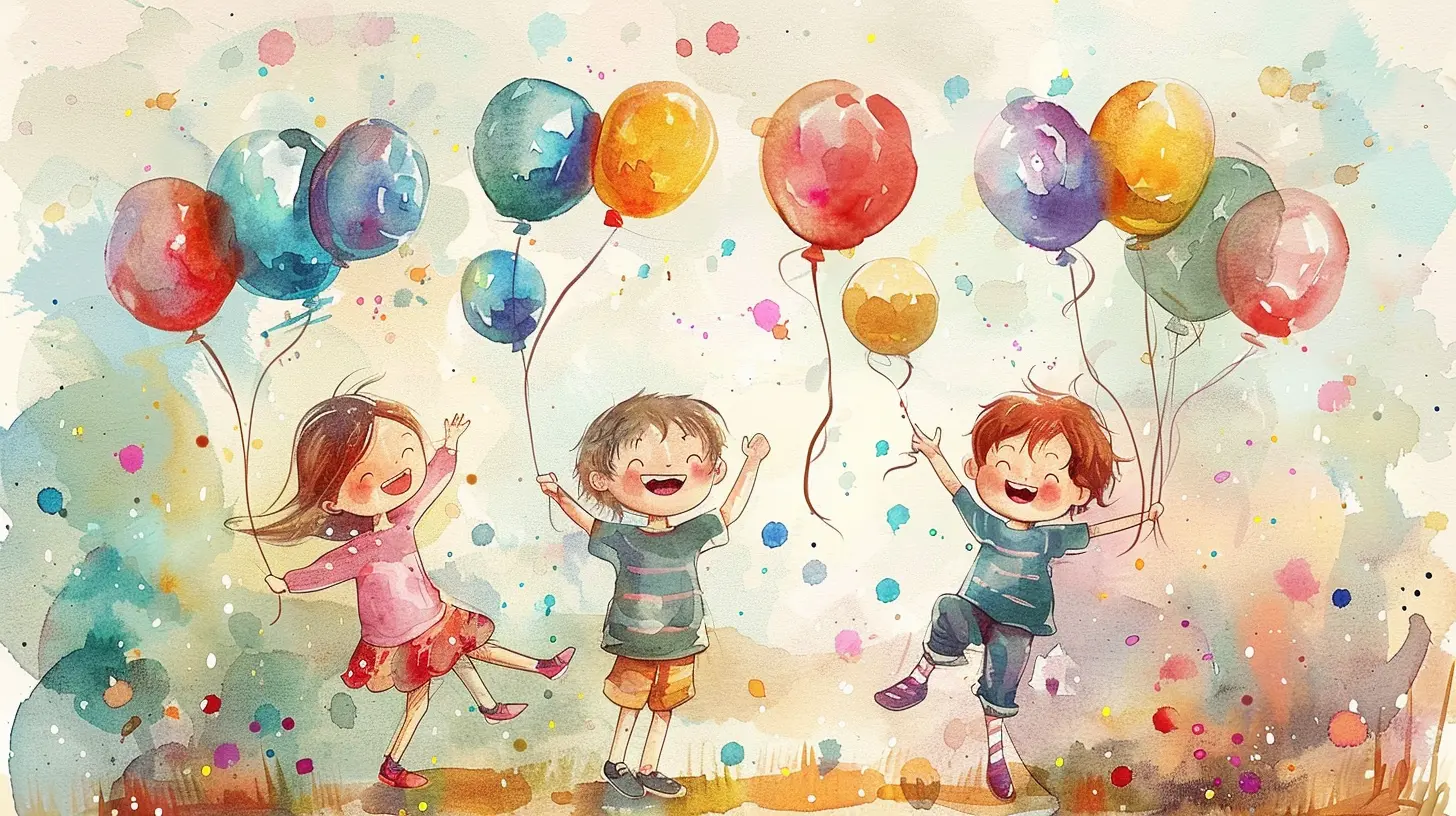
all images in this post were generated using AI tools
Category:
Sibling BondingAuthor:

Max Shaffer
Discussion
rate this article
2 comments
Savannah McLaury
This is such a great reminder! Encouraging my kids to cheer each other on has really helped them bond. It's amazing to watch their excitement when one of them achieves something. Celebrating together not only builds their confidence but also creates lasting memories. Thanks for sharing!
June 20, 2026 at 4:14 PM
Max Shaffer
I'm so glad to hear that! Encouraging sibling support really does make a difference. Thanks for sharing your experience!
Vienna McGinn
Encourage siblings to cheer for each other by highlighting individual achievements during family time. It builds confidence and strengthens their bond.
May 27, 2026 at 3:28 AM
Max Shaffer
Great point! Celebrating individual wins truly helps foster support and closeness among siblings.