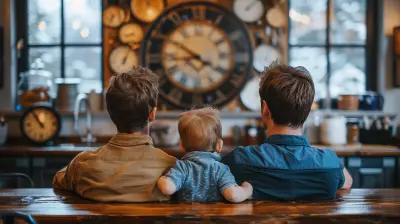
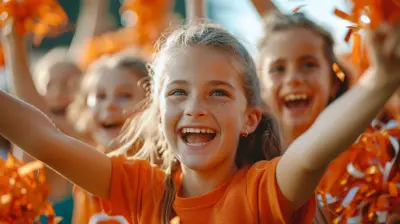
Teaching Kids to Be Grateful for People, Not Just Things
23 July 2026
Let’s face it—our culture leans hard into materialism. From the time kids are toddlers, they’re bombarded with ads, toys, gadgets, and all the shiny things. “I want that!” becomes an everyday phrase before they can even form full sentences. But here’s the thing: if we’re not careful, they grow up thinking happiness comes from what they own, not who they share life with.
That’s why teaching kids to be grateful for people—not just things—is one of the most powerful lessons we can instill. Gratitude for relationships builds empathy, resilience, and deeper emotional intelligence. So how do we go about it in a world that values stuff like it’s gold? Let’s dive into how to raise grateful little humans with hearts full of appreciation for the people who care about them.
Why Gratitude for People Matters More Than Things
Sure, it’s nice when our kids say “thank you” for birthday gifts or treats. But genuine gratitude runs deeper than polite manners. Real gratitude isn’t about being thankful for a toy because mom said so; it’s about recognizing the kindness behind the gesture, the time someone spent, or the thought that went into it.When children learn to value people over possessions, they:
- Build stronger, more meaningful connections
- Show empathy and kindness more naturally
- Become less entitled and more generous
- Feel happier and more content with what they have
And let’s be honest, isn’t that what we want? Kids who appreciate grandma’s hugs just as much as they love the new video game? It’s not just about raising “nice” kids—it’s about raising emotionally healthy ones.
The Cultural Trap: Why It’s So Easy to Overvalue Stuff
We’re all guilty of it. We hand our kids a toy when they’re upset, reward them with candy, or bribe them with screen time. And don’t even get me started on birthday parties where the gift mountain practically touches the ceiling.Kids are constantly told—through ads, social media, peers—that more is better. That the latest gadget equals happiness. That popularity comes with what you wear or own. It’s no wonder they start associating gratitude with getting instead of giving or connecting.
But here’s the kicker: the happiness from stuff fades fast—like bubblegum flavor after two chews. The connections with people? Those can last a lifetime.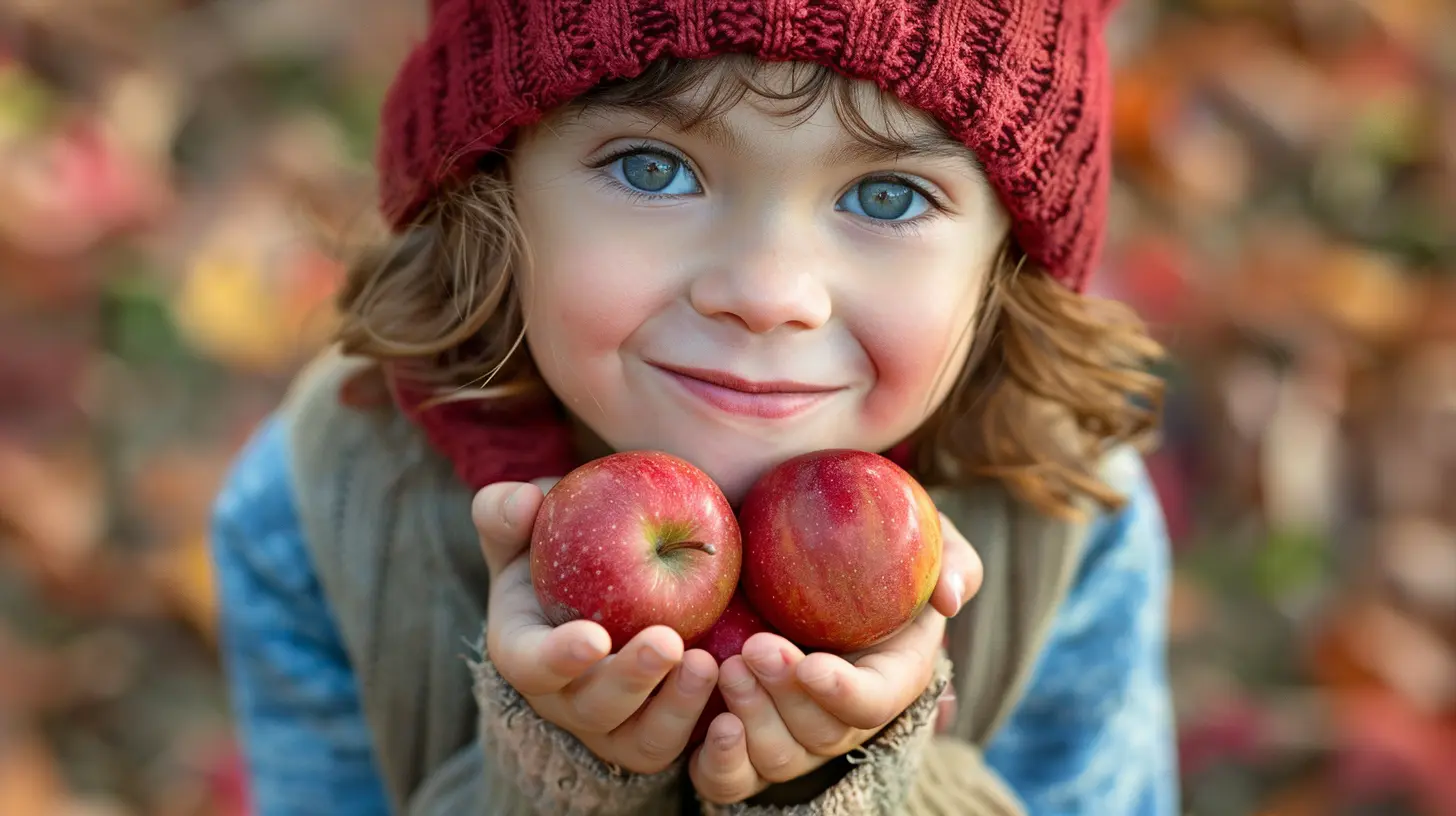
Start With Yourself: Model the Gratitude You Want to See
Let’s call this one out—our kids are watching us like little hawks. If we gush over new phones but barely say thank you to the cashier, they notice. If we complain about what we don’t have more than we appreciate the people in our lives, they mirror that.So, how do we model gratitude for people?
- Say thank you often and genuinely. To your spouse, the barista, your kids. Let them hear you mean it.
- Talk aloud about the people you’re grateful for. “I’m so lucky to have Aunt Sarah call me today. She really made me feel better.”
- Write notes, send texts, or make calls in front of them. A quick, “Hey, just wanted to say thanks for helping me yesterday” shows gratitude isn’t just a holiday affair.
Your actions are worth a thousand lectures. Show them that it’s people who make life rich—not just PayPal.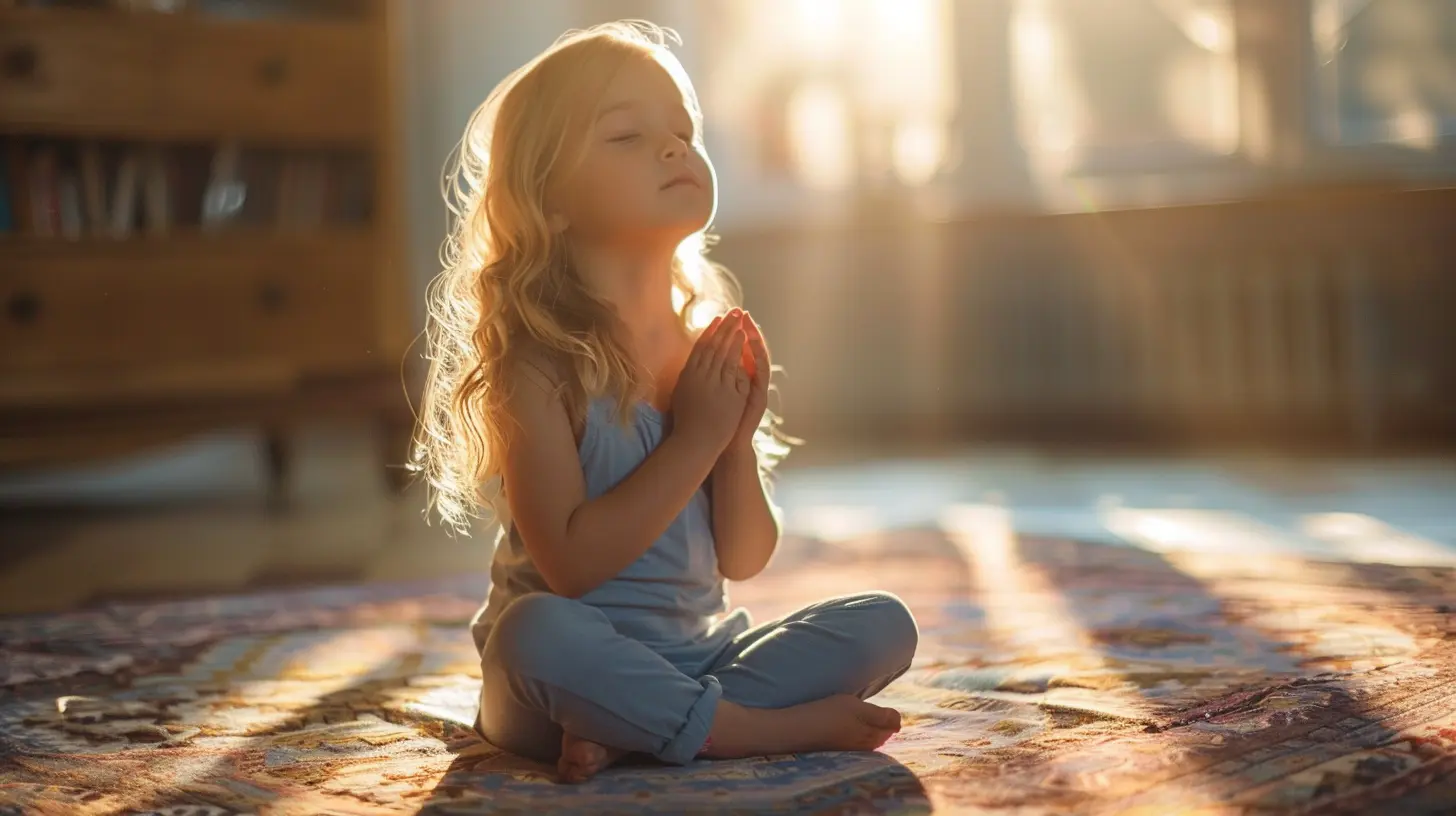
Meaningful Ways to Teach Kids Gratitude for People
Teaching this kind of gratitude doesn’t require complicated charts or Pinterest-worthy crafts. It’s about intentional, consistent reminders and conversations that highlight people over possessions.1. Reflect on People, Not Things
Bedtime is the perfect moment to ask:- “Who made you smile today?”
- “What did someone do for you that helped you?”
- “Who are you thankful for today—and why?”
It gets them thinking. Maybe their friend shared a snack or their teacher helped them understand a tricky question. Normalize these little reflections, and gratitude becomes second nature.
2. Share Stories That Highlight Kindness
Kids love stories. Use that to your advantage. Share real-life tales (from your childhood or current events) where people helped each other, were generous with their time, or stood by someone in need. Books and movies that focus on friendship, teamwork, and community are gold here.Ask follow-up questions like, “How do you think that made the other person feel?” or “What would you have done?” It’s all about getting that empathy muscle working.
3. Volunteer—Even in Small Ways
Nothing builds appreciation for others like helping others. Volunteering as a family shows your child that everyone has value, and that connecting with people in need is meaningful.Start small—pack lunches for a shelter, make cards for hospital patients, or donate old toys together. But don’t just “do”—talk about the people receiving them. Ask questions like, “Who do you think will smile when they get this?”
4. Celebrate People, Not Just Achievements
We tend to celebrate what people do—awards won, grades earned, goals scored. But what about who they are?Take time to praise kindness. “It made me so proud that you helped your friend pack up her books when she was overwhelmed.” Or, “I love that you noticed Grandpa looked tired and gave him a hug. That shows such a caring heart.”
Shift the spotlight from performance to presence.
5. Teach Them to Express Gratitude in Words and Actions
Yes, thank-you notes are still a thing—and they’re powerful. Help your kids write or draw little notes to teachers, friends, babysitters, or anyone who’s touched their heart. Even a sticky note with a doodle can mean a lot.Better yet, teach them small acts of service: making breakfast for a sibling, offering help around the house, calling grandma just to say hello. These are the ways gratitude becomes action, not just words.
When They Don’t Feel Grateful—And That’s Okay Too
Look, your kid won’t always gush with appreciation. There will be eye-rolls. There will be “ugh, do I HAVE to say thank you?” moments. That’s normal. Gratitude, like any skill, takes time to grow.Don’t force it. Instead, keep planting tiny seeds daily. Highlight moments of connection. Offer gentle reminders. Most importantly, create a family culture where people matter more than prizes. Trust the process.
Gratitude Grows With Connection
Sometimes we think we have to teach gratitude with big, planned lessons. But really, the best teaching moments happen in the middle of everyday life:- When your child notices their friend crying and offers a hug.
- When they say “thank you” to their sibling for sharing.
- When they smile and wave at the mail carrier.
All of these little moments stitch together into a heart that notices people. That values relationships. That’s not just grateful for the gift—but the giver too.
Final Thoughts: Raise Kids Who See Hearts, Not Just Hands
In a world that pushes “more” as the path to happiness, let’s raise kids who know better. Kids who see past the wrapper and notice the hand that gave it. Who realize that a person’s time, love, and kindness are worth more than anything money can buy.It starts with us. Let’s slow down, point out the people behind the moments, and remind our kids that while toys break and clothes go out of style, the warmth we get from human connection never fades.
So next time your kid opens a gift, help them look up—not just at what’s in the box, but at the person smiling behind it.
all images in this post were generated using AI tools
Category:
Teaching GratitudeAuthor:

Max Shaffer
Discussion
rate this article
1 comments
Jade McCabe
What a lovely reminder! Teaching kids to appreciate people builds their hearts and minds in ways things never can. Simple moments, like sharing a laugh or a kind word, can spark gratitude. Let's create a generation that values connections over possessions... that's true wealth!
July 25, 2026 at 4:35 AM
Max Shaffer
I couldn't agree more! Those simple connections are priceless and shape our children's values for a lifetime. Gratitude for people truly is the foundation of true wealth.