Teaching Kids Gratitude Through Mindfulness
5 January 2026
Gratitude is more than just saying "thank you." It's a way of seeing the world with appreciation and joy. And guess what? Teaching kids gratitude through mindfulness can shape their attitudes, boost their happiness, and even make them more compassionate.
But how do we do it? How do we help our kids embrace gratitude and truly feel it, rather than just muttering the words? That’s where mindfulness comes in.
Let's break it down into simple, practical steps that you can start using today! 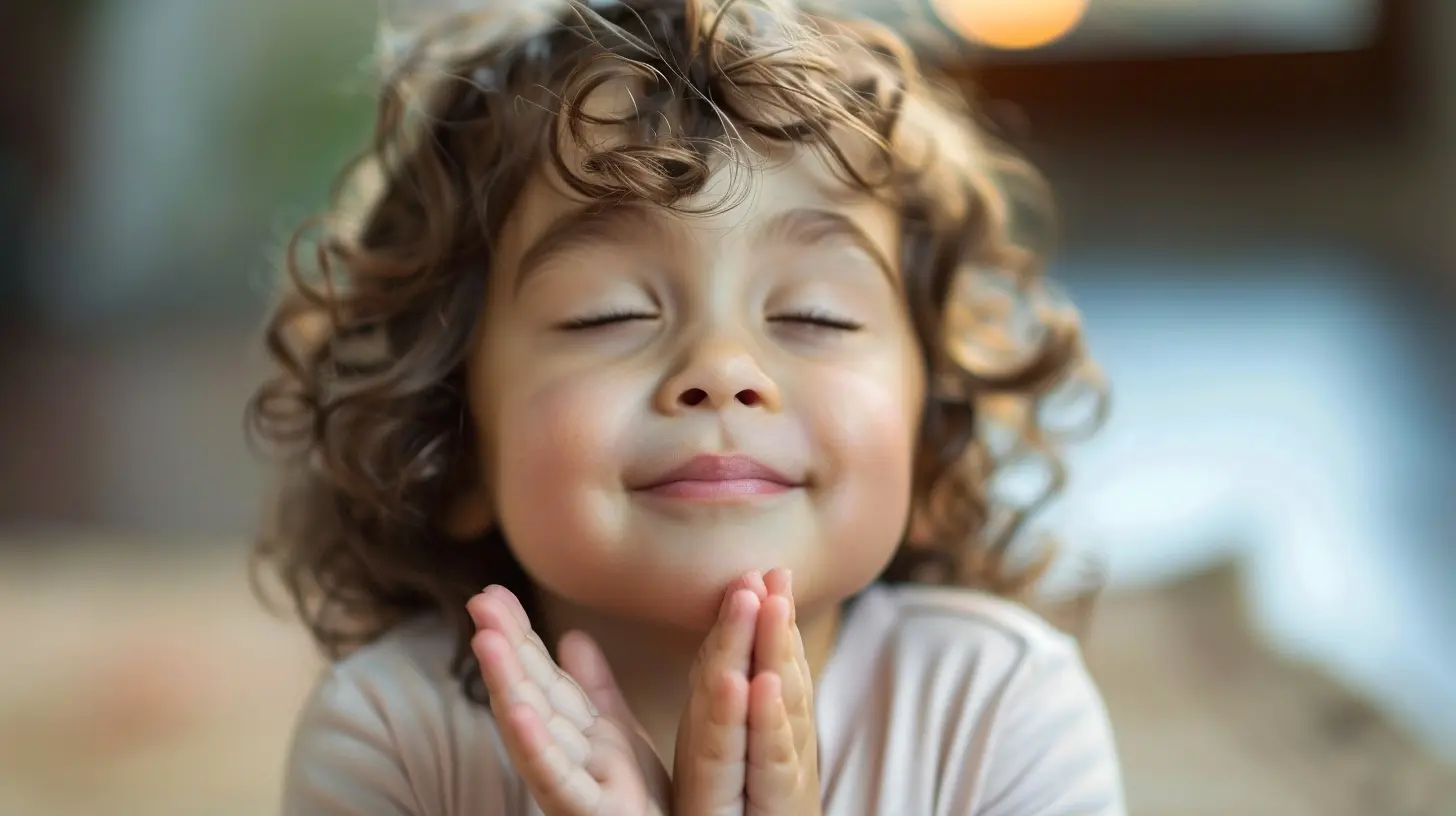
Why Gratitude Matters for Kids
Kids aren't naturally born with a sense of gratitude. In fact, young children often think the world revolves around them (and honestly, in their little world, it does!). A sense of gratitude develops over time, especially when parents actively nurture it.Teaching kids to be grateful helps them:
- Appreciate what they have instead of always wanting more
- Become more resilient when facing challenges
- Develop stronger relationships by recognizing the kindness of others
- Feel happier and less stressed because gratitude shifts focus toward the positive
And the best part? Gratitude isn’t an inborn personality trait—it’s a skill that can be taught. 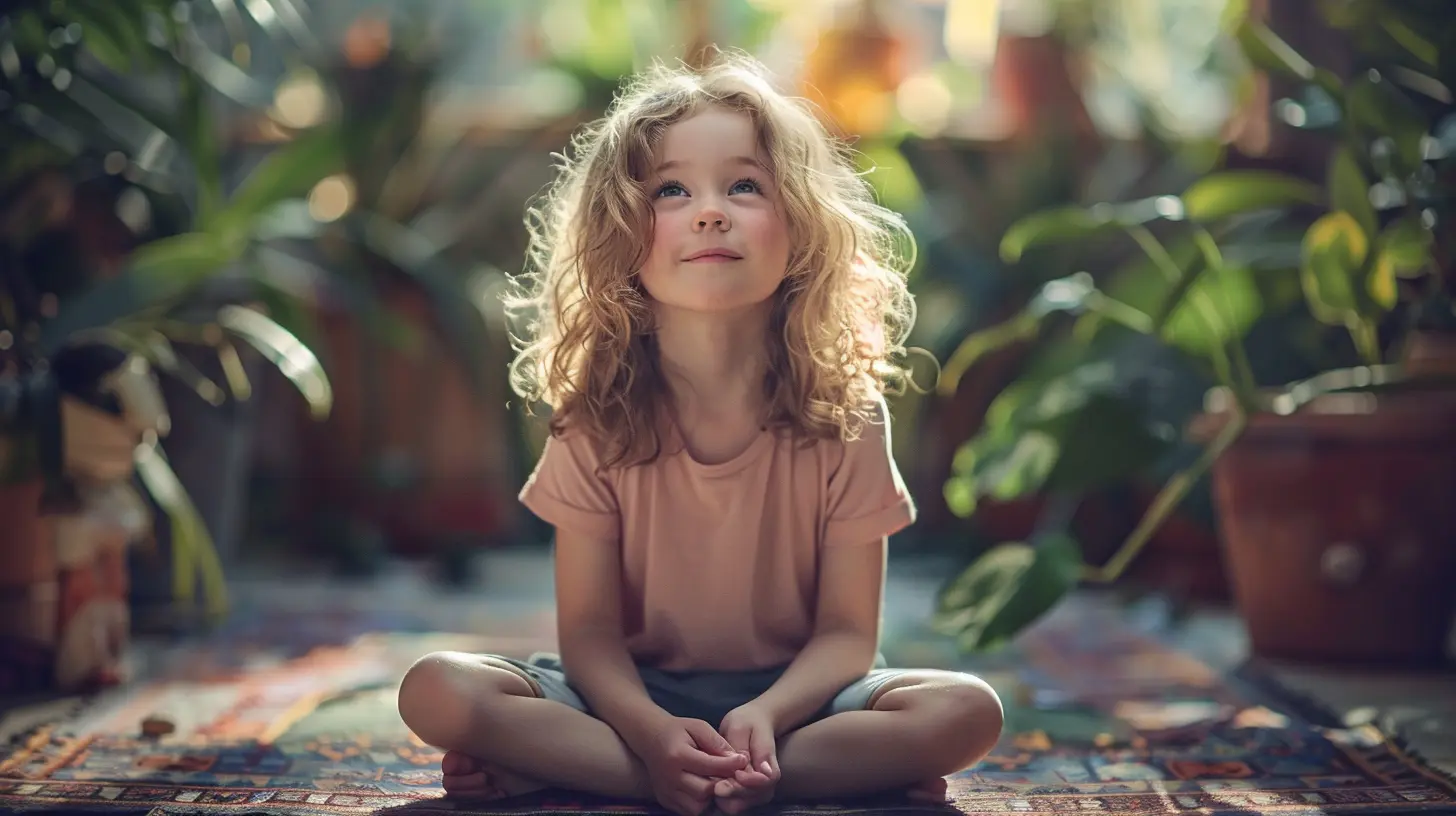
What Is Mindfulness, and How Does It Help with Gratitude?
Mindfulness is simply being present in the moment, paying attention to thoughts, feelings, and surroundings without judgment. When kids practice mindfulness, they become more aware of the good things in their lives, making gratitude come more naturally.Imagine a child scarfing down a meal without even noticing the taste. Now, picture that same child being mindful—savoring each bite, appreciating the flavors, and recognizing the effort that went into making the food. That’s how mindfulness nurtures gratitude! 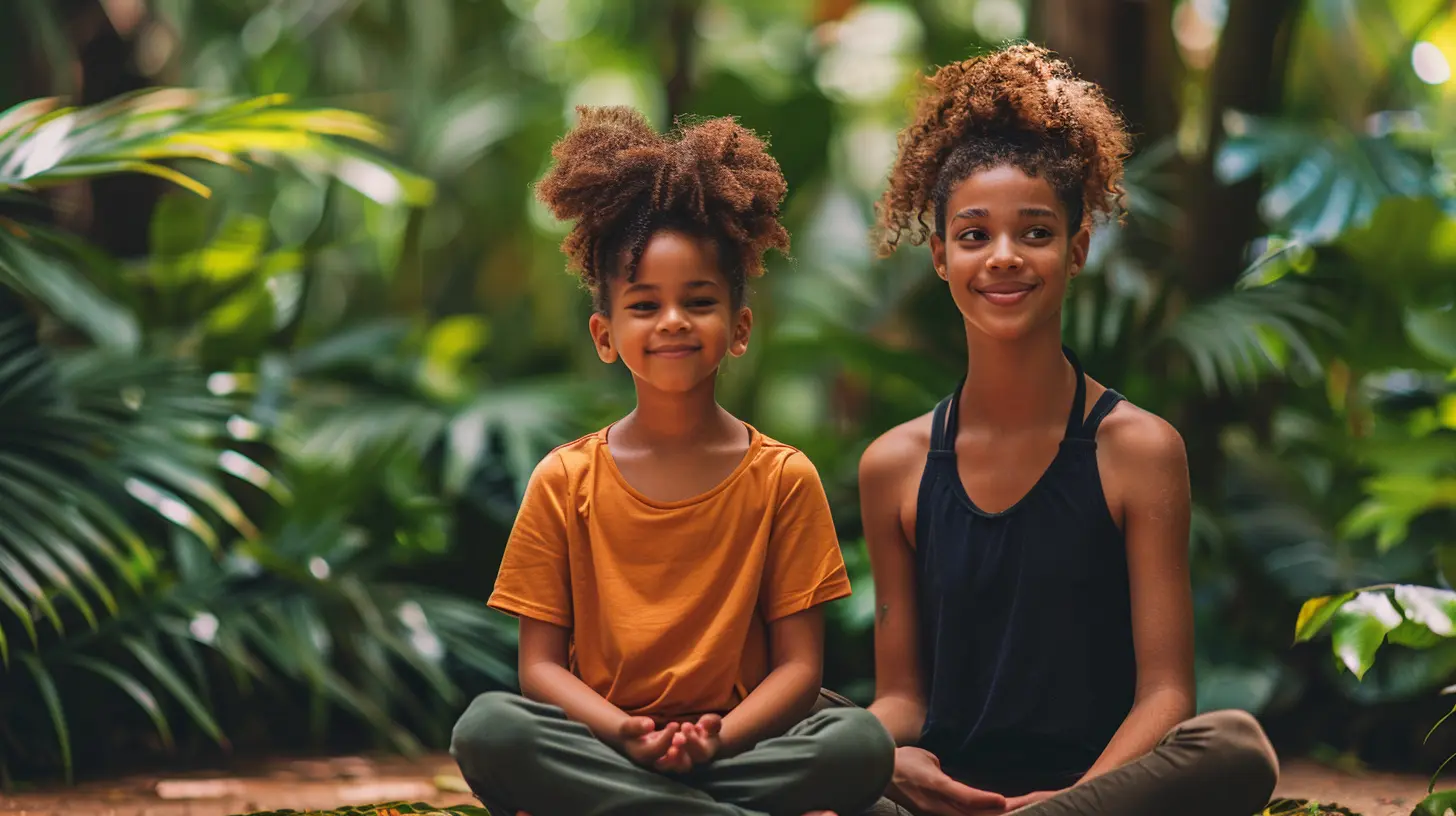
Easy Ways to Teach Kids Gratitude Through Mindfulness
You don’t need fancy tools or long lectures to teach gratitude. Here are some easy ways to incorporate mindfulness into your child's daily routine.1. Start a Gratitude Journal
Encourage your child to write or draw something they’re grateful for each day. It could be as simple as:- "I'm thankful for my cozy bed."
- "I loved playing with my friend today."
- "Mom made my favorite pancakes for breakfast!"
Writing things down helps kids focus on the positives and recognize how much they have to appreciate.
2. Practice the "Five Senses Gratitude Check-In"
This simple exercise gets kids to connect gratitude with their senses. Ask them:- What’s something you see that makes you happy? (A favorite toy, a sunset, a smile)
- What’s something you hear that you love? (A song, laughter, birds chirping)
- What’s something you smell that makes you feel good? (Cookies baking, fresh flowers)
- What’s something you taste that you enjoy? (Chocolate, a crunchy apple)
- What’s something you feel that brings comfort? (A warm hug, a soft blanket)
This helps kids slow down and appreciate everyday moments.
3. Teach Gratitude at Mealtime
Make gratitude a habit at the dinner table. Before eating, go around and have each person say one thing they’re thankful for that day.It could be as simple as:
- "I'm grateful for my pet."
- "I’m happy I got to play outside today."
- "I loved the story we read together."
This not only builds appreciation but also creates meaningful family moments.
4. Encourage Thank-You Notes
A handwritten thank-you note is a lost art, but it’s a powerful way to teach gratitude.Encourage your child to write or draw a thank-you note for a teacher, friend, or relative. If they’re too young to write, they can dictate while you write. Even a simple picture with “thank you” on it teaches them to recognize kindness and express appreciation.
5. Model Gratitude Yourself
Children learn best by example. When they see you practicing gratitude, they’re more likely to do the same.Try saying things like:
- "I’m so thankful for this beautiful weather."
- "I appreciate how kind you were to your friend today."
- "That meal was delicious. Thank you for making it!"
When gratitude is a natural part of your conversations, kids pick up on it effortlessly.
6. Use Mindful Breathing with Gratitude
A simple mindful breathing exercise can help kids connect with gratitude.Try this:
- Take a deep breath in and think of something good that happened today.
- Exhale slowly and whisper “thank you” in their mind.
This helps kids slow down, reflect, and appreciate the present moment.
7. Turn Complaints into Gratitude Moments
Kids (and adults!) love to complain. But next time your child whines about something, help them shift their mindset.If they say, “I hate cleaning my room,” you can respond:
- “I understand! But isn’t it nice to have a room filled with your favorite things?”
If they grumble about homework:
- “It can be tough, but isn’t it cool that you get to learn new things?”
This doesn’t mean dismissing their feelings—it’s about helping them reframe their thoughts in a positive way.
8. Create a Gratitude Jar
Find a simple jar, and every time your child feels grateful, have them write (or draw) it on a small piece of paper and drop it in.At the end of each week (or month), open the jar and read through all the notes together. This helps kids reflect on and celebrate the good in their lives.
9. Gratitude through Acts of Kindness
Gratitude isn’t just about feeling thankful—it’s about showing it! Encourage kids to express gratitude through small acts of kindness, like:- Holding the door for someone
- Sharing toys with a sibling
- Helping a friend clean up
- Giving a compliment
When kids experience the joy of giving, they naturally become more grateful.
10. Mindful Gratitude Walks
Go for a short walk and encourage your child to notice and appreciate little things in nature.- The sound of birds singing
- The smell of fresh grass
- The warmth of the sun on their skin
By paying attention to their surroundings, kids learn to be present and appreciative of life’s small wonders. 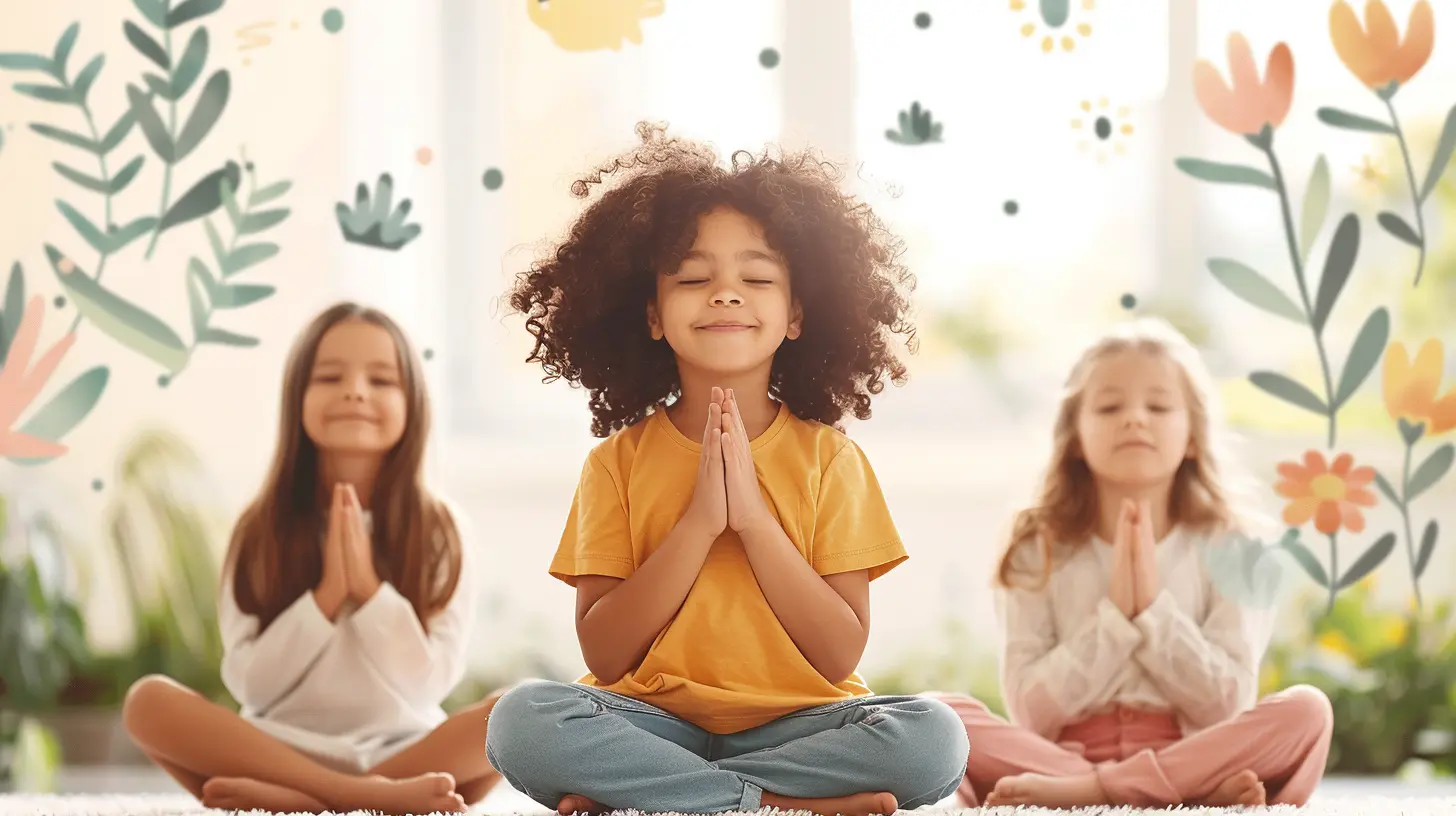
Final Thoughts
Gratitude and mindfulness go hand in hand. By teaching kids to slow down, appreciate the present, and recognize the good in their lives, we help them develop a lifelong habit of thankfulness.And remember, you don’t have to do everything all at once. Start small. Choose one or two activities and build from there. The key is consistency—when gratitude becomes a daily practice, it sticks!
So, are you ready to raise a grateful little human? Let’s make gratitude a way of life, one mindful moment at a time.
all images in this post were generated using AI tools
Category:
Mindful ParentingAuthor:

Max Shaffer
Discussion
rate this article
2 comments
Tatianna Patterson
Unlock the secret power of gratitude: a journey where mindful moments transform your child's heart, weaving connections that echo through their future.
January 23, 2026 at 5:58 PM
Max Shaffer
Thank you! Embracing gratitude through mindfulness truly shapes our children's emotional resilience and strengthens their connections.
Callie McCarty
Unlock their hearts: mindfulness reveals gratitude's hidden treasures in everyday moments.
January 9, 2026 at 6:02 AM
Max Shaffer
Thank you! Mindfulness indeed helps children appreciate the beauty in everyday moments, fostering a deeper sense of gratitude.