Smart Devices for Kids: Tools or Trouble in 2026?
20 April 2026
Remember when the biggest tech dilemma we faced was whether to let our kids have that Tamagotchi? Fast forward to today, and the landscape looks more like a scene from a sci-fi movie. We’re handing our toddlers tablets to quiet a tantrum, strapping GPS trackers to our tweens’ backpacks, and wondering if the robot tutor is doing a better job with math homework than we ever could. As we barrel toward 2026, the question isn't whether our kids will use smart devices—they’re already swimming in them—but how this digital immersion is shaping their childhoods. Are these gadgets the Swiss Army knives of modern parenting, or are we unwittingly signing up for a subscription to Trouble, LLC? Buckle up, grab your own (probably smart) coffee mug, and let’s dive in.
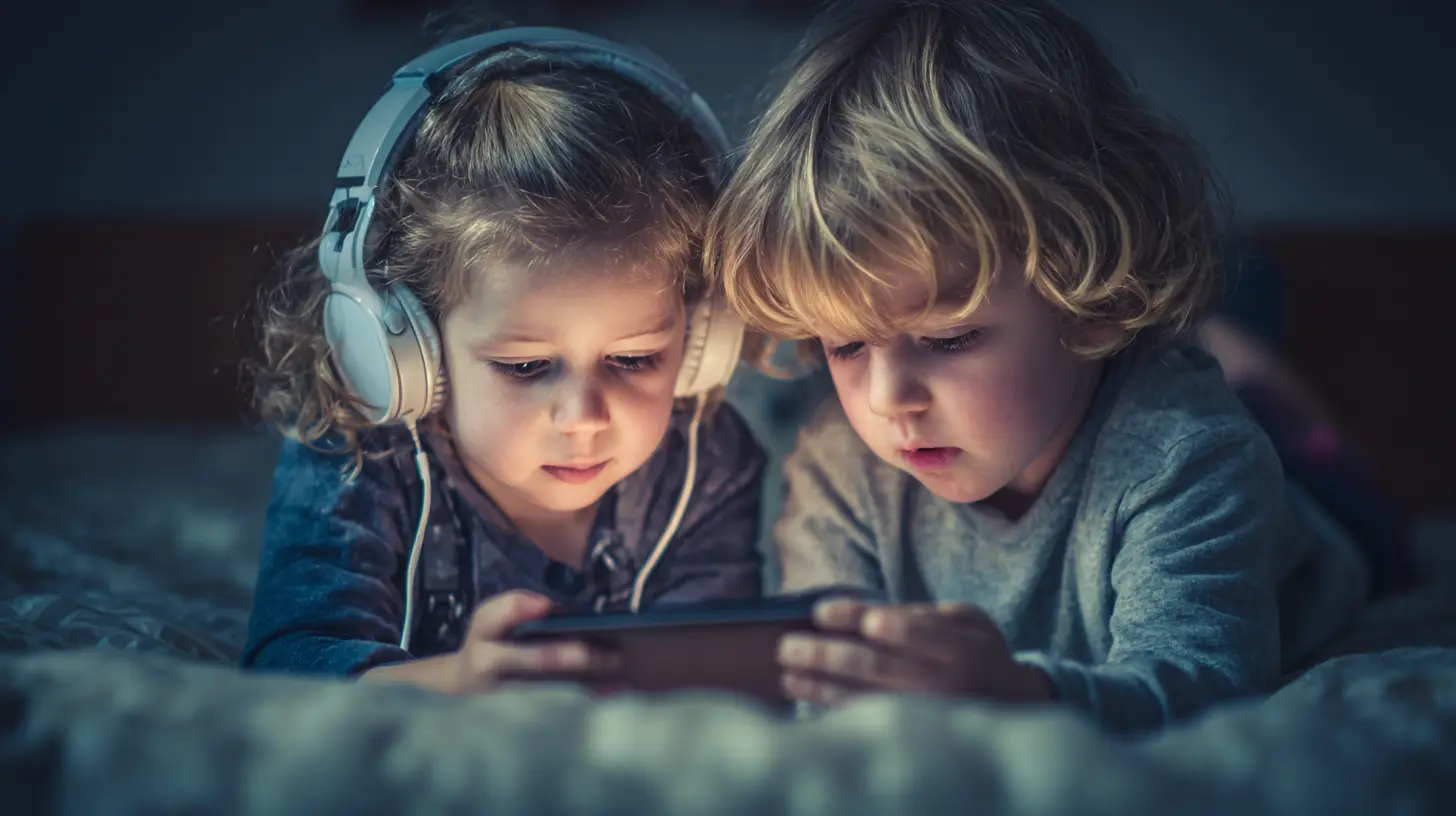
The Digital Playground: From Pacifiers to Personal Tutors
Let’s be brutally honest for a second. The phrase “smart device for kids” often translates in parent-brain to “digital pacifier.” And hey, no judgment here. That moment of peace in a crowded restaurant when you hand over a tablet loaded with educational games? That’s not a parenting fail; that’s a tactical survival maneuver. But by 2026, these devices have evolved far beyond simple distraction tools.Imagine a world where your child’s smartwatch doesn’t just count their steps but analyzes their play patterns, suggesting outdoor activities tailored to develop their gross motor skills. Picture an interactive globe that not only shows countries but tells stories about their cultures in response to your kid’s curious touch, powered by a gentle, kid-safe AI. These are the tools on the horizon. They promise personalized learning that adapts to your child’s pace, turning frustration into “aha!” moments. They offer connection—a safe, video-call window to Grandma across the country. In many ways, they are incredible tools, democratizing access to information and customized education in a way previous generations could only dream of.
But here’s the rub: when does the tool start using the user? If the globe is telling all the stories, are we, the parents, telling fewer? If the AI tutor is infinitely patient, does it lower our own tolerance for helping with the tenth consecutive “why?” question? It’s a weird twist, isn’t it? We’re outsourcing some of the core functions of parenting—teaching, answering, even playing—to algorithms. The tool is brilliant, but the trouble might be in what we, as a society, are subtly training ourselves to give up.
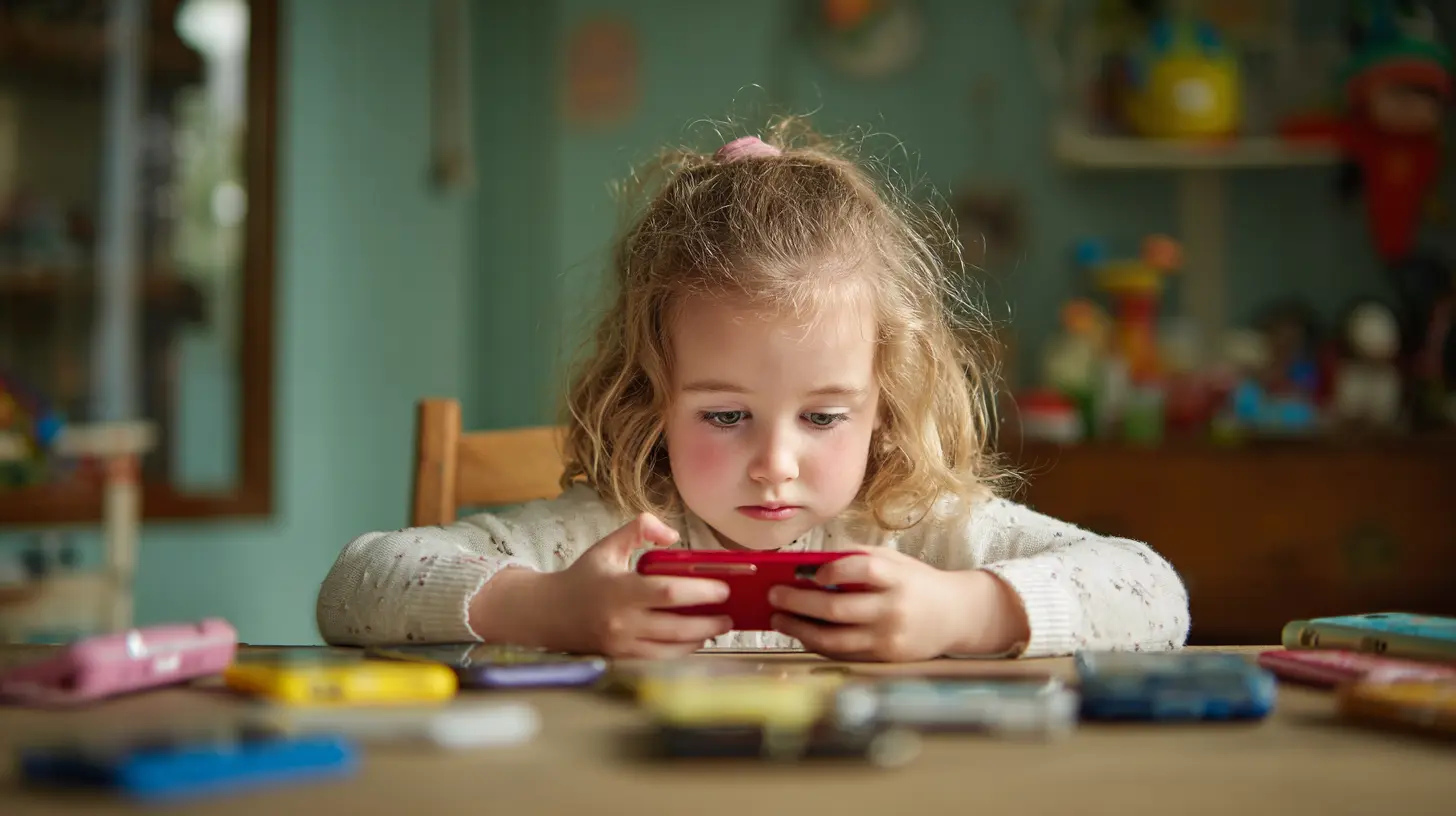
The Trouble with the Always-On Umbrella
Now, let’s talk about the “Trouble” side of the equation. And I’m not just talking about screen time blues. By 2026, the integration will be so seamless, so ubiquitous, that the trouble will be harder to spot. It’ll be woven into the fabric of their lives.Think of it like this: We’re giving our kids a magical, always-on umbrella. It protects them from rain (boredom), shines a light in the dark (instant answers), and even tells them which way the wind is blowing (social cues via apps). Fantastic! But what happens when they never learn what it feels like to get a little damp? To sit with boredom and let their own imagination build a fort out of it? To navigate a social hiccup without an app mediating the apology?
The Data Dilemma: This is the big, hairy monster in the closet. That adorable smart teddy that cuddles your child and also records their speech patterns to “improve language skills”—where is that data going? Who owns the map of your child’s emotions, preferences, and fears that these devices are meticulously charting? In 2026, the trouble isn’t just about too much Minecraft; it’s about your kid’s childhood becoming a data set in a corporate server farm. The terms and conditions are longer than War and Peace, and let’s be real, none of us are reading them. We’re trading privacy for convenience, and our kids are the currency.
The Social Skill Slowdown: Remember learning to read a room? It was a messy, awkward, in-person sport. By 2026, a significant chunk of our kids’ social initiation might happen through avatars and curated profiles. The trouble here is a potential atrophy of the real-world social muscles. Negotiating who gets the swing, seeing the immediate hurt in a friend’s eyes, sharing a physical toy—these are irreplaceable tutorials in empathy. A smart device, no matter how advanced, can’t replicate that messy, beautiful feedback loop.

2026: The Year of the Hybrid Childhood?
So, what’s the forecast for 2026? I don’t think it’s a dystopia of kids glued to holograms. Nor is it a utopia where AI raises perfect, genius children. The reality will be messier, more nuanced—a hybrid childhood.Our kids will likely flow between the digital and physical worlds with an ease that makes our heads spin. Their homework will be a mix of handwritten notes and AI-collaborated projects. Their friendships will be maintained through a blend of fort-building in the backyard and planet-building in a shared virtual universe. The tool and the trouble will be two sides of the same very shiny, very connected coin.
Our job, as the parents hurtling toward this future, isn’t to smash the gadgets with a Luddite hammer (tempting as that may be during a Fortnite marathon). It’s to become the ultimate moderators, translators, and anchors.
We need to be the ones who:
* Teach Digital Literacy: This goes beyond “don’t talk to strangers.” It’s about understanding how algorithms work (“Why does your feed only show that?”), what data is, and how to create versus just consume.
* Fiercely Guard Unplugged Zones: The dinner table, the car (sometimes!), the first hour after school. These become the digital-free sanctuaries where old-fashioned human connection gets to flex its muscles.
Co-Engage: Instead of just handing over the device, use it with* them. Play the educational game together. Watch the weird YouTube video and talk about it. Be the bridge between the device and the real-world context.
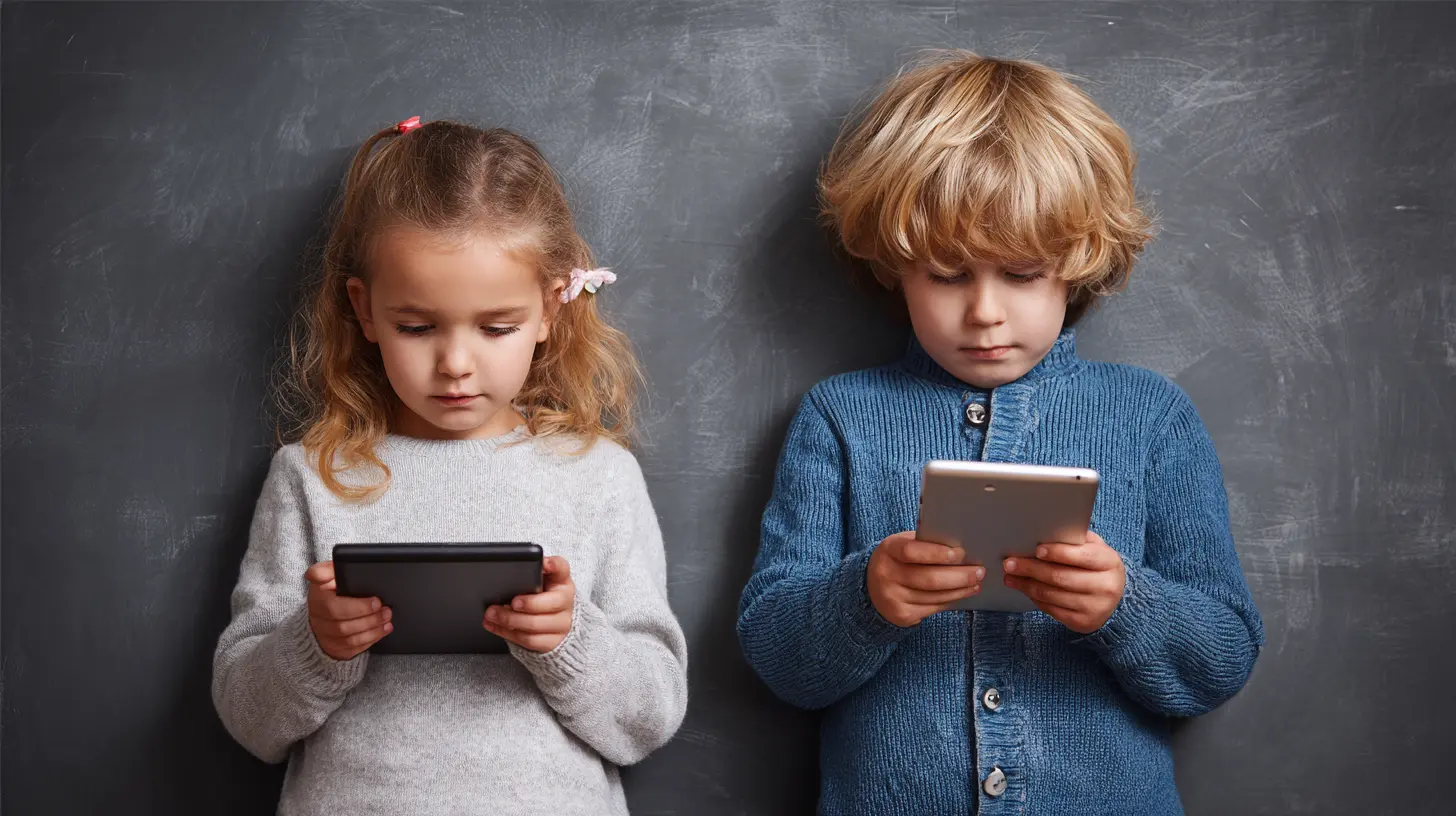
The Bottom Line: It’s Not the Device, It’s the Dialogue
The smart devices of 2026 are neither angels nor demons. They are incredibly powerful amplifiers. They will amplify educational opportunities, creative outlets, and global connections. But, left unchecked, they will also amplify anxiety, passive consumption, and corporate data harvesting.The real “smart device” in this equation isn’t the watch or the tablet. It’s us. It’s our ability to stay engaged, to set boundaries with the courage of a lion tamer, and to keep talking to our kids—about what they’re seeing, doing, and feeling both on and off the screen.
So, will 2026 be a year of tools or trouble? The answer is a resounding, chaotic, exhausting, and hopeful “yes.” It will be both. The outcome depends less on the technology Silicon Valley dreams up and more on the old-school, human-level firmware we choose to install at home: attention, conversation, and a whole lot of love (plus a stubborn commitment to occasionally unplug the router and claim it’s “broken”).
all images in this post were generated using AI tools
Category:
Parenting And TechnologyAuthor:

Max Shaffer
Discussion
rate this article
2 comments
Giovanna Sheppard
As we navigate the digital landscape in 2026, we must balance the benefits of smart devices with their potential pitfalls. Are we equipping our children with tools for learning, or inadvertently fostering dependency and distraction? Mindful engagement and intentional limits will be essential in shaping a healthy relationship with technology.
April 22, 2026 at 4:12 AM
Max Shaffer
Absolutely, finding a balance is crucial. We need to ensure that smart devices enhance learning while promoting healthy habits to prevent dependency and distraction. Mindful engagement is key.
Caitlin Wyatt
Great article! It's essential to balance smart device use with hands-on activities. Encouraging critical thinking and setting boundaries can turn potential trouble into valuable learning experiences for our kids. Thanks for the insights!
April 21, 2026 at 4:30 PM
Max Shaffer
Thank you for your thoughtful comment! Balancing device use with hands-on activities is key to fostering critical thinking in kids. Glad you found the insights helpful!