Simple Steps to Safeguard Your Living Room from Curious Kids
16 February 2026
Let’s face it—once your little one starts crawling or walking, your home instantly turns into one big adventure park. And right at the heart of it all? The living room. Yep, that cozy spot where you binge-watch your favorite shows and where the coffee table seems to scream “climb me.” It quickly becomes a playground full of hidden hazards for curious kiddos.
So, how do you make your living room safe while still keeping it stylish and functional? That’s what we’re digging into today. Whether you're a first-time parent or you're wrangling your third toddler tornado, these simple steps will help baby-proof your living space without turning it into a padded cell.
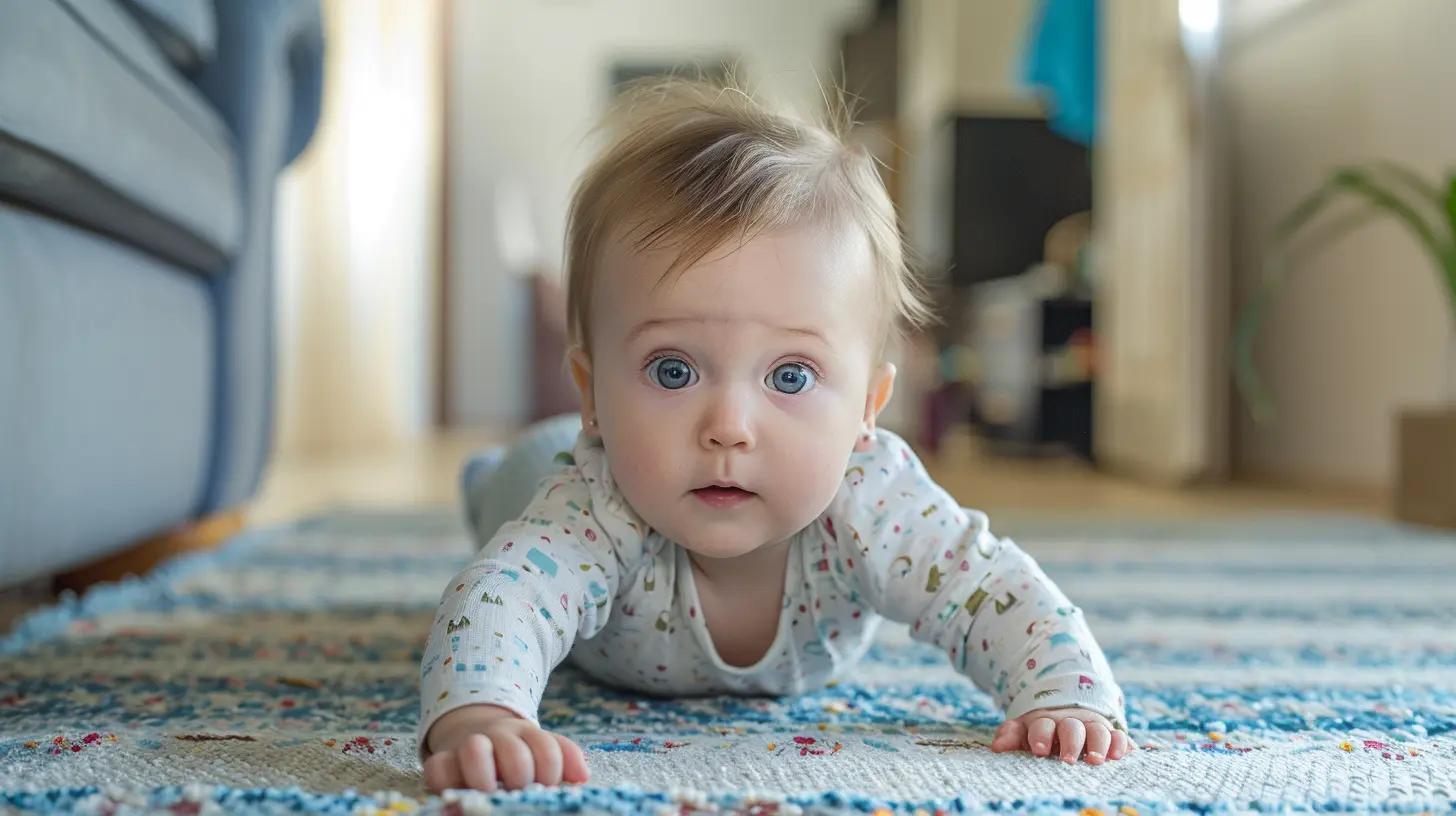
Why the Living Room is a Danger Zone for Toddlers
Your living room may look harmless at first glance, but to a curious child, it’s like a jungle gym loaded with shiny, climbable, chewable treasures. Think about it: heavy furniture, sharp corners, electrical outlets, remote batteries, cords, candles—the list kinda goes on and on.But don’t worry, you don’t need a complete renovation. With a few thoughtful tweaks, you can make your living room safe without sacrificing comfort or style. Let’s break it down.
Step 1: Anchor Heavy Furniture
Here’s a scenario: You look away for just two seconds, and suddenly, your toddler is yanking on the TV stand. Scary, right?To prevent tip-over accidents, anchor all heavy furniture—TV stands, bookcases, dressers, display cabinets—to the wall. Most baby-proofing kits offer anti-tip straps that are inexpensive and easy to install. Trust me, it's one of those "better safe than sorry" steps that can literally save a life.
Bonus Tip:
If you rent and can’t drill screws into the wall, go for no-drill furniture anchors. They’ll still get the job done!
Step 2: Hide and Tame The Cords
If there’s one thing toddlers love more than snacks, it’s pulling on cords. Lamp cords, charger cords, TV cords—they’re like VIP ropes inviting your child backstage.Bundle cords together and hide them behind furniture using cord covers or cord management boxes. Get creative—Velcro straps, zip ties, and even toilet paper rolls can help tidy things up.
Don’t Forget:
Secure blind and curtain cords out of reach too. Those dangling strings might as well be toys to a toddler’s eyes.
Step 3: Cushion The Corners
Coffee tables, TV stands, and side tables—basically any furniture with hard edges—is a bruise waiting to happen. One excited run across the room and bam, tears.Invest in soft corner guards and edge bumpers. You’ll find them in all shapes, sizes, and colors to match your decor. It’s like giving your furniture a cozy sweater... and your toddler some armor.
Step 4: Ditch Fragile Decor
I know, I know. That glass vase is just so you. But until your child is old enough to say “aesthetic,” it’s time to pack away the breakables.Bubble-wrap anything fragile or sentimental and store it out of reach—or out of the living room entirely. Same goes for small objects that pose choking hazards, like decorative marbles or ceramic figurines.
Quick Check:
If it can fit through a toilet paper roll, it’s too small to be toddler-safe. Simple as that.Step 5: Lock It Down—Literally
Ever caught your kid opening a drawer or cabinet and pulling out something wildly inappropriate—like scissors or your favorite lip balm? Yeah, same.Childproof locks and latches are game-changers. Use them on storage cabinets, drawers, and even entertainment centers. Magnetic locks are discreet and super effective…and your toddler has no clue how to open them. Score!
Step 6: Secure The Fireplace (If You Have One)
Fireplaces are warm and cozy, but to a toddler? They're practically a danger magnet. If you’ve got one, make sure it’s completely off-limits.Install a baby gate or fireplace screen to keep little hands away. And if it’s a gas fireplace, be extra cautious—the glass can stay hot long after the fire's out. Always cool to the touch? Double-check it yourself.
Step 7: Create a Kid-Friendly Zone
Let’s face it—your toddler is going to want to be in the living room. So instead of spending all your energy pushing them away, why not welcome them with open arms?Set up a mini “yes space” within the living room that’s 100% safe. Stack it with soft toys, board books, and puzzles. A comfy mat or mini playpen can help define the area. Not only will your child love it, but you’ll also get a few blissful minutes of peace knowing they’re safe and entertained.
Step 8: Mind the Floors
Floors are for more than walking—they’re for rolling, crawling, tumbling, and dancing (preferably barefoot to Baby Shark). So make sure they’re safe too.- Area Rugs: Secure them with rug grippers so they don’t slip.
- Slippery Surfaces: Put down play mats or foam tiles.
- Small Objects: Vacuum often to keep choking hazards at bay (hello, mystery coins and LEGO bricks).
Pro Tip:
Choose low-pile rugs that are easier to clean and less likely to become tripping hazards.Step 9: Electrical Safety is a Must
Those little wall outlets look like smiley faces to kids... but we know better. Keep those curious fingers safe by installing outlet covers. You can go for basic plug-in types or more secure sliding plate covers.Also, keep electronics like remote controls, game controllers, and phones out of reach—many contain button batteries, which are extremely dangerous if swallowed.
Step 10: Keep It Bright, Keep It Safe
Good lighting isn’t just about ambiance—it’s about safety too. Make sure your living room is well-lit, especially at night when you're tiptoeing around toys on a mission to find your phone.Use motion sensor lights or night lights so you’re not fumbling in the dark (and stepping on that one rogue train car).
Bonus Step: Supervision Is Still Key
Even with a room full of safety features, the best form of baby-proofing is you—watchful, alert, and always ready to intercept trouble (like a superhero in sweatpants).No gadget can replace parental presence. So while you’re sipping coffee or scrolling through your feed, keep one eye on your little explorer. You’ve got this.
Real Talk: It Doesn’t Have to Be Pinterest-Perfect
Here’s the thing: your living room doesn’t have to look like it came straight out of a showroom to be safe. Kid-proofing is all about function over form.Yes, the foam edge protectors may clash with your chic Scandinavian aesthetic, and the playpen might take up half your space—but that’s okay. This season of life is gloriously messy, and safety always wins over style.
With a little effort and some clever tweaks, you can create a happy medium—a living room that’s both safe for your child and still a haven for you.
Final Thoughts
Parenting is all about adapting, and your home evolves just like your family does. A living room that’s perfect for a newborn might need a toddler upgrade in a few months. Take it step-by-step, be patient with the process, and know that every cushioned corner and locked drawer is an act of love.So go ahead—anchor that bookshelf, stash that glass decor, and turn your living room into a space that feels safe, warm, and totally family-friendly. Because the best kind of living room? Is the one where everyone can actually live.
all images in this post were generated using AI tools
Category:
ChildproofingAuthor:

Max Shaffer
Discussion
rate this article
2 comments
Mandy Bishop
Great tips! Creating a safe space for kids helps everyone relax and enjoy together.
February 18, 2026 at 5:25 AM
Max Shaffer
Thank you! A safe space truly enhances family time and fosters a positive environment for everyone.
Malia Snyder
This article offers practical tips for creating a safe and inviting living room for both parents and children. By implementing these simple steps, caregivers can foster a secure environment that encourages exploration while minimizing potential hazards. A valuable read for any family!
February 17, 2026 at 3:22 AM
Max Shaffer
Thank you for your kind words! I'm glad you found the tips helpful for creating a safe space for families.