Recognizing the Early Signs of Parental Burnout
12 May 2026
Let’s get real for a moment—being a parent is hard. It's beautiful, rewarding, and full of moments that melt your heart. But on the flip side? It can be utterly exhausting. If you’ve ever found yourself fantasizing about just getting five minutes alone in the bathroom or wishing your kid would stop saying “Mom” or “Dad” for just one hour… you’re not alone.
What you might be feeling could be something deeper than just your average tiredness. It could be parental burnout. Yep, it’s a real thing. And just like with anything health-related, catching it early makes a world of difference.

What Is Parental Burnout?
Parental burnout is not just feeling tired or overwhelmed now and then. It’s a state of chronic physical, emotional, and mental exhaustion specifically related to parenting. It's the kind of exhaustion that doesn’t go away after a nap or a weekend off (if that even exists in your world).Imagine running on a treadmill that never stops—and trying to balance a tray full of toys, work emails, and laundry while you're at it. Eventually, your legs give out. That’s burnout.
It's Not Just "Being Tired"
We all get tired. But burnout goes beyond that. It’s when you feel completely drained—and not just for one day. It’s a pattern that sticks around and starts affecting how you parent, how you think about your role as a parent, and even how you feel about your child.
The Main Causes of Parental Burnout
Let’s break things down. Burnout doesn’t magically appear out of nowhere. It builds over time, fed by different stressors. And trust me, every parent has their own unique mix.Here are a few usual suspects:
1. Unrealistic Expectations
Trying to live up to the "perfect parent" ideal? Yeah, that’s a recipe for disaster. Social media doesn’t help either. All those Pinterest-perfect birthday parties and spotless homes? They’re not real life.When you’re constantly trying to meet impossible standards, you're setting yourself up for failure—and exhaustion.
2. Lack of Support
Whether you're a single parent, in a co-parenting situation, or even part of a two-parent team, if you feel like you’re doing everything alone, it takes a toll.You need a village. And when that village isn't there? Burnout creeps in.
3. High-Stress Home or Work Environment
Balancing work deadlines and toddler tantrums is like juggling chainsaws. Add in financial stress, relationship problems, or health issues, and it’s no wonder you're feeling fried.4. No Time to Recharge
Be honest—when was the last time you did something just for you? If you're always pouring from your cup without refilling it, eventually, there’s nothing left to give. That's burnout knocking.
Early Warning Signs: What to Watch For
Let’s talk about the red flags—the ones we often ignore because we think “it’ll pass.”1. Constant Fatigue
Not just “I need a coffee” tired, but bone-deep exhaustion. The kind that sleep doesn’t fix. You wake up tired, go through the day tired, and go to bed even more tired.2. Emotional Detachment
You love your kids—but you may start to feel disconnected. Like you're going through the motions without being emotionally present. It's like you're on autopilot, just trying to get through the day.3. Increased Irritability
Little things set you off. You snap more often, even at your child or partner. You recognize it’s not fair, but you can’t seem to stop it. That short fuse? It’s a sign.4. Loss of Enjoyment in Parenting
Remember when playing Legos or reading bedtime stories was fun? If it now feels like a chore—or worse, a burden—that could be burnout talking.5. Feeling Inadequate
You start doubting yourself constantly. “Am I even good at this?” “Why can’t I handle this like other parents?” These self-critical thoughts are common when burnout looms.6. Escapist Fantasies
Ever daydreamed more than once about running away to a quiet cabin... alone? Craving escape doesn’t make you a bad parent—it’s your brain waving a red flag that it needs a break.7. Physical Symptoms
Headaches. Muscle tension. Sleep problems. Even stomach issues. Stress manifests in the body. If you're feeling unwell but doctors can’t pinpoint why—it could be burnout showing itself physically.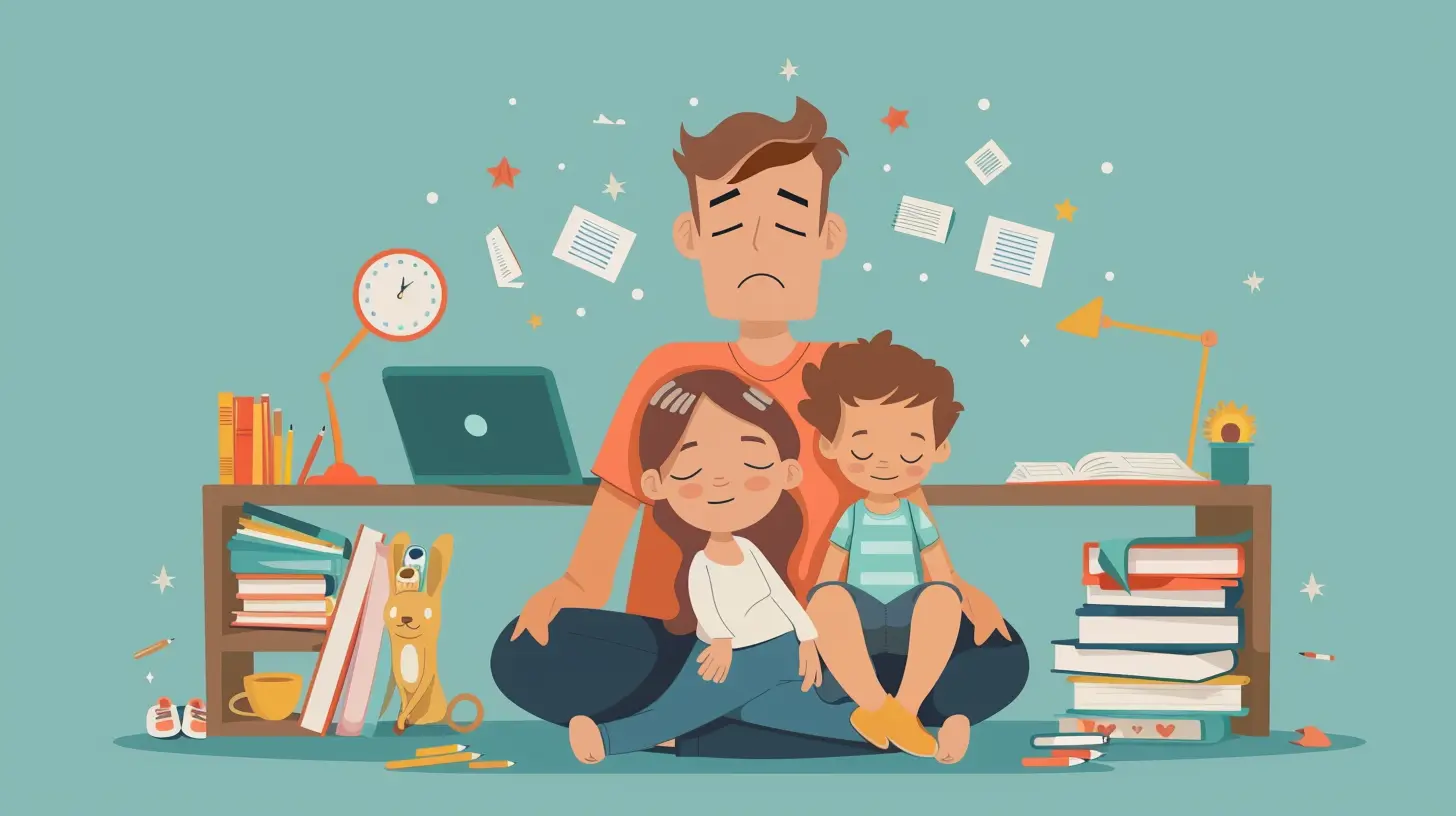
Why It's Important to Spot It Early
Here’s the deal: ignoring burnout doesn’t make it go away. It makes it worse. Over time, it can lead to anxiety, depression, and serious issues with your physical health. Not to mention, it can strain your relationships with your children and partner.Kids are incredibly intuitive. They pick up on stress, even if they don’t fully understand it. Burnout can affect how you engage with them—and how they feel emotionally supported.
Think of it like a flashing check engine light. You wouldn’t keep driving 500 miles like that, right? So don’t ignore your own internal warning signs either.
What You Can Do About It
Okay, so now what? You’ve recognized the signs. Here’s how to start addressing it.1. Give Yourself Permission to Feel
You’re human. It’s okay to admit you’re struggling. Saying “I’m burned out” doesn’t mean you’re weak—it means you’re self-aware.Just acknowledging it is huge. You don’t need to pretend you’re okay. Be honest with yourself.
2. Ask for Help
This is the tough one, especially if you're used to doing it all. But help isn’t a luxury—it’s a necessity.Talk to your partner. Reach out to friends. Consider joining a parenting support group. If you can, hire help—even if it’s just once a week.
3. Create Space for Self-Care
Self-care isn’t bubble baths and spa days (unless you want it to be). It can be small moments—reading a book, taking a walk, listening to your favorite song.Find something you enjoy and make it non-negotiable. Protect that time like it’s gold—because it is.
4. Set Boundaries
You don’t have to attend every school committee meeting or bake for every fundraiser. Learn to say no. Protect your time and energy.Teach your kids about space and respect for personal boundaries, too. It’s healthy for everyone involved.
5. Lower the Bar
Imagine this: it’s feed-the-kid-something-edible night instead of gourmet dinner night. It’s okay if the laundry piles up. You don’t need to be Supermom or Superdad every single day.Sometimes “good enough” is perfect.
6. Prioritize Sleep
Easier said than done, for sure. But sleep is non-negotiable for your mental and emotional health. If your child is old enough, create a bedtime routine that gives you a couple of hours before your own bedtime.Dark room. No screens. Calm your mind—and your body will follow.
7. Consider Professional Support
Therapists aren’t just for crises. Talking to a mental health professional can help you process your emotions, manage stress, and come up with a concrete recovery plan.Parent coaching is also a great resource for tailored strategies without judgment.
When to Take Action
If any of this is resonating, it’s time to act. And no, you don’t have to wait until you're at your breaking point. The earlier you tackle burnout, the easier it is to recover.Start small. Pick one change to make this week. Share how you’re feeling with someone. Take a guilt-free hour to do something for yourself. Just one step can make a huge difference.
Final Thoughts: You're Not Failing—You're Human
Parental burnout doesn’t mean you're a bad parent. It means you're doing a demanding job—likely without enough support or breaks. Recognizing the early signs is the first step to taking back control of your well-being.It won’t always be this overwhelming. With the right strategies and support, you can feel like yourself again—and enjoy the journey of parenting a whole lot more.
Remember: taking care of yourself is part of taking care of your family. So speak up, slow down, and breathe. You've got this.
all images in this post were generated using AI tools
Category:
Parental BurnoutAuthor:

Max Shaffer
Discussion
rate this article
2 comments
Alexia Romero
This article hits home. It's so easy to overlook our own needs while caring for kids. Recognizing those early signs of burnout can really make a difference for parents.
May 29, 2026 at 4:37 AM
Max Shaffer
I'm glad you found it relatable. Taking care of ourselves is just as important as caring for our kids. Thank you for sharing your thoughts!
Valeria Watson
If your coffee needs coffee and your to-do list is having a baby, congratulations! You might just be the proud parent of burnout... time for a nap!
May 28, 2026 at 2:38 AM
Max Shaffer
Thanks for the laugh! It really hits home. Naps and a break are definitely needed sometimes.