Raising Multicultural Kids in 2026: Embracing Identity Through Diversity
16 April 2026
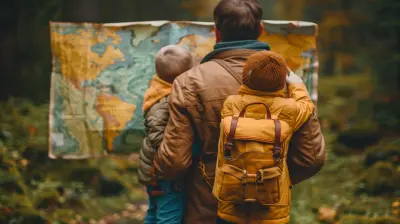
Let’s be honest for a second. Trying to raise kids today feels a bit like being handed a map for a treasure hunt, only to realize the map is written in three different languages, the landscape changes every six months, and the “treasure” is something as beautifully complex as your child’s own sense of self. Now, layer on top of that the beautiful, intricate, sometimes messy reality of raising a child with multiple cultural threads woven into their very being. By 2026, this isn’t a niche parenting style—it’s the vibrant, humming reality for more families than ever. We’re not just talking about bilingual bedtime stories here (though those are awesome). We’re talking about crafting an identity that doesn’t ask a child to choose, but empowers them to synthesize. To blend. To belong everywhere and, most importantly, within themselves.
So, how do we navigate this? How do we move beyond the well-meaning but simplistic “celebrate diversity” posters and into the daily, practical, glorious work of helping our kids build an unshakable identity from a palette of many colors? Buckle up. We’re diving in.
The 2026 Landscape: It’s Not a Melting Pot, It’s a Potluck Feast
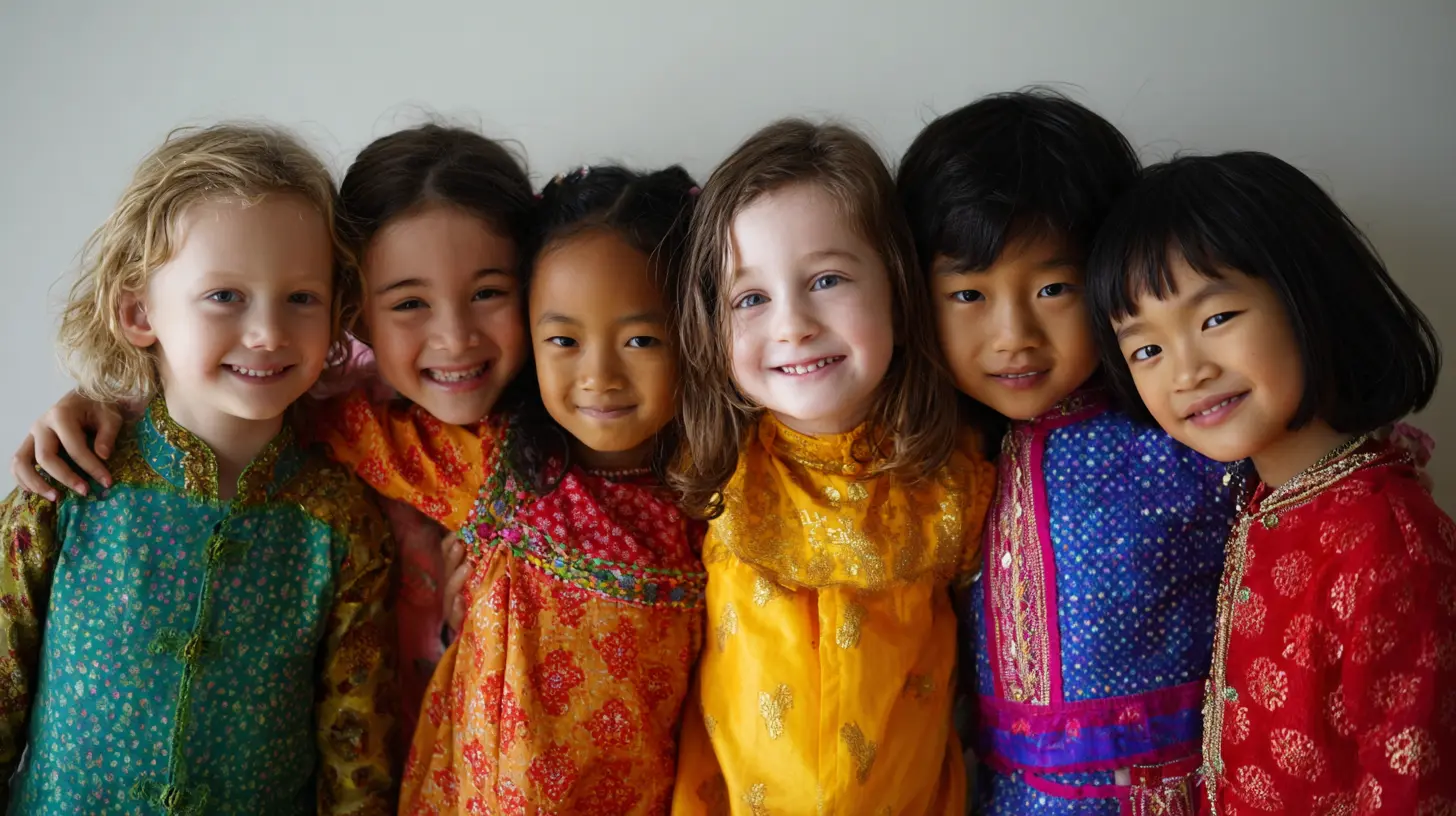
Remember the old idea of the “melting pot”? Where everything blends into one homogenous goo? Yeah, let’s toss that metaphor right out with the expired baby food. Raising multicultural kids in 2026 is the opposite. It’s a glorious, chaotic, delicious potluck feast.Think about it. At a potluck, everyone brings a dish that is deeply, authentically theirs. The aroma of one curry mingles with the scent of fresh pierogi, which sits right next to a bowl of collard greens and a plate of empanadas. No one dish loses its identity. In fact, its uniqueness is its contribution to the collective joy. Your child isn’t a bland puree; they are the discerning, adventurous guest who learns to appreciate the story behind each recipe, who might even create a revolutionary new fusion dish of their own by combining flavors in ways we never imagined. Our job as parents is to help them set their table, to be proud of every dish they bring, and to teach them the etiquette to appreciate everyone else’s.
The Digital Village: Grandparents Are Just a Hologram Call Away
Here’s where 2026 gets really interesting. The tyranny of distance that once threatened to dilute cultural connection is crumbling. Your child’s abuela in Mexico City isn’t just a voice on the phone anymore. She’s a life-sized, real-time hologram helping them roll out tortilla dough in your kitchen in Oslo. Their uncle in Lagos is a regular guest in your living room via immersive VR, showing them the exact tree in the family compound where he played as a boy.This digital village is a double-edged sword, of course. Screen time anxieties morph into “cultural connection time” debates. But used intentionally, technology in 2026 is the ultimate bridge. It allows for organic, daily immersion that previous generations could only dream of. It turns cultural education from a scheduled “lesson” into a living, breathing relationship. The key? We have to be the curators. We’re not just handing over a tablet; we’re opening a portal to family.
Building the Core: Identity as an Anchor, Not a Cage
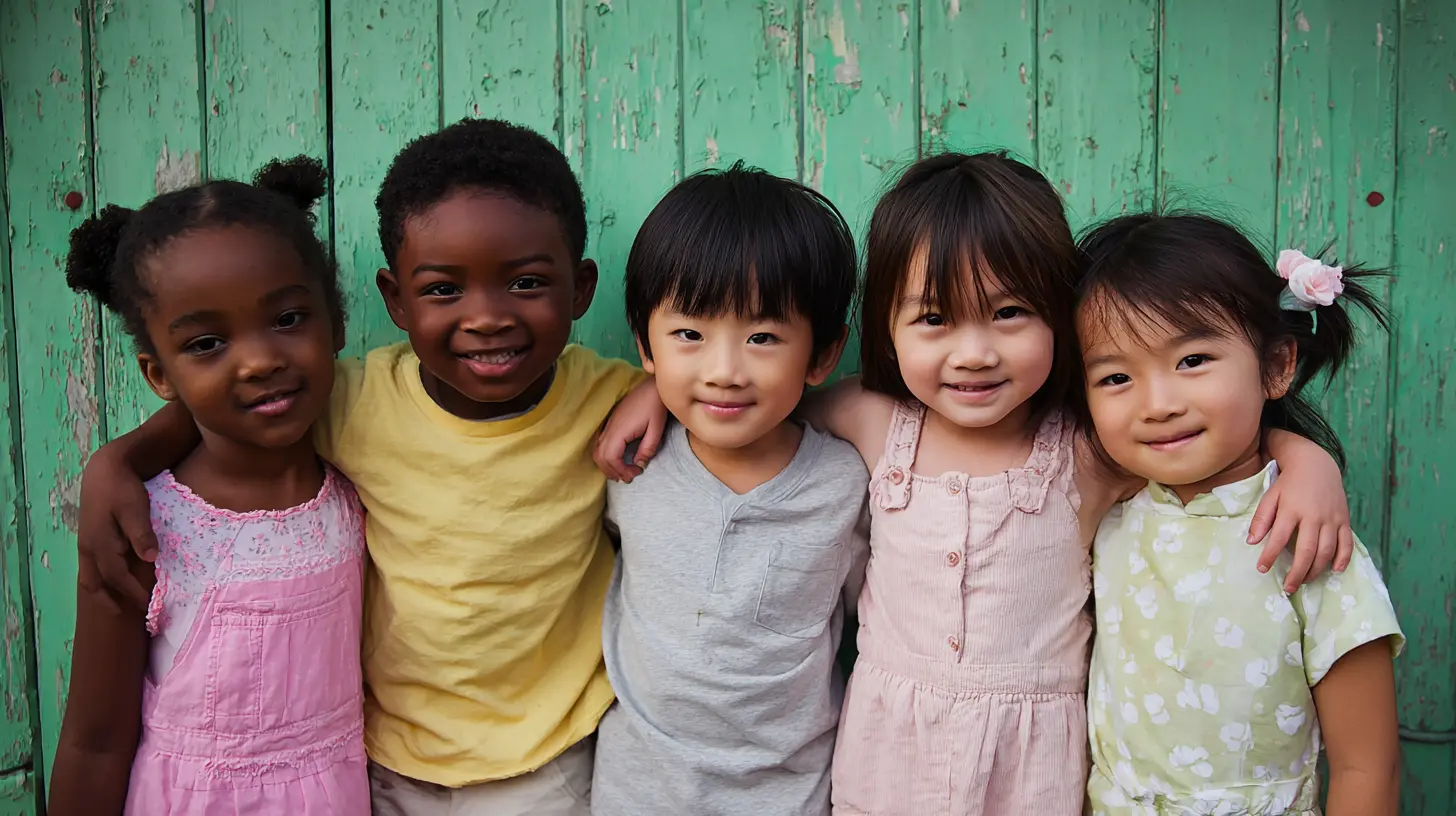
When a child navigates multiple cultures, the central question they often face, internally or externally, is “Where are you really from?” This question can feel like a demand to pick a side. Our mission is to build an identity so sturdy and multifaceted that the question simply bounces off.The Language of Heart and Home
Language is more than vocabulary; it’s a worldview. It’s the secret code for love, the shape of jokes, the texture of comfort. In 2026, raising a multilingual child isn’t just about cognitive benefits (though those are fantastic). It’s about giving them keys to different rooms of their own heritage. One language might be the room where they hear lullabies. Another is the room where they argue philosophy with a cousin. A third might be the room where they navigate the playground.The goal isn’t perfect, academic fluency in all (though that’s great if it happens!). The goal is functional love. Can they understand their grandmother’s stories? Can they order food with confidence in their ancestral homeland? Can they feel the punchline of a joke in its original language? That’s the real win. It’s less about grammar perfection and more about heart connection.
Stories as Superfood for the Soul
Facts are forgotten. Stories are absorbed. The history of a diaspora can feel like a dry textbook to a kid. But the story of their great-grandmother’s journey across an ocean with a single suitcase? That’s an epic superhero origin story. Family lore, folktales, even the funny anecdote about how your parents met—these are the bricks and mortar of identity.Make storytelling a ritual. Don’t just save it for holidays. Weave it into car rides, dinner times, bedtime. “Did I ever tell you about the time your grandpa outsmarted a monkey in Malaysia to get his hat back?” Suddenly, heritage isn’t a static concept; it’s a series of adventures they’re genetically linked to. In 2026, with AI tools, you can even co-create animated shorts of these family tales together. How cool is that?
Navigating the Outside World: Armor and Bridges
You can build the most beautiful, fortified sense of self at home, and then your kid goes out into the schoolyard or the digital comment section. Here’s where we move from celebration to navigation.Teaching Them to Be Cultural Translators
A multicultural kid often becomes a natural mediator. They instinctively understand that there’s more than one way to see a situation. We can nurture this superpower. Role-play with them. “What if someone says our holiday tradition is ‘weird’? How could you explain it in a way that makes it interesting instead of strange?” You’re not teaching them to defend; you’re teaching them to translate—to build bridges of understanding.This skill will be one of the most valuable in the 2026 workforce and society. The ability to move between cultural contexts with empathy and clarity is pure gold. Frame it that way for them! They’re not “different”; they’re diplomats-in-training.
Handling the “Other” Moments with Grace
Let’s not sugarcoat it. There will be moments of thoughtlessness, curiosity that feels like interrogation, or outright exclusion. The “you don’t look like you’re from…” comments. Our reaction in these moments is their blueprint.Do we get defensive and angry? Or do we model calm, proud education? We give them scripts, not to memorize, but to adapt. Simple, confident replies like, “My family is from a few amazing places, so I get to enjoy the best of all of them,” can disarm and educate. We teach them that their identity is not up for debate; it’s a fact to be stated with quiet pride. We also teach them the equally important skill of knowing when to simply walk away—their energy is not required for every lesson someone else needs to learn.
The 2026 Toolkit: Beyond Rice and Beans (Though Rice and Beans Are Delicious)
The practicalities. The how-to. Because love is a verb, and in 2026, we have some incredible new verbs to play with.* Culinary Time Travel: Sure, cook the traditional dishes. But also, let your kid be the fusion chef! What does a Korean taco inspired by their heritage taste like? Let them experiment. The kitchen becomes a lab for identity exploration.
* The “Heritage Horizon” Trip: If travel is possible, shift the goal. It’s not a tourist vacation. It’s a “connection mission.” The objective? Find one place, one person, one food, one smell that makes the past feel present for them. Let them lead parts of the itinerary based on their research.
* Curated Media Diets: Algorithms want to silo us. Fight back. Actively curate their media: cartoons from their parents’ home countries, music playlists that span continents, films that show kids who look and live like them. In 2026, this content is more accessible than ever—seek it out.
Community is Key: Find your tribe—other families on similar journeys. Not to create an echo chamber, but to share resources, vent frustrations, and let the kids see they are not alone. This provides a safe space where they don’t have to explain anything; they can just be*.
The Beautiful Mosaic: It’s a Journey, Not a Destination
Here’s the final, most important secret: You will not get this “perfect.” There will be phases where your child rejects one culture to embrace another. There will be moments you forget a holiday or butcher a pronunciation. That’s okay. This isn’t about creating a perfectly balanced cultural specimen. It’s about giving them all the pieces of their mosaic.Some pieces they will place front and center. Others might sit in the background for a while. A few might be chipped or re-colored as they grow. But they will have all the pieces. Their identity won’t be a puzzle with a missing part, forcing them to search forever. It will be a complete, complex, and stunning mosaic that only they can design.
By 2026, the world won’t just be accepting of this—it will desperately need it. It will need adults who are rooted, not in one patch of soil, but in the rich, interconnected mycelial network of human experience. You’re not just raising a child. You’re nurturing a future bridge-builder, a creative problem-solver, a person who carries the soft power of multiple worlds within them. That’s not just good parenting. That’s a quiet, revolutionary act of hope.
So take a deep breath. Set your potluck table. Share the stories. Laugh at your mistakes. And watch, in awe, as your child builds a self that is uniquely, resiliently, and magnificently theirs.
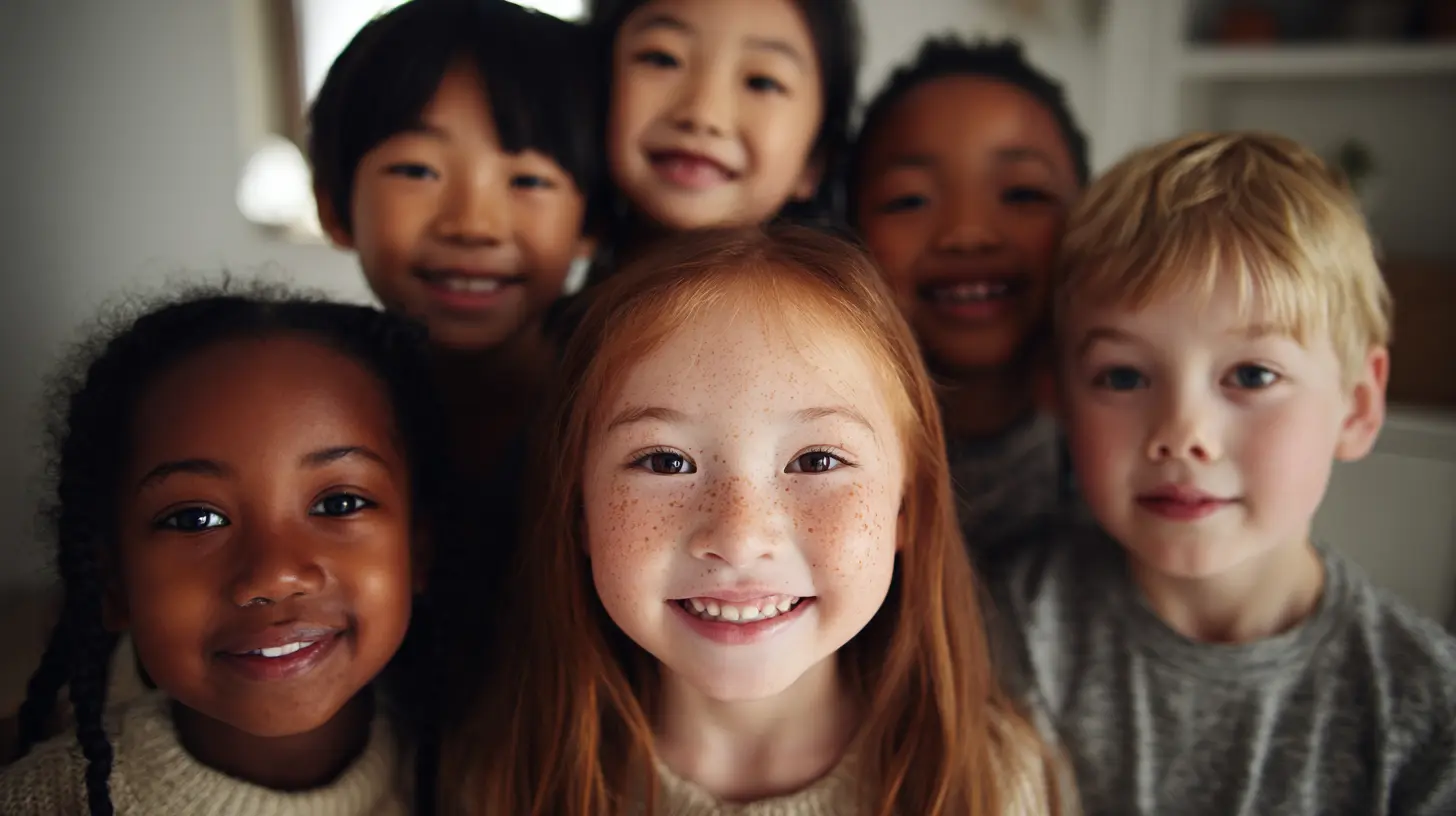
all images in this post were generated using AI tools
Category:
Parenting And CultureAuthor:

Max Shaffer
Discussion
rate this article
2 comments
Jude Bowman
Beautifully inspiring! Celebrating diversity enriches our children's lives!
April 20, 2026 at 5:03 AM
Max Shaffer
Thank you for your kind words! Celebrating diversity truly shapes our children's understanding and appreciation of the world.
Stella Warren
Embracing diversity in our children’s upbringing enriches their identity and fosters empathy. By celebrating multiculturalism, we prepare them to thrive in a connected world, appreciating differences as strengths. Together, let’s nurture open-minded, compassionate future leaders!
April 16, 2026 at 4:53 AM
Max Shaffer
I completely agree. Celebrating diversity not only enriches our children's identities but also equips them with the empathy needed to navigate our global community. Together, we can raise compassionate and open-minded leaders for tomorrow.