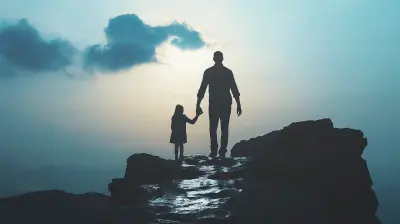
Raising a Grateful Child: Lessons from Cultures Around the World
18 July 2026
Parenting is hard work. Let's face it, trying to raise a little human who doesn’t immediately explode into a puddle of “I want that!” every time they see a shiny toy can feel like moving mountains. But don’t worry, you’re not alone. Gratitude isn't something you're born with—it’s something that’s learned, nurtured, and shaped by the environment you grow up in.
Interestingly, different cultures around the world have unique ways of raising thankful kids. By borrowing their insight (and maybe sprinkling in a touch of humor to deal with the chaos of parenting), we can help our children become a little more appreciative and a little less, well, entitled.
So, pull up a chair and grab a cup of coffee—it’s time to dive into how parents from around the globe are cultivating gratitude in their kids and what we can learn from them.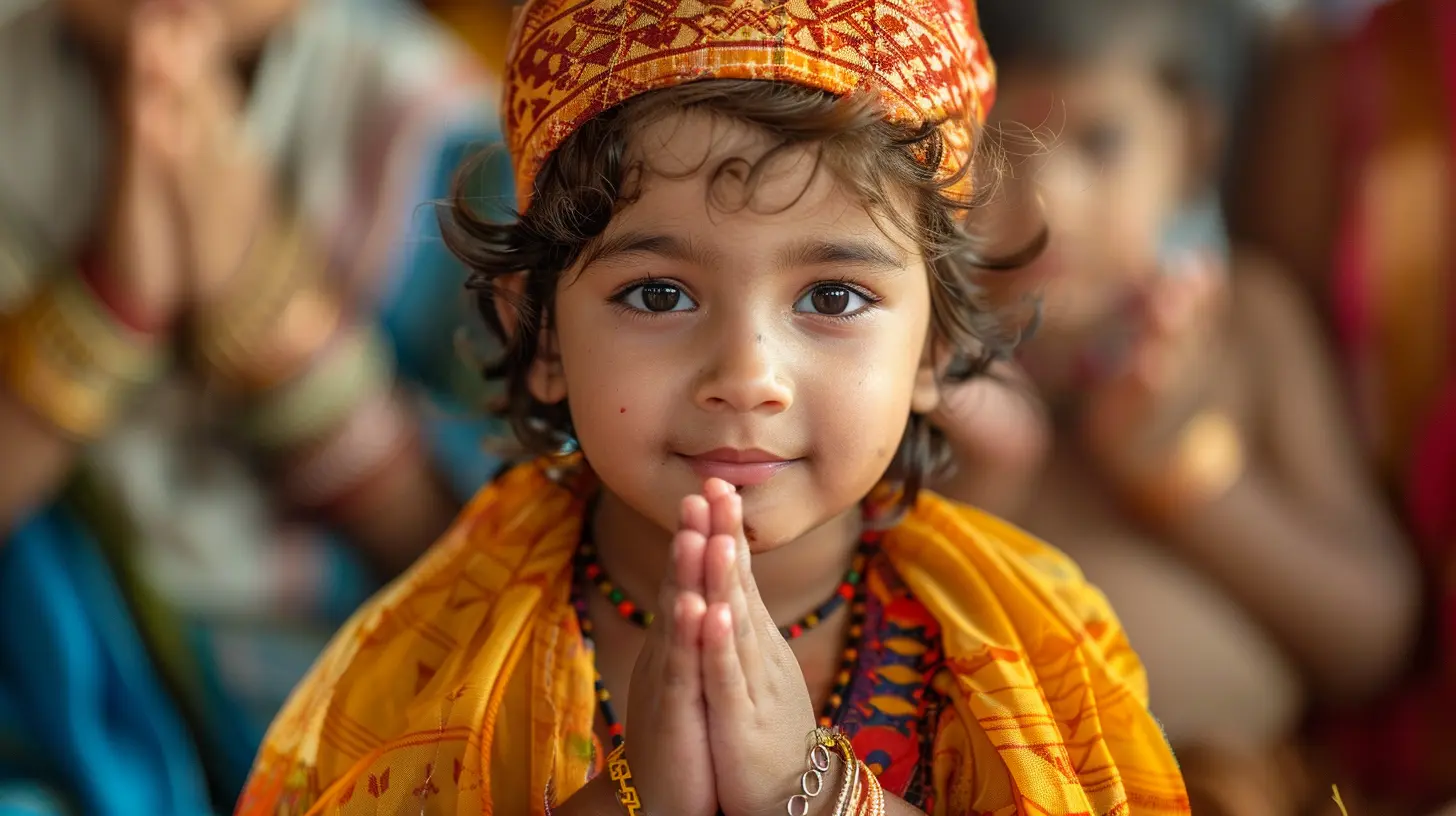
Why Gratitude Matters (For Kids and For You)
Before we start globetrotting, let’s pause for a minute: why is gratitude such a big deal? Well, for starters, grateful kids are generally happier, kinder, and more empathetic. Gratitude helps your child appreciate what they have instead of always focusing on what they don’t. Bonus? It builds resilience! Grateful kids tend to bounce back faster when things don’t go their way—and isn't that what we all want for them?But here's the secret sauce: raising grateful children isn't just about benefiting them. It’s also about you. When you shift the focus toward gratitude, your whole household can feel like a more positive and connected place. Think fewer tantrums, more “thank-you’s,” and maybe even a little peace and quiet—okay, maybe not that last one, but we can dream, right?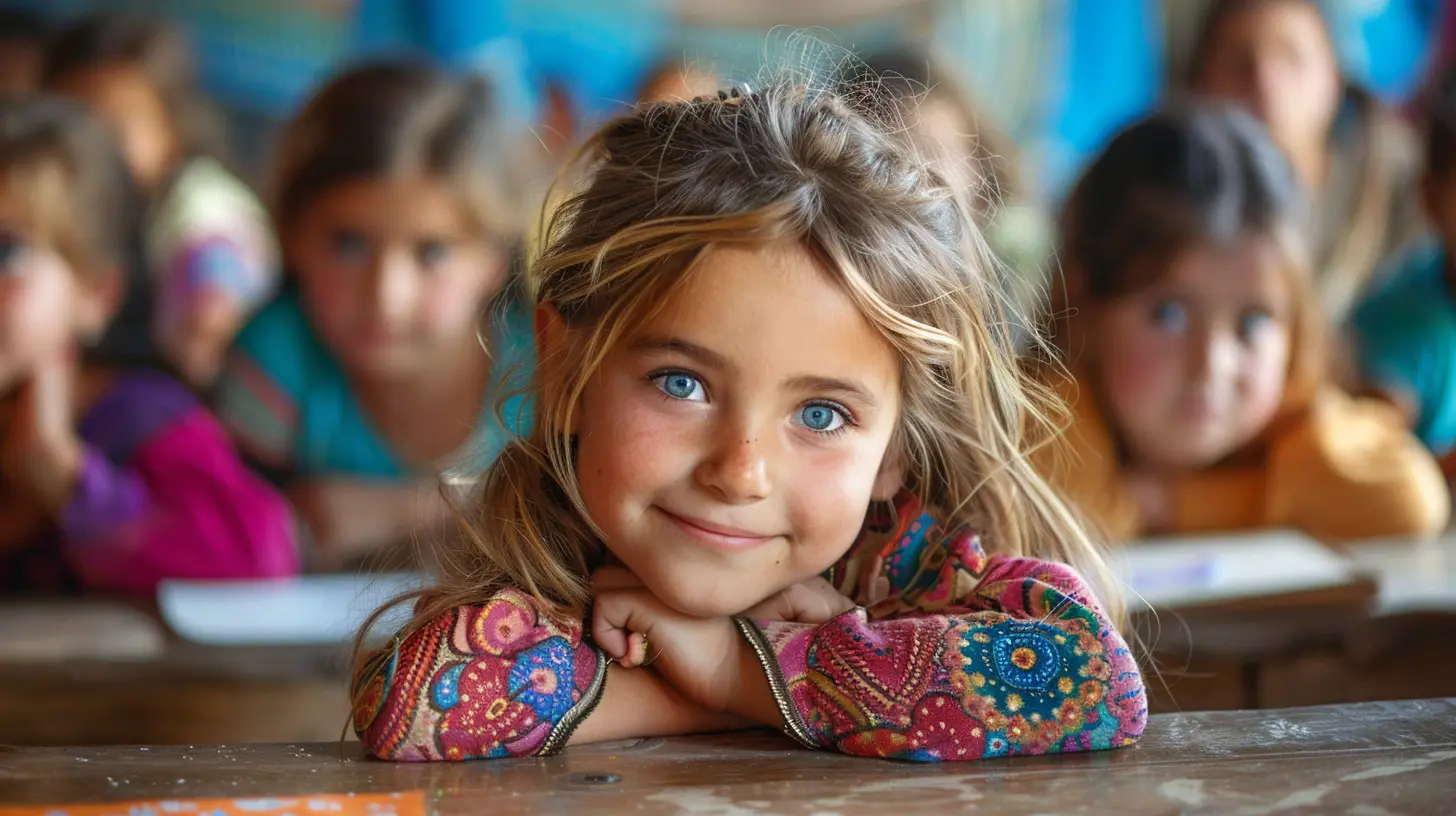
The Global Gratitude Toolbox: Lessons from Around the World
1. Japan: The Heart of Daily Gratitude (Itadakimasu!)
If you’ve ever watched an episode of a Japanese family sitcom (or maybe just anime), you’ve probably heard this word: Itadakimasu. It’s said before every meal and roughly translates to, “I humbly receive.” But it’s not just a formality—it’s a reminder to be thankful for the meal, the effort that went into preparing it, and even the animals or plants that gave their lives for it.Lesson for Parents: Start a gratitude ritual before meals. It doesn’t have to be fancy! Maybe you ask your child to say one thing they’re thankful for about their day. “I’m thankful for mac and cheese” totally counts. It’s about creating a habit of mindfulness and appreciation.
2. Mexico: The Power of Family Bonds
Mexican culture is all about familia. Children are taught from an early age to value family connections, and gratitude is woven into those relationships. Whether it’s helping Abuela in the kitchen or saying thank you to Tío for the ride to soccer practice, gratitude is deeply tied to acts of love and service.Lesson for Parents: Get your child involved in family activities or chores. Sure, they might grumble the first 47 times, but eventually, they’ll learn to appreciate the effort that goes into keeping your home running smoothly. Plus, when they see you saying “thank you” for their help (even if their 'help' involves folding socks into knots), it’ll encourage them to do the same.
3. South Africa: Ubuntu – “I Am Because We Are”
In South African culture, there’s a beautiful concept called Ubuntu. It’s all about interconnectedness—recognizing that we’re all part of a bigger community, and what we do affects others. Kids are raised to understand the value of helping the group and being grateful for the role others play in their lives.Lesson for Parents: Teach kids to think beyond themselves. Maybe it’s volunteering as a family or donating old toys to those in need. Helping them see the bigger picture can make them appreciate their own blessings while fostering a sense of responsibility toward others.
4. India: Gratitude as a Spiritual Practice
In India, gratitude is often tied to spirituality. From a young age, children are encouraged to express thanks through rituals, prayers, and celebrations. Festivals like Diwali are a great example, where families give thanks for prosperity, light, and new beginnings.Lesson for Parents: You don’t have to be religious to borrow this idea. Create small family traditions that center around gratitude. Maybe it’s a weekly bedtime routine where everyone shares something they’re thankful for. Or keep a “gratitude jar” where kids can drop sticky notes describing things they’re happy about.
5. Scandinavia: The Joy of Simplicity
Scandinavian cultures, like those in Denmark and Sweden, often embrace minimalist living. Kids are taught to appreciate simple pleasures—whether it’s time spent outdoors or a cozy evening at home with loved ones. It’s all about reducing excess and focusing on what truly matters.Lesson for Parents: Encourage your kids to find joy in the little things. This could mean spending a day hiking as a family, enjoying hot cocoa by the fireplace, or playing a game together (bonus points if it’s not on a screen). Teaching them to value experiences over stuff makes gratitude a natural part of their lives.
6. The Philippines: "Utang na Loob" – A Debt of Gratitude
In the Philippines, there’s a concept called Utang na Loob, which loosely translates to a debt of gratitude. It’s not about guilt, though. Instead, it’s about mutual respect and appreciation for the support you receive from others. Kids grow up understanding the importance of saying thank you not just with words but with actions.Lesson for Parents: Show kids how to express gratitude through kindness. For example, if a neighbor helps you out, bake a batch of cookies together to say thanks. This teaches them that gratitude goes beyond polite words and into genuine gestures.
7. Hawaii: Aloha – More Than Hello
In Hawaii, Aloha isn’t just a greeting—it’s a way of life. It embodies love, kindness, and gratitude. Kids are taught to show respect for nature, others, and themselves. Gratitude is reflected in how they care for the earth and treat those around them.Lesson for Parents: Incorporate gratitude toward nature in your daily routine. Maybe it’s picking up litter during a walk or planting a small garden at home. Teaching kids to be thankful for the world around them helps nurture a lifelong appreciation for their environment.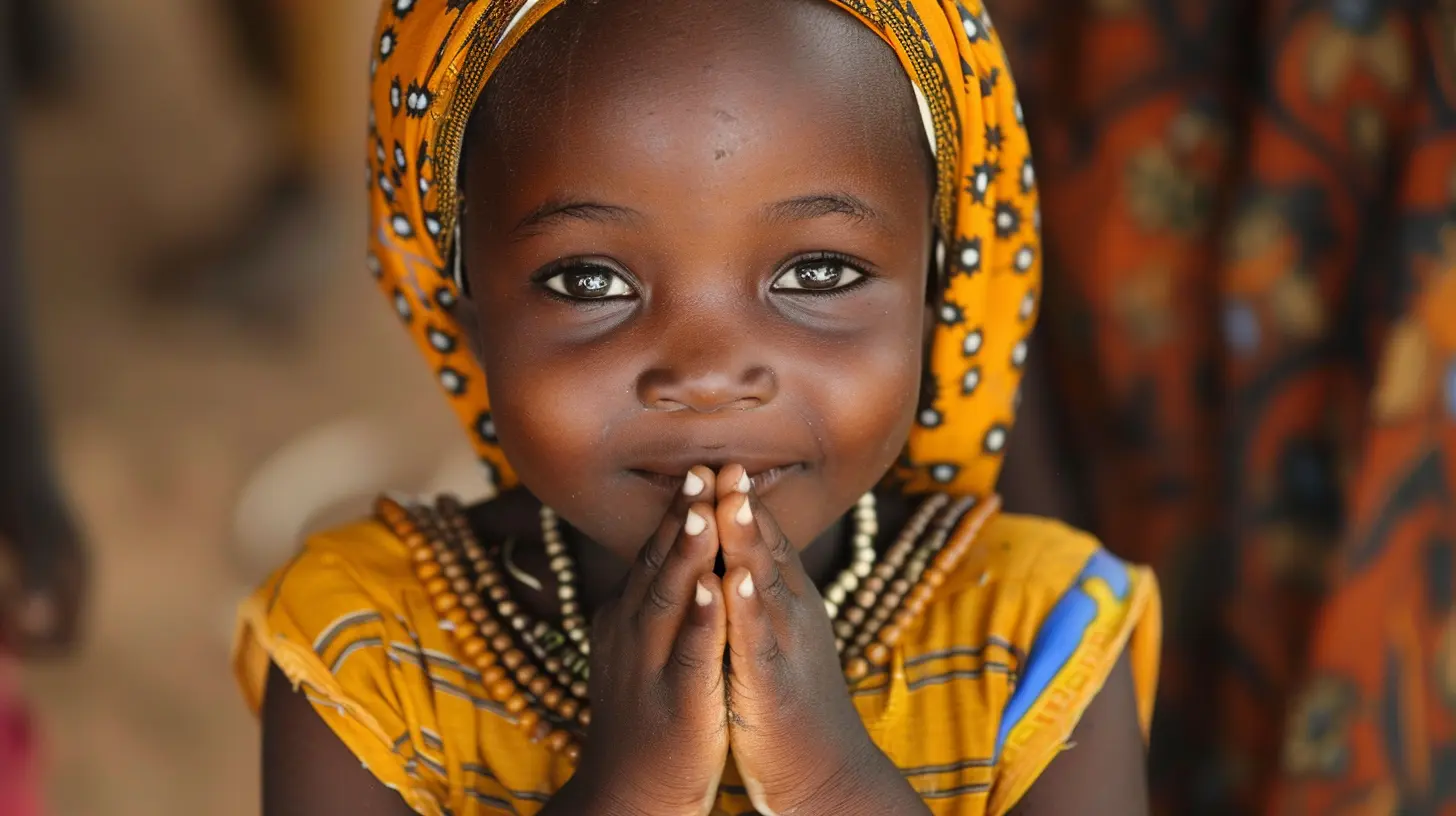
Tips for Bringing These Lessons into Your Home
Alright, so how do we actually make all this global wisdom work in our day-to-day lives? Here’s a cheat sheet:- Model Gratitude: Let your kids see you saying “thank you” to the mailman, the waitress, or even them! (Especially them.)
- Create a Gratitude Journal: Older kids can write three things they’re thankful for each day. Younger kids? Let them draw it out!
- Celebrate Effort, Not Just Results: Praise small acts of kindness or thoughtfulness. “Thanks for holding the door for me” goes a long way.
- Encourage Patience: Gratitude often comes hand-in-hand with delayed gratification. Saying “no” to that shiny new toy might sting now, but it’ll help them value what they already have.
- Make It Fun: Turn gratitude into a game. Who can come up with the longest list of things they’re thankful for in one minute? Winner gets to pick dessert!
Final Thoughts: You’ve Got This, Parent!
At the end of the day, raising a grateful child is less about grand gestures and more about consistency. It’s the little things you do—every “thank you,” every hug, every family meal—that help gratitude take root and blossom in their hearts. Sure, they might still whine about screen time or broccoli (hey, they’re kids), but underneath it all, they'll carry the lessons you’ve shared.So, take a deep breath. You’re their guide, their cheerleader, and their greatest teacher. And if all else fails? Remember, gratitude is a marathon, not a sprint. You’re doing great.
all images in this post were generated using AI tools
Category:
Teaching GratitudeAuthor:

Max Shaffer
Discussion
rate this article
1 comments
Solara Diaz
This article beautifully highlights diverse ways to foster gratitude in children. Integrating these cultural lessons can truly enrich their understanding and appreciation of the world around them. Great insights!
August 4, 2026 at 3:47 AM
Max Shaffer
Thank you for your kind words! I'm glad you found the insights valuable. Fostering gratitude in children is so important.