Preventing Accidents: Childproofing Your Furniture
31 July 2026
If you’re a parent, chances are you’ve spent nights lying in bed wondering, “Is my home truly safe for my child?” It’s a valid concern. As our little ones grow, crawling, climbing, and toddling into everything, what once seemed harmless furniture suddenly becomes a potential hazard. Believe me, I’ve been there too — watching my toddler use the coffee table like a jungle gym gave me heart palpitations!
In this guide, we’ll chat about something incredibly important but often overlooked: childproofing your furniture. We aren't talking bubble-wrap-your-whole-house kind of childproofing — just smart, effective ways to reduce risks and create a much safer environment for your kiddos.
So, grab your coffee (you’ll want it), and let’s make your home a safer haven without sacrificing your sanity or your style.
Why Furniture Can Be Dangerous for Kids
You might be thinking, “It’s just a couch or a bookshelf… What could go wrong?” Well, the short answer is — a lot.The Stats Don’t Lie
According to injury prevention organizations, thousands of children are injured every year due to furniture tip-overs, sharp corners, unsecured TVs, and falling objects. Many of these accidents are entirely preventable, which is both good news and a wake-up call.Imagine this: a curious toddler climbs a dresser drawer like a ladder. The whole dresser flips and falls. It’s a recipe for disaster, and trust me, it can happen in seconds — even when you’re just two rooms away folding laundry.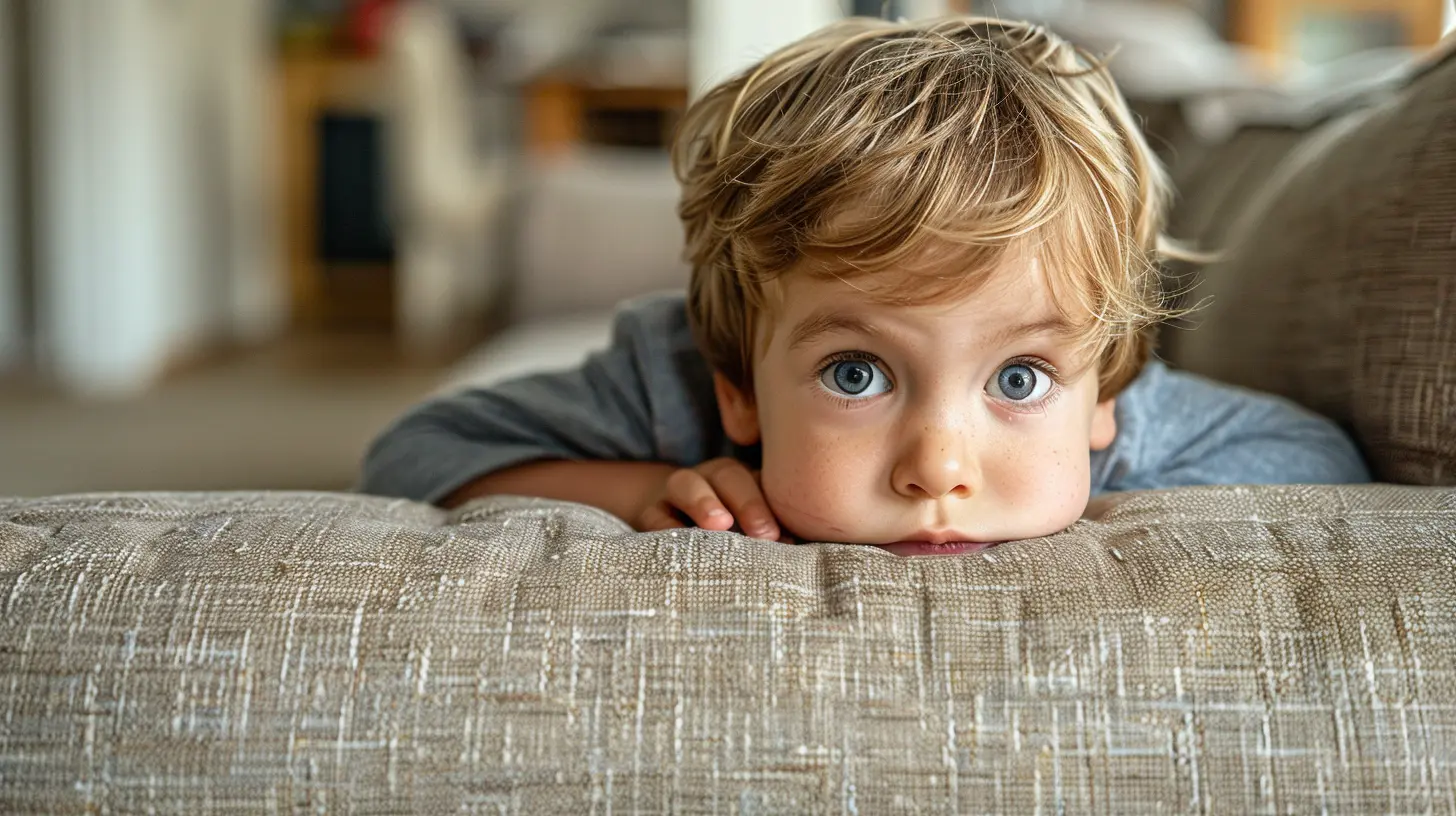
Start with a Room-by-Room Safety Scan
Before you go buckling and bolting everything down, it helps to walk through your house on your hands and knees. No, I’m not kidding! Seeing things from your child’s eye level can be incredibly eye-opening. Suddenly, that innocent-looking glass coffee table seems way more threatening from two feet off the ground.Look for:
- Sharp corners at toddler head-height- Items that can be pulled down (lamps, tablecloths, books)
- Tip-over risks (bookshelves, dressers, storage units)
- Loose cords or drawers that can slam shut
- Glass or breakable surfaces within reach
Top Furniture Hazards to Childproof (And How)
Let’s break down the major culprits and how you can tackle them like a pro.1. Dressers and Bookshelves – Tip-Over Traps
These are some of the most dangerous pieces of furniture in your home. The bigger and heavier they are, the more damaging they can be if they fall.What You Can Do:
- Anchor It: Buy furniture anchor kits (they’re inexpensive and easy to install). Use L-brackets or straps to secure the back of your furniture to the wall studs.- Don’t Tempt Little Climbers: Keep toys and favorite items off the top shelves. If it looks fun, they’ll try to reach it.
- Empty Bottom Drawers: Heavy drawers at the top make the furniture top-heavy. Either lock them or store lighter things higher up.
2. Coffee Tables and Side Tables – The Head Bashers
Ah yes... fancy glass edges and decorative corners. They look great in a magazine — not so great after your toddler whacks their forehead on one.Solutions to Try:
- Corner Guards: Soft silica or rubber bumpers can save you a trip to the ER.- Table Runners Over Tablecloths: Little hands love pulling down fabrics. Ditch the full tablecloths to avoid toppled centerpieces or hot coffee spills.
3. TV Stands and Televisions – The Hidden Threat
Big, flashy, and often not secured, TVs are involved in more tip-over injuries than we’d like to admit. And with wall-mounted TVs becoming trendier, sometimes we forget to secure the base or cords.How to Fix It:
- Mount the TV: If possible, mount it to the wall. Otherwise, use anti-tip straps.- Tidy Up Cords: Bundle cords together and anchor them to the wall or hide them using cord covers.
- Ditch the Decor for Now: Those decorative vases and candles on the TV stand? Probably best to move them higher up or out of reach.
4. Upholstered Furniture – The Trampoline Substitute
Kids have an amazing ability to turn anything into a bounce house. Sofas and chairs become launching pads for all sorts of shenanigans.How You Can Help:
- Set Boundaries: Create clear rules about what furniture is for sitting, not bouncing.- Choose Soft Edges: If you’re buying new, opt for couches with rounded arms and soft edges.
- Secure Area Rugs: Place non-slip mats under rugs around furniture to prevent slips and trips.
Other Childproofing Hacks That Work Wonders
Okay, now that we’ve covered major furniture fixes, let’s sprinkle in some bonus tips that can make a big difference.Add Drawer and Cabinet Locks
Nothing’s more tempting to a toddler than a drawer full of sharp knives or Grandma’s china. Keep these secured with childproof latches or magnetic locks.Use Anti-Slam Hinges and Stoppers
Little fingers are fragile! Adding soft-close drawer mechanisms or rubber stoppers can prevent painful finger pinches.Install Baby Gates Where Needed
You might not think of a staircase banister or sunken living room as furniture, but they often sit right in the center of your home. Keep baby gates up in high-risk areas to contain your explorer.Choose Rounded or Padded Furniture
If you’re shopping for new pieces, go with rounded corners and soft materials. Think plush ottomans instead of glass coffee tables, or fabric storage benches instead of wooden chests.Keeping It Safe Doesn’t Mean Losing Your Style
One of the biggest worries parents have (me included!) is that childproofing will make their home look like a daycare — bright plastic everything and foam everywhere. But honestly, it doesn’t have to be that way.There are tons of stylish childproofing products out there now — leather corner bumpers, chic fabric storage bins, and even minimalist wall anchors that blend right in. It’s all about balance. You can keep your Pinterest-worthy home without sacrificing safety.
The Golden Rule: Supervision Still Rules All
No matter how much you childproof, nothing replaces good ol’ fashioned supervision. Kids are clever, determined, and sneakier than we’ll ever give them credit for. So yes, childproofing is essential, but it works best alongside active, mindful parenting.And let’s face it, you’re doing great. The fact that you’re reading a post like this means you care — and that’s already half the battle.
Make It a Habit — Not a One-Time Thing
Childproofing isn’t a one-and-done task. As your child grows and their abilities (and curiosity) evolve, so do the risks. A crawling 8-month-old has different dangers than a climbing 2-year-old. So set a reminder to reevaluate your home every few months. Think of it as baby-proofing on autopilot.Final Thoughts: Safety First, Guilt Never
Let’s be real — accidents happen, even in the most childproofed homes. So if your little one ends up with a bump or two along the way, don't beat yourself up. Use it as a learning moment, adjust what you can, and move forward. You’ve got this.Childproofing your furniture doesn’t mean turning your living room into a fortress. It means making thoughtful, mindful adjustments that give you peace of mind and give your child room to safely grow, explore, and thrive.
all images in this post were generated using AI tools
Category:
ChildproofingAuthor:

Max Shaffer
Discussion
rate this article
1 comments
Sylvia Sharpe
Childproofing your furniture is essential for creating a safe home. Prioritize sturdy anchors for heavy items, cover sharp edges, and secure loose cords. Stay proactive and regularly reassess your space as your child grows. Safety today means peace of mind tomorrow.
August 1, 2026 at 2:33 AM
Max Shaffer
Absolutely! Childproofing furniture is key to a safe environment. Regular checks help adapt to your child's growth and keep risks at bay. Thanks for highlighting this important topic!