Pet-Proof and Child-Proof at Once: Creating a Safe Environment
13 March 2026
As parents, we’re constantly juggling: nap schedules, dinner plans, school pick-ups—and for those of us with furry family members, toss in dog walks and litter box clean-up too. But when your home includes both pets and little ones, safety becomes a whole new level of "multitask." They’re both adorably unpredictable, curious beyond belief, and yes, they both love putting weird stuff in their mouths.
Creating a home that’s both child-proof and pet-proof isn’t just a nice-to-have—it’s essential. The good news? It’s totally doable. With a little planning, a few smart purchases, and a mindset shift, you can build a safe, happy space where toddlers and tail-waggers coexist without constant supervision or stress.
Let’s break it down together and turn your home into a haven for the whole family—two-legged and four-legged.
Why Combine Pet-Proofing and Child-Proofing?
Before we get into the how, let’s talk about the why. Sure, kids and pets have different needs, but the overlap is surprisingly big.Think about it: toddlers and pets both explore with their mouths, both can get into places you never thought possible, and both can unintentionally hurt themselves (or each other) in the blink of an eye. It just makes sense to tackle safety in one go.
Plus, combining your efforts saves time, money, and clutter. You don’t need one baby gate for the dog and another for the baby—you need one well-placed gate that does the job. Efficiency for the win.
Step 1: Start with a Safety Scan
Walk through your house on your hands and knees. Yep, you read that right.Why? Because that's the world your baby and your dog see. Get down low and check what’s within reach. Cords? Sharp corners? Bowls of dog food? Electrical outlets? That’s the stuff you want to focus on first.
This gives you a fresh perspective and helps you prioritize where to start. It might feel silly, but it works—and it might even make you giggle a little.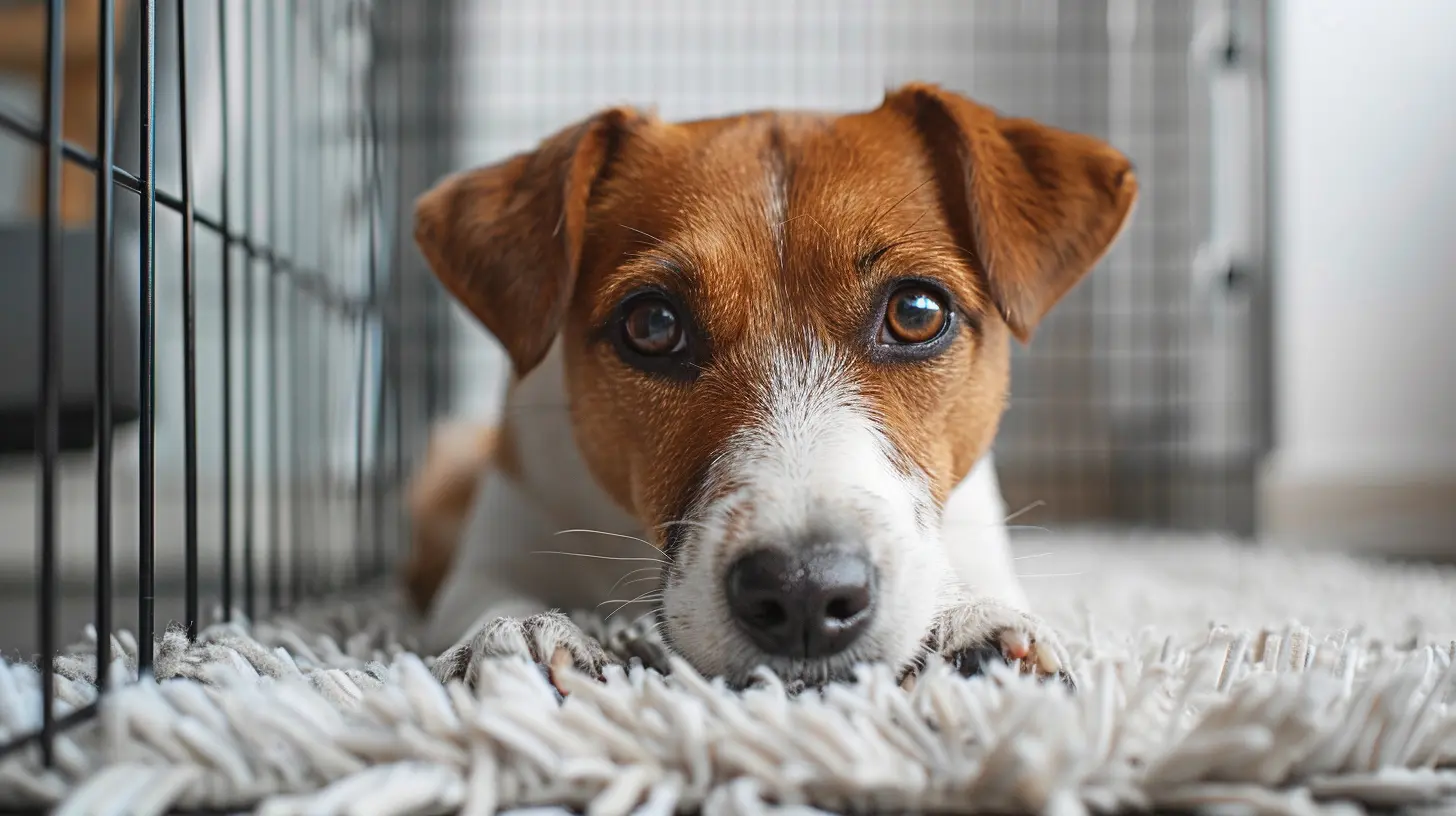
Step 2: Secure the Essentials
Anchor Furniture
Heavy furniture like bookshelves, TVs, and dressers are topple hazards for crawling babies and climbing cats alike. Use furniture anchors or anti-tip straps to secure them to the wall. It’s a one-time fix that gives massive peace of mind.Install Baby Gates (a.k.a. your new best friend)
Baby gates aren’t just for stairs. Use them to block off certain rooms entirely—like the kitchen during cooking or the laundry room where you keep cleaning supplies. Choose a gate that’s tall enough so your dog can’t jump over it, but with a latch simple enough that you can still operate it one-handed (hello, mom life).Pro Tip: If you have a larger dog or a determined toddler, look for hardware-mounted gates. They’re sturdier than pressure-mounted ones.
Outlet Covers—Because Curiosity Is Constant
Kids stick stuff in outlets. Dogs lick them (because, well, who knows?). Cover every exposed electrical outlet with child-proof covers. They’re cheap, quick to install, and totally worth it.
Step 3: Pet Food & Baby Snacks—Keep Them Separated!
Here’s the deal: dog kibble isn’t toxic in small quantities, but it can still be a choking hazard for young kids. And while sharing is sweet, your toddler feeding grapes to your Lab is a no-go (grapes are toxic to dogs!).Keep pet food in sealed containers out of your child’s reach. Feed pets in a designated feeding spot—preferably behind a gate or in a separate room. That way, everyone gets to eat in peace.
Bonus tip: A feeding mat helps contain spills and makes clean-up easier.
Step 4: Trash Cans and Toilets—Treat ‘Em Like Treasure Chests
You’d be amazed what pets and toddlers will dig out of a trash can. Same goes for toilets—seriously, it’s like a splashy playground to them.Use trash cans with locking lids and keep bathroom doors closed or install toilet seat locks. A little inconvenience for you, a big safety win for the little ones.
Step 5: Watch Those Small Toys and Chewables
Tiny building blocks, doll accessories, rubber balls… these are like gold to a curious toddler and a curious pup. But they’re also major choking hazards.Designate a play area for your child and consider a separate space for pet toys. Use bins with lids or wall-mounted storage for toys. You’re not just keeping things tidy—you’re keeping them safe.
Pro tip: Teach older children to pick up their toys when they’re done. This not only prevents accidents but also teaches responsibility. Win-win.
Step 6: Safe Spaces for Everyone
Give Your Pet a "No-Kid Zone"
Just like you need a break sometimes, your dog or cat needs a place where they can chill undisturbed. Create a comfy space with their bed, toys, and maybe their crate. This is their “escape room” when playtime gets too rowdy.Make it clear to your child that this is the pet’s resting place and not a play zone.
Create Baby-Safe Zones Too
Babies and toddlers need areas where you know they can't get into trouble. A gated playpen or a completely baby-proofed room gives you peace of mind (and maybe a chance to drink a hot coffee... maybe).Step 7: Plants and Decor—Check for Toxicity
Some common houseplants, like lilies, pothos, and philodendrons, are toxic to pets—and not exactly toddler-friendly either. Go through your green collection and make sure every plant you’ve got is safe for both babies and pets.Same goes for candles, potpourri, and air fresheners. Many of these can cause allergies or even poisoning. Switch to safer alternatives like diffusers with pet- and child-safe essential oils.
Step 8: Lock Up the Hazards
Cleaning supplies, medications, knives, and batteries—these should all be stored high up or locked in cabinets. Use child-proof locks or magnetic cabinet latches.You can also find pet-proof versions of these locks if you’ve got a dog who thinks they’re part-raccoon (you know who you are!).
Important: Never leave your purse or backpack on the floor—we often forget how many dangerous items are hiding in there.
Step 9: Windows & Doors—Keep 'Em Secure
Install window guards or safety latches to prevent falls. For pets, screens may seem solid, but they can give way if a cat decides to leap or a dog gets a little too excited.If your dog or toddler has figured out how to open doors (yikes), invest in door knob covers or extra latches.
Also? Consider chimes or alarms for exterior doors. They alert you immediately if someone (or some-dog) tries to make an unplanned exit.
Step 10: Train and Teach at the Same Time
Building a safe environment isn’t only about barriers—it’s also about behavior. Basic training can go a long way. Teach your dog commands like “leave it,” “stay,” and “no.” Meanwhile, start early with your child about how to treat pets gently.Show them how to give space, avoid pulling tails, and recognize when a pet wants alone time. You’re not just protecting them—you’re teaching empathy early on.
Bonus Tips to Keep the Peace (and Sanity)
- Keep a routine: Pets and kids love routine. Mealtime, play, naps—it helps everyone know what to expect.- Keep floors clear: It reduces stress, lowers tripping hazards, and keeps curious mouths away from danger.
- Use textured rugs: Prevents slipping for toddlers and pets. Plus, they’re easier to clean.
- Supervise all interactions: Especially for babies and pets under five years old. No matter how docile your pet is, it’s just not worth the risk.
- Have a pet emergency plan: Know the local emergency vet and keep poison control numbers handy. Planning ahead takes 10 minutes and can save a life.
Creating Harmony at Home
Building a home that’s both pet-proof and child-proof isn’t about creating a sterile, no-fun zone. It’s about setting everyone up for success—safe spaces mean fewer accidents, less stress, and a whole lot more joy.Remember, you're not just a parent or a pet owner; you're the heart of your household. And with a thoughtful eye and a few smart strategies, you can make your home a place where your entire family—fur, feet, and all—thrives.
So, go ahead. Baby-proof. Pet-proof. And life-proof your space.
all images in this post were generated using AI tools
Category:
ChildproofingAuthor:

Max Shaffer
Discussion
rate this article
2 comments
Leslie McGowan
Great tips for safety!
March 17, 2026 at 4:30 AM
Max Shaffer
Thank you! I'm glad you found the tips helpful!
Sloane McDonough
What a fantastic guide! Balancing pet and child safety can be a challenge, but your tips make it seem doable and fun! A harmonious home is just a few adjustments away! 🐾❤️
March 14, 2026 at 5:46 PM
Max Shaffer
Thank you so much for your kind words! I’m glad you found the tips helpful for creating a safe and harmonious home! 🐾❤️