Parenting in the Age of Virtual School Field Trips
16 August 2026
Remember when a field trip meant a permission slip, a brown paper bag lunch, and the faint hope that Billy wouldn't puke on the bus? Those days are gone. Now we have virtual field trips, which means your child can visit the Smithsonian while sitting in the same spot where they ate Cheerios this morning. And you, dear parent, get to be the unpaid IT support, snack warden, and enthusiastic tour guide all at once.
Let me be clear: I am not here to tell you that virtual field trips are terrible. They are not. But they are also not the magical, hassle-free solution that some well-meaning email from your child's teacher might suggest. They come with their own special brand of chaos, and if you are not prepared, you will find yourself screaming "PRESS THE MUTE BUTTON" at a second grader who is trying to show you a rock they found.
This is the reality of parenting in the age of virtual school field trips. And since we are all stuck here, we might as well figure out how to survive it with our sanity somewhat intact.

The Great Promise vs. The Actual Reality
The pitch is always the same. Virtual field trips offer access to places your child would never see otherwise. The Great Barrier Reef. The Louvre. A volcano in Iceland. All from the comfort of your living room. No bus. No permission slip. No fundraising for the trip that got canceled three times before finally happening in May when it was too hot to enjoy.That part is genuinely good. Your kid can see things that would have been impossible for your family to afford or schedule. But here is the thing nobody tells you: the comfort of your living room is also the problem.
When your child is at a museum, they are surrounded by novelty. The building smells different. The floors echo. There are other kids to nudge and whisper to. The environment itself tells them "this is a special occasion." At home, they are sitting three feet away from their LEGO collection, their tablet, and the dog that always licks them at the worst possible moment.
So the first rule of virtual field trips is this: you cannot expect the same level of engagement as an in-person trip. You just cannot. The context is different. Your child's brain is telling them "I am at home, which is where I play and relax," not "I am at a museum, which is where I walk slowly and do not touch things."
This is not a failure of your parenting or the teacher's planning. It is a basic mismatch between the medium and the expectation. Once you accept that, you can start working with it instead of against it.
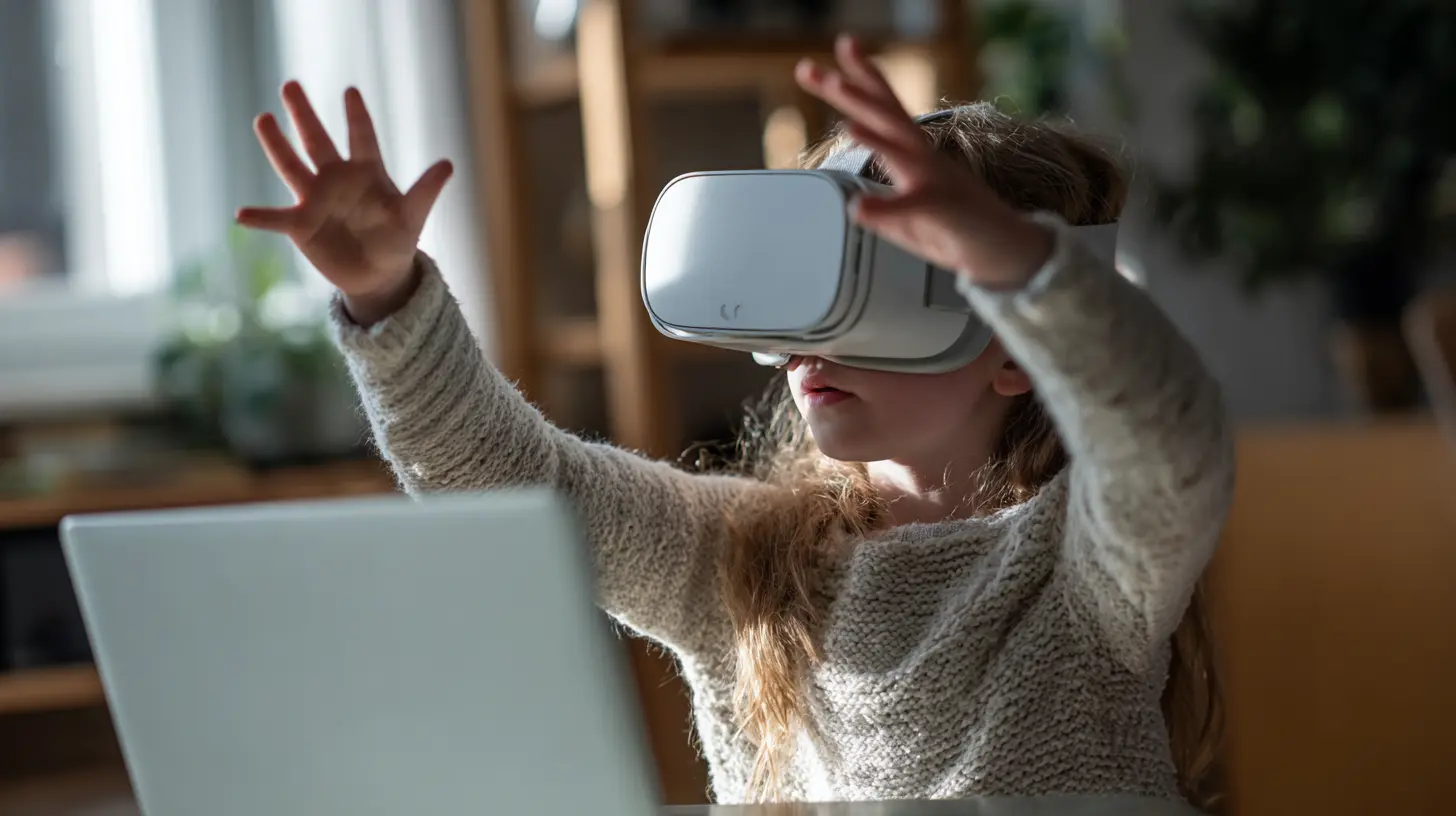
The Pre-Trip Hype: Why You Need to Be a Carnival Barker
Before the virtual field trip even starts, you have a job to do. And no, it is not just making sure the laptop is charged.You need to sell this thing like you are trying to convince a cat to take a bath. Your child needs to believe that this virtual trip is actually exciting, not just a video they could watch anytime. This requires effort, and I am sorry about that.
Here is what works: build anticipation in the days before. If the trip is to a space station, watch a short video about astronauts the night before. If it is to a rainforest, have a "rainforest snack" like bananas or something with coconut. Make it a thing. Create a countdown calendar. Talk about what you might see.
The mistake most parents make is treating the virtual field trip like a documentary that plays itself. It does not. You have to be the hype machine. You have to ask questions before the trip starts. "What do you think they will show us? Do you think the penguins will be awake? How do you think they film inside a volcano?"
When your child has a stake in the outcome, they are more likely to pay attention. It is the same reason people watch sports but usually do not watch golf unless they play it. Investment drives engagement.
But do not overdo it. If you build it up too much, you will create expectations that cannot be met. Then you will have a disappointed child and a guilt trip that lasts longer than the actual field trip. Aim for "this should be pretty cool" not "this will change your life."

The Tech Gauntlet: Your New Role as IT Support
Let me paint you a picture. It is 9:58 AM. The field trip starts at 10:00. Your child is sitting at the kitchen table with a pair of headphones that do not fit properly. The laptop is making a fan noise that sounds like a jet engine. The teacher sent a link that requires a password. The password is in an email you cannot find because it is buried under seventeen other emails from the school about lunch balances and picture day.Welcome to the tech gauntlet.
Here is the hard truth: you need to test everything before the actual event. I know, I know. You are busy. But the alternative is a meltdown at 10:02 AM when the video buffers for the third time and your child starts crying because they missed the part about how sharks reproduce.
Do a dry run the day before. Open the link. Check the password. Make sure the audio works. If the trip uses a platform like Zoom or Google Meet, check that the camera and microphone are set up correctly. And for the love of all that is holy, close other browser tabs. Your child does not need to see a pop-up for a sale on running shoes in the middle of the Egyptian pyramids.
Also, have a backup device. If the laptop fails, can you switch to a tablet? Do you have a phone with a decent screen? It is not ideal, but it is better than nothing. Think of it like having a spare tire. You hope you never need it, but you are very glad it is there when you do.
One more thing: do not sit there and try to fix technical issues during the trip. If the audio cuts out, pause the video and troubleshoot. Do not let your child sit in silence while you frantically click around. They will lose interest in about thirty seconds. Ninety seconds at most.
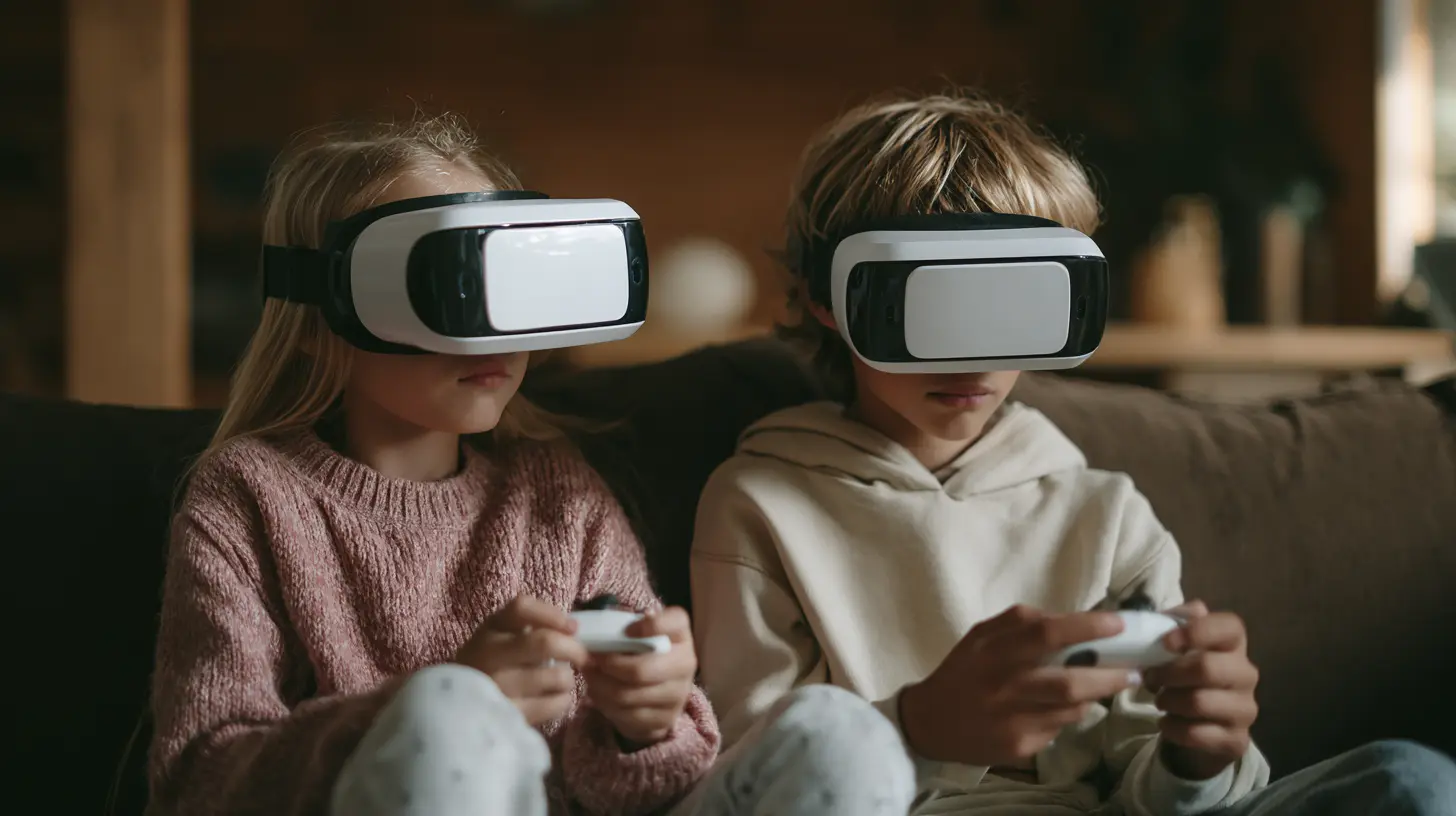
The Snack Conundrum: To Feed or Not to Feed
In a real field trip, snacks are a controlled substance. You pack a granola bar and maybe some crackers. The kids eat at a designated time, usually outside or in a cafeteria, and then they go back to looking at exhibits.At home, the snack situation is a lawless frontier. Your child will want to eat the entire time. They will ask for chips. They will ask for juice. They will ask for something that requires a spoon and a bowl and a napkin and a wet wipe.
Here is my professional advice: do not let them eat during the trip. Not because eating is bad, but because the crunching will drive you insane and the crumbs will end up in the keyboard. Also, food is a distraction. If their hands are busy with crackers, they are not paying attention to the screen. They are thinking about the crackers.
Instead, plan a snack break for halfway through. If the trip is thirty minutes, do a quick five-minute break. If it is an hour, break at the thirty-minute mark. Let them get up, stretch, use the bathroom, and have a small snack. Then bring them back.
The only exception is a drink. A water bottle is fine. It does not make noise and it does not make crumbs. Just make sure it has a lid and cannot spill. Because the last thing you need is a virtual field trip to the Grand Canyon interrupted by a puddle of apple juice on the table.
The Attention Problem: Why Your Child Will Not Sit Still
I have news for you. Your child is not going to sit still for an hour-long virtual field trip. They just are not. Their bodies are not designed for it. Even adults struggle to sit through a one-hour webinar without checking their phone every few minutes.So do not fight it. Instead, plan for movement.
Encourage your child to stand up during the trip. Put the laptop on a counter or a high table so they can watch while standing. They can bounce on their toes. They can do a little dance when the tour guide says something interesting. This is not disrespectful. This is how children process information. They need to move to stay focused.
You can also give them something to do with their hands. A piece of paper and a pencil for sketching what they see. A small notebook for writing down questions. Playdough is a risky choice because it will end up in the hair, but if you have a child who needs that kind of sensory input, go for it. Just be prepared for the cleanup.
The bigger issue is that children have a short attention span, and virtual field trips often have long stretches of talking. The guide is showing a painting and talking about brushstrokes for five minutes. Your six-year-old does not care about brushstrokes. They want to see the mummies.
This is where you come in. You are not just the IT support. You are also the living commentary track. When the guide is talking about something boring, you can whisper a fun fact. "Did you know that this castle has a secret tunnel? I bet they used it to sneak out and get ice cream." Keep it light. Keep it funny. You are the hype man, remember?
The Art of the Pause Button: Using Interactivity to Your Advantage
Here is something that most people do not realize about virtual field trips: you can pause them. This is a huge advantage over real field trips. You cannot pause a real museum tour. If your child needs to pee, you miss the dinosaur exhibit.But with a virtual trip, you have control. Use it.
If your child asks a question, pause the video and answer it. If they see something interesting, pause and zoom in. If they are bored, pause and take a break. You are not on a schedule. You are not being rushed by a tour guide who has done this tour four times today and just wants to go home.
The pause button is your best friend. Do not be afraid to use it.
However, there is a downside. Some virtual field trips are live, which means you cannot pause them. If the trip is happening in real time, you are at the mercy of the presenter. In that case, you have two options. One, let your child watch and accept that they will miss some things. Two, record the session if possible and watch it later with pauses.
If you have the choice, I recommend recorded trips over live ones. Recorded trips give you control. Live trips feel more authentic, but they also feel more stressful. You are constantly worried about missing something. With a recorded trip, you can rewind. You can watch the shark scene three times. You can skip the boring part about water temperature.
Common Mistakes Parents Make (And How to Avoid Them)
Let me be blunt. Most of the frustration with virtual field trips comes from avoidable mistakes. Here are the big ones.Mistake number one: treating it like school. This is not school. This is an experience. It should feel different. If you make your child sit at a desk with a pencil and paper and take notes, they will hate it. Let them sit on the floor. Let them lie on their stomach. Let them be comfortable.
Mistake number two: expecting perfection. The video will buffer. The audio will glitch. The guide will say something confusing. This is fine. It is not a production. It is a field trip, and field trips are messy. Roll with it.
Mistake number three: hovering too much. If you sit right behind your child and watch the entire trip with them, you will create tension. They will feel watched. They will worry about doing something wrong. Give them space. Check in occasionally, but do not be a shadow.
Mistake number four: not following up. The field trip does not end when the video stops. The learning happens after. Ask your child what they liked. Ask them what they would want to see again. Look up more information about the topic. Make a drawing or a craft related to the trip. This follow-up is what turns a virtual field trip from a passive activity into an actual learning experience.
The Comparison Trap: Why You Should Not Compare Your Child to Others
Here is a painful truth. Your neighbor's kid might watch the entire virtual field trip with rapt attention and then write a three-page essay about it without being asked. Your child might watch for ten minutes, ask if they can play outside, and then wander off to pet the cat.Do not compare. I repeat, do not compare.
Every child is different. Some children are naturally curious and will latch onto any new experience. Others need time to warm up. Some children learn best by watching. Others learn best by doing. Just because your child did not sit still does not mean they did not learn anything.
I have seen parents get genuinely upset because their child was not engaged with a virtual field trip. They took it personally. They thought it meant their child was not smart or not curious. That is nonsense. It just means the trip did not match their child's interests or learning style.
If your child is not engaged, do not force it. Turn it off. Try a different trip. There are thousands of virtual field trips available. You will find one that clicks. And if you do not, that is okay too. Not every child needs to see every virtual exhibit. Some kids would rather read a book about dinosaurs than watch a video about them. That is valid.
The Hidden Benefit: Virtual Field Trips Teach Digital Literacy
Here is something that is rarely mentioned but is actually important. Virtual field trips are a form of digital literacy. Your child is learning how to navigate online content, how to use video platforms, how to interact with digital media. These are real skills.In the future, your child will attend online meetings, take virtual tours of colleges, and maybe even work remotely. Learning how to pay attention to digital content is a skill that will serve them well.
So even if the virtual field trip is not as exciting as a real one, it is still teaching your child something valuable. They are learning how to learn in a digital environment. That is not nothing.
The Bottom Line: Lower Your Expectations and Raise Your Snack Game
Let me wrap this up with some practical advice.Lower your expectations. Not in a defeatist way, but in a realistic way. Your child is not going to have a transcendent experience every time. Sometimes they will be bored. Sometimes the tech will fail. Sometimes you will all be frustrated. That is okay. It is still better than not having the experience at all.
Raise your snack game. I know I said not to eat during the trip, but the snack after the trip is important. Have something special ready. Talk about the trip while you eat. This creates a positive association. Your child will remember the fun they had, not just the glitchy video.
And most importantly, be kind to yourself. You are doing a job that did not exist ten years ago. There is no manual for this. You are figuring it out as you go, and you are doing a good job. The fact that you are reading this article means you care. That counts for a lot.
Virtual field trips are not a replacement for real ones. They are a supplement. They are a way to see the world when you cannot physically go there. And in that sense, they are a gift. They are just a gift that requires you to do a lot of work to unwrap.
So go ahead. Set up the laptop. Test the audio. Prepare the snacks. And when your child asks if they can go back to watching cartoons instead, take a deep breath and remember that you are building something. You are building a curious mind. It is just happening at a very slow pace, with occasional interruptions from the family dog.
Good luck. You are going to need it.
all images in this post were generated using AI tools
Category:
Parenting And TechnologyAuthor:

Max Shaffer
Discussion
rate this article
1 comments
Quade Wood
Who knew our living rooms could double as the Louvre? Just keep the snacks handy and hope the WiFi holds up during that virtual safari...
August 18, 2026 at 2:37 AM
Max Shaffer
Right? It's amazing how much we can explore from our couches. Snacks and a good connection are key for these adventures...