Parental Burnout: Why Being Good Enough Is Okay
14 December 2025
Let’s be honest: parenting is hard. It's messy, chaotic, exhausting, beautiful—and sometimes, downright overwhelming. You wake up to crying, you cook meals no one eats, you clean things that instantly get messy again, and you manage meltdowns that come out of nowhere. Somewhere along the way, that tiny, nagging voice creeps in: “Am I doing enough? Am I a good parent?”
Let’s cut to the chase—parental burnout is real. And here’s a radical thought: being a "good enough" parent isn’t just acceptable, it’s actually healthier for you and your kids.

What Exactly Is Parental Burnout?
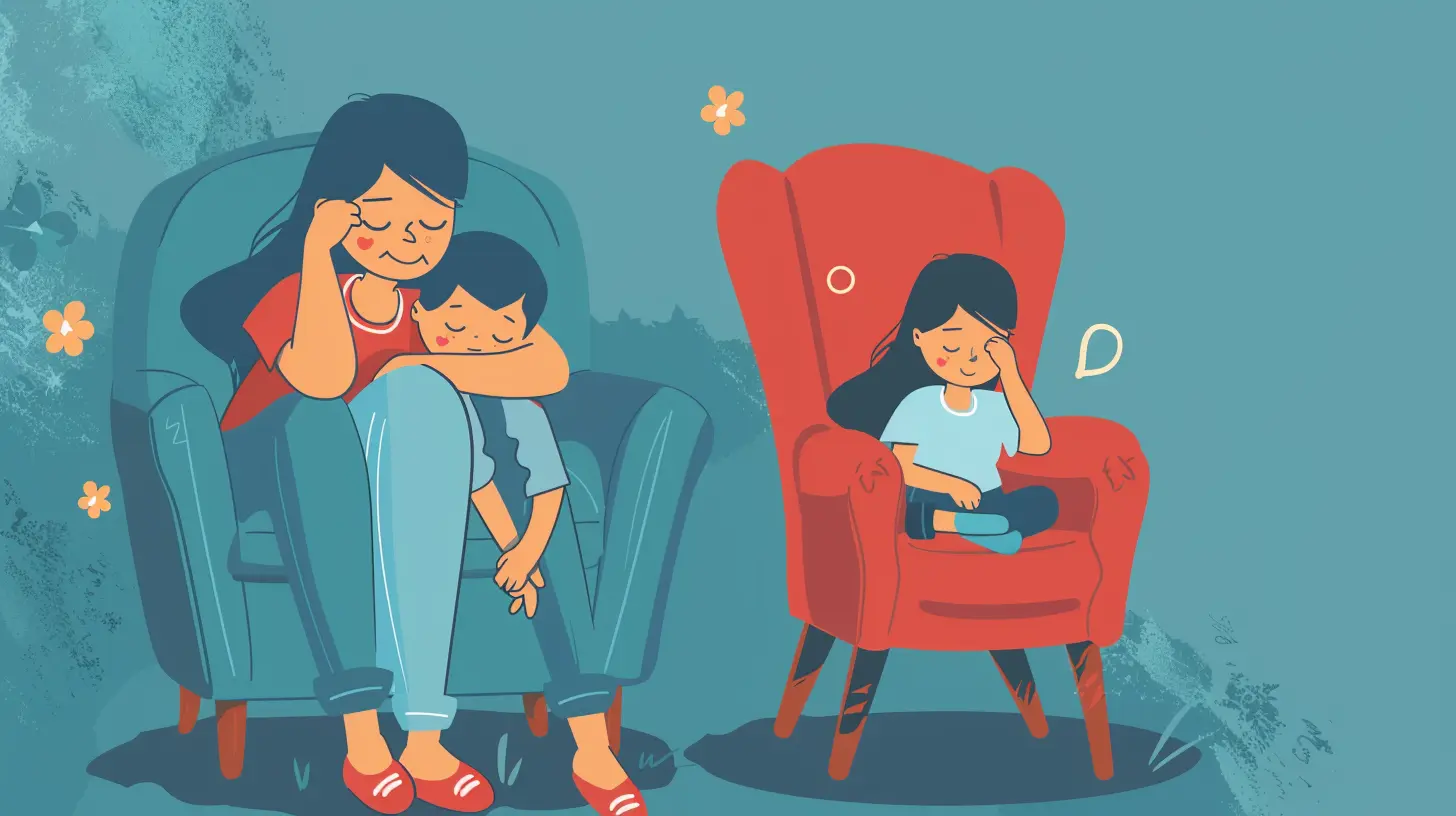
Parental burnout isn't just feeling tired or having a rough day. It goes deeper—much deeper. Think of it like this: burnout is what happens when emotional exhaustion meets the impossibility of meeting never-ending expectations. You’re running on empty, but still pushing forward like your well-being doesn’t matter.Symptoms often include:
- Constant fatigue that doesn’t go away with rest
- Emotional detachment from your kids
- Feeling like you're failing—no matter what you do
- Irritability, resentment, or just feeling “numb”
- Dreading everyday parenting tasks
Now, these aren’t just one-off feelings during a rough week. Burnout becomes a chronic state of being, and it’s more common than you think.
Why Are Today’s Parents So Burnt Out?
We live in a world that glorifies perfection. Instagram moms with immaculate homes and homemade organic snacks. Dads who somehow balance a high-powered job and still coach every sport. Society pushes this ideal of “super-parent,” and spoiler alert—it’s unattainable.Modern parenting is like juggling flaming swords on a unicycle. You're told you need to keep your child constantly entertained, socially engaged, emotionally supported, academically challenged, artistically creative, and physically active. All while working, maintaining a household, staying fit, and—don’t forget—having a social life.
It’s no wonder so many of us are burning out.

The Myth of the “Perfect Parent”
Let’s debunk a big fat lie right now: There. Is. No. Perfect. Parent. Full stop.Every family is different. Every child is unique. And yes, every parent has bad days. The idea that we’re supposed to be calm, patient, present, and joyful every single second is not just unrealistic—it’s damaging.
When we hold ourselves to impossible standards, we don’t just fail to meet them—we start to believe we’re failures. That guilt and shame create a vicious cycle that leads to deeper burnout.
So what’s the solution? Lower the bar.

“Good Enough” Parenting Isn’t Mediocre—It’s Healthy
Psychologist Donald Winnicott coined the term “good enough mother” in the 1950s, and it’s still relevant today. The idea is simple but powerful: children don’t need perfect parents. They need attuned, present, and loving parents who show up, mistakes and all.Being “good enough” means:
- Meeting your child’s basic emotional and physical needs
- Offering consistency and safe boundaries
- Being available most of the time, not all the time
- Apologizing and repairing when you mess up (because you will)
- Showing your child that it's okay to be human
Here’s the kicker—kids actually benefit from seeing you mess up and recover. It teaches them resilience. It shows them that emotions can be managed, problems can be solved, and love doesn’t disappear when things get tough.
The High Price of Perfectionism in Parenting
Trying to be the perfect parent doesn't just burn you out; it impacts your kids too.- Perfectionist parents often over-control, leading to less independence in kids
- Children can feel pressured to be “perfect,” creating anxiety and fear of failure
- Kids may struggle to develop coping skills if they never see adults navigating stress in healthy ways
- The emotional distance that comes with burnout can lead to feelings of insecurity or confusion in children
Let’s flip the narrative. When you let go of perfection, you gain connection. You’re more emotionally available. You’re more human and relatable. And that’s what your kids really need.
Signs You May Be Experiencing Parental Burnout
Not sure if you're heading toward burnout? Check in with yourself. Do any of these ring a bell?- You feel numb or emotionally detached from your children
- Tasks that used to feel manageable now feel impossible
- You fantasize about escaping your responsibilities—even briefly
- You’re constantly irritable, snapping over small things
- You feel like you’ve lost your identity outside of being a parent
If any of these sound familiar, pause. You’re not alone, and you’re not failing. You’re human.
Let’s Talk About Guilt… And Why You Should Drop It
Parental guilt is the emotional equivalent of carrying a backpack full of bricks everywhere you go. “Did I yell too much today?” “I let them watch YouTube while I worked.” “We had cereal for dinner again.”Okay, yes—sometimes guilt nudges us to course-correct. But more often, it just steals our joy. You're doing the best you can. Your kids don’t need gourmet meals or constant stimulation. They need love, security, and a parent who isn't drowning inside.
Show yourself the same compassion you show to your child when they’ve had a hard day. You deserve that grace.
How to Recover from Parental Burnout
If you've realized you're burnt out, or on the edge, the good news? You can come back from it. Here’s how.1. Redefine Success
Instead of aiming for “best parent ever,” aim for balanced parent today. Did your kid feel loved? Fed? Safe? That’s a win.2. Set Boundaries
You can’t pour from an empty cup. Say no to things that drain you. Maybe that means skipping soccer practice one week or not volunteering for the bake sale. It’s okay.3. Ask for Help
You’re not weak for needing help; you’re wise. Whether it's your partner, a grandparent, a friend, or even a therapist—reach out. It takes a village, remember?4. Take Breaks—Without Guilt
A 15-minute walk. A solo grocery trip. A night away. Whatever helps you recharge, do it. And do it unapologetically.5. Scale Back on “Shoulds”
You don’t have to do what every other parent is doing. You know your child. Trust that.6. Connect with Other Parents
There’s so much relief in hearing “me too.” Find or create a space where parenting isn’t sugar-coated. You’ll feel less alone.What Kids Really Remember
Think back to your own childhood. What do you remember most? Chances are, it’s not the meals or whether your clothes were perfectly folded. It’s connection. It’s the bedtime stories, the laughter, the way your parent made you feel safe and seen.Your children are building those same memories now.
They won’t remember that you didn’t throw the Pinterest-worthy birthday party. But they’ll remember the way you danced in the living room in your pajamas. They’ll remember your hugs, your laughs, your presence.
So yeah—being “good enough” is more than okay. It’s exactly what your kids need.
Final Thoughts: Permission to Be Human
Let’s normalize this: You’re allowed to have tough days. You’re allowed to need space. You’re allowed to stumble.Try this: Next time you feel like you’re not doing enough, whisper to yourself, “Good enough is better than burned out.”
Parenting isn’t about perfection. It’s about showing up—not just for your kids, but for yourself too.
So let’s drop the guilt, take off the cape, and remind ourselves: being “good enough” is more than just sufficient—it’s beautiful, it’s sustainable, and it’s what real parenting looks like.
all images in this post were generated using AI tools
Category:
Parental BurnoutAuthor:

Max Shaffer
Discussion
rate this article
2 comments
Olivia Stevens
Embrace imperfection; it's liberating!
December 18, 2025 at 5:01 AM
Max Shaffer
Absolutely! Embracing imperfection is key to reducing parental burnout and finding freedom in simply being good enough.
Lucas McInnes
Thank you for addressing the reality of parental burnout. It’s a relief to know that striving for "good enough" is not just acceptable but truly vital for our well-being.
December 17, 2025 at 3:51 PM
Max Shaffer
Thank you for your thoughtful comment! I'm glad the message resonated with you. Prioritizing our well-being is essential in parenting.