Navigating Sibling Rivalry with Confidence in 2027
17 April 2026
Remember those classic sibling rivalry scenes? The hair-pulling, the toy-snatching, the eternal wail of "Moooom, he's looking at me!"? Fast forward to 2027, and while the core emotions might be timeless, the landscape of childhood—and therefore, the battlegrounds of sibling conflict—has transformed dramatically. As parents, we’re not just refereeing fights over the remote control anymore. We’re navigating digital territories, evolving family structures, and a world that moves at the speed of a fiber-optic connection. So, how do we move from reactive firefighting to proactive, confident guidance? Let’s unpack the future of sibling dynamics and build a toolkit that’s ready for 2027 and beyond.
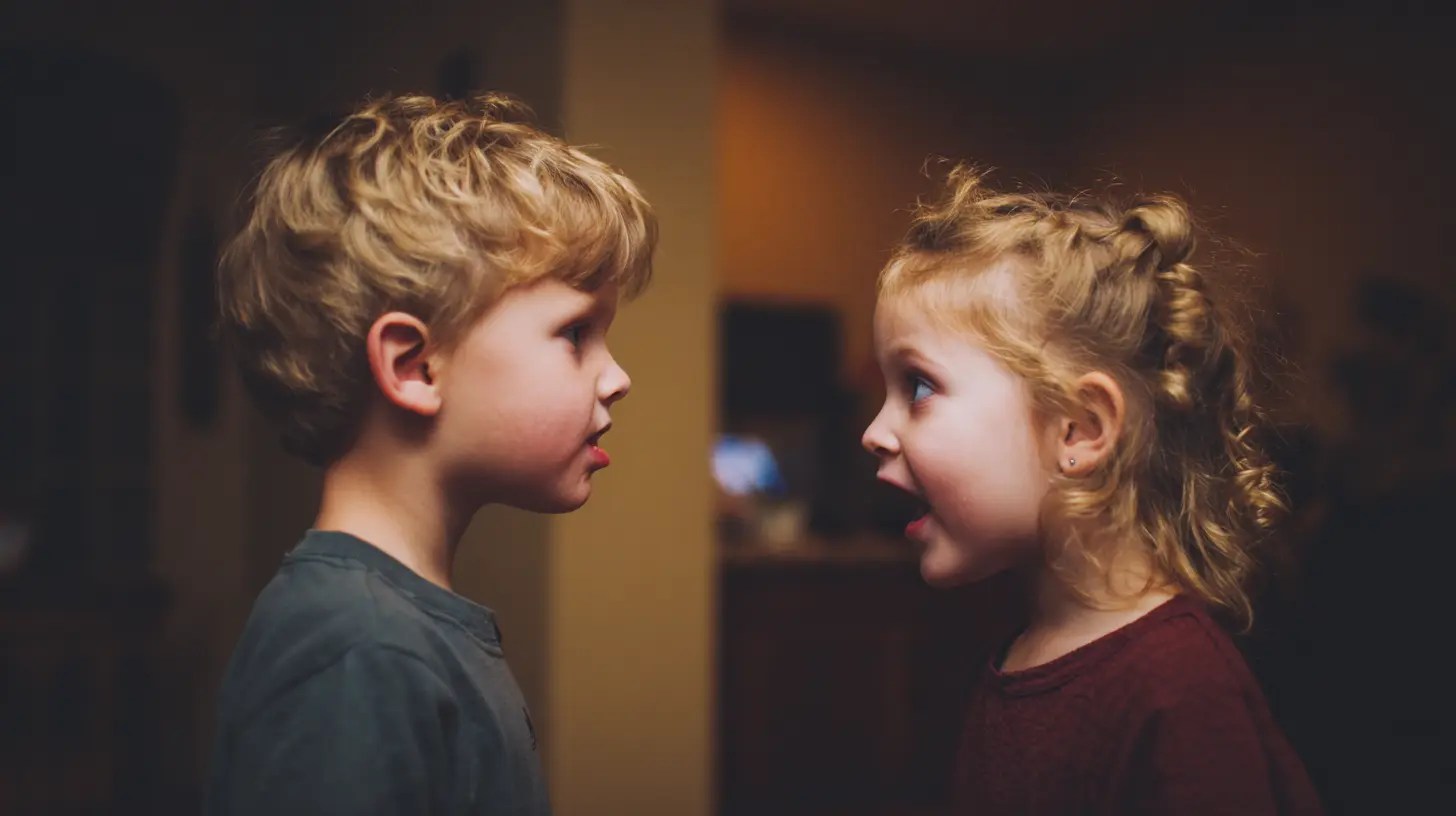
The 2027 Sibling: A New Breed of Conflict
First, let’s set the stage. The kids squabbling in your home in 2027 are digital natives in a way we can barely comprehend. Their identities, social interactions, and even their sources of jealousy are intricately woven with technology. The rivalry isn't just about who got the bigger slice of cake; it’s about who got more likes on their virtual reality creation, who has a cooler avatar, or who is allowed more screen time in the family's shared digital ecosystem.Think of it like this: In the past, the playing field was the physical living room. In 2027, it’s a hybrid reality—part physical, part digital, and all emotionally charged. A child feeling overlooked might not slam a door; they might retreat into a immersive game world, making the conflict harder to see but no less real. Our job is to become bilingual, understanding the language of both tangible Lego disputes and the subtle nuances of social media envy.
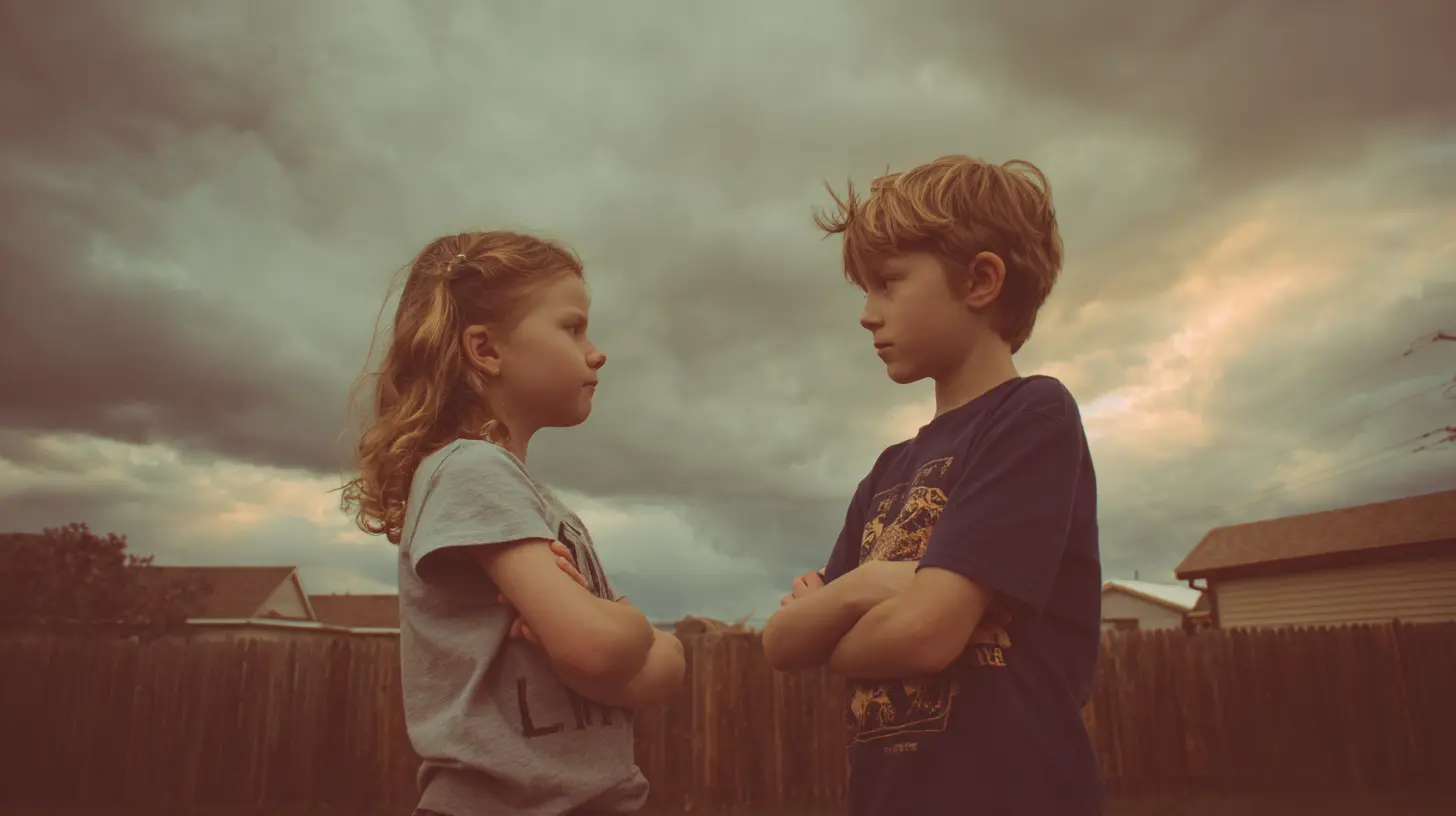
Beyond "Just Get Along": The Foundational Mindset Shift
Here’s our first, crucial step. We need to ditch the fantasy of conflict-free siblings. Rivalry isn’t a sign of your parenting failure; it’s a sign that your kids are human, with competing needs, desires, and personalities. It’s the gym where they learn negotiation, empathy, and boundary-setting. Our goal for 2027 isn’t to eliminate sparks but to teach them how to control the flame and build a fire that warms, not burns.Ask yourself: Are you trying to be a judge, issuing verdicts on who started it? Or are you aiming to be a coach, equipping both players with the skills to play the long game of life together? This shift from arbitrator to emotional coach is the cornerstone of confident navigation. It means being less concerned with immediate peace and more invested in long-term relationship skills.
The Core Pillars of Confident Navigation in 2027
Confidence doesn't come from having all the answers. It comes from having a reliable framework. Let’s build yours with these four pillars.1. Proactive Connection: Filling the Bucket Before It Leaks
Much of sibling strife stems from a perceived scarcity of your most precious resource: connected attention. In a world of buzzing notifications and packed schedules, kids will fight for your focus like it’s the last lifeboat. The solution is proactive, one-on-one connection.This isn't about grand, weekly outings. It’s about the 10-minute "special time" that is sacred, predictable, and child-directed. With one kid, it might be building a ridiculous pillow fort. With another, it’s a walk while they chatter about their favorite game. This is like making regular deposits into their emotional bank account. When accounts are full, they’re less likely to bankrupt each other with withdrawals of jealousy and spite. In 2027, where attention is fragmented, this deliberate, device-free focus is your most powerful antidote to rivalry.
2. Equity Over Equality: The Death of the "Exactly the Same" Myth
This is a big one. We often think fairness means sameness. Same number of grapes, same bedtime, same size gift. But this rigid equality is a trap. Your children are different people with different needs. A five-year-old needs more hands-on help than a ten-year-old. A teen needs privacy, a toddler needs closeness.Instead of "equal," aim for equitable. Explain it to your kids: "Fair doesn't mean we all get the same thing. Fair means we all get what we need to be okay and feel loved." The ten-year-old might get a later bedtime because their body needs less sleep. The sensitive child might need more reassurance before a big test. When a conflict arises, instead of measuring who got what, frame it through the lens of need. "I see you're upset your sister got new headphones. Her old ones broke, which was her need. Your headphones are working, so your need is met right now. When you have a need, we'll address it too." This teaches them to articulate their own needs and understand others’, a critical skill for any future relationship.
3. Emotion Coaching: The Tech-Enabled Heart
In 2027, we have tools at our fingertips that previous generations didn’t. Use them! Emotion coaching is the process of helping a child identify, name, and process their feelings. When tensions erupt, your role isn’t to solve it instantly.It sounds like:
* "Whoa, I see two very angry faces. Your body looks really heated."
* "It looks like you felt really hurt when he took your controller without asking."
* "You both wanted the last juice box, and that feels really frustrating, doesn't it?"
This is where you can leverage technology. For younger kids, use emotion-identification apps or videos to build their "feeling word" vocabulary. For older kids, you might share a relatable meme or short clip about conflict resolution—meeting them in their digital world to teach an analog skill. By validating the emotion first ("It's okay to be furious"), you drain the conflict of its power. Then, and only then, can you move to problem-solving ("But it's not okay to hit. What's a strong-word way to say you're furious?").
4. Structured Problem-Solving: The Family Board Meeting 2.0
For recurring issues—the daily battles over the smart speaker, the bathroom schedule, the charging station—move from ad-hoc rulings to structured family solutions. Call a "Family Council." Make it fun, with snacks. Present the problem neutrally: "We've noticed the morning routine is creating a lot of yelling. How can we solve this so everyone feels heard?"Brainstorm solutions together, no matter how silly. Write them all down. Then, vote on a plan to try for a week. This could be a digital chart on a family app, a color-coded schedule on a smart display, or a simple token system. The key is shared ownership. In 2027, kids are used to having agency in their digital worlds (choosing avatars, customizing spaces). Give them agency in the family system. When they help build the solution, they’re more invested in making it work.

The 2027-Specific Challenges (And Your Game Plan)
Let’s get practical about what might be on your plate.The Digital Divide: One child has a phone for safety; the younger one doesn’t. This is prime jealousy territory. Your Move: Establish clear, milestone-based tech rules for the family*, not just per child. "In our house, we get a basic phone for check-ins when we start independent travel to school." This frames it as a responsibility, not a cool toy. Create shared digital experiences, like a family movie night or a cooperative video game, to bridge the gap.
* The Social Media Comparison Trap: "Her TikTok has more followers!" Your Move: Have open, non-judgmental conversations about the curated highlight reel of social media. Foster pride in individual, offline strengths. Celebrate your one child’s amazing artwork and the other’s kindness to friends with equal, genuine enthusiasm. Teach them that worth isn't a metric.
The Hybrid/Blended Family Dynamic: With more diverse family structures, "siblings" may be a mix of full, half, step, and "bonus" kids with varying time in the home. Your Move: Prioritize creating new, unique family rituals that belong to this* specific family unit. Don't force bonds; create opportunities for connection through shared experiences (a weekly taco night, a yearly camping trip). Acknowledge different relationships without judgment—it’s okay to have a different bond with a stepsibling you see every other weekend.
Your Confidence Toolkit: Phrases for the Future
Arm yourself with language that de-escalates and empowers:* Instead of: "Stop fighting!"
Try: "I hear a problem. Are you two ready to solve it, or do you need a cool-down break first?"
* Instead of: "She's younger, just let her have it."
Try: "I can see you're struggling to share. Let's set the timer for five minutes each. How does that sound?"
* Instead of: "Why can't you be more like your brother?"
Try: "I love how uniquely you both handle things. You are so persistent, and your sister is so creative. What a great team you could make."
The Long View: From Rivals to Allies
The squabbles over toys and screens are the training ground for a relationship that will outlive you. The goal of navigating sibling rivalry with confidence in 2027 isn’t just a quieter house today (though that’s a nice bonus). It’s about forging the kind of bond that becomes their greatest support system.You’re helping them build a shared history, a private language, and a deep-seated knowledge that there is someone in the world who has known them since the beginning. You’re coaching them to be each other’s tech support in a tricky digital world, each other’s confidant when parents "just don’t get it," and each other’s anchor in a fast-changing future.
So, take a deep breath. You’ve got this. See the next conflict not as a disruption, but as an opportunity—a live workshop in empathy, communication, and resilience. Step in with your new mindset, your proactive tools, and the quiet confidence of a coach who knows the game is long, and the payoff is a friendship written in the indelible ink of family history.
all images in this post were generated using AI tools
Category:
Sibling RelationshipsAuthor:

Max Shaffer
Discussion
rate this article
2 comments
Thalwen Mathews
This article beautifully addresses the complexities of sibling rivalry. It’s reassuring to know we can navigate these challenges with confidence and understanding. Thank you for sharing!
April 21, 2026 at 4:30 PM
Max Shaffer
Thank you for your thoughtful comment! I'm glad you found the article helpful. Sibling dynamics can be tricky, but with understanding, we can make great strides.
Luma McInerney
Embrace the beautiful chaos of sibling rivalry! By fostering communication and empathy in your children, you’re not just navigating conflicts but building a foundation for lifelong relationships. Let’s raise resilient, compassionate kids together!
April 18, 2026 at 4:59 AM
Max Shaffer
Thank you for your insightful comment! Fostering communication and empathy truly lays the groundwork for strong sibling bonds and resilience. Let's continue to support each other in this journey!