Mindfulness Techniques to Help Kids Practice Gratitude Daily
19 February 2026
Gratitude is one of the most powerful emotions that can transform our perspective on life. When kids learn to practice gratitude daily, it fosters a positive mindset, strengthens relationships, and improves emotional well-being. But how do we teach children to be grateful in a world full of distractions and instant gratification?
Mindfulness!
Mindfulness techniques help kids slow down, appreciate the present moment, and recognize the good in their lives. In this article, we'll explore practical and engaging mindfulness strategies to help children build gratitude as a habit. 
Why Is Gratitude Important for Kids?
Gratitude isn't just about saying "thank you." It's about recognizing and appreciating the little things—whether it's a warm meal, a kind word, or a beautiful sunset.When kids develop a sense of gratitude, they experience:
✔ Better Mental Health – Gratitude reduces stress, anxiety, and negative thoughts. Kids who practice gratitude tend to be happier and more optimistic.
✔ Stronger Relationships – Thankfulness helps children build deeper connections with family, friends, and teachers.
✔ Improved Resilience – Life isn't always easy, but a grateful mindset helps kids cope with challenges.
✔ Increased Generosity – Grateful kids are more likely to be kind, helpful, and compassionate toward others.
Now that we understand why gratitude matters, let's dive into mindfulness techniques that can help kids embed it into their daily lives. 
1. Start Each Day with a Gratitude Moment
Mornings set the tone for the rest of the day. Instead of jumping into the rush of breakfast, homework, and getting out the door, take a moment to pause.How to Do It:
- As soon as your child wakes up, ask, "What's one thing you're grateful for today?"- Keep a small board or journal where they can write or draw something they’re thankful for.
- If mornings are too chaotic, try it during breakfast instead.
This simple habit shifts focus from complaints ("I don’t want to go to school!") to positive thoughts ("I'm excited to see my friends today!"). 
2. Gratitude Breathing
Breathing exercises help kids stay present and calm. Adding gratitude turns it into a powerful mindfulness practice.How to Do It:
1. Have your child take a deep breath in and say in their mind, "I am thankful for..."2. As they breathe out, they can picture what they’re grateful for.
3. Repeat this 3-5 times with different things they appreciate.
Doing this before bedtime or during moments of stress can be incredibly grounding. 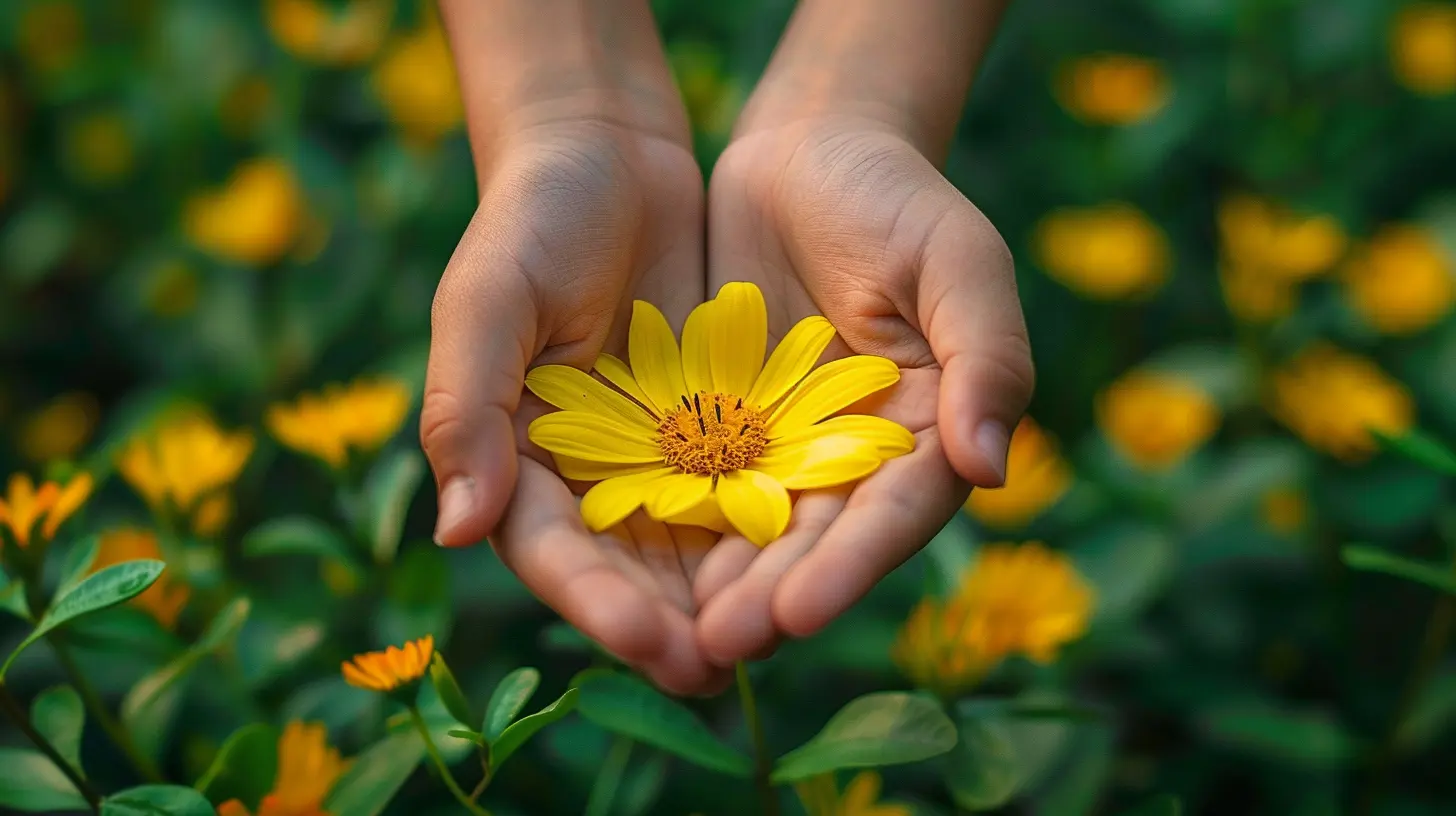
3. Create a Gratitude Jar
Kids love hands-on activities! A gratitude jar is a fun and creative way to encourage consistent thankfulness.How to Do It:
- Get a jar and some small pieces of paper.- Each day, have your child write (or draw) one thing they are grateful for.
- At the end of the week or month, read the notes together.
Seeing a jar fill up with reminders of good things reinforces a gratitude mindset.
4. Gratitude Walks
Nature has a way of making us appreciate the little things. Walking outside while focusing on gratitude is an excellent mindfulness exercise.How to Do It:
- Go for a short walk with your child and encourage them to observe their surroundings.- Ask them to name things they are grateful for—maybe the sunshine, birds chirping, or a cool breeze.
- Turn it into a fun game: "Let's find five things to be thankful for before we get home!"
This activity cultivates mindfulness and helps kids connect with the beauty around them.
5. Bedtime Gratitude Reflections
Ending the day on a positive note helps kids sleep better and wake up with a grateful mindset.How to Do It:
- Before bed, ask: "What was the best part of your day?"- Encourage them to think of a person who made them smile and why.
- Keep a small gratitude journal by their bedside for them to jot down their thoughts.
Focusing on good moments before sleep rewires the brain for positivity.
6. Acts of Kindness
When kids practice kindness, gratitude naturally follows. Helping others makes them more aware of the good in their own lives.How to Do It:
- Encourage writing thank-you notes to teachers, friends, or family members.- Do small acts of kindness together, like donating old toys or making homemade cards for neighbors.
- Create a "Kindness Challenge" where they do one kind act daily and reflect on how it made them feel.
Compassion and gratitude go hand in hand. The more they give, the more they appreciate.
7. Gratitude Art & Storytelling
Kids love storytelling and creativity. Why not weave gratitude into it?How to Do It:
- Have your child draw or paint something they’re thankful for.- Encourage storytelling with prompts like, "Tell me about a time when someone did something nice for you!"
- Make a gratitude scrapbook filled with pictures, drawings, and notes about things they appreciate.
When kids express gratitude through art, it becomes memorable and impactful.
8. Mindful Eating with Gratitude
Food is something many of us take for granted. Teaching kids to appreciate their meals fosters thankfulness.How to Do It:
- Before eating, take a moment to appreciate the effort that went into making the meal.- Encourage kids to thank the person who cooked it.
- Ask questions like, "Where do you think this food came from?" or "What do you love most about this dish?"
When they slow down and savor their meals mindfully, they develop greater appreciation.
9. Gratitude Meditation for Kids
Meditation might sound advanced, but it’s incredibly simple when done in a fun, kid-friendly way.How to Do It:
1. Have your child close their eyes and take deep breaths.2. Guide them through a short visualization, asking them to picture people, experiences, or things they are grateful for.
3. Let them express how it makes them feel.
Just a few minutes a day can build a lasting habit of mindfulness and appreciation.
10. Lead by Example
Kids learn best by watching the adults around them. If we want them to embrace gratitude, we need to model it ourselves.How to Do It:
- Express gratitude openly: "I really appreciate your help today!"- Keep your own gratitude journal and share your entries.
- Make gratitude a family tradition—perhaps a weekly gratitude dinner where everyone shares something they’re thankful for.
When kids see gratitude in action, they naturally mirror it in their own lives.
Final Thoughts
Teaching kids to practice gratitude daily doesn’t have to be complicated. With small, mindful habits, we can help them develop a lifelong appreciation for the little things.Remember, gratitude isn’t just about saying "thanks"—it’s a mindset. By incorporating mindfulness into everyday life, we give our kids the tools to be happier, more resilient, and more compassionate individuals.
So, let's make gratitude a daily ritual. What is one thing you're grateful for today?
all images in this post were generated using AI tools
Category:
Teaching GratitudeAuthor:

Max Shaffer
Discussion
rate this article
2 comments
Otto Hamilton
Empowering kids through gratitude fosters joy and resilience!
February 25, 2026 at 3:49 AM
Max Shaffer
Absolutely! Gratitude practice not only enhances joy but also builds resilience in children, equipping them with essential coping skills for life's challenges. Thank you for your insightful comment!
Lyla Jimenez
What a lovely way to nurture gratitude in our little ones! Mindfulness isn’t just for adults—kids can thrive in this practice too. Simple techniques can make a big difference. Here’s to fostering thankful hearts and happy minds! 🌟
February 20, 2026 at 3:52 AM
Max Shaffer
Thank you! I'm glad you resonate with the importance of mindfulness for kids. Nurturing gratitude can truly transform their well-being! 🌈