Making Sure Your Backyard is Safe for Playtime
27 May 2026
As parents, we all love the idea of our kids playing outside. The laughter, the fresh air, and the simple joy of childhood adventures in the backyard. It's pure magic. But let’s be real—behind the magic lies a responsibility we can't ignore: making sure that outdoor space is safe.
You might look out the window and think, “My yard looks fine to me.” But when it comes to children, especially little explorers who think climbing a fence is a sport, “fine” isn’t always safe. Today, we’re diving into how to turn your backyard into a secure, parent-approved play zone that still encourages all the fun and wonder kids live for.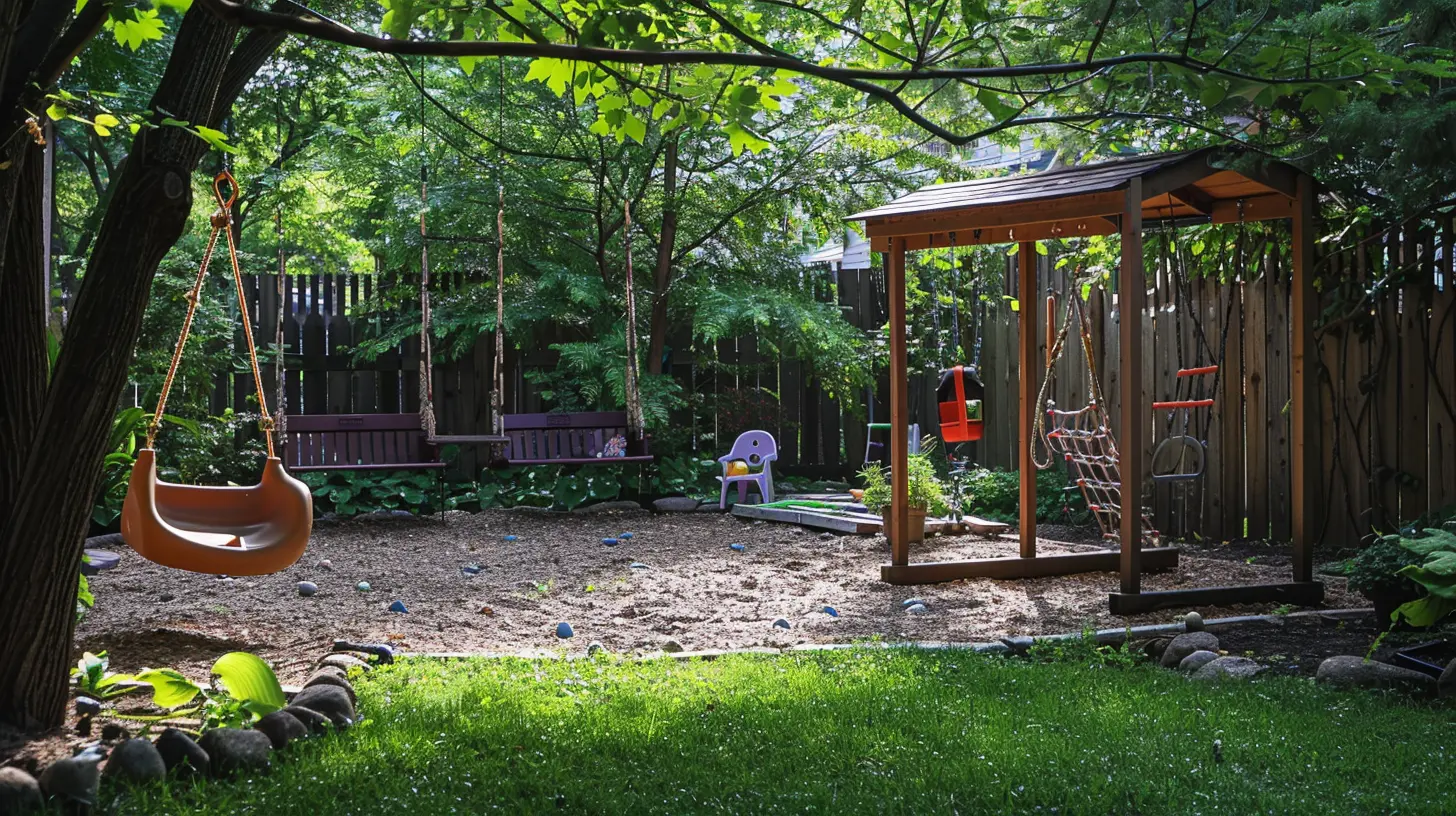
Why Backyard Safety Matters More Than You Think
Kids are natural-born daredevils. Give them a patch of grass and a stick, and they'll find a way to turn it into a sword fight, an excavation site, or a makeshift Olympic event. And that’s exactly why safety needs to be priority number one. According to pediatric safety studies, thousands of children are treated each year for backyard-related injuries—everything from minor scrapes to serious falls and even drowning incidents in home pools.Creating a safe backyard doesn’t mean bubble-wrapping every tree or replacing grass with foam. It simply means being proactive, observant, and a little creative about how kids interact with your space.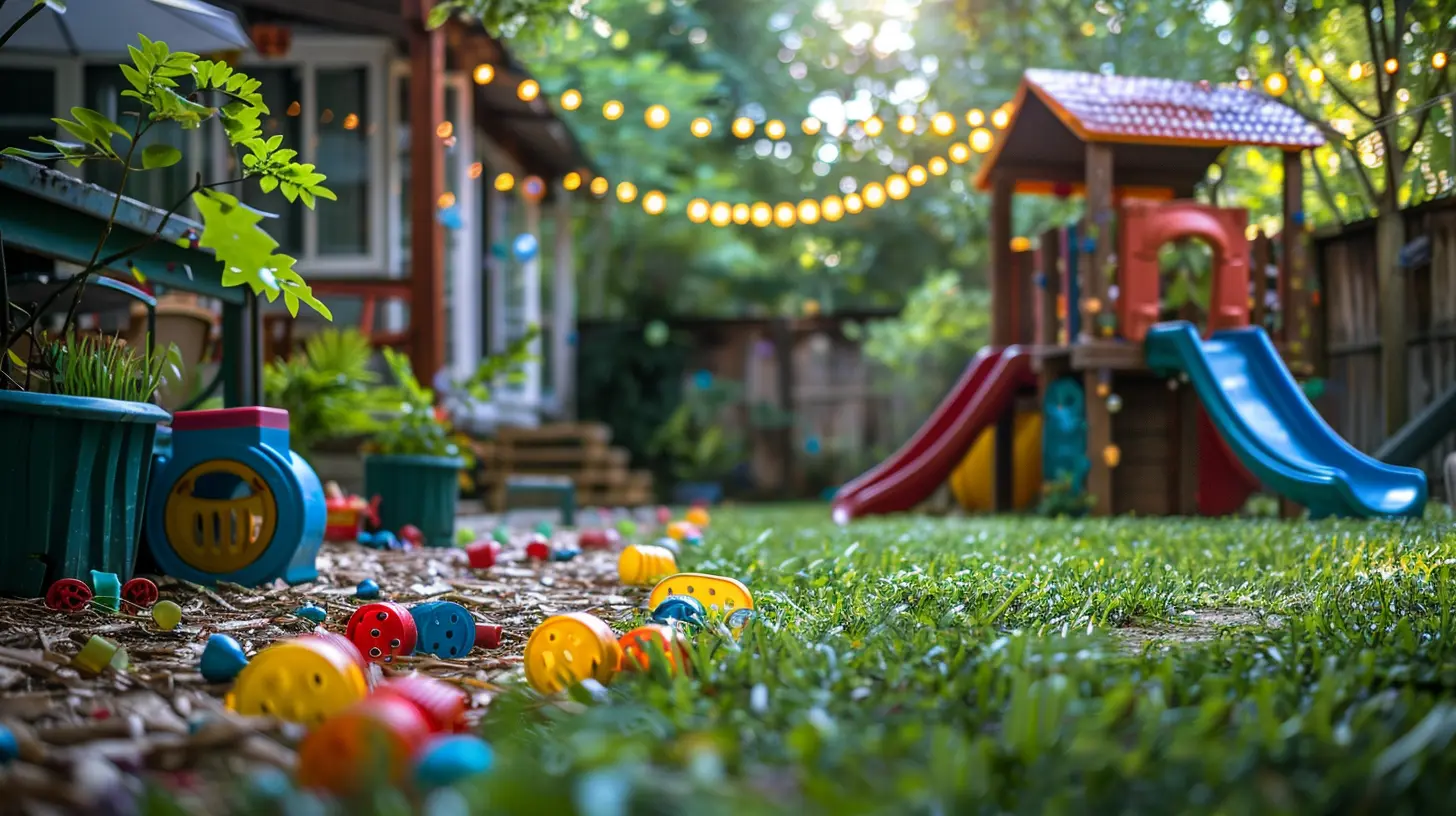
Start With the Yard Itself
1. Inspect the Ground Level
Let’s talk turf. Walk around your yard and look closely at the ground. Are there any sharp rocks? Tree roots popping out like mini speed bumps? Uneven areas where someone could easily trip?If your backyard’s terrain looks like it could host an episode of “Survivor,” you’ll want to smooth things out. Fill in holes, level the ground where needed, and remove any hazardous debris. Bonus: a smooth lawn is easier to mow and looks better too.
> Tip: Rubber mulch or grass mats are great for under swing sets and jungle gyms. They're soft, absorb impact, and reduce the chance of serious injuries during falls.
2. Choose Kid-Friendly Landscaping
Think twice about those decorative plants. Some common backyard favorites like oleander, foxglove, and even certain lilies are toxic if ingested. If your child’s still in the "everything goes in the mouth" phase, it’s worth researching your current plants.Also, mind thorny or sharp-edged bushes. Roses are gorgeous, but those thorns? Ouch. Opt for softer, non-toxic greenery. Lavender, sunflowers, and marigolds are safe and add charm.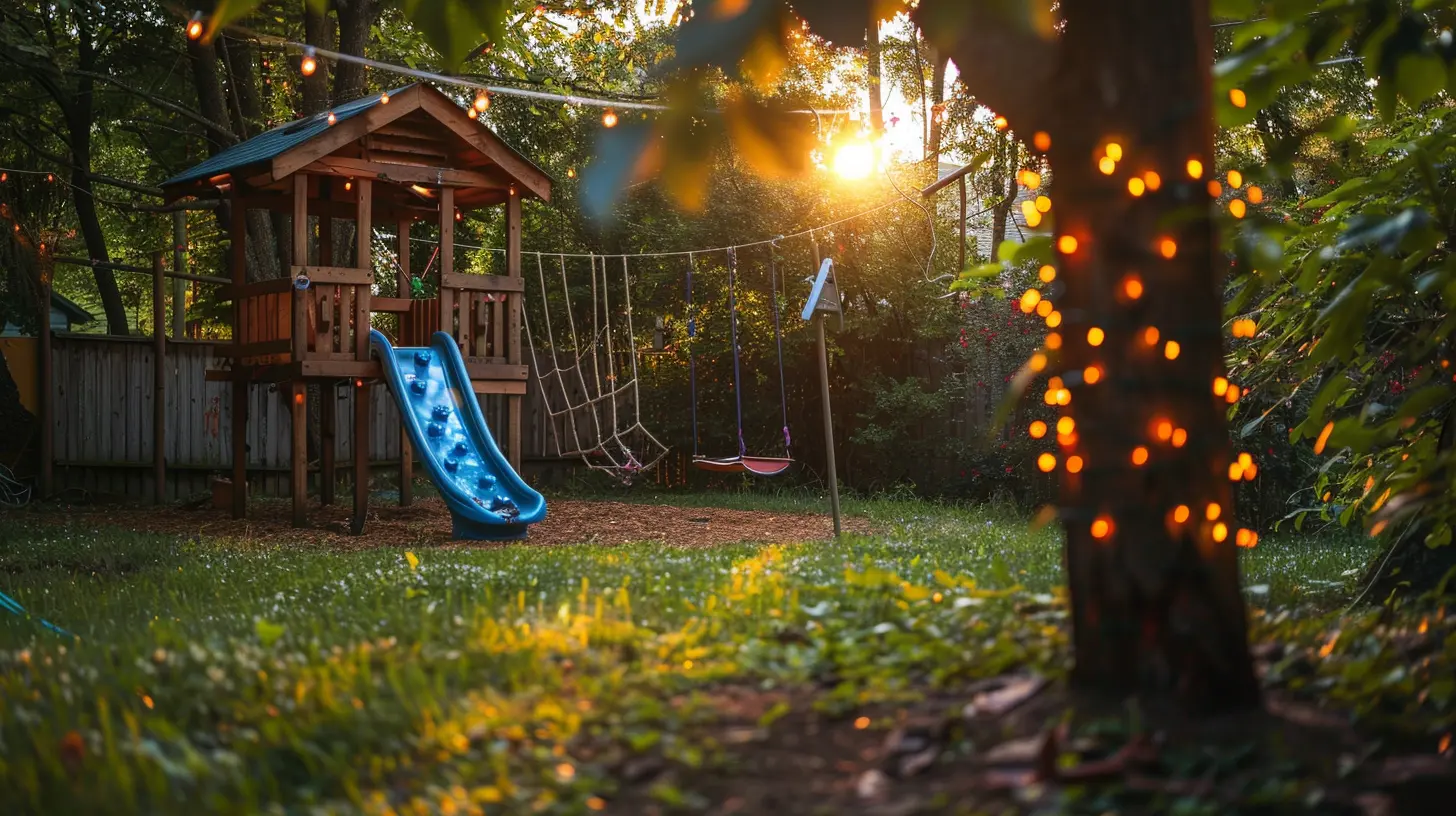
Fencing: Keeping the Fun In, and the Dangers Out
3. Secure the Perimeter
A fence isn’t just for privacy—it’s a key safety feature. Whether you have toddlers or teens, a well-maintained, secure fence can prevent children from wandering off and keep unwanted visitors (human or animal) out.Check for:
- Loose boards
- Exposed nails or screws
- Gaps at the bottom where kids or pets could crawl under
- Broken latches or locks on gates
If your backyard borders a busy street, this is non-negotiable. A tall, sturdy fence with a childproof lock on the gate is essential peace of mind.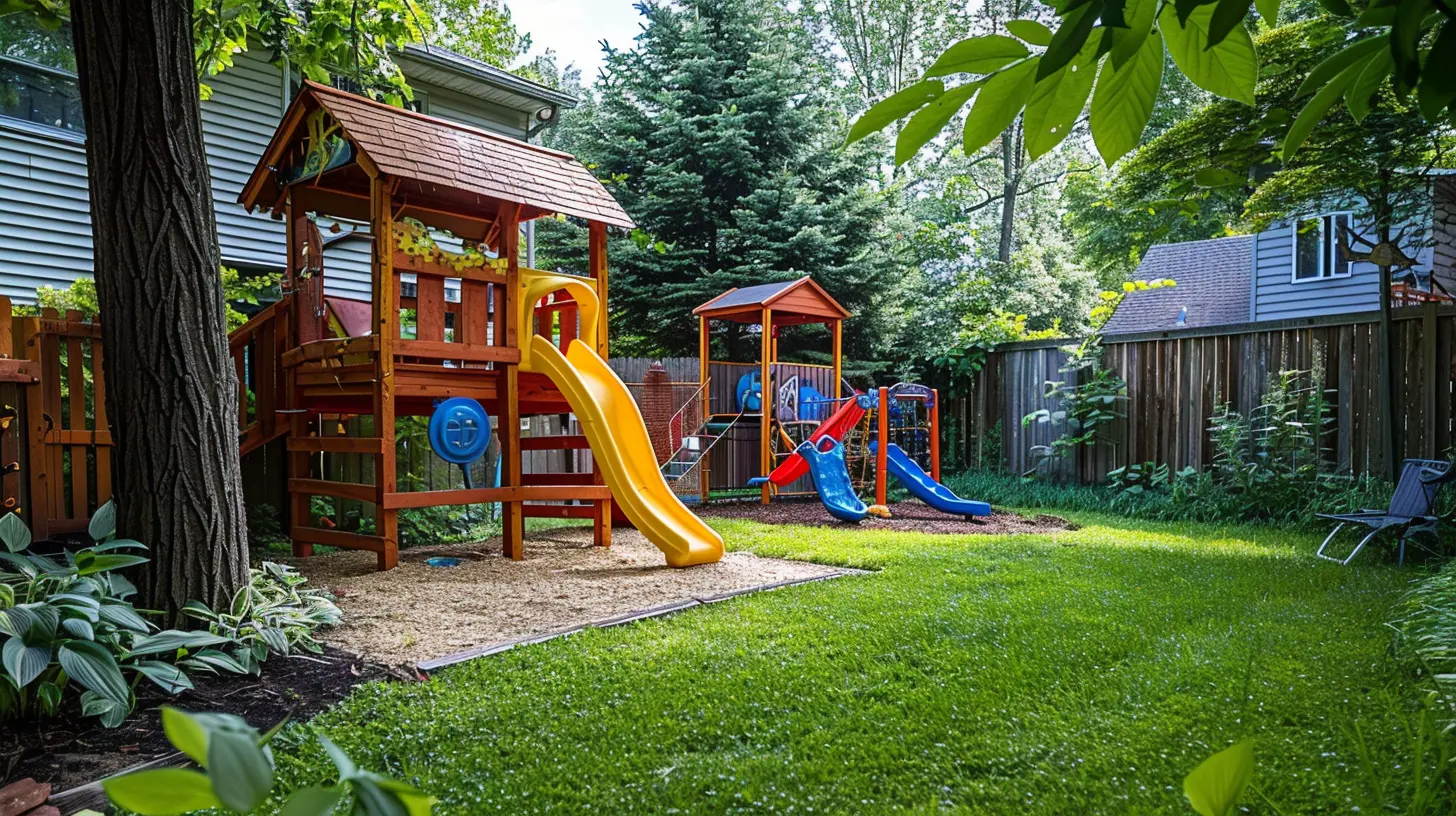
Water Features: Beautiful but Risky
4. Pool Safety First
Got a backyard pool? Great for summer. But pools are one of the biggest hazards. Drowning is silent and can happen in just seconds.Here’s what you need:
- A four-sided pool fence with a self-latching gate
- A pool cover that can support weight
- Alarms for gates and the water surface
- Clear rules: no running, no diving in shallow areas, and always adult supervision
Even kiddie pools or water tables should be emptied after use. It only takes a few inches of water for a serious accident.
Playground Equipment: Fun With a Side of Caution
5. Anchor It All Down
Whether it's a swing set, climber, trampoline, or slide, make sure everything is firmly anchored. Wobbly equipment is an accident waiting to happen.Look out for:
- Rusted bolts
- Cracked plastic
- Splintering wood
- Loose ropes or chains
Trampolines? They're fun, we get it. But go the extra mile: install safety nets, use pads around springs, and limit the number of jumpers to one at a time.
Bug Control Without the Toxic Stuff
6. Keep Pests at Bay Safely
Mosquitoes, ticks, and bees—oh my! While they’re a part of nature, some bugs carry real risks like Lyme disease or allergic reactions.Instead of blasting chemicals, try these parent-approved tricks:
- Plant insect-repelling herbs like citronella, basil, or mint
- Use kid-safe bug sprays (natural ones with lemon-eucalyptus work well)
- Eliminate standing water where mosquitoes like to breed
- Keep grass trimmed and leaves raked to discourage ticks and ants
Shade, Hydration, and Weather-Proofing
7. Protect Against the Elements
Sunburns and heat exhaustion are no joke. If your backyard is a giant sunspot, add some shady retreats where kids can cool down.Options include:
- Pop-up canopies
- Tree shade
- Patio umbrellas
- Kid-sized tents
Always keep a water jug or dispenser nearby. Add some reusable cups with their names on them—hydration can be fun!
And during colder seasons, be mindful of slippery ice or wet play surfaces. Even in fall, damp leaves can turn a play zone into a skating rink.
Toy & Tool Safety
8. Store It Right
Toys left scattered around can quickly turn into tripping hazards. Garden tools left nearby? Even worse.Use a designated toy chest or outdoor storage bin. Make sure it’s waterproof and has a child-safe lid. For tools and chemicals (like fertilizer or bug spray), keep them locked in a shed or garage, well out of reach.
> Rule of thumb: if it's sharp, heavy, or poisonous—it doesn’t belong in the play area.
Pets and Playtime
9. Know Your Pet’s Limits
If you’ve got a furry friend, make sure that they’re part of the playtime plan, not a wildcard. Some pets are gentle giants. Others get overwhelmed by the shrieks and chaos of active kids.Create a safe zone for your pets—somewhere they can chill when they need a break. And always teach your kids how to treat animals with respect and love (no tugging tails or riding the dog like a pony, please!).
Emergency-Ready Backyard
10. Always Be Prepared
Accidents happen, even in the safest spaces. Keep a first-aid kit nearby or in a place that’s easy and quick to grab. Stock it with the essentials:- Band-Aids
- Antiseptic wipes
- Tweezers (great for splinters)
- Sunscreen
- Insect bite cream
Also, make sure you have a fully charged phone nearby when the kids are outside. An emergency plan is only helpful if you can act on it fast.
Make Safety A Family Thing
Kids actually love being given responsibility—so let them be part of the safety process! Teach them how to scan for hazards, pick up toys, and make good choices outside. Maybe even host a “Backyard Safety Day” where they help put up signs, decorate storage bins, or test out helmets.Making safety a group effort gives kids a sense of ownership and awareness. Plus, it’s another chance to bond.
Peace of Mind for Priceless Play
At the end of the day, we all want our kids to feel free to run, climb, imagine, and grow in a space that feels totally theirs. With a bit of planning and a sprinkle of common sense, your backyard can be that magical haven—where scraped knees are rare, laughter is loud, and you can kick back with a lemonade knowing you’ve covered all the bases.So go out there, take a fresh look around, and turn that patch of grass into a backyard wonderland of safe, unforgettable memories.
all images in this post were generated using AI tools
Category:
ChildproofingAuthor:

Max Shaffer
Discussion
rate this article
2 comments
Zeal McKellar
This article offers great tips for ensuring a safe play environment in the backyard. I especially appreciate the focus on securing fences and removing hazards. It's so important for our children's safety and peace of mind. Thank you!
June 29, 2026 at 3:16 AM
Max Shaffer
Thank you for your feedback! I'm glad you found the tips helpful for keeping kids safe. Their safety is our priority.
Lexi Jacobs
Keeping the backyard safe is key for fun adventures. Just add some kid-proofing and let the laughter begin!
June 3, 2026 at 2:45 PM
Max Shaffer
Absolutely! A safe backyard lets imagination run wild. Happy playing!