Let’s Talk About ‘Thank You’: The Power of Expressing Gratitude Early
8 June 2026
Do you ever stop and think about the beauty of the words “thank you”? It’s such a simple phrase—just two little words—but it has the power to light up someone’s day, build strong relationships, and even shift our perspective on life. Now, imagine if we could pass that magic on to our kids early in life. Teaching gratitude isn’t just about good manners (although those are kind of important too); it’s about helping them develop a mindset that could truly shape their future.
So let’s dive into this. How can we, as parents, instill the habit of saying “thank you” early on, and why does it even matter? Stick with me, and let’s talk about the power of expressing gratitude early.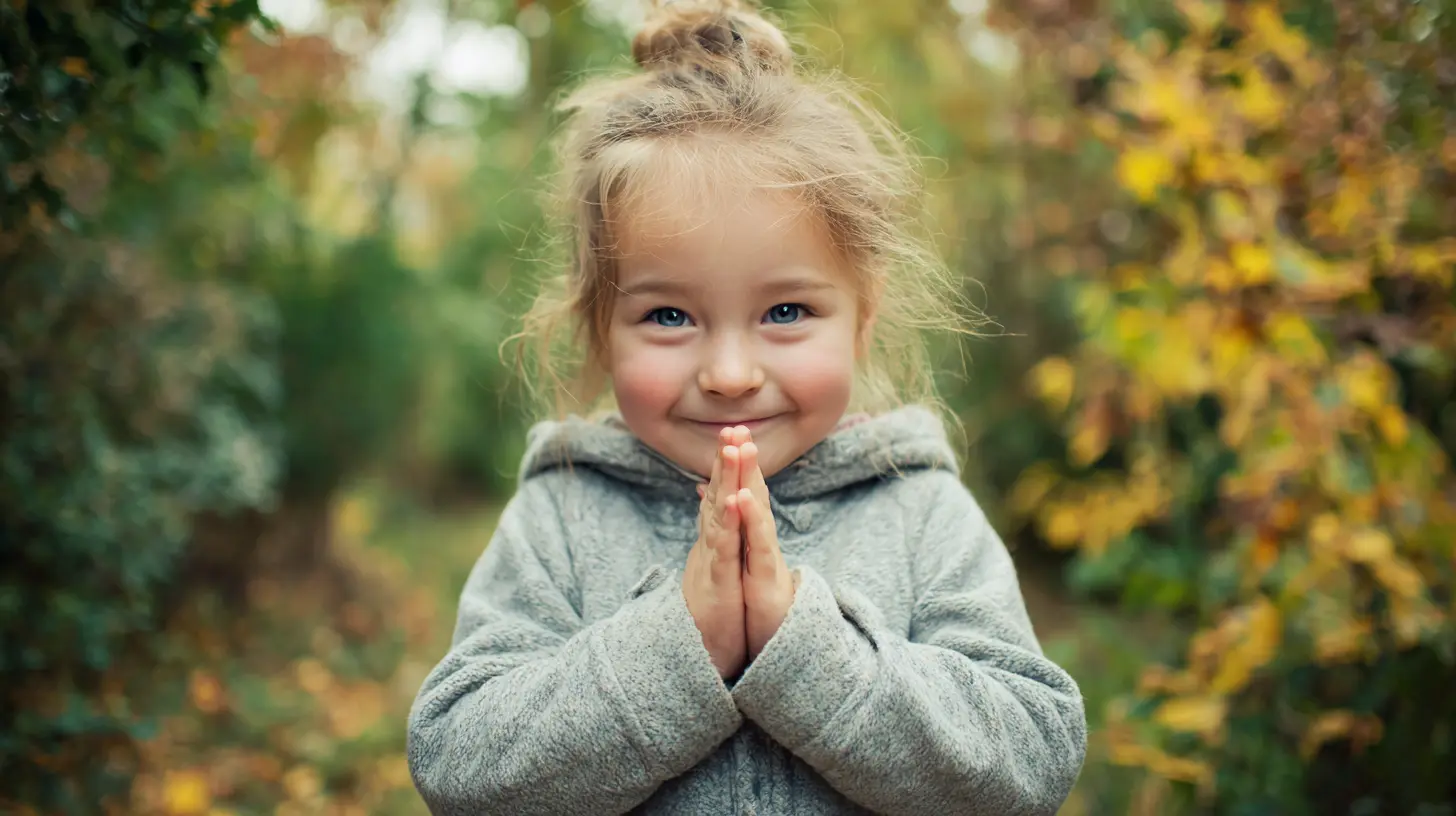
Why Start Gratitude Young?
Let’s be real: kids aren’t born with a built-in gratitude chip. Babies don’t pop out of the womb saying, “Thanks for feeding me, Mom!” In fact, small children are naturally all about them. But that’s okay—it’s part of their developmental process. Our role as parents is to guide them from that “me-centered” world to a more “we-centered” existence.Here’s the thing: gratitude isn’t just polite. It’s scientifically proven to make people happier. Research says that people who practice gratitude regularly tend to have better relationships, healthier bodies, and a more positive outlook on life. And you know what’s great? If we teach our kids this skill early, it can become second nature—like riding a bike but without the scraped knees.
The Benefits of Cultivating Gratitude in Kids
Gratitude isn’t just a warm-and-fuzzy concept—it’s backed by science. Let’s break down some of the benefits your kids (and your family as a whole) can enjoy by adding more “thank yous” to their vocabulary:1. Happier, More Resilient Kids
When children learn to focus on what they have rather than what they lack, it helps them develop a more positive mindset. Gratitude can act like a buffer when life throws curveballs their way. Kids with a grateful attitude might still get knocked down—but they’re more likely to get back up.2. Better Relationships
Kids who express gratitude are more likely to connect with others. Saying “thank you” strengthens bonds, whether it’s with their teacher, their friends, or even their siblings (yes, siblings). It fosters respect and kindness, which are the building blocks of any great relationship.3. Improved Mental and Emotional Health
Gratitude practices have been shown to lower stress and anxiety levels. Think of gratitude as a mental reset button—a way to keep life’s little annoyances from piling up. When kids learn to appreciate the good, they’re better equipped to handle the tough stuff.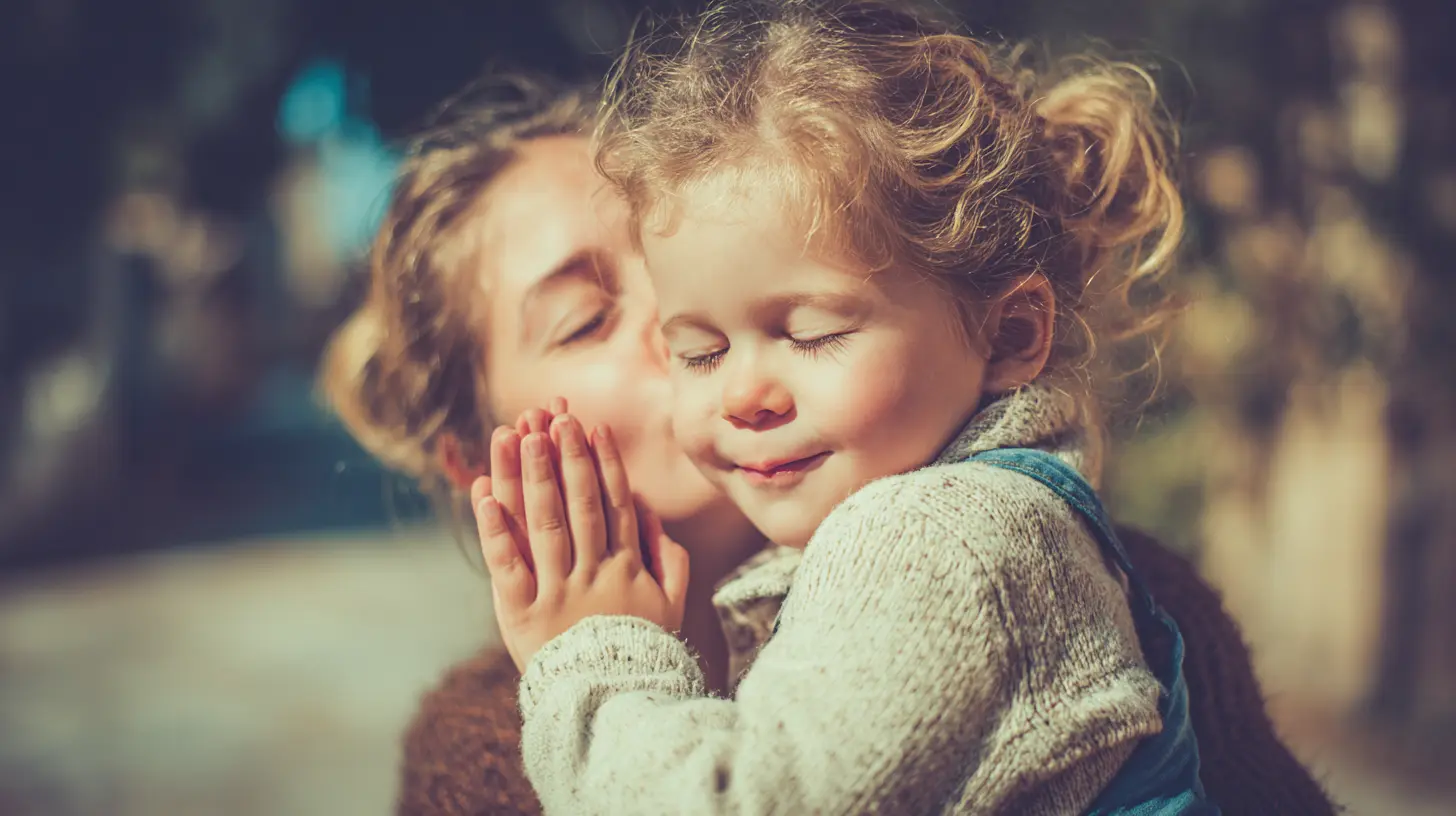
How to Teach Gratitude (Without Sounding Like a Broken Record)
Teaching kids gratitude doesn’t have to feel like lecturing them about eating their veggies. It’s not about forcing a “thank you” out of them every five minutes; it’s about planting little seeds that will grow over time. Here are a few ideas to get you started:1. Model the Behavior
This one’s big. Kids are like little sponges—they soak up everything we do (even the stuff we wish they wouldn’t). If you want your kids to say “thank you,” start with yourself. Say it often and mean it. Thank your partner for doing the dishes, thank the cashier at the grocery store, or even thank your kids when they clean up their toys. They’ll catch on.2. Make It Part of Your Day
Why not turn gratitude into a family ritual? Maybe it’s sharing one thing you’re thankful for at dinner or before bedtime. It doesn’t have to be a grand gesture—something as small as “I’m thankful for the sunshine today” works just fine. The key is consistency.3. Teach Them to Write Thank-You Notes
This might feel a little old-school in our digital age, but thank-you notes are a timeless way to express appreciation. Whether it’s for a birthday gift or just because, encouraging your child to put their gratitude into words helps them understand the importance of acknowledging others.4. Point Out Opportunities for Gratitude
Sometimes kids need a little help recognizing reasons to be thankful. Did they notice how their teacher stayed late after school to help them with a project? Or how Grandma always makes their favorite cookies? Gently point these things out to help them connect the dots.5. Lead Them Outside Themselves
Gratitude isn’t just about saying “thank you”—it’s about recognizing how interconnected we all are. You can encourage this by involving your kids in activities that help others, like donating toys they don’t use or volunteering at a local charity. These experiences teach them to appreciate what they have and the people who make their lives better.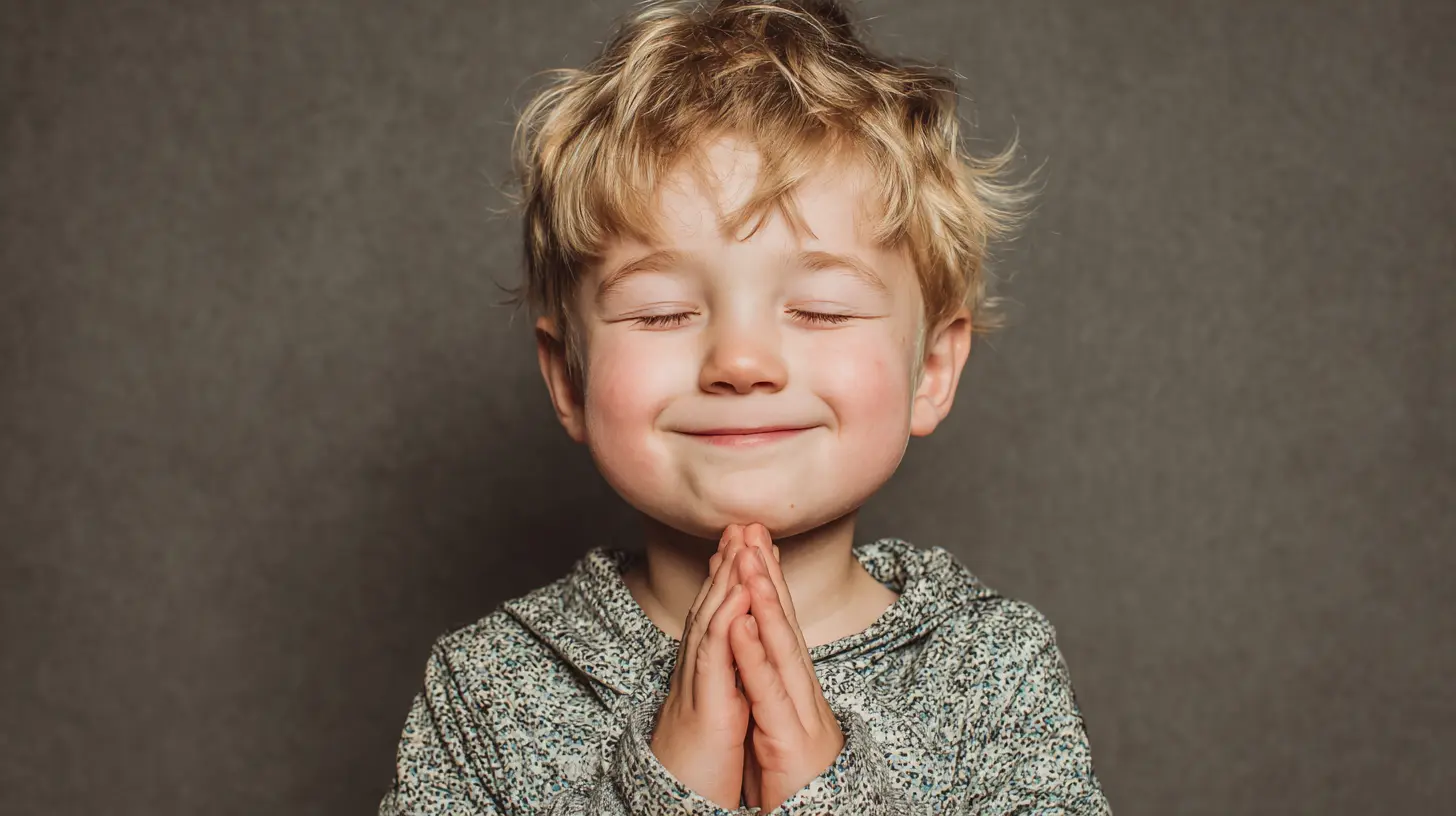
What if They Resist?
Let’s keep it real: not every kid is going to jump on the gratitude train right away. And that’s okay. Kids develop at their own pace, and forcing it can sometimes backfire. If your child rolls their eyes when you ask them to say “thank you,” don’t stress. Keep modeling the behavior, keep having those conversations, and trust that the seeds you’re planting will sprout in time.It’s also important to keep things age-appropriate. A toddler isn’t going to understand the same things a teenager will. For younger kids, keep it simple: “We say thank you when someone does something kind for us.” For older kids, you can dive a little deeper: “How do you think it makes someone feel when you say thank you?”
Gratitude Is a Two-Way Street
Here’s something we sometimes forget: gratitude isn’t just something we teach to our kids. It’s also something we can learn from them. Seriously, kids have this amazing ability to find joy in the simplest things—a butterfly, a puddle, or the way their grilled cheese melts just right. If we slow down and pay attention, we can rediscover those little sparks of gratitude in our own lives.And let’s be honest—parenting isn’t always easy. There are days when it feels like all we do is give, give, give. But taking a moment to notice the tiny ways our kids show gratitude (even if it’s unspoken) can be a reminder of why we do what we do.
Wrapping It Up: A Small Gesture, A Big Impact
At the end of the day, teaching kids to say “thank you” isn’t just about manners. It’s about helping them grow into kind, empathetic, and resilient humans who see the good in the world and share it with others. Sure, it might take time and patience, but the payoff is worth it. Because let’s face it—our kids are going to outgrow a lot of things. But gratitude? That’s a lesson that stays with them for life.So, the next time you hear your child say “thank you,” take a moment to let it sink in. You’re not just raising a polite kid; you’re raising someone who understands the value of connection, kindness, and appreciation. And that, my friend, is something to be grateful for.
all images in this post were generated using AI tools
Category:
Teaching GratitudeAuthor:

Max Shaffer
Discussion
rate this article
2 comments
Raleigh McKinnon
Teaching gratitude early shapes a child's future.
July 5, 2026 at 4:52 PM
Max Shaffer
Absolutely, instilling gratitude in children sets a positive foundation for their relationships and well-being later in life.
Tracie Black
Gratitude's seeds bloom in young hearts' soil.
June 22, 2026 at 3:56 AM
Max Shaffer
Absolutely! When we nurture gratitude early on, it truly takes root and flourishes in young hearts. Thank you for sharing this beautiful thought!