Instilling Gratitude Through Acts of Kindness and Giving
3 July 2026
Gratitude is more than saying "thank you." It’s a mindset, a way of seeing the world through a positive lens. When kids develop gratitude, they learn to appreciate what they have and recognize the kindness of others. But how do we instill this vital trait in our children?
A great way is through acts of kindness and giving. When kids actively participate in giving, they experience firsthand the joy of making someone else's day a little brighter. This fosters a sense of gratitude naturally, without it feeling forced.
In this guide, we’ll break down practical ways to cultivate gratitude in children through simple, everyday actions. Whether you’re a parent, guardian, or educator, these ideas will help lay the foundation for a thankful and compassionate child.
Why Gratitude Matters
Before diving into strategies, let’s talk about why gratitude is important.- It boosts happiness. Studies show that grateful people tend to be happier and more content with life.
- It strengthens relationships. When kids express gratitude, they build stronger social connections.
- It reduces entitlement. Gratitude teaches kids to focus on what they have rather than what they lack.
- It fosters resilience. Grateful children are better equipped to cope with challenges.
With all these benefits, it’s clear that gratitude is a powerful trait worth nurturing.
Teaching Gratitude Through Acts of Kindness
Acts of kindness are a tangible way for children to practice gratitude. When they help others, they begin to understand the value of compassion and generosity. Here are some simple ways to incorporate kindness into daily life:1. Encourage Random Acts of Kindness
Teach your child that kindness doesn’t have to be grand—it can be as simple as holding the door for someone or complimenting a friend. Here are a few ideas:- Leave a kind note in a sibling’s lunchbox.
- Help an elderly neighbor carry groceries.
- Let a sibling pick the TV show for the night.
- Smile and say thank you to service workers.
By making kindness a habit, children will naturally become more appreciative of kindness shown to them.
2. Start a Gratitude Journal
A gratitude journal helps kids reflect on positive moments and appreciate the little things. Each night, have them write (or draw) three things they are grateful for. Over time, this practice trains their brains to focus on the good rather than the negative.3. Volunteer Together
Volunteering is one of the best ways to instill both kindness and gratitude. Find local opportunities where you and your child can give back, such as:- Serving meals at a shelter.
- Cleaning up a local park.
- Donating old toys and clothes to charity.
When children see how their actions impact others, they develop a deeper appreciation for what they have.
4. Lead by Example
Kids learn by watching. If they see you expressing gratitude and practicing kindness, they’re more likely to do the same. Say thank you often, acknowledge acts of kindness, and be generous with compliments.For example:
- Say "Thank you for helping me with the dishes!" to your child.
- Write a handwritten note to a friend or coworker.
- Make it a habit to express gratitude at the dinner table.
Actions speak louder than words—your children will mirror what they see.
5. Create a “Kindness Jar”
A fun and interactive way to promote kindness is with a “Kindness Jar.” Fill it with small tasks written on slips of paper, like:- Give someone a genuine compliment.
- Call a family member just to say hi.
- Share a snack with a friend.
Each day, have your child pick one and complete it. This keeps kindness top of mind and makes it an exciting challenge.
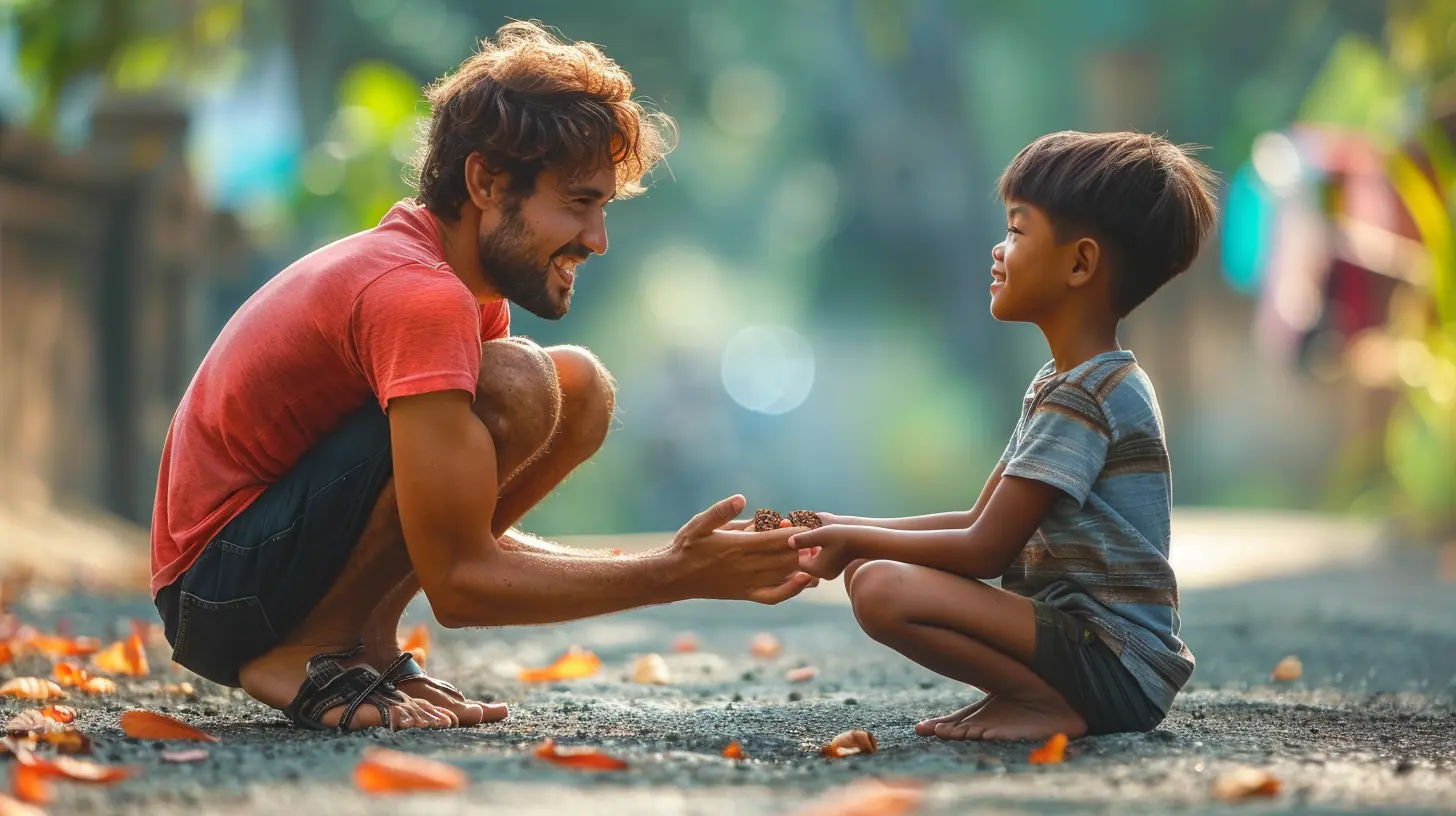
Teaching Gratitude Through Giving
Giving helps children understand the joy of generosity. When kids experience the impact of giving firsthand, they develop a natural sense of gratitude. Here’s how to make it a regular part of their lives:1. Make Giving Personal
Instead of simply donating money, allow your child to be involved in the giving process. Let them choose a cause they care about and take an active role. For example:- If they love animals, they can donate pet supplies to a local shelter.
- If they enjoy reading, they can organize a book drive for kids in need.
When giving feels personal, kids appreciate its impact more deeply.
2. Practice “One In, One Out”
A simple way to teach gratitude and generosity is the “One In, One Out” rule. When your child receives a new toy or clothing item, encourage them to donate an old one they no longer use. This helps them understand that not everyone has endless resources while also preventing clutter.3. Encourage Handmade Gifts
Not all giving has to involve money! Teach your child that thoughtful, handmade gifts can be just as meaningful. They can:- Draw pictures or make crafts for loved ones.
- Bake cookies and deliver them to neighbors.
- Write heartfelt letters to friends or teachers.
This teaches them that giving isn’t about the cost—it’s about the thought behind the gesture.
4. Celebrate Giving Holidays
Holidays are a great time to reinforce the importance of giving. Participate in activities like:- Adopting a family for Christmas and buying them gifts.
- Writing thank-you cards for teachers on Thanksgiving.
- Creating care packages for those in need.
By making generosity a holiday tradition, kids will associate celebrations with gratitude rather than just receiving gifts.

Overcoming Challenges in Teaching Gratitude
Let’s be honest—teaching gratitude isn’t always easy. Kids are naturally wired to focus on their own needs, and entitlement can sometimes creep in. Here’s how to tackle common roadblocks:1. Be Patient
Gratitude takes time to develop. If your child struggles to express appreciation, don’t force it. Keep modeling the behavior, and it will eventually become second nature.2. Avoid Overindulgence
When kids have too much, they may struggle to appreciate what they have. Limiting excessive gifts and encouraging experiences over material things can reduce entitlement.3. Encourage Perspective
If your child complains about what they don’t have, gently shift their perspective. Instead of saying, "Some kids have less than you," try:- "Imagine how happy someone else would be to have this."
- "How would you feel if your best friend gave you their favorite toy?"
Helping them see things from another point of view fosters empathy and appreciation.
Conclusion
Gratitude is a skill that takes time, practice, and reinforcement. The best way to nurture it in children is through action—kindness, giving, and setting a strong example. By weaving generosity into daily life, kids will naturally develop a grateful mindset.So, start today! Encourage small acts of kindness, give with open hearts, and celebrate gratitude in all its forms. Over time, your child will grow into a kinder, more appreciative individual who spreads positivity wherever they go.
all images in this post were generated using AI tools
Category:
Teaching GratitudeAuthor:

Max Shaffer
Discussion
rate this article
1 comments
Arlo McFee
This article offers wonderful insights on encouraging gratitude in children. Simple acts of kindness can make a lasting impact, fostering empathy and awareness. It's inspiring to see how we can shape our kids' perspectives through meaningful experiences. Thank you for sharing!
July 28, 2026 at 3:10 PM
Max Shaffer
Thank you for your thoughtful comment! I'm glad you found the article inspiring and that it resonates with the importance of kindness in shaping kids' perspectives.