How to Use Role-Playing Games to Strengthen Sibling Ties
4 June 2026
Sibling relationships can be tricky. One minute they're best friends, the next, they're fighting over who gets the last cookie. But what if there was a fun and engaging way to bring them closer together? Enter role-playing games (RPGs)—an incredible tool to not only enhance their imagination but also foster teamwork, empathy, and communication.
If you've never considered RPGs as a bonding activity, you're in for a treat. In this guide, we'll explore how role-playing games can strengthen sibling bonds and how you can get started today. 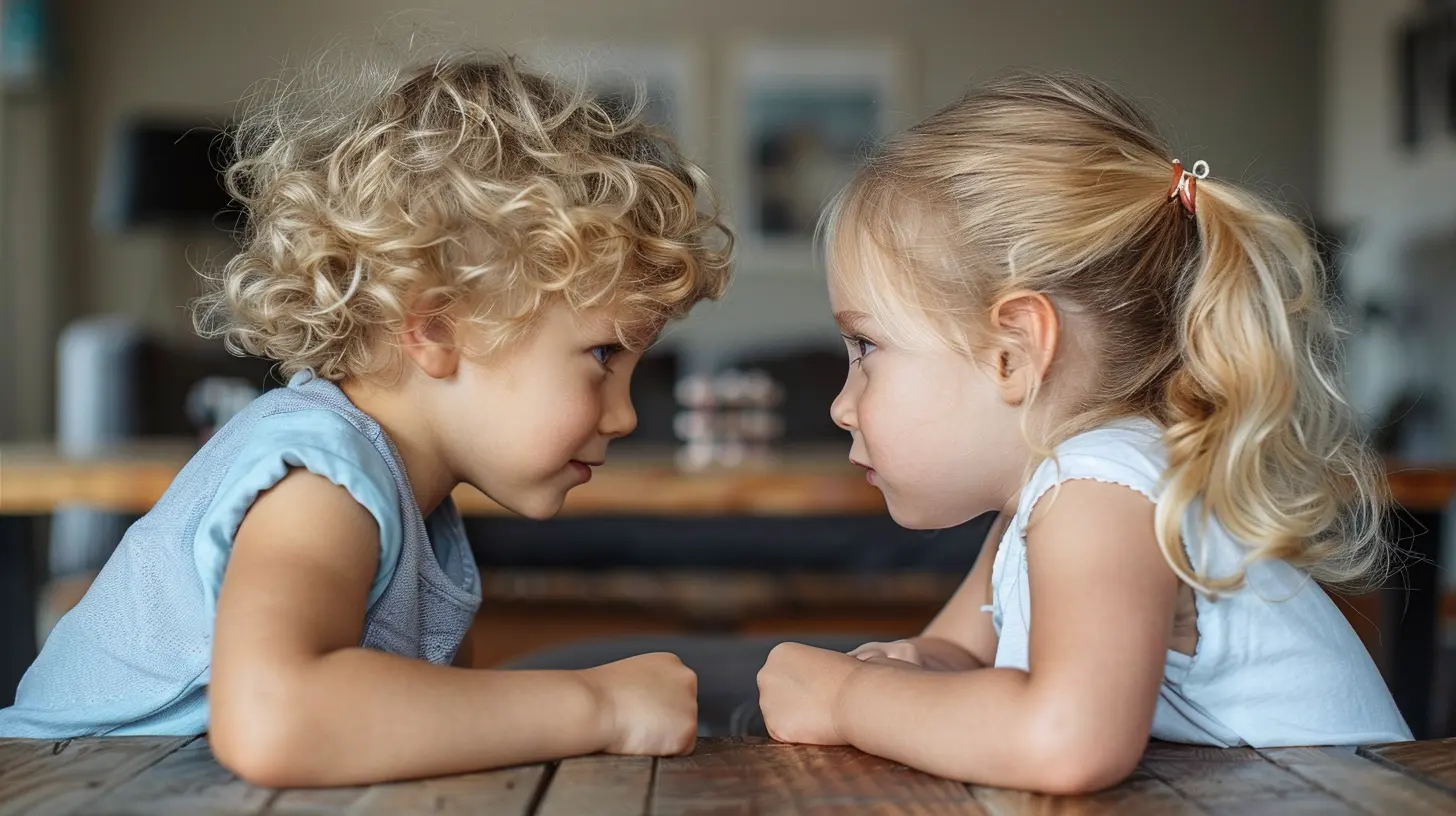
Why Role-Playing Games Work for Sibling Bonding
Role-playing games are more than just entertainment; they create unique opportunities for siblings to work together, solve problems, and understand each other better. Here’s why RPGs are a game-changer for sibling relationships:1. Encourages Teamwork
Most RPGs require collaboration to progress in the story. Whether they’re slaying a dragon, solving a mystery, or escaping a haunted house, siblings must work together to achieve a common goal. This fosters a sense of partnership rather than competition.2. Boosts Communication Skills
To win in an RPG, players need to discuss strategies, negotiate roles, and listen to each other’s ideas. This back-and-forth exchange helps siblings develop active listening skills and patience, which are essential for strong relationships.3. Fosters Empathy and Understanding
When kids take on different characters, they step into someone else’s shoes. This helps them see things from another perspective and understand emotions better, making them more empathetic towards their siblings in real life.4. Reduces Sibling Rivalry
Since RPGs focus on teamwork rather than competition, siblings learn to support each other instead of competing for attention or dominance. This dynamic reduces arguments and builds a foundation of cooperation.5. Creates Lasting Memories
When kids embark on epic adventures together, they create unforgettable moments. These shared experiences become cherished memories that strengthen their bond over time.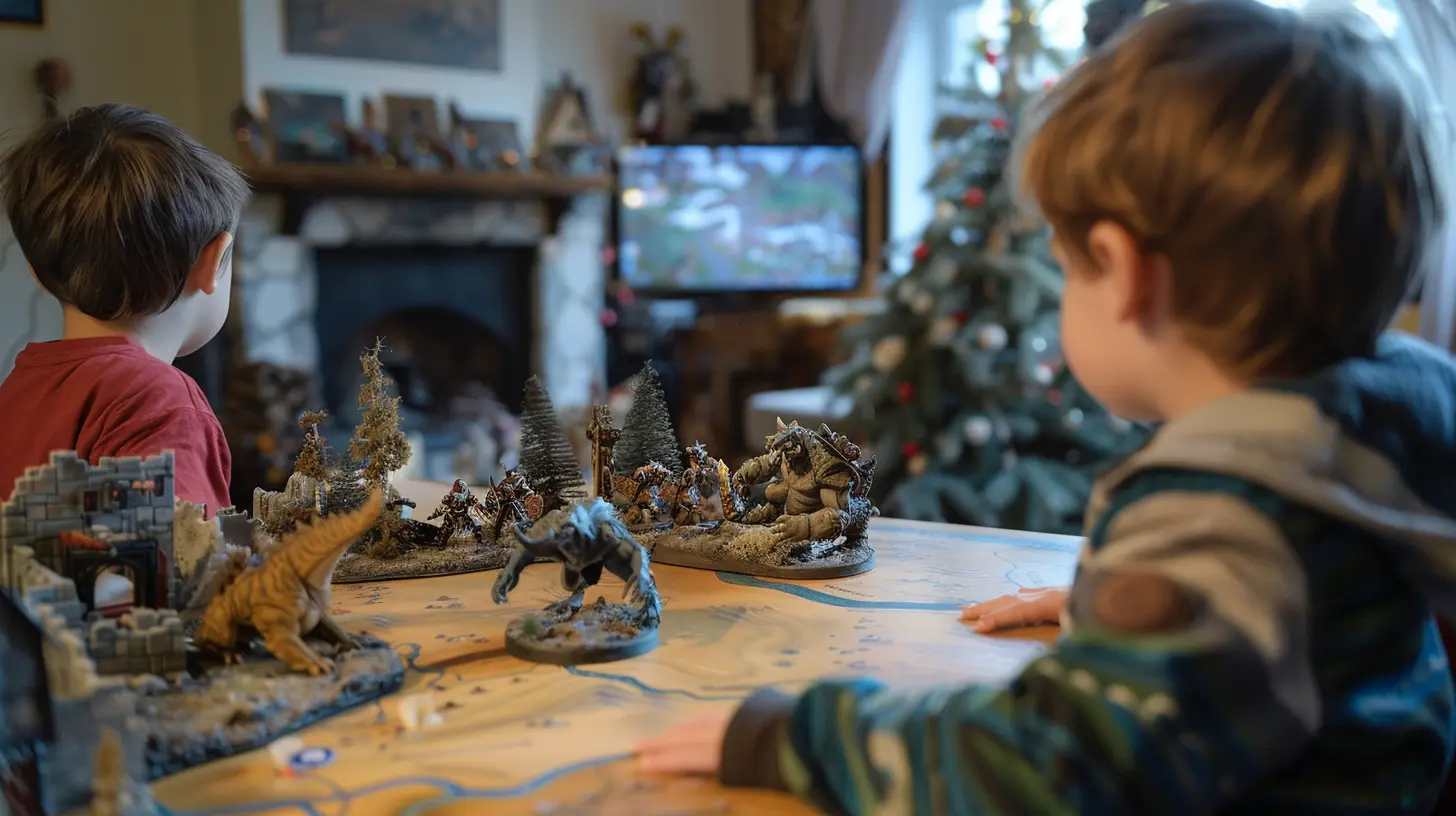
How to Get Started with Role-Playing Games
Now that you understand the benefits, let’s dive into how you can introduce RPGs into your home. Whether you’re a beginner or familiar with gaming, the key is to keep it simple and fun.1. Choose the Right RPG for Their Age
Not all RPGs are suitable for young kids. Choose one that matches their age and interests.- For young kids (4-7 years old): Try simple storytelling games like "No Thank You, Evil!"
- For older kids (8+ years old): Games like "Dungeons & Dragons" (simpler versions) or "Kids on Bikes" work well.
- For teens: More complex games like "Dungeons & Dragons 5e" or "Call of Cthulhu" can be exciting.
2. Keep It Light and Fun
This isn’t a school lesson! The goal is to have fun and bond, not to get bogged down by complicated rules. If the kids are struggling, adjust the rules or make up your own—creativity is part of the magic!3. Assign Roles Based on Their Strengths
One child might love problem-solving, while the other enjoys storytelling. Let them play to their strengths. If one is great at acting, they can be the Dungeon Master (the storyteller who guides the game). If another loves details, they can manage character sheets or items.4. Use Physical Props for Engagement
Adding props like dice, maps, and costumes makes the game feel more immersive. Even simple DIY items like cardboard swords or hand-drawn maps can make a huge difference.5. Set a Regular Game Night
Make RPGs a consistent family ritual. A weekly or bi-weekly game night gives siblings something to look forward to, reinforcing their connection over time.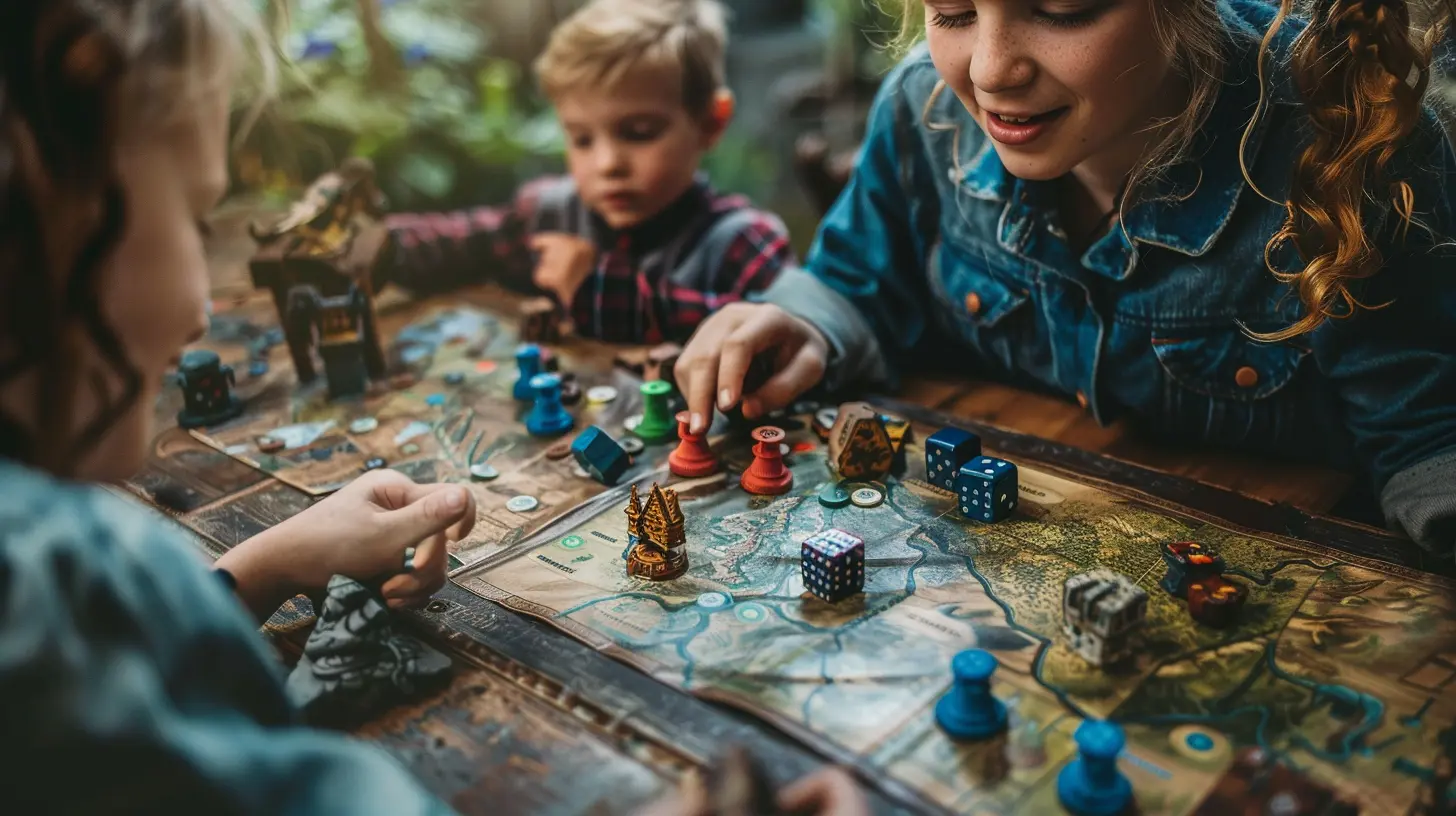
How Role-Playing Games Improve Social and Emotional Skills
Beyond strengthening sibling bonds, RPGs also enhance social and emotional skills that benefit kids in the long run.1. Problem-Solving Skills
RPGs often present complex situations where kids need to think outside the box. Whether it’s deciphering a riddle or planning a strategy, they develop critical thinking skills naturally.2. Improved Conflict Resolution
No RPG is without disagreements. However, because players must work together, siblings learn how to resolve conflicts constructively instead of simply arguing.3. Enhanced Creativity
Unlike video games, where everything is pre-scripted, RPGs rely on imagination and storytelling. This encourages creativity, a skill useful in school, work, and life.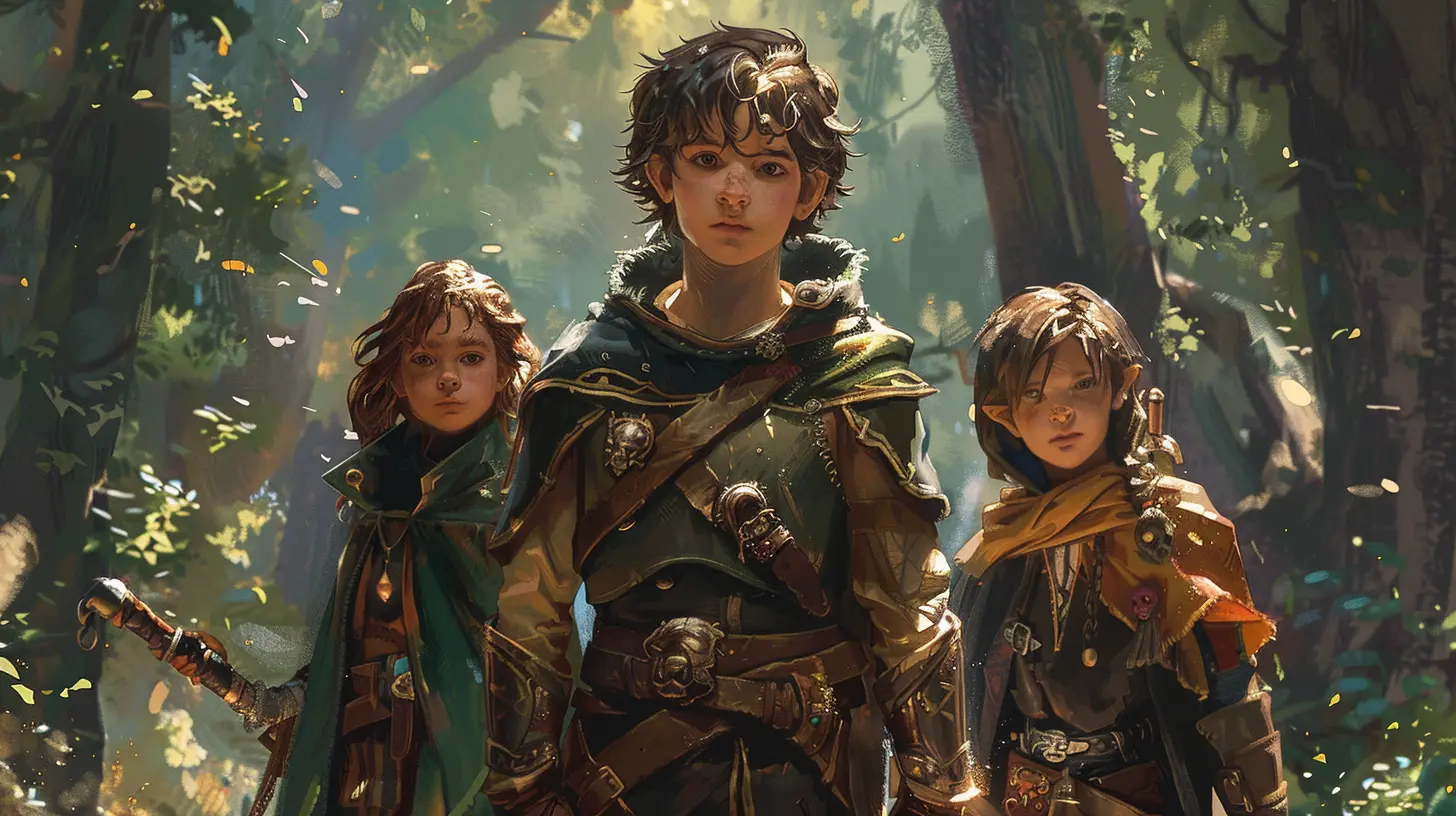
Tips for Making RPG Sessions Successful
If you want to get the most out of your sibling RPG sessions, here are some tips to ensure success:1. Keep Sessions Short for Younger Kids
Younger kids have shorter attention spans. Keep sessions around 30-45 minutes to avoid frustration.2. Encourage Role-Switching
One week, let one sibling be the leader; the next session, switch. This ensures everyone gets a chance to express themselves and try different perspectives.3. Reward Positive Behaviors
Celebrate great teamwork or creative problem-solving with small rewards—maybe a sticker, an extra turn, or even a special snack. Positive reinforcement keeps things fun and engaging.4. Be Flexible with Rules
Not every rule needs to be strictly followed—if bending the rules makes the game more fun for the kids, go for it! The objective is to bond, not stress over the technicalities.5. Make It Inclusive for the Whole Family
Parents can join in too! Watching and occasionally playing alongside them reinforces the lesson that teamwork and cooperation matter at all levels of family interactions.Final Thoughts
Sibling relationships are one of the longest-lasting relationships a person can have. While there will always be ups and downs, using role-playing games as a bonding tool can make all the difference. It allows siblings to work together, share experiences, and create lasting memories—all while having a blast!So why not start an epic sibling RPG adventure? Who knows, it might just be the beginning of a lifelong tradition filled with dragons, mysteries, and unbreakable sibling bonds!
all images in this post were generated using AI tools
Category:
Sibling BondingAuthor:

Max Shaffer
Discussion
rate this article
2 comments
Grace Jackson
So, you want your kids to bond over role-playing games? Just remember, "I'm the dragon!" may lead to a power struggle instead of teamwork. Grab a cape, a cardboard sword, and the best imaginary snacks. Who knew sibling harmony could come with a side of epic quests and snack breaks?
July 3, 2026 at 3:25 PM
Max Shaffer
Absolutely! Role-playing can spark creativity and fun. With the right approach, it can turn power struggles into epic adventures and strengthen those bonds. Plus, who doesn't love snacks during quest time?
Bryce Richardson
I love this idea! Role-playing games can create lasting memories and teach siblings valuable teamwork skills. It's a fun way to strengthen their bond while unleashing creativity together.
June 14, 2026 at 4:51 PM