How to Teach Kids the Value of Privacy in a Sharing Culture
25 November 2026
In an age where sharing personal details online has become almost second nature, teaching children the value of privacy can be a challenging yet essential task for parents. As adults, we often navigate a complex landscape of social media, constant connectivity, and the expectation to share experiences. This article will delve into why privacy matters, practical strategies for instilling its importance in children, and how to navigate the nuances of a sharing culture.
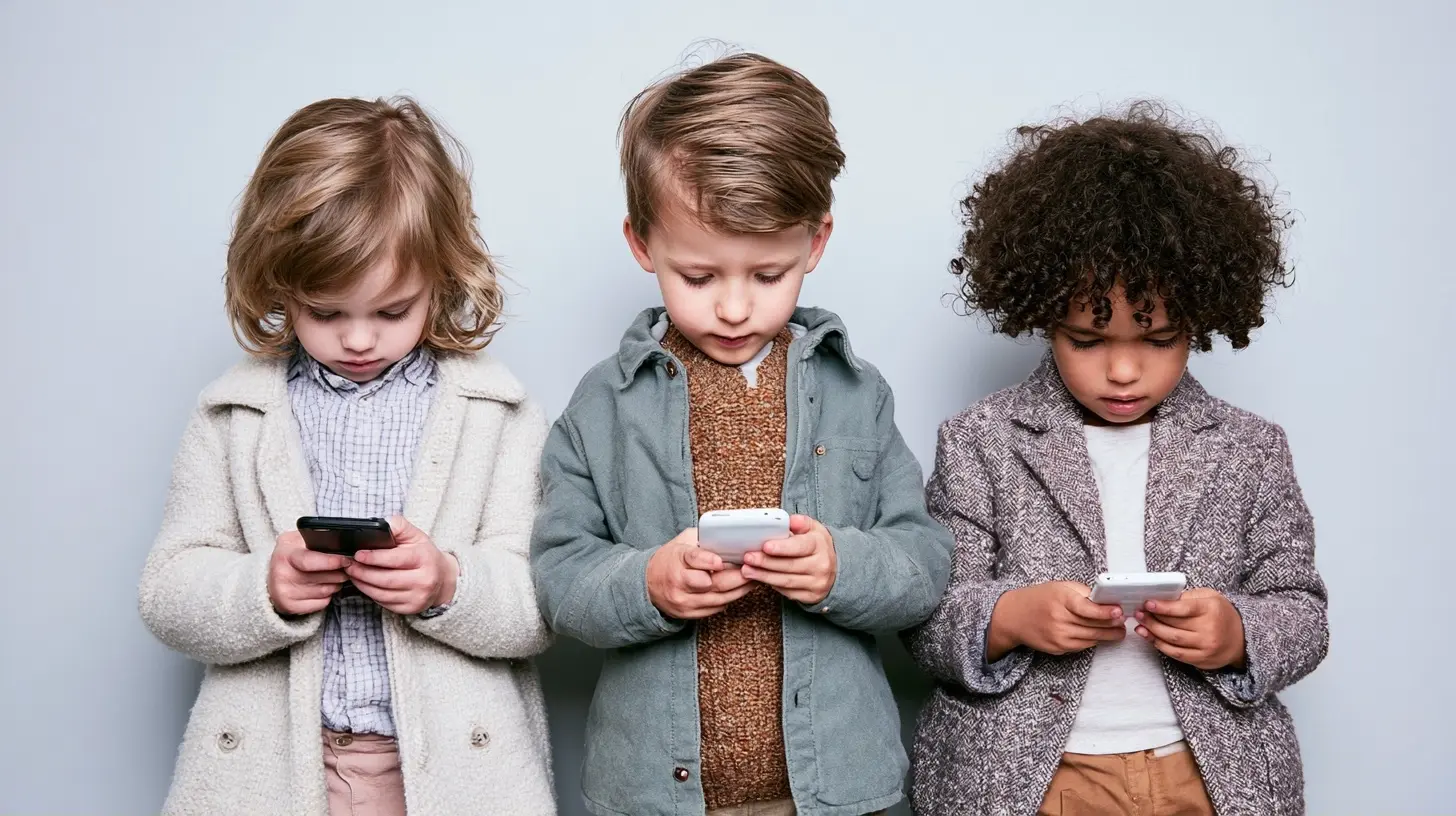
Understanding Privacy in Today's World
Defining Privacy
Privacy is more than just keeping secrets; it involves the right to control personal information and how it is shared. For children, this concept can be abstract. They may not fully grasp the implications of sharing personal details, especially in digital spaces where boundaries can blur.The Impact of a Sharing Culture
Today's society encourages sharing. From social media platforms to school projects, children are often rewarded for openness. While sharing can foster connections and communication, it also poses risks. Children can face issues such as cyberbullying, identity theft, or unwanted attention from strangers. Understanding this duality is the first step in teaching them to value privacy.
Why Teach Kids About Privacy?
Protecting Personal Information
Children must learn that not all information is meant to be shared. Teaching them to recognize sensitive information-such as their address, phone number, or personal thoughts-can protect them from potential dangers.Building Healthy Boundaries
Learning about privacy helps children establish personal boundaries. They should understand that it is acceptable to keep some aspects of their lives private and that they can choose what to share and with whom.Empowerment and Decision-Making
When children grasp the importance of privacy, they become empowered to make informed decisions about what they disclose. This empowerment can extend beyond personal information to other areas of their lives, fostering independence and self-awareness.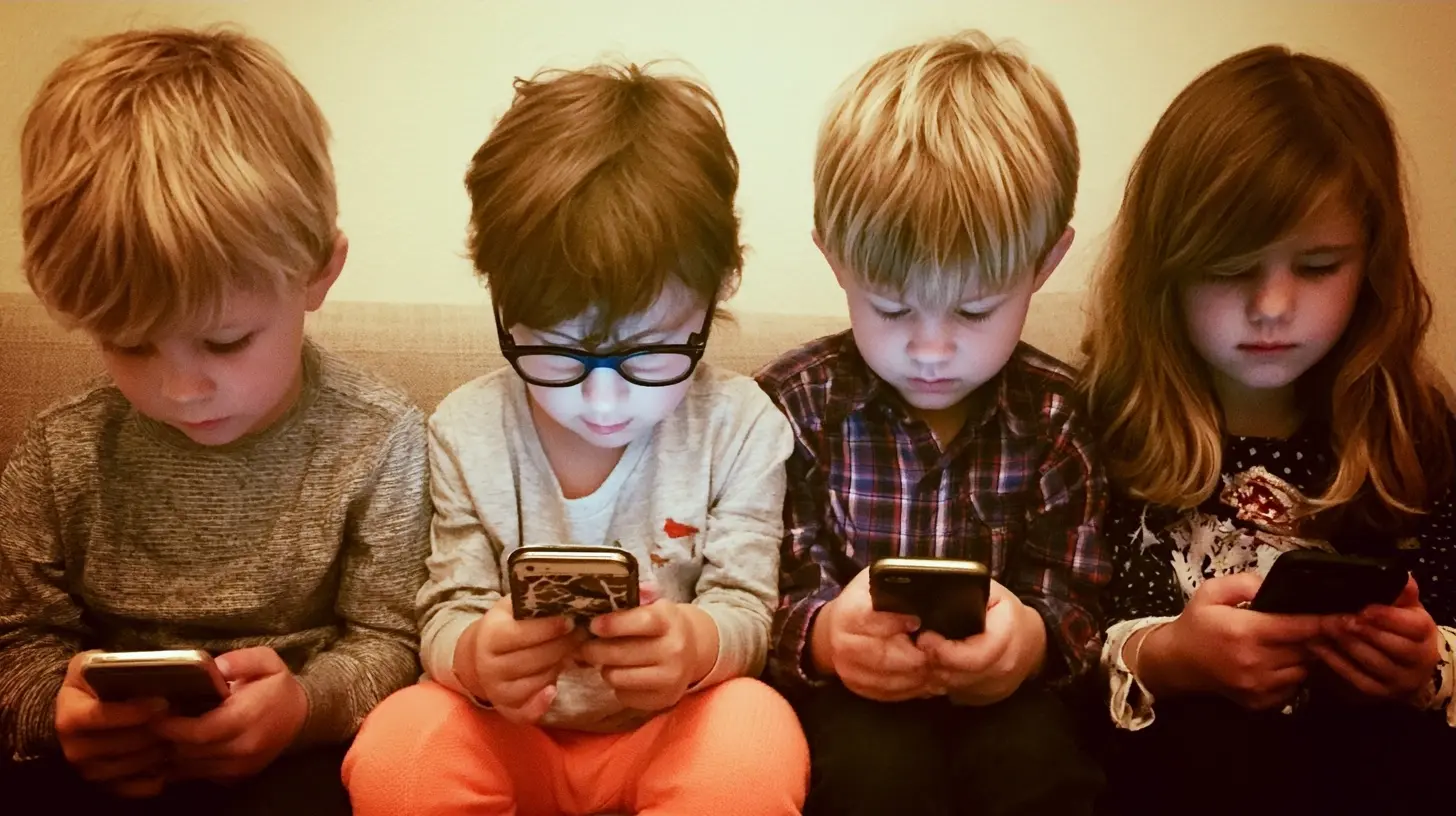
Strategies to Teach Privacy
Start Early with Open Conversations
Initiate discussions about privacy at a young age. Use everyday situations as teaching moments. For example, if you discuss a photo you took, ask your child if they believe it should be shared with relatives or posted online. This encourages them to think critically about sharing.Use Real-Life Examples
Utilize relatable scenarios to illustrate the importance of privacy. Discuss stories from the news where individuals faced consequences due to oversharing. Age-appropriate examples can resonate with children and make abstract concepts tangible.Role-Playing Scenarios
Engage your child in role-playing activities where they can practice responding to situations where their privacy might be at stake. For instance, simulate a conversation where a peer asks for personal information. Guide them on how to respond assertively while respecting their boundaries.Encourage Critical Thinking
Teach your children to ask questions about the information they share. They can use the "who, what, where, and why" framework. For instance, "Who will see this information? What could happen if I share it? Where will it be shared? Why do I feel comfortable sharing this?" This encourages them to think before they act.
Navigating Digital Privacy
Understanding Social Media
As children begin to use social media, it's crucial to discuss privacy settings. Show them how to adjust these settings to control who can see their posts. Discuss the permanence of online information and how even deleted content can be recovered.Emphasizing Online Reputation
Help children understand that their online presence contributes to their reputation. Discuss the potential long-term effects of sharing certain types of content, from college applications to future job prospects. Make it clear that what they post now can follow them later in life.Setting Family Guidelines
Establish family rules regarding technology use, including social media and online gaming. Creating a family media plan can help set boundaries on what is acceptable to share online, reinforcing the idea of privacy as a family value.Common Mistakes to Avoid
Overreacting to Mistakes
If a child overshares or makes a mistake online, it is essential to approach the situation calmly. Overreacting can lead to fear rather than understanding. Instead, use the mistake as an opportunity for discussion and education.Not Leading by Example
Children learn from the behavior of their parents. If you frequently share personal information online without considering privacy, your child may struggle to understand its importance. Model the behavior you wish to see by maintaining your own privacy.Assuming They Understand
Just because children are digital natives does not mean they understand privacy. Avoid the misconception that they instinctively know how to protect their information. Regular discussions and guidance are necessary to reinforce these concepts.
Best Practices for Teaching Privacy
Foster Open Communication
Encourage your child to talk about their online experiences. Make it a safe space to share their concerns or confusion about privacy issues. Regular check-ins can help you gauge their understanding and comfort level.Use Technology Together
Engage with your child on digital platforms they use. Show them how to navigate privacy settings and discuss the content they encounter. This not only builds your relationship but also allows for real-time teaching moments.Monitor Without Invasion
While it is important to keep an eye on your child's online activities, do so without invading their privacy. Use parental controls where necessary, but also allow for independence as they grow. Striking this balance can help them feel trusted while still being guided.The Role of Schools and Communities
Collaboration with Educators
Involve teachers and school staff in discussions about privacy education. Schools can play a significant role in teaching digital citizenship, focusing on both privacy and responsible sharing. Collaborating with educators can reinforce the lessons taught at home.Community Programs
Participate in community programs that focus on internet safety and privacy. Many organizations offer workshops or resources for parents and children to learn together about navigating the digital landscape.
Conclusion
Teaching kids the value of privacy in a sharing culture is not just about protecting them; it's about empowering them to make informed decisions. By fostering open communication, providing real-life examples, and modeling appropriate behavior, you can help your child navigate the complexities of privacy in today's interconnected world. instilling a strong sense of privacy will serve them well, both online and offline.
all images in this post were generated using AI tools
Category:
Parenting And TechnologyAuthor:

Max Shaffer