How to Manage Sibling Dynamics During the Teenage Years
5 November 2026
Navigating sibling dynamics during the teenage years can feel like walking a tightrope. Teenagers are in a phase of profound change, grappling with identity, independence, and peer relationships. This period can amplify sibling rivalries, lead to misunderstandings, or even create strong bonds. As a parent, your role in managing these dynamics is crucial.
Understanding the Teenage Mindset
The Search for Identity
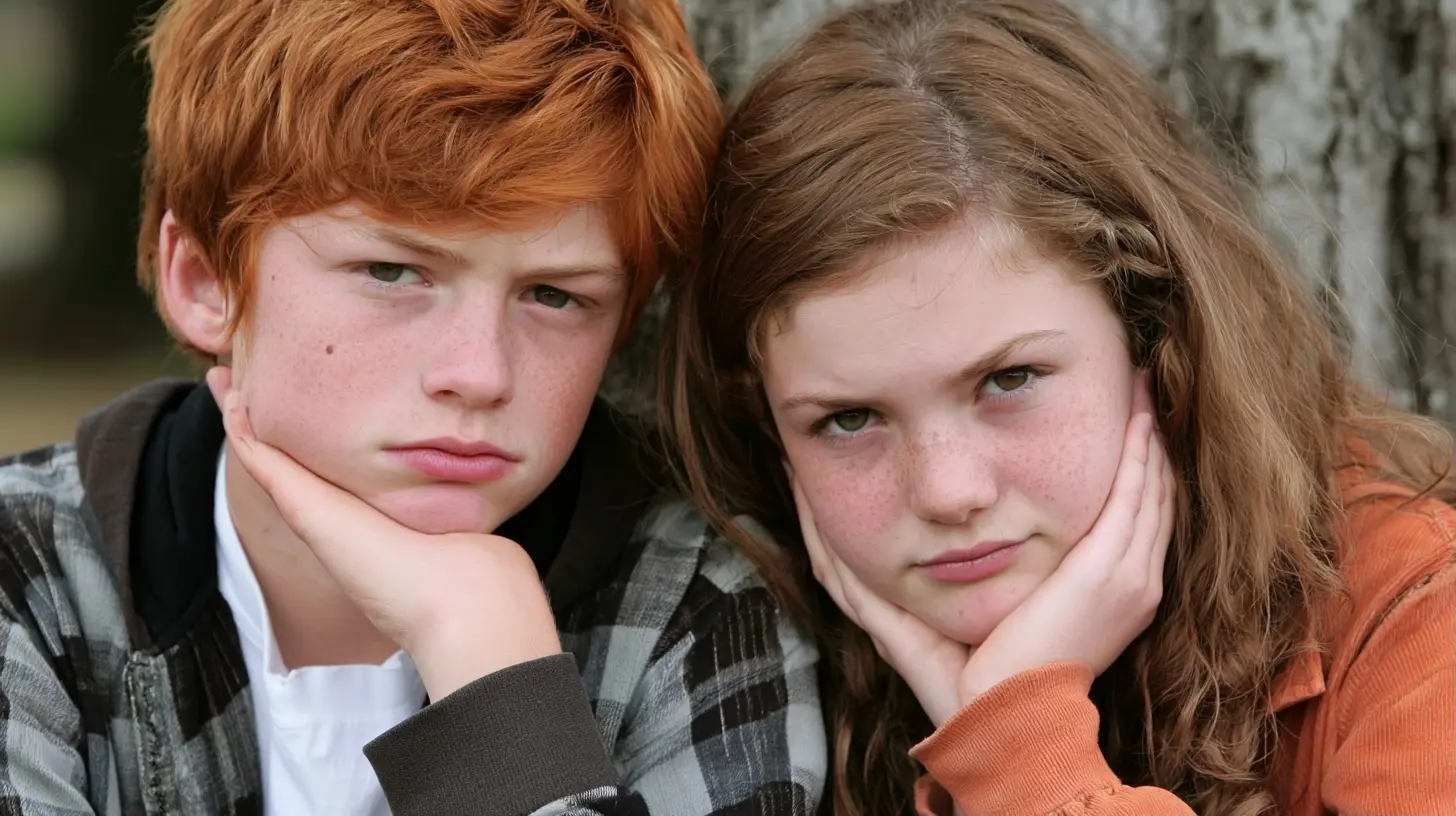
Teenagers are in a constant state of exploration, trying to figure out who they are. This search often brings about a desire to differentiate themselves from their siblings. While this is a natural part of development, it can lead to conflicts. A teenager may feel overshadowed by an older sibling's achievements or judged by a younger sibling's behavior.Peer Influence
During the teenage years, peers often take precedence over family relationships. This shift can create friction among siblings, as their social circles and interests may diverge. For instance, if one sibling is heavily involved in sports while the other prefers academics, their differing priorities can lead to misunderstandings.
Common Sibling Conflicts
Rivalry and Competition
Rivalry is one of the most common issues among siblings during the teenage years. This can manifest in various ways, from competition for parental attention to disagreements about shared spaces. It is essential to recognize that a certain level of competition can be healthy, pushing each sibling to achieve their best. However, when rivalry becomes toxic, it can lead to resentment.Communication Breakdowns
Miscommunication is another prevalent issue. Teenagers may not express their feelings clearly, leading to assumptions and misunderstandings. For example, if one sibling feels ignored when the other is out with friends, they might lash out instead of discussing their feelings.Different Interests and Lifestyles
As teenagers develop their interests, they may drift apart from their siblings. This can create tension, especially if one sibling feels left out. For instance, if one sibling is heavily invested in music while the other is focused on sports, they might find it challenging to relate to each other's passions.
Strategies for Managing Sibling Dynamics
Foster Open Communication
Encouraging open dialogue among siblings is paramount. Create an environment where they feel comfortable expressing their thoughts and feelings. Use family meetings as a platform for discussing issues, and encourage each sibling to voice their concerns without fear of judgment. This helps to prevent misunderstandings and promotes empathy.Practical Tip
Consider implementing a weekly family check-in. During this time, each family member can share their highs and lows of the week, thus fostering a culture of sharing and support.Emphasize Teamwork
Encouraging siblings to work together on projects or family activities can strengthen their bond. This team-building can occur in various forms, from cooking dinner together to collaborating on a school project. Engaging in shared tasks can help them appreciate each other's strengths and learn to rely on one another.Real-World Example
Organize a family game night where siblings must form teams and compete against each other. This friendly competition can promote teamwork and help them learn to celebrate each other's victories.Set Boundaries
While fostering sibling relationships is important, establishing clear boundaries is equally crucial. Each teenager should have their personal space and belongings respected. If one sibling frequently borrows the other's things without permission, it can lead to resentment. Clearly defining these boundaries can prevent conflicts.Encourage Individual Interests
Promote the idea that it is okay for siblings to have different interests. Encourage them to pursue their passions while also showing interest in one another's activities. This helps each sibling feel validated in their choices and reduces the pressure to compete.Trade-Off Consideration
While encouraging individuality, be cautious not to create a situation where siblings feel isolated. Balance is key. For example, if one sibling is passionate about theater and the other about sports, support both by attending games and performances.Mediate Conflicts
As a parent, you might find yourself in the role of mediator. When conflicts arise, it is essential to remain neutral and facilitate a resolution rather than taking sides. Encourage each sibling to articulate their perspective and guide them toward a compromise.Common Mistake
Avoid jumping in with solutions too quickly. Allowing siblings to work through their issues encourages problem-solving skills. If they can resolve minor conflicts themselves, they will be better equipped to handle future disagreements.
Navigating Specific Scenarios
When One Sibling Is Struggling
If one sibling is facing challenges, such as academic difficulties or mental health issues, it can affect the entire family dynamic. The other siblings might feel neglected or resentful of the extra attention given to the struggling sibling.Best Practices
1. Balance Attention: Make a conscious effort to spend quality time with each sibling individually. This ensures that no one feels overlooked.2. Involve Them: Encourage siblings to support each other. For instance, if one sibling is struggling academically, the other can offer to help with homework. This fosters empathy and strengthens their relationship.
Handling Major Life Changes
Major life changes, like moving to a new city or a divorce, can exacerbate sibling tensions. The stress of change can lead to conflicts as teenagers seek to cope in their own ways.Nuanced Explanation
Recognize that each sibling may react differently to change. Some may withdraw, while others might lash out. Acknowledge these differences and allow space for each sibling to process their feelings. Encourage them to share their experiences and feelings about the change, which can enhance understanding and support for one another.Common Misconceptions
"Sibling Rivalry Is Always Bad"
Many people view sibling rivalry as a negative aspect of family life. While excessive rivalry can be harmful, a moderate level of competition can foster growth and resilience. Healthy rivalry can motivate siblings to strive for excellence."Teenagers Should Just Figure It Out"
It is a common belief that teenagers should independently navigate their relationships. However, parental guidance is often necessary. Being available for discussions or interventions can help in diffusing conflicts and fostering positive dynamics.
Conclusion
Managing sibling dynamics during the teenage years requires patience, understanding, and proactive strategies. By fostering open communication, encouraging teamwork, and respecting individual boundaries, parents can help their teenagers navigate this complex period with greater ease. Remember, each sibling relationship is unique, and what works for one family may not work for another. Tailor your approach to your children's specific needs, and you may find that they emerge from their teenage years with stronger bonds and a deeper appreciation for one another.
all images in this post were generated using AI tools
Category:
Sibling RelationshipsAuthor:

Max Shaffer