How to Help Siblings Cheer Each Other On
17 November 2026
Encouraging siblings to support one another is a vital aspect of family dynamics. A strong bond between siblings can lead to enhanced emotional resilience, better conflict resolution skills, and a greater sense of belonging. However, fostering this supportive environment requires intentionality and consistent effort. In this article, we will delve into actionable strategies, common pitfalls, and the underlying psychology that can help siblings cheer each other on.
Understanding Sibling Dynamics
The Importance of Sibling Relationships
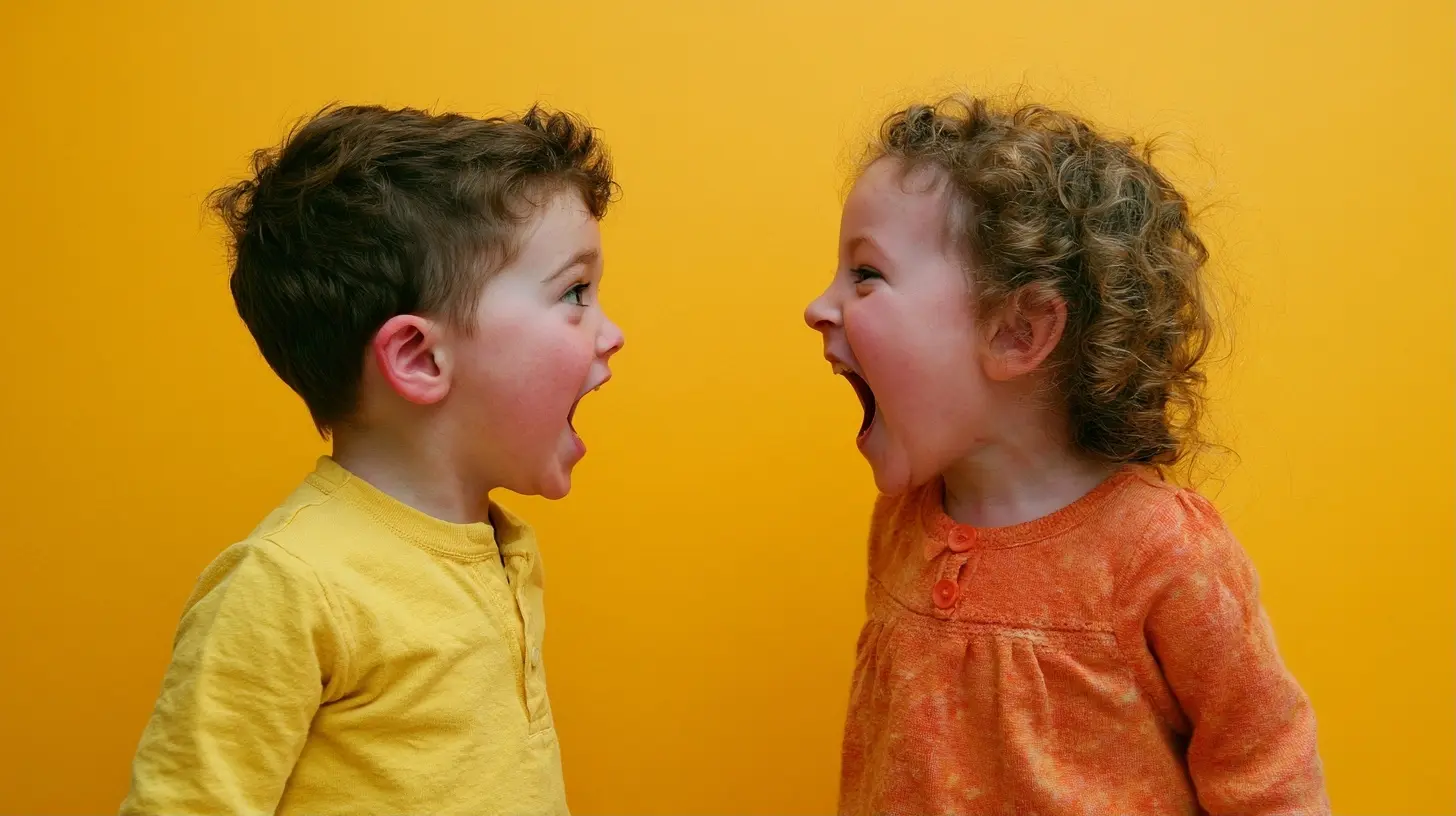
Sibling relationships are unique. They can be filled with rivalry and competition, but they also have the potential to be some of the strongest connections in a person's life. Studies have shown that siblings can influence each other's social skills, emotional intelligence, and even academic success. When siblings cheer for each other, they create a nurturing atmosphere that allows both to thrive.Common Misconceptions
One of the primary misconceptions is that sibling rivalry is a natural and unavoidable part of growing up. While some competition is normal, it does not have to dominate the relationship. By fostering a culture of support, parents can help mitigate rivalry and replace it with encouragement.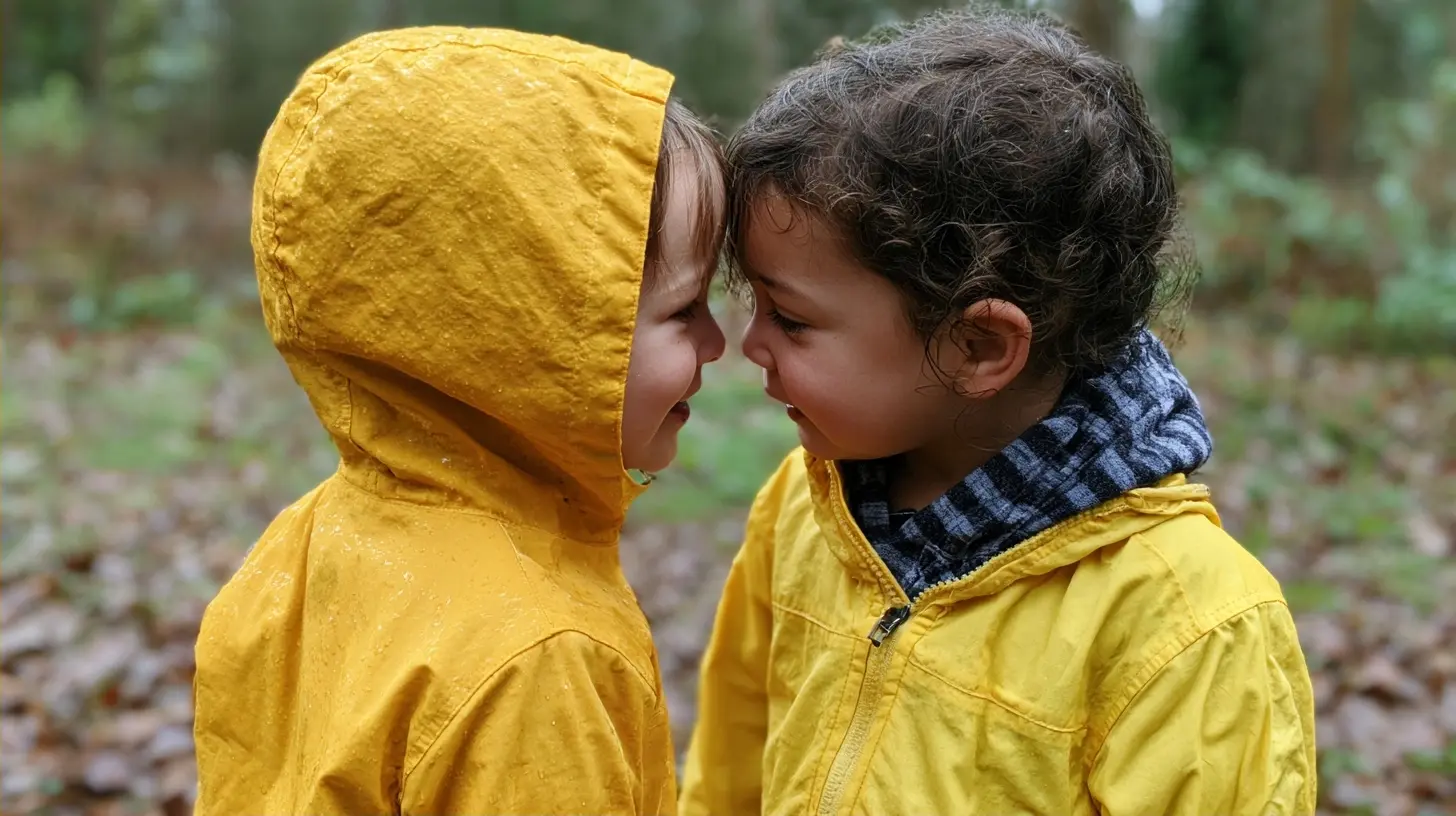
Establishing a Supportive Environment
Creating Opportunities for Teamwork
Encourage siblings to work together on projects, whether it's a school assignment or a family task like gardening or cooking. When they collaborate, they learn to rely on each other's strengths. This not only helps them achieve their goals but also builds trust and camaraderie.Example: Collaborative Projects
For instance, if one sibling is good at art and the other excels in writing, have them create a storybook together. This allows them to appreciate each other's talents and fosters a sense of teamwork.Highlighting Individual Strengths
Make it a point to acknowledge the unique skills and strengths of each child. When siblings recognize and celebrate what makes each other special, it cultivates admiration rather than jealousy.Practical Tip
Use family meetings or casual dinners to share positive traits. Ask each sibling to point out something they admire about the other. This simple practice can significantly enhance mutual respect.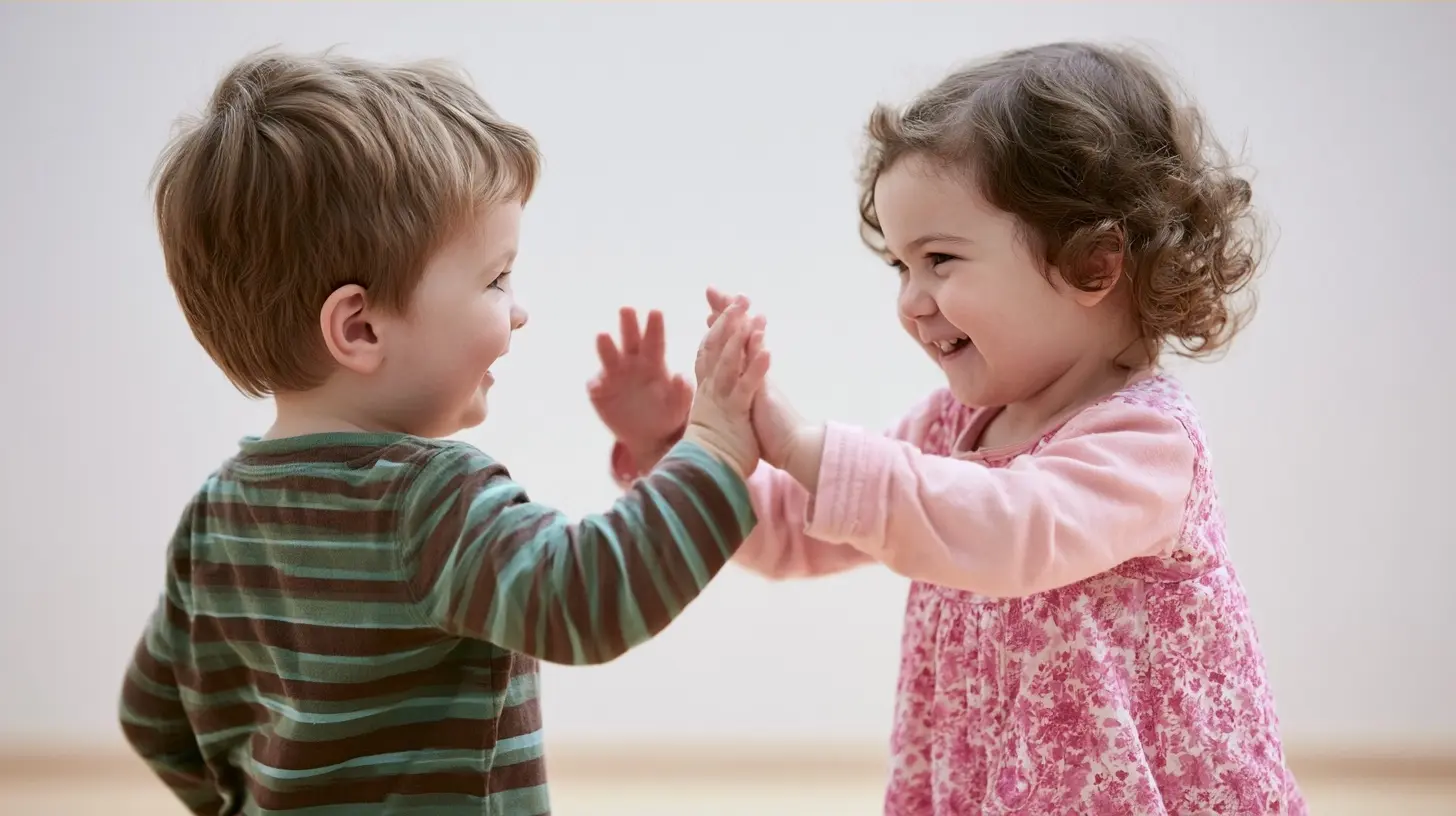
Encouraging Positive Communication
Modeling Supportive Language
Children learn from their parents. If you consistently model supportive language, your children will mimic this behavior. Use phrases like "I believe in you" or "You can do it" when talking to your children. This helps them internalize that encouragement is essential.Teaching Active Listening
Encourage siblings to listen to each other attentively. When one sibling shares their goals or concerns, the other should practice active listening without interrupting. This fosters empathy and understanding.Real-World Application
You might set aside time for siblings to share their achievements or challenges. Encourage them to respond with questions like, "How did that make you feel?" or "What can I do to help?" This creates a safe space for open dialogue.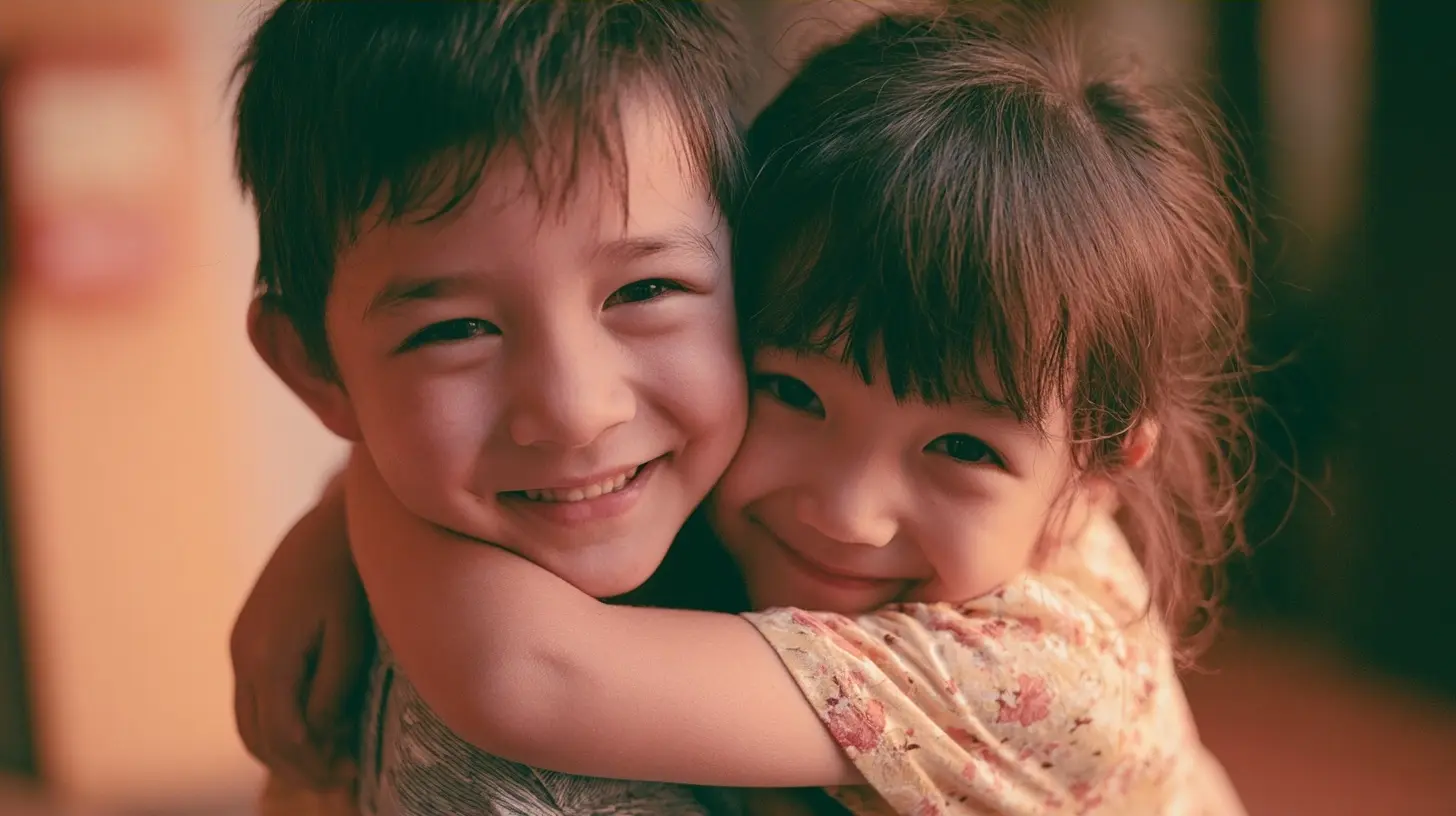
Celebrating Achievements Together
Joint Celebrations
When one sibling achieves something-big or small-make it a family affair. Celebrate achievements together, whether it's a good grade, a sports win, or a personal milestone. This reinforces the idea that each sibling's success is a shared victory.Example of Joint Celebrations
If one sibling wins a school award, consider a family outing to their favorite restaurant. This not only celebrates the achievement but also emphasizes that supporting one another is a family value.Creating a Cheerleading Culture
Encourage siblings to be each other's biggest fans. This can be as simple as attending each other's games or performances and cheering them on. Make it a tradition to create signs or wear matching colors to show support.Addressing Rivalry with Compassion
Understanding Roots of Rivalry
Sibling rivalry often stems from competition for parental attention or resources. Understanding this can help parents intervene compassionately. Instead of dismissing squabbles, take the time to discuss feelings and underlying issues.Practical Conflict Resolution Techniques
When conflicts arise, guide siblings to express their feelings without blame. Teach them to use "I" statements, such as "I feel upset when..." instead of accusatory language. This helps them articulate their emotions constructively.Example of Conflict Resolution
If one sibling feels overshadowed by another's achievements, facilitate a conversation where they can voice their feelings. Encourage the other sibling to listen and validate those feelings, promoting a culture of understanding rather than defensiveness.
Encouraging Empathy and Kindness
Empathy Building Activities
Engage siblings in activities that promote empathy. Volunteer together at local charities or participate in community service. Such experiences help them see the world from different perspectives and reinforce the value of kindness.Real-World Example
Consider organizing a family service project, like helping at a food bank. Discuss how helping others can make them feel good about themselves and each other, creating a bond through shared experiences.Practicing Random Acts of Kindness
Encourage siblings to perform random acts of kindness for each other. This could be as simple as making a favorite snack or writing a heartfelt note. Celebrating these acts, no matter how small, reinforces positive behavior.The Role of Parents in Fostering Support
Being Present and Available
Your presence matters. Spend quality time as a family, allowing siblings to bond naturally. Encourage them to play together and share their experiences. Your involvement creates a safety net where they feel comfortable supporting one another.Facilitating Family Discussions
Create a routine where family discussions are commonplace. These discussions can address anything from daily events to deeper topics. Encourage siblings to express their feelings and thoughts openly, reinforcing that their voices are valued.Example of Family Discussions
Host regular family meetings where everyone can share highs and lows of their week. This regular practice helps siblings practice articulation and encourages them to cheer each other on during tough times.
Avoiding Common Pitfalls
Overemphasizing Competition
While a little competition can be healthy, too much can drive a wedge between siblings. Avoid putting excessive pressure on them to outperform each other. Instead, focus on personal growth and collective achievement.Ignoring Individual Needs
Each child is unique, and their needs differ. Be attentive to how each child responds to encouragement. Some may thrive on public praise, while others may prefer a more private acknowledgment. Tailoring your approach can help them feel genuinely supported.Conclusion
Helping siblings cheer each other on is an ongoing process that requires patience, consistency, and intentionality. By creating a supportive environment, fostering positive communication, celebrating achievements, and addressing rivalry with compassion, parents can cultivate a bond between siblings that lasts a lifetime. This unique relationship can be a source of comfort, strength, and joy, enriching their lives in countless ways.
all images in this post were generated using AI tools
Category:
Sibling RelationshipsAuthor:

Max Shaffer