How to Help Older Siblings Welcome a New Baby to the Family
21 May 2026
Welcoming a new bundle of joy into your family is exciting, heartwarming—and let’s be honest—a bit chaotic. As parents, we often focus on preparing ourselves and the nursery, but what about your older child? For them, this transition can feel like a roller coaster of emotions. One moment they’re curious, the next they’re clingy or even jealous. Sound familiar?
If you're wondering how to help older siblings welcome a new baby to the family without turning your home into a battlefield of tantrums and tears—don’t worry. You’re not alone, and yes, it’s absolutely manageable. With a little forethought, empathy, and some clever parenting hacks, you can help your older child feel secure and even excited about this big change.
Let’s dive into how to prepare your firstborn (or second, or third!) for their new sibling, and set the stage for a loving, lifelong bond.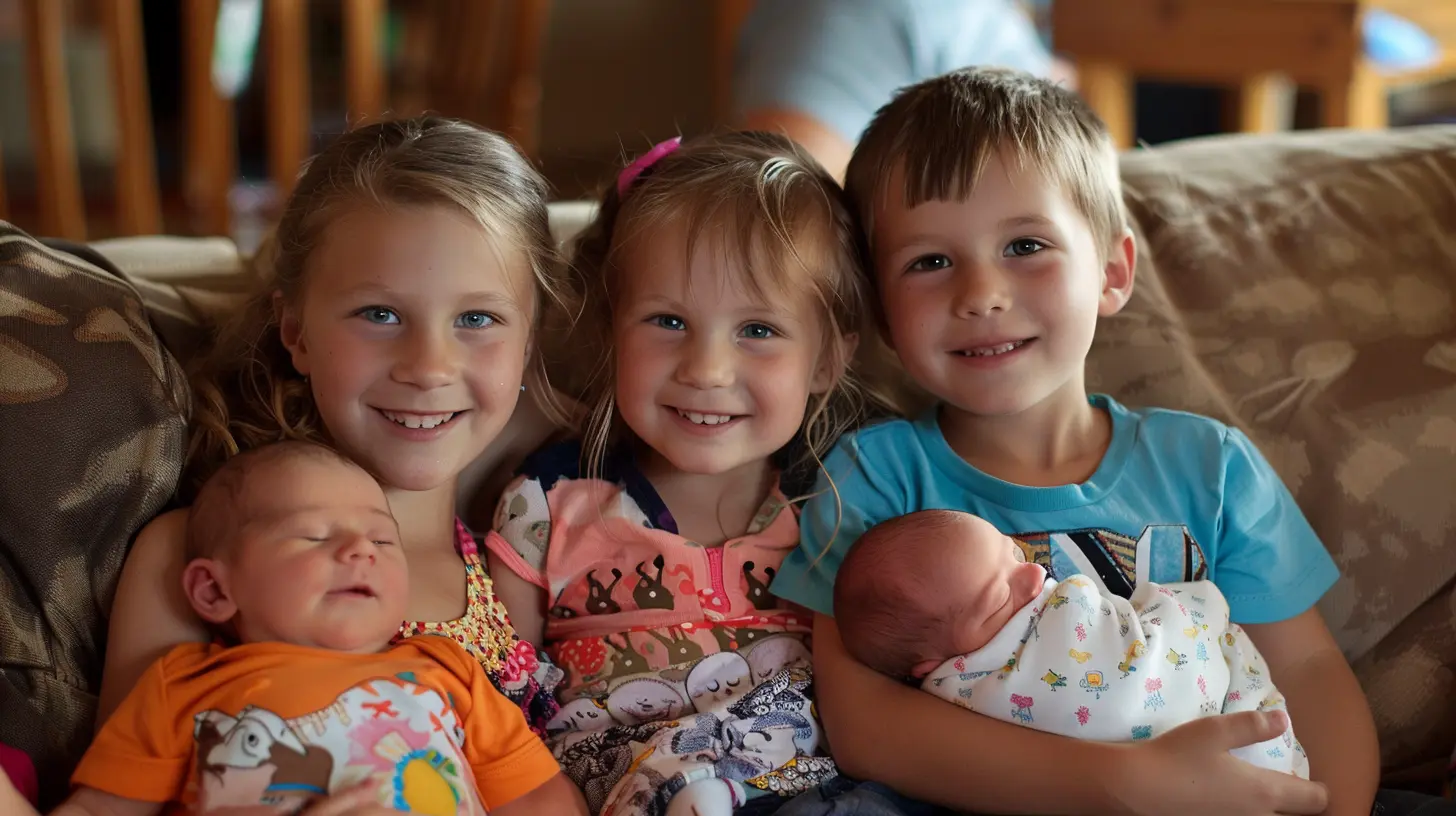
Why Sibling Reactions Matter
Before we talk strategy, let’s understand what’s going on inside that little head of theirs. Picture this: your first child has had your full attention since day one—snuggles, stories, kisses on boo-boos—the whole nine yards. Then, out of nowhere (in their eyes), a tiny human shows up stealing cuddles, time, and attention.Can you blame them for feeling thrown off?
Some kids show their feelings outwardly—maybe they become clingier, act out, or regress (hello, bedwetting or baby talk!). Others internalize it with quiet sadness or confusion. Either way, their emotional response is natural. That’s why it’s essential to address the transition with care, patience, and a whole lot of love.
Start Before the Baby Arrives
Like with most big changes, preparation is key. The earlier you start involving your older child in the baby-on-the-way journey, the better their experience will be.1. Talk About the Baby (In a Realistic Way)
Be honest and age-appropriate when discussing the new sibling. Avoid painting an unrealistic picture like, “It’ll be so much fun!” because, let’s face it, newborns mostly cry, sleep, and need diaper changes. Instead, try saying:> “The baby’s going to be tiny and need lots of help, but they’ll love having you around.”
Set realistic expectations so your child isn’t blindsided when the baby doesn’t show up ready to play tag.
2. Let Them “Help” with Preparations
Kids love to feel included. So let them pick out a baby outfit or choose the stuffed animal that goes in the crib. Even little tasks like handing you diapers or folding blankets give them a sense of control.3. Read Sibling-Themed Books Together
There are plenty of age-appropriate books that walk young kids through what it’s like to become an older sibling. Some popular ones include I’m a Big Brother or The New Baby. Reading together not only gives them insight—it opens up space for questions and feelings.
Empowering the Older Sibling Role
The trick here is to make your child feel like a valued part of “Team Baby”—not someone being pushed aside.4. Give Them a Special “Job”
Kids light up when they feel useful. Maybe they’re the “official lullaby singer,” the “diaper fetcher,” or the “baby talk translator.” It’s not about responsibility—it’s about inclusion.Their new role isn’t just “older sibling”; it’s “Big Sibling Extraordinaire.”
5. Show Them Baby Pics of Themselves
Pull out baby albums and reminisce about how loved, cared for, and celebrated they were. This visual reminder helps them understand that they too had their moment in the spotlight—and that the baby isn’t replacing them.6. Use Positive Reinforcement
Catch them being kind or patient and praise it! Statements like:> “You’re such a great big brother helping Mommy with the wipes,”
…can go a long way toward reinforcing positive behavior.
Even better? Let them overhear you bragging about them to someone else. That third-party praise? Magic.
Handling Mixed Emotions Like a Pro
Here’s the truth: no matter how much you prep, some jealousy or regression is almost inevitable. And that’s okay. Really. It's not a parenting fail—it’s just part of the journey.7. Make Time Just for Them
Even 10–15 minutes a day of one-on-one time (without the baby) is gold. Play their favorite game, read a story, or just sit and talk about their day. The goal is simple—remind them they’re still important.8. Validate Their Feelings
If your child says, “I don’t like the baby,” resist the urge to shut it down. Instead, dig deeper.> “It’s okay to feel upset. Sometimes I feel tired or frustrated too. Want to talk about it?”
Feelings are like balloons. If you keep stuffing them down, eventually they pop. Letting your child safely express their emotions releases pressure and builds emotional intelligence.
9. Avoid Comparisons
Statements like, “Your baby brother never cried like that!” are damaging. They may seem harmless, but they can create resentment and insecurity. Focus on each child’s individual strengths instead.Involve Them Post-Baby Arrival
Once baby’s home and the real circus begins, it’s crucial to keep the older sibling feeling connected—not just to the baby, but to you.10. Greet Them First
If someone new comes to visit the baby, make sure your older child gets attention too. Encourage guests to acknowledge them, and maybe even bring a small gift just for Big Sis or Big Bro.11. Use the “Feed Baby = Bond with Me” Trick
Newborns eat…a lot. So use feeding time as a bonding opportunity. If you're nursing or giving a bottle, ask your older child to snuggle up with you for reading or quiet play during that time.Make those moments about “us time” instead of “not now” time.
12. Celebrate Their Milestones Too
It’s easy to get wrapped up in “baby’s firsts,” but don’t forget your older child’s victories too—big or small. Whether they learned to tie their shoes or aced their spelling test, let their moments shine.Keeping a Positive Family Dynamic
At the end of the day, you’re nurturing a future relationship between your kids. It might be rocky at first, but with the right support, they’ll become each other’s biggest fans.13. Foster Sibling Interaction (When They’re Ready)
You can't force instant love, but you can create opportunities for connection. Let your older child help give the baby a bottle, sing a lullaby, or gently rock the baby’s swing.Those tiny shared experiences add up.
14. Talk About the Future
Help your child see the long-term perks. Say things like:> “When the baby gets a little older, you’ll be able to teach them your favorite game!”
This gives them something exciting to look forward to—and turns the future into a team adventure.
15. Be Patient with Yourself (and Them)
No family is picture-perfect. There will be hiccups, maybe even full-blown meltdowns (from kids and adults alike). But if you’re showing love, acknowledging feelings, and making room for everyone to feel seen, you’re doing an amazing job.Final Thoughts
Let’s face it—transitioning from a three-person family to four (or more!) is a wild ride. But it’s also a beautiful one. With patience, empathy, and some creative thinking, you can help your older child adjust to their new role—not with jealousy or fear, but with excitement, pride, and love.You’re not just raising kids—you’re building a team. And with your guidance, they’ll be teammates for life.
all images in this post were generated using AI tools
Category:
Sibling BondingAuthor:

Max Shaffer
Discussion
rate this article
2 comments
Rhiannon McCallum
Sure, here goes: Getting older siblings on board with the new baby? Just remind them that sharing toys is way easier than sharing the spotlight... and their ice cream remains safely theirs!
June 16, 2026 at 3:53 AM
Max Shaffer
Great point! Helping them see the benefits of sharing can make the transition smoother. Plus, who doesn't love ice cream as a motivator?
Lorna McCabe
Thank you for sharing these thoughtful tips. Helping older siblings adjust is so important for creating a loving family dynamic as a new baby arrives.
May 23, 2026 at 2:42 AM
Max Shaffer
You're welcome! I'm glad you found the tips helpful. Supporting older siblings is key to a smooth transition.