How to Handle Potty Training with Patience and Success
24 February 2026
Let’s face it—potty training is one of those parenting rites of passage that’s equal parts exciting and incredibly frustrating. Imagine trying to teach a pint-sized person how to master one of life’s most basic tasks without them declaring war on the toilet. Sounds dramatic? Welcome to real-life parenting.
If you’re knee-deep in diapers and have no clue where to start (or maybe you’ve already started and are deep in the potty-training trenches), this guide is for you. We’re going to break it all down—no fluff, no judgments, just real talk about how to handle potty training with patience and success.
Why Potty Training Feels Like a Big Deal
Ever notice how potty training can bring out all the feels? There’s pride, anxiety, impatience, confusion... sometimes all in a five-minute window. That’s because it’s a huge milestone for both you and your toddler.For toddlers, potty training is like learning a new language. It’s complex, physical, emotional, and, let’s be real, sometimes terrifying. For us parents? It’s a test of patience and resilience—the parenting Olympics without the gold medal at the end.
But here’s the thing: with the right mindset, strategies, and a healthy dose of humor, you can do this.
When Is the Right Time to Start Potty Training?
Short answer? It depends.Long answer? Every child develops at their own pace. Some toddlers show interest as early as 18 months, while others aren’t ready until after age 3—and that’s totally normal.
Here are a few signs your child might be ready:
- Staying dry for two hours or more during the day
- Having predictable bowel movements
- Showing interest in the bathroom or copying adults
- Being able to pull pants up and down
- Communicating when they need to go or are wet/dirty
If your little one checks off a few of these boxes, you might be in the sweet spot to start.
👉 Pro tip: Wait until your child shows actual interest. Trying to force it too early usually ends in power struggles and tears (sometimes yours).
Set Realistic Expectations (Seriously)
Raise your hand if you thought potty training would take a weekend, tops.Now, put that hand down because here's the truth: while some kids magically "get it" in a couple of days, most take weeks—or even months—to fully master the potty.
And by “fully master,” we mean using the toilet consistently, wiping correctly, pulling up pants, and washing hands after every trip. The whole enchilada.
So do yourself a favor and treat potty training like a marathon, not a sprint. You'll feel less pressure, and your child will feel less performance anxiety.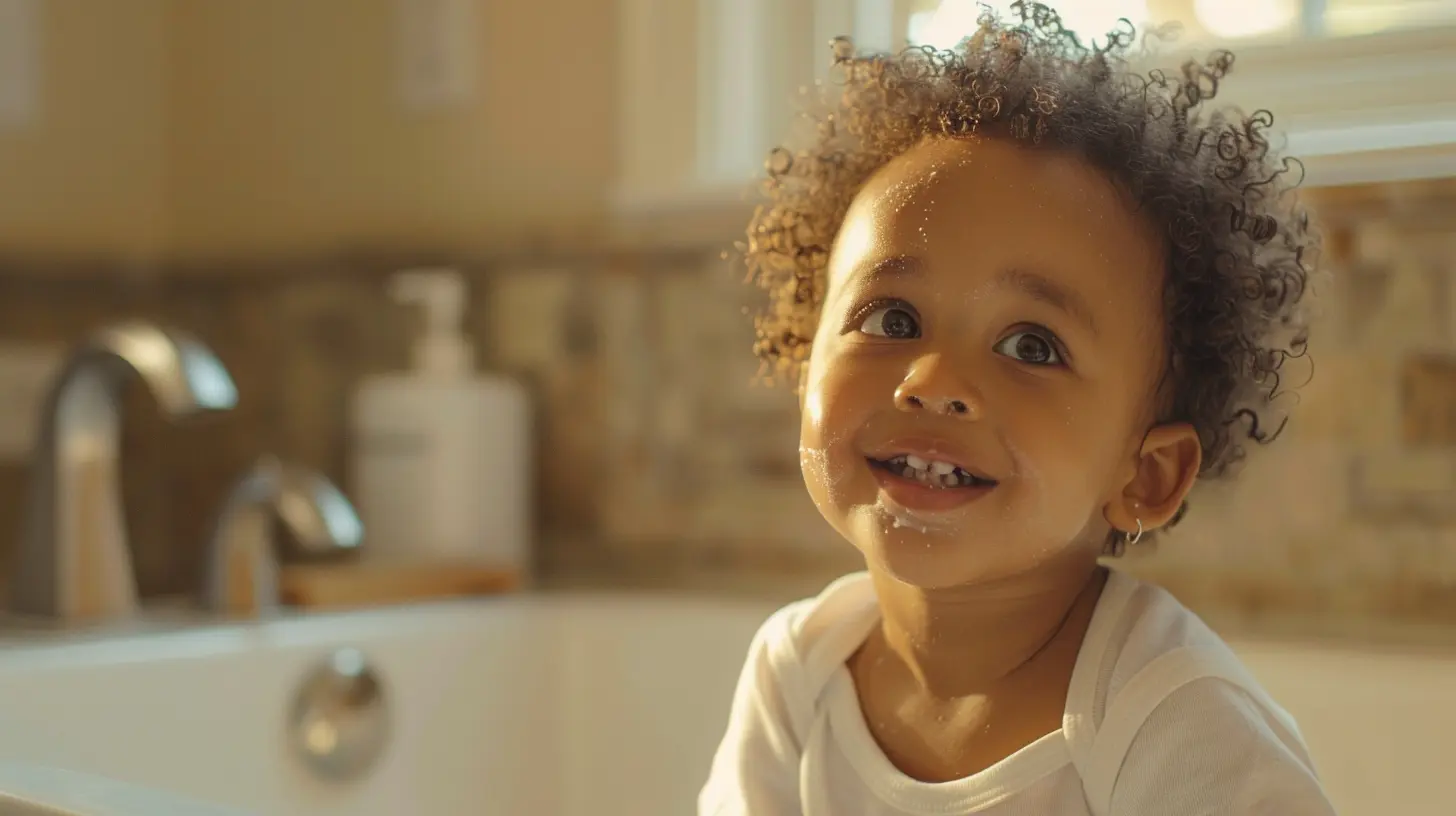
Pick Your Method (and Stick With It)
There are a few different potty training approaches, and no one method is perfect for every family. Here’s a quick rundown:1. The “Wait Until They’re Ready” Method
Also called child-led potty training, this approach involves waiting until your toddler shows clear interest and signs of readiness. You follow their lead and keep things laid-back and pressure-free.2. The “Three-Day” Method
This one’s for the brave. The idea is to dive in headfirst over a long weekend—no diapers, high alert for potty cues, and lots of trips to the bathroom. It’s intensive but can work for some kids.3. The “Gradual” Method
This one’s more slow and steady. You start introducing the potty slowly with no pressure. Over time, you build consistency until diapers are a thing of the past.No matter which route you choose, consistency is key. Jumping between methods too often sends mixed signals, and that’s when confusion (and accidents) happen more frequently.
Create a Positive Potty Environment
You know what helps potty training? Making your child feel like they're doing something awesome (because they are!).Here’s how to set the mood:
- Get a kid-friendly potty: Whether it’s a small standalone potty or a seat that fits on the regular toilet, let them help pick it out.
- Let them personalize it: Stickers, favorite characters, whatever gets them excited.
- Keep it accessible: Make sure it’s easy for them to get to the bathroom quickly.
- Add a footstool: For little ones using a regular toilet, a footstool helps them feel secure and stable.
Also, try to celebrate the small wins. Even sitting on the potty without actually going is a step in the right direction.
Patience Is Your Superpower
If there were a single most useful piece of advice for potty training, it’s this: Be. Patient.Accidents will happen. Some days, your kid will flat-out refuse to sit on the potty. Other days, they’ll pee all over the floor five minutes after saying they didn’t have to go. Welcome to the rollercoaster.
Instead of getting frustrated (easier said than done, I know), take a deep breath. Remind yourself that this is a season—and like all parenting phases, this one will pass.
When your child has an accident, don’t scold. Just calmly say something like, “Oops, accidents happen. Let’s try the potty next time,” and move on. It sends the message that mistakes are part of learning, not something to be ashamed of.
Turn It Into a Routine
Kids thrive on routine, and potty training isn’t any different. Consistency helps take the mystery out of the process.Try this:
- Offer the potty at regular intervals (e.g., every 1.5–2 hours)
- Always go before naps and bedtime
- Encourage “trying” even if they don’t feel the urge
- Use a timer if needed—some kids respond well to scheduled “potty breaks”
And hey, you might want to have your child sit on the potty during diaper changes just to get in the habit.
Make it Fun (Yes, Really)
Who says potty training has to be boring?- Read potty-themed books together
- Sing a silly potty song
- Use sticker charts or a simple rewards system
- Let them flush (surprisingly thrilling for toddlers)
Just avoid bribes that are too over-the-top. Promising a pony for every poop is setting everyone up for disappointment.
Nighttime Training Is a Whole Other Ballgame
Even if your child is daytime trained, staying dry overnight may take longer—and that’s totally normal.Here’s what helps:
- Limit liquids an hour before bed
- Make sure they use the potty right before sleeping
- Use waterproof mattress protectors and have extra sheets ready
- Don’t panic over accidents—again, this is part of the process
Some kids may need nighttime pull-ups for a while, even after they’re fully potty trained during the day. This doesn’t mean they’re regressing—it just means their body isn’t quite there yet.
Deal With Setbacks Gracefully
Potty training progress is rarely linear. A kid who’s been using the potty for weeks might suddenly regress for no clear reason.Don’t freak out.
Common triggers for setbacks include:
- Big life changes (new sibling, moving, starting daycare)
- Illness
- Overexcitement or stress
Instead of punishing or making a big deal, go back to the basics. Give your child reassurance, revisit your potty routine, and offer gentle reminders.
Setbacks aren't failure—they're just detours. Keep your cool and carry on.
What If It’s Just Not Working?
Some kids need more time. Some kids have sensory issues or medical conditions that affect potty training. If your child is over 4 and still struggling, it might be time to talk to your pediatrician just to rule out physical causes.But most of the time, it’s a matter of emotional readiness. Keep the pressure low and the patience high. You’re not behind, and neither is your child.
Words of Encouragement From a Fellow Parent
Let’s be honest—potty training can feel like you’re stuck in a never-ending loop of laundry, Lysol, and “I don’t have to go!” meltdowns.But here’s the good news: your child will get it. Eventually.
You’re not doing it wrong. You’re not a bad parent if your toddler takes longer than your best friend’s kid. And you’re absolutely not alone in feeling overwhelmed.
Celebrate the small wins. Laugh when you can. And keep a stash of chocolate (for you, not them) when things get tough.
Because in the end, potty training is less about poop and pee than it is about growth, trust, and learning to let go—even just a little.
You’ve got this.
all images in this post were generated using AI tools
Category:
Toddler MilestonesAuthor:

Max Shaffer
Discussion
rate this article
2 comments
Nico Sheppard
Potty training: a rite of passage or a puzzle wrapped in mystery? With patience as your guide and a sprinkle of creativity, you may find hidden treasures in this journey. Every child is a unique enigma, waiting to reveal their readiness—unlock the secrets and embrace the adventure ahead!
March 11, 2026 at 3:35 AM
Max Shaffer
Absolutely! Potty training is indeed a unique adventure. Embracing each child's individual journey with patience and creativity is key to unlocking their readiness and success.
Flint Coleman
In the tender dance of potty training, patience reigns supreme, A gentle guide through little dreams, where triumphs gleam. With love as your compass and laughter as your song, Each step taken together, you’ll both grow strong. Celebrate each victory, no matter how small!
March 8, 2026 at 5:24 AM
Max Shaffer
Thank you for the beautiful words! Celebrating each step truly makes the journey worthwhile.