How to Childproof a Kitchen Without Sacrificing Accessibility
8 December 2025
Let’s be real — the kitchen is one of the most exciting spaces in a house for a curious little kid. Bright colors, interesting smells, and loads of gadgets? It's practically a toddler’s Disneyland. But for us parents, it’s a place full of hidden (and not-so-hidden) dangers. Knives, hot surfaces, cleaning products, sharp corners… yikes, the list goes on.
So how do we protect our little ones without turning our kitchen into a locked-down fortress that’s impossible for us to use? Good news: you don’t have to choose between safety and convenience. You can absolutely childproof your kitchen without sacrificing accessibility. It just takes a bit of thoughtful setup — and yes, a few strategic purchases.
Let’s break it down step by step, so your kitchen stays both safe and functional.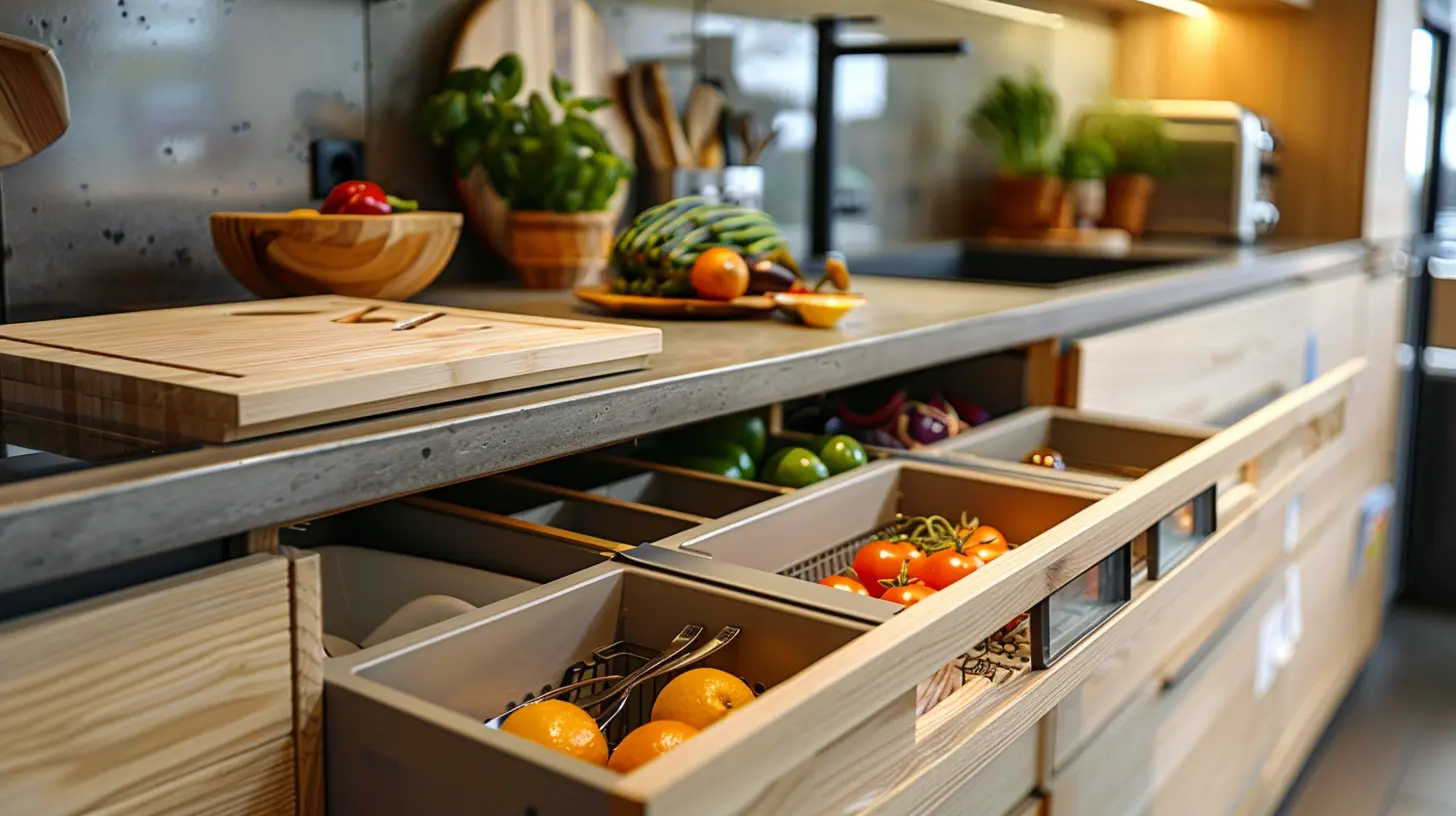
Why Kitchen Childproofing Matters
Before we dive into the how, let’s talk about the why. The truth is, kitchens are full of hazards, especially for toddlers and small children. According to the CDC, thousands of children head to the ER every year due to burns, cuts, poisonings, and falls — and a lot of these injuries happen right in the kitchen.But just because kitchens are risky doesn't mean we need to lock everything up like Fort Knox. The goal here isn’t to bubble wrap your entire kitchen — it’s to create a livable, workable space that’s also safe for your little ones roaming around.
Step 1: Think Like a Kid
Want to know the best way to start childproofing? Get on their level — quite literally. Yep, crouch down and take a toddler’s-eye-view of your kitchen. Look around and ask yourself:- What can they reach?
- What might look interesting to open?
- Are there objects I’d want to play with if I were two feet tall?
This might sound silly, but it’s super effective. You'll quickly spot things like dangling cords, easily accessible drawers, or glassware stored too low.
Step 2: Secure the Cabinets, But Keep Them Useful
Cabinets are like treasure chests to kids. They have to know what’s inside. But locking every cabinet can make your kitchen unusable for, well… everyone else. Here’s how to balance safety and convenience:Use Selective Cabinet Locks
Don’t lock every single cabinet — only the ones with dangerous stuff inside (think sharp objects, cleaning supplies, or heavy appliances). For these, opt for magnetic locks. They're nearly invisible, work like a charm, and best of all — adults can open them with one hand.Leave a drawer or two accessible and fill them with safe, kid-friendly items like plastic bowls, measuring cups, or silicone spoons. They’ll feel included and less likely to go snooping where they shouldn’t.
Try Latches Over Locks
Some pull handles and cabinets work better with adhesive latches instead of full-on locks. These are especially great for renters who can’t drill into cabinetry. Bonus: they’re easy to remove when your child outgrows the curiosity stage.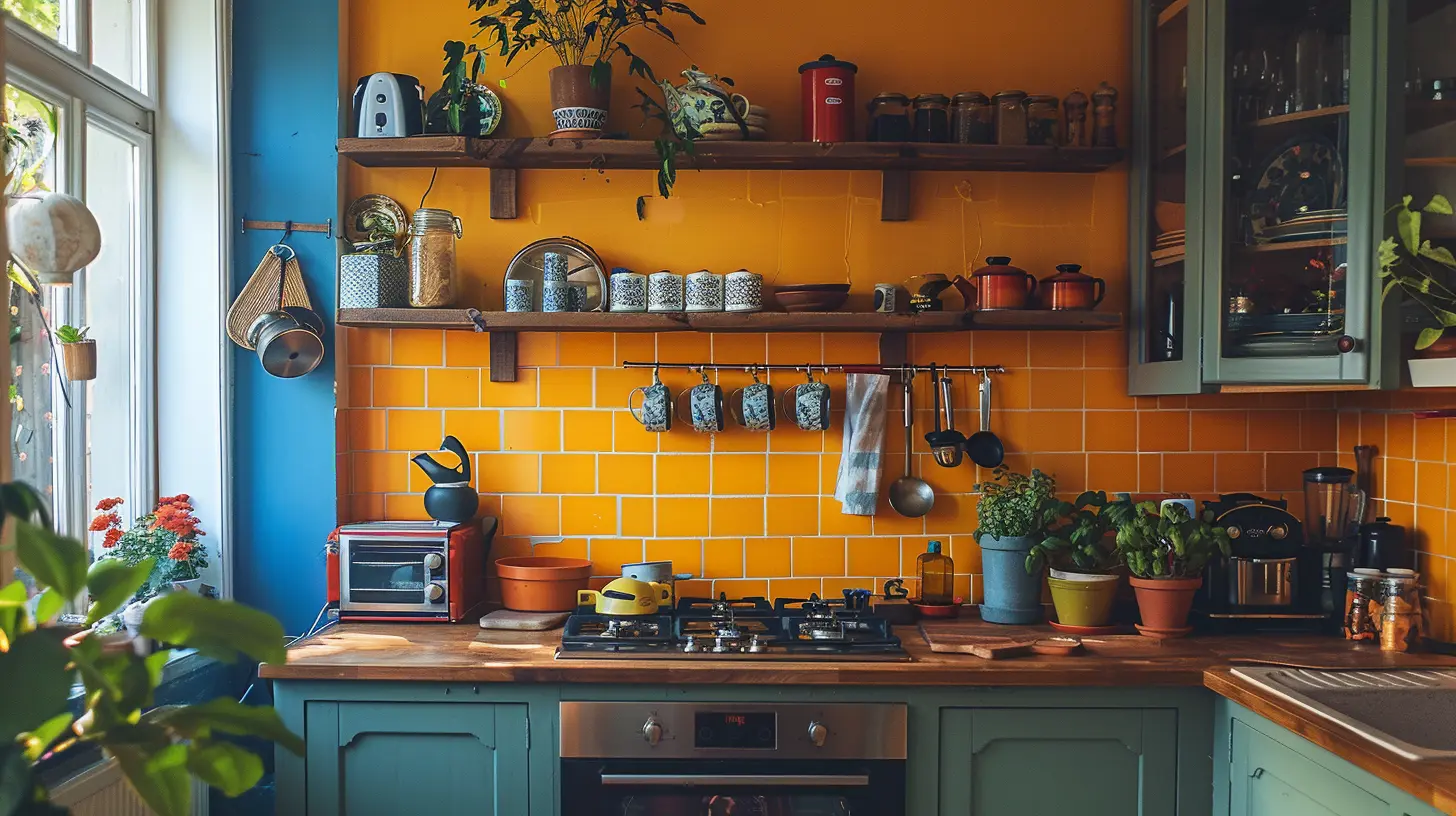
Step 3: Rethink Appliance Safety
Appliances are a big deal when it comes to childproofing. Most of them get hot, open wide, or have knobs just begging to be twisted.Oven and Stove Safety
Even if your stove has built-in safety features, it's still worth taking precautions.- Knob Covers: These little plastic domes snap over your stove knobs so your mini chef can’t accidentally turn on a burner.
- Stove Guard: This acts like a mini fence between your child and the hot surface. It’s clear, heatproof, and gives you peace of mind while cooking.
- Oven Lock: If your oven door doesn’t already have a child lock, you can get a simple clip-on lock to prevent it from being opened mid-bake.
Fridge and Freezer Locks
Fun fact: toddlers love opening refrigerators. Not only is this a waste of energy, but it’s also dangerous if they pull something glass or heavy out. A basic strap lock on the fridge and freezer can keep curious hands out, while still being easy for adults to open.Dishwasher Dangers
Dishwashers are often overlooked, but they’re full of sharp knives, glasses, and detergent packs. Use either a latch or a strap lock on the dishwasher, especially if you often pre-load it with items before running it.Step 4: Mind the Small Stuff (That Makes a Big Difference)
Childproofing isn’t just about the big threats — it’s also about keeping an eye on the little details.Manage Cords and Curtains
Keep appliance cords wrapped and out of reach. Slow cookers, mixers, blenders — if the cord dangles, it’s a temptation. Also, if you’ve got curtains, blinds, or tablecloths that hang low, a yank from a toddler could bring the whole table crashing down.Safety with Trash Cans
Trash cans are like treasure troves to toddlers. The smells! The colors! The forbidden nature of it all! Either keep your bin tucked away in a locked cabinet or invest in a childproof, step-pedal trash can with a tight lid.Remove Cleaning Supplies from Low Areas
Bleach, glass cleaner, dish detergent — these shouldn't be in any place a toddler can reach. Move them to high shelves or locked cabinets only. If you must store cleaning supplies under the sink, make sure there’s a firm childproof lock on the cabinet.Step 5: Create Safe Zones
Not everything in the kitchen has to be off-limits. Actually, giving your child a safe little zone of their own within the kitchen can do wonders.Set Up a Kid-Friendly Cabinet
Remember that cabinet we talked about earlier? The one with plastic bowls and measuring spoons? That can be your kid’s kitchen hangout. Stock it with safe items they can explore while you're cooking, like:- Wooden spoons
- Silicone spatulas
- Nesting cups
- A plastic colander
- Reusable snack containers
This way, they feel involved, occupied, and curious — all while staying out of trouble.
Step 6: Keep Floors Clutter-Free
Little feet and loose items don’t mix. If your kitchen floor tends to collect shopping bags, pet food bowls, or shoes, it’s time for some organizing. Trips and falls are a big risk, especially as kids start walking.- Use indoor mats that grip well
- Avoid slick rugs that can trip little feet
- Designate a spot for pet dishes — and consider picking them up when not in use
Step 7: Stay Ready for Spills & Emergencies
Even with all the baby-proofing in the world, accidents can still happen. It’s just life with kids.- Keep a small first-aid kit in a high cabinet (band-aids, burn cream, antiseptic wipes, etc.)
- Have emergency numbers saved in your phone
- Install a fire extinguisher nearby — and make sure you know how to use it
And it goes without saying — never leave your child unattended in the kitchen. Even for a second. A lot can happen in a flash.
Step 8: Reassess as Your Child Grows
What worked when your baby was crawling won’t cut it when they’re climbing, running, and opening doors like a pro. You need to reassess your childproofing strategy every few months.Kids are clever. The second you think you’ve got everything “locked down,” they’ll figure out a workaround like a tiny magician. Stay one step ahead by updating locks, moving dangerous items higher, and keeping their safe zone interesting and engaging.
Final Thoughts: It’s All About Balance
Childproofing your kitchen doesn't mean turning it into an off-limits zone. You want your child to feel welcome and involved — just not in harm’s way. Think of it like baby-proofing with a purpose: you’re creating a safe environment and keeping your daily life convenient.The key here is balance. Lock what’s dangerous. Leave what’s safe. Make your kitchen a family-friendly place without driving yourself nuts unlocking every drawer you need.
So go ahead, brew your coffee in peace, knowing that your little explorer can wander (safely) while you go about your day.
all images in this post were generated using AI tools
Category:
ChildproofingAuthor:

Max Shaffer
Discussion
rate this article
2 comments
Henrietta McElveen
This article offers practical tips for making kitchens safer for children while maintaining accessibility for adults. Striking a balance between safety and convenience is essential, and these suggestions provide a thoughtful approach for families striving for both.
December 16, 2025 at 3:43 AM
Max Shaffer
Thank you for your feedback! I'm glad you found the tips helpful in balancing safety and accessibility in the kitchen.
Tyler Alvarez
Great tips! Safety and accessibility can coexist!
December 8, 2025 at 5:58 AM
Max Shaffer
Thank you! I’m glad you found the tips helpful. It’s all about striking the right balance!