How to Babyproof an Open-Concept Home
6 June 2026
So, you're staring at your gorgeous open-concept home—the sleek, sprawling layout that made you fall in love with it in the first place—and now you’re also staring at your crawling baby who seems to have only one mission: explore everything, touch everything, and put everything in their mouth.
Suddenly, those wide-open spaces and breezy sightlines seem more like a toddler obstacle course in disguise. But don't worry—I’ve got your back! Babyproofing an open-concept home might seem like an overwhelming challenge, but with a bit of planning and creativity, you can make your space safe without turning it into a padded cell.
Let’s break it all down together in cheerful, bite-sized steps (see what I did there?). Buckle up—it's time to babyproof that beautiful space of yours!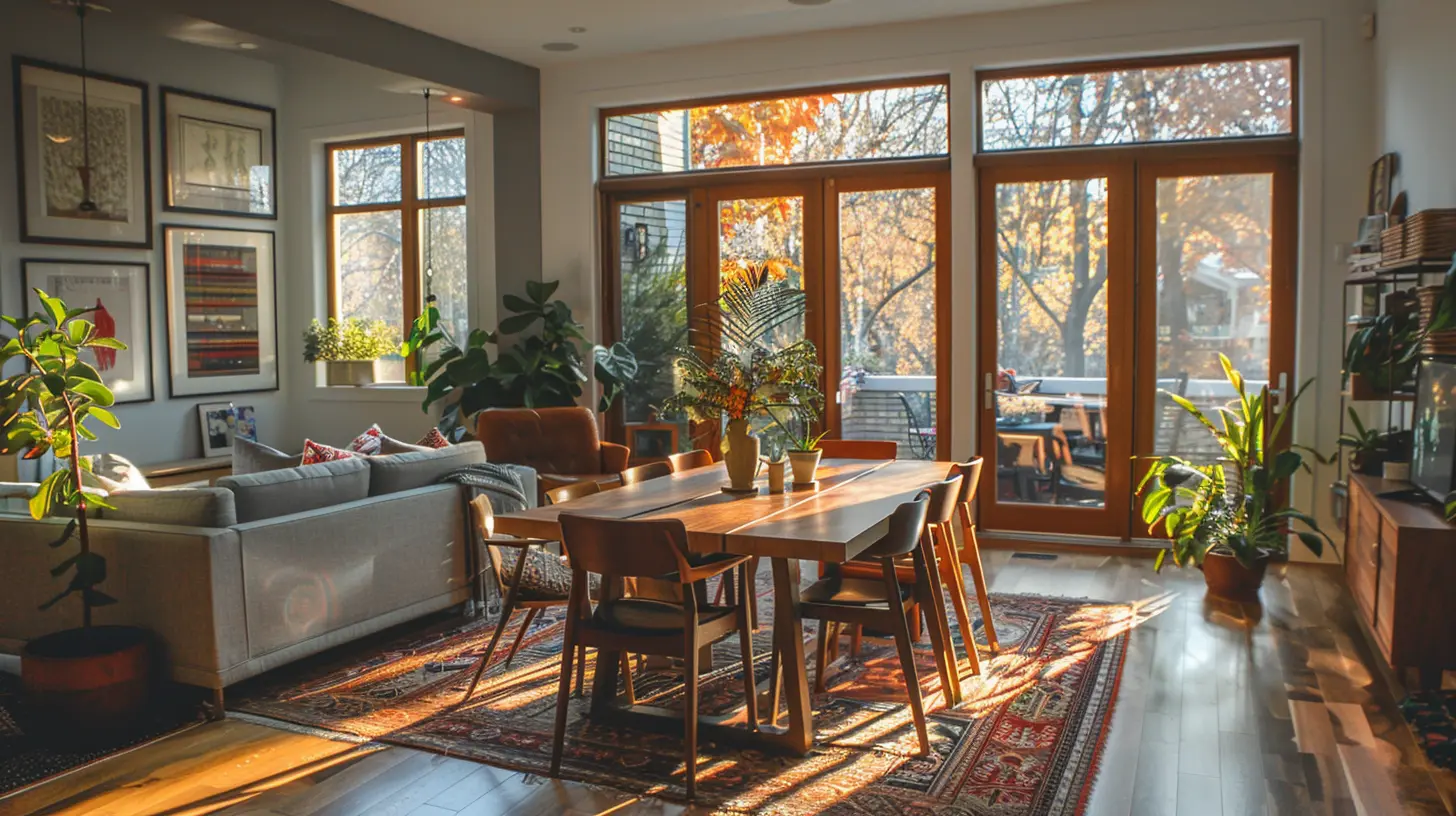
Why Babyproofing an Open-Concept Home is Tricky (But Totally Doable)
Babyproofing a traditional home is relatively straightforward. You can close doors, put up baby gates in narrow hallways, and segment areas with ease. But open-concept spaces? They’re like the Wild West of parenting!You’ve got minimal walls, maybe no doors, and sightlines that go on forever. In other words, your baby thinks they’ve just been handed the keys to Disneyland.
But here’s the good news: those same wide-open views that make babyproofing feel daunting also help you monitor your little explorer more easily. It just requires some smart, strategic setup.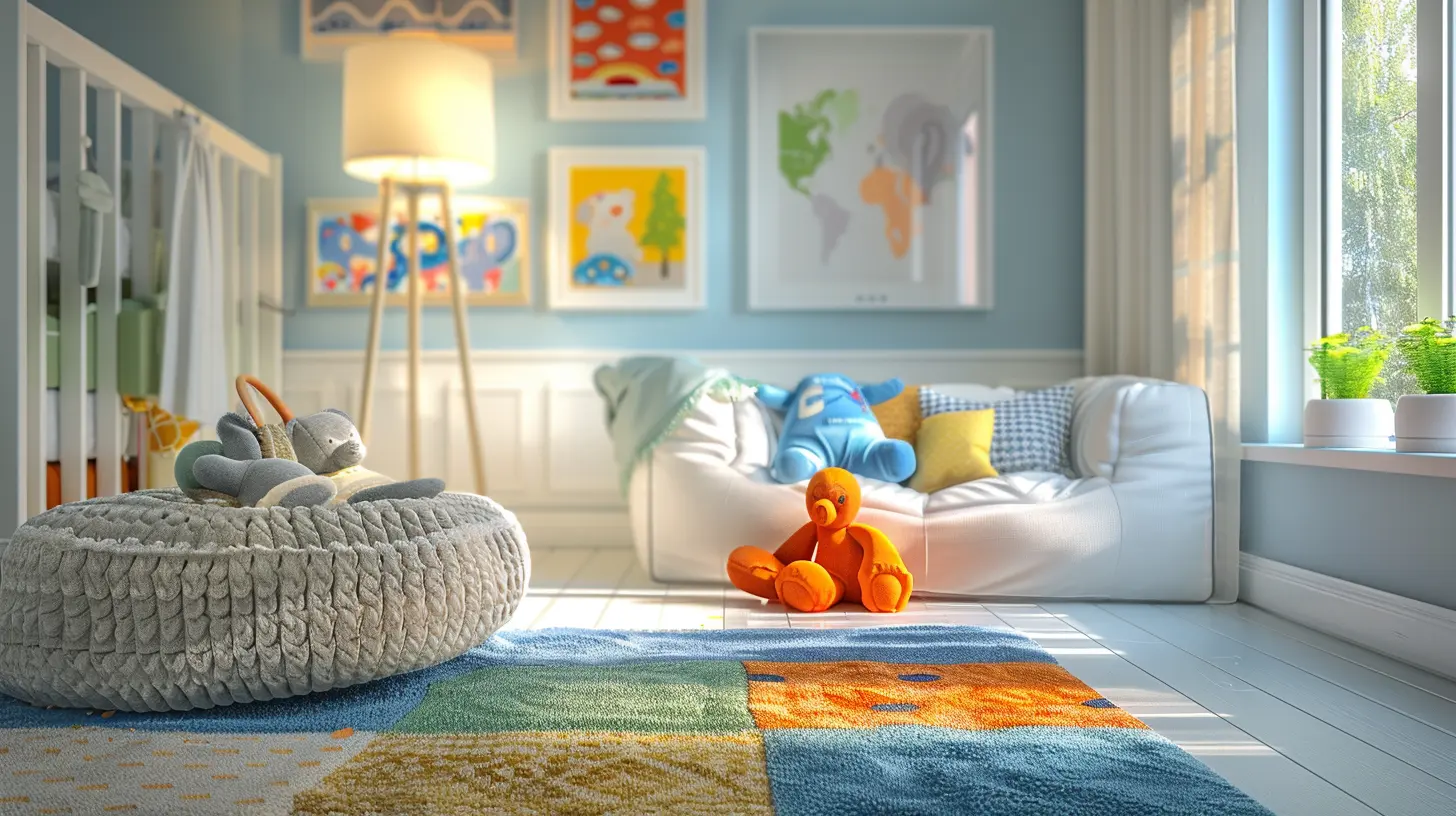
Start With the Basics: Your Babyproofing Toolkit
Before we get into the nitty-gritty, let’s talk supplies. Here's a quick checklist of babyproofing essentials you’ll want on hand:- Corner protectors (for coffee tables and sharp furniture edges)
- Outlet covers
- Cabinet and drawer locks
- Cordless blinds OR cord wraps for existing blinds
- Anti-tip straps (for furniture and TVs)
- Safety gates (spoiler alert: yes, you can use them in open concepts!)
- Soft floor mats or area rugs
- Foam bumpers
- Baby camera/monitor (optional but super helpful)
Got your gear? Let’s babyproof like a boss.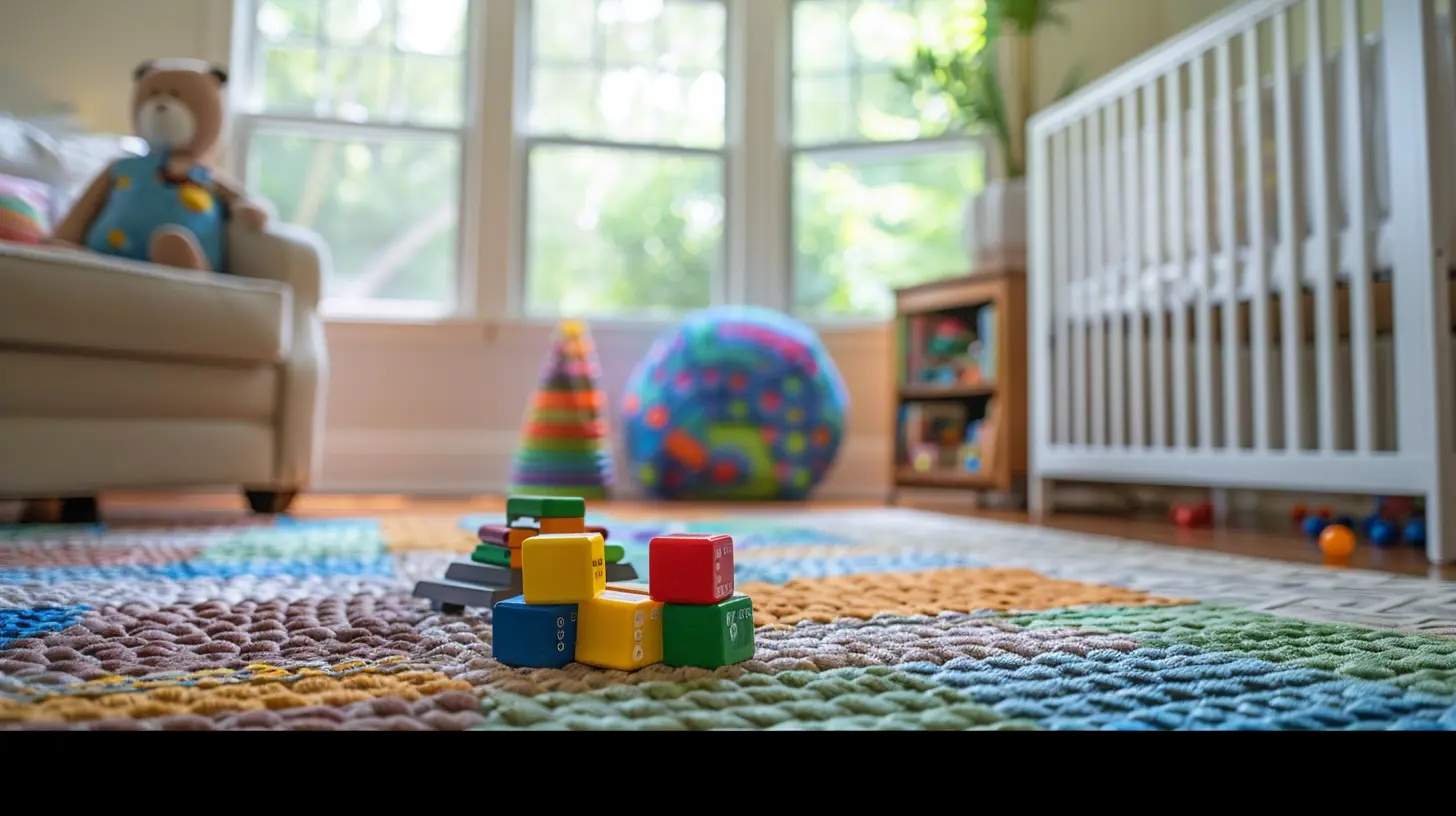
Step 1: Get Down on the Baby’s Level
I’m serious—get on your hands and knees! Crawl around your home to get a feel for what your baby sees and what’s within reach. It’s eye-opening (and a little dusty, if I’m being honest).Look out for:
- Sharp corners
- Loose cords
- Wobbly furniture
- Open shelves filled with tempting objects (hello, fragile vase collection)
- Low outlets just begging to be poked
Think of it like a baby’s-eye tour of their new world—and you’re the safety coordinator.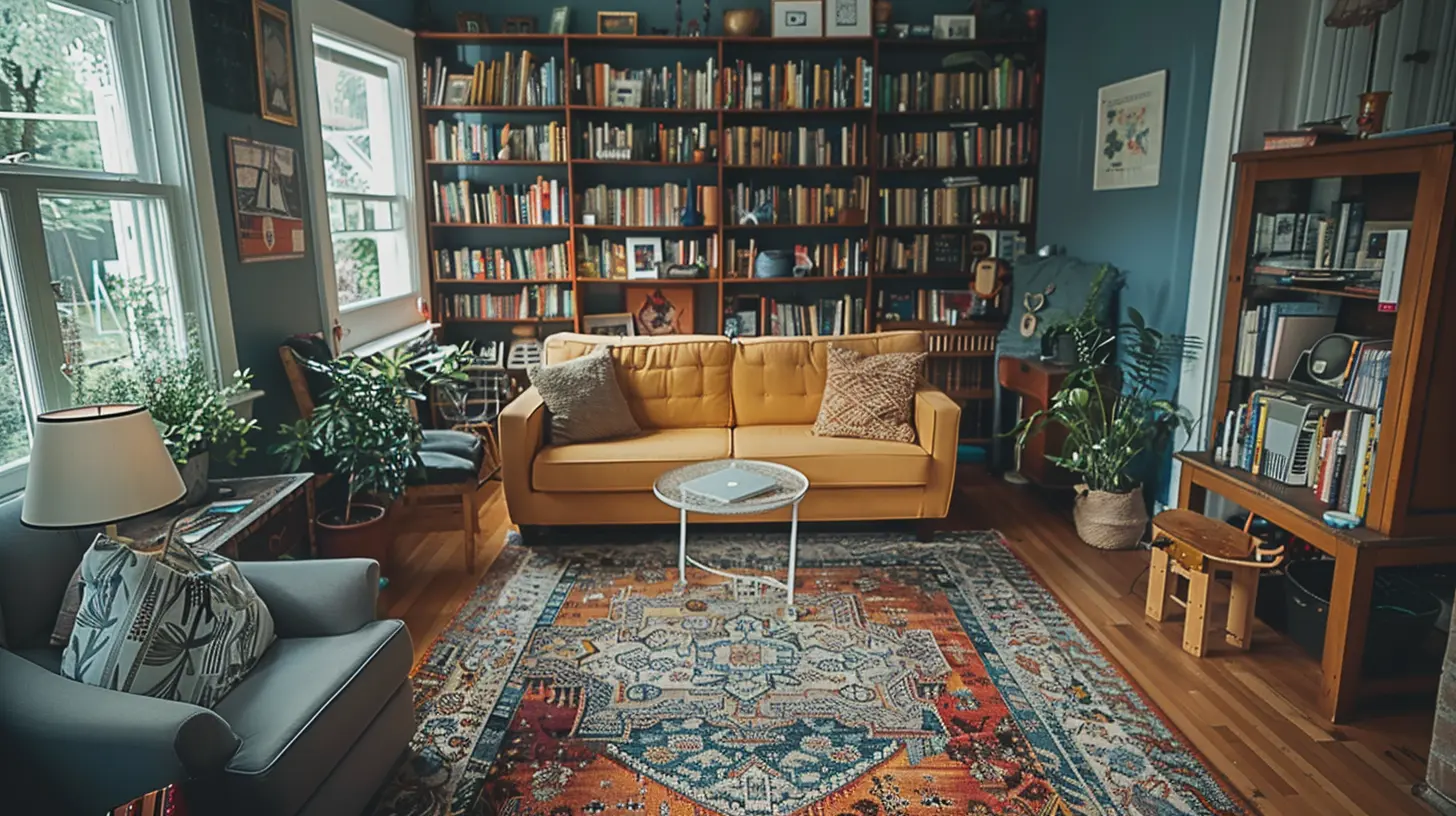
Step 2: Divide and Conquer with Strategic Zones
This is the real magic of babyproofing an open-concept space: you create "zones." Pretend you're designing a theme park, and each area has a specific focus: play, rest, eat, etc.Play Zone
Make this the heart of your setup. Add soft foam mats, a playpen (yep, even in big spaces!), some age-appropriate toys, and a small bookshelf for your baby’s favorite books. Anchor furniture and avoid anything with hard or sharp corners.TIP: Use colorful floor mats or area rugs to define the space while also giving your crawling baby a soft surface to play on.
Kitchen Zone
Ah, the kitchen—the land of hot surfaces, sharp objects, and heavy drawers. Block this off IF possible using a wide baby gate or a play yard fence system that stretches across large openings.Lock every drawer that contains knives, utensils, or cleaning products. Use stove knob covers and never leave dangling cords from appliances—they’re baby magnets.
Living Room Zone
This typically becomes “all the things zone,” right? Mount that TV securely to the wall (tip-over accidents are real and scary). Anchor bookshelves, side tables, and any furniture that could topple.Add soft bumpers to low tables and remove any decorative items that a growing explorer might try to chew on. Remote controls? Also weirdly tasty, apparently.
Step 3: Rethink Your Furniture Layout
You don’t have to ditch your design style, but a few tweaks can make all the difference.- Push larger furniture (like sofas) strategically to create natural barriers.
- Use rugs to visually (and physically) break up space.
- Keep high-traffic areas clear to avoid tripping hazards—for both baby and exhausted parents.
Open-concept homes love flow—but babies? Not so much. You’ll want to add some friendly friction to slow them down.
Step 4: Smart Barrier Systems (Yes, They Exist!)
Traditional baby gates don’t always work in big, open spaces. But modern babyproofing has come a long way, my friend.Here are some options that actually work:
Extra-Wide Gates
Look for extra-long baby gates (some stretch over 12 feet) with interlocking panels. These are lifesavers for containing space without needing wall-to-wall doors.Freestanding Fences
Adjustable play yard fences double as makeshift walls. Place them around your play zone or use them to shut off danger zones (like fireplaces or Christmas trees during the holidays).Furniture as Boundaries
Be creative—your sofa can act as a gate when positioned right, and a low shelf can serve as a room divider that still gives visibility.Step 5: Tame the Cords and Outlets
Your baby has a sixth sense for the one unsafe thing in the room—and cords are it.- Use cord concealers along baseboards to hide cables.
- Anchor standing lamps so they can’t tip.
- Switch to cordless window treatments or use clips to wind up cords and keep them at adult level.
- Every wall outlet not in use? Cover it up. There’s no such thing as “just one more minute…”
Step 6: Make Safe Zones Fun
Here’s the trick to keeping your baby in their zone: keep it fun! Rotate toys, add mirrors at baby level (babies love looking at themselves), and include you in the space. A cozy floor cushion for mom or dad makes it more likely you’ll want to hang out and play too.Put on some music, make this a happy place—not a prison yard.
Step 7: Keep an Eye on the Big Stuff
You may not realize all the baby hazards lurking in plain sight. Think:- Fireplace? Install a heatproof gate or bumper pad.
- Balcony or stairs nearby? Get a secure baby gate and never leave it open.
- Open shelving? Move breakables or heavy items up high.
- Houseplants? Some are toxic! Check every single one (babies love dirt).
And don’t forget about pets—make sure your fur baby and your human baby are safely coexisting with gates or designated feeding zones.
Step 8: Embrace Flexibility—Because Babyproofing Evolves
Just when you’ve babyproofed for crawling… guess what? Walking. Then climbing. Then problem-solving.Babyproofing is an ongoing journey, not a one-time setup. Keep checking your space every few months and adjust as your baby learns new tricks.
Think of it as leveling up—your baby’s growing, and you’re growing right along with them.
Pro Tips for Peace of Mind
Let’s sprinkle in some quick wins and sanity-savers:- Keep a "safety sweep" routine—do a quick walk-through every night looking for new hazards.
- Designate daily “yes” zones where your baby has total freedom.
- Use smart home monitors to keep an eye on baby while you’re in the kitchen or folding laundry nearby.
- Teach boundaries early—babies learn fast when you repeatedly say “no” and redirect.
- Keep emergency numbers saved in your phone and posted in the kitchen.
Because no matter how much we babyproof, accidents can still happen—being prepared is part of the plan.
Make Babyproofing Stylish (Yes, Really!)
One of the biggest worries parents have is that all the baby gear will completely clash with their beautiful home. But there are SO many modern, chic options now—you won’t have to sacrifice style for safety.Look for:
- Furniture anchors in neutral colors
- Sleek, minimalist baby gates
- Wooden toys that blend with your decor
- Soft, muted foam floor mats that look like rugs
You’re not alone if you want your home to feel like home—not a plastic playground.
Final Thoughts: You’ve Got This!
Babyproofing an open-concept home might seem intimidating—but it’s 100% doable. With a little creativity, the right gear, and a dash of humor, you can turn even the most sprawling space into a safe, happy haven for your curious little one.And remember: the goal is progress, not perfection. You don’t have to babyproof everything in one day. Start with the areas your baby spends the most time in, and go from there.
Think of it like parenting in general—it’s a wild ride, but you’re doing an amazing job.
Now grab that coffee, and go wrangle that toddling tornado of joy!
all images in this post were generated using AI tools
Category:
ChildproofingAuthor:

Max Shaffer
Discussion
rate this article
2 comments
Lincoln Kelly
Great tips for keeping little ones safe!
July 4, 2026 at 4:03 AM
Max Shaffer
Thank you! I'm glad you found the tips helpful. Keeping little ones safe is so important.
Fatima Morrow
Great tips for keeping little ones safe in a stylish open space!
June 14, 2026 at 4:51 PM
Max Shaffer
Thanks! I'm glad you found the tips helpful. Safety and style can definitely go hand in hand!