How Teaching Gratitude Can Improve Sibling Relationships
9 July 2026
Sibling relationships can be some of the most rewarding yet challenging dynamics within a family. From playful moments to heated arguments over who gets the last cookie, siblings experience a rollercoaster of emotions. But what if there was a simple yet powerful tool to improve their bond? Enter gratitude.
Gratitude is more than just a polite "thank you." It’s an attitude, a way of seeing the world that fosters appreciation and strengthens relationships. When children recognize and express gratitude, they develop empathy, reduce conflicts, and build deeper connections with their siblings.
Let’s dive into how teaching gratitude can transform sibling relationships and practical ways to incorporate it into daily life.
Why Gratitude Matters in Sibling Relationships
At its core, gratitude shifts focus from what’s missing to what’s present. Instead of dwelling on what they don’t have—like the bigger slice of pizza or the latest toy—kids start to appreciate what they do have, including their siblings.When gratitude is nurtured, sibling relationships improve in several ways:
1. Reduces Jealousy and Competition
Siblings often compete for attention, toys, or privileges. Gratitude helps shift their mindset by encouraging them to appreciate what they have rather than compare themselves to each other.
2. Encourages Empathy
Children who express gratitude are more likely to recognize the efforts of others. When they appreciate their sibling’s kindness, effort, or shared moments, it builds stronger emotional connections.
3. Strengthens Emotional Resilience
Siblings inevitably argue, but gratitude fosters a forgiving and understanding attitude. It helps children focus on the positives in their relationship rather than dwell on conflicts.
4. Enhances Communication and Positive Interactions
When children regularly express thanks, they develop better communication habits. Instead of complaining or demanding, they learn to acknowledge and appreciate each other’s efforts, which fosters more positive interactions.
Practical Ways to Teach Gratitude to Siblings
Now that we understand the impact of gratitude, how can parents encourage it? Here are some practical, everyday strategies to make gratitude a natural part of sibling relationships.1. Model Gratitude Yourself
Kids learn best by watching their parents. If they see you expressing appreciation—whether it’s thanking your partner for helping with dinner or showing gratitude to them for cleaning up—they’ll naturally follow suit.- Say “thank you” often and sincerely.
- Express appreciation for small things, like, “I love how you helped your brother find his toy.”
- Highlight gratitude in everyday conversations.
2. Encourage "Thank You" Notes or Messages
A simple handwritten note, a text message, or even a spoken thank-you can go a long way in fostering gratitude between siblings.- Encourage them to write a thank-you note when a sibling does something kind.
- Have them create fun "Gratitude Coupons" (e.g., "Good for One Hug" or "Redeem for a Favor").
- Make it a habit to say “thank you” for help, even for small gestures like passing the remote.
3. Create a Family Gratitude Jar
Set up a jar where everyone can write and drop in notes about what they’re grateful for.- Encourage siblings to write about things they appreciate in each other.
- Read the notes together weekly to highlight acts of kindness.
- This simple activity reinforces gratitude and reminds kids of the good things they experience daily.
4. Make Gratitude a Part of Bedtime Routine
A bedtime gratitude talk is an easy way to end the day on a positive note.Ask each child:
- What’s one thing your sibling did today that made you happy?
- What’s something nice you noticed about them?
- What’s one thing you are thankful for about your family?
Over time, this practice helps children focus on the positives in their sibling relationships rather than minor annoyances.
5. Turn Gratitude into a Fun Game
Kids love games, so why not make gratitude fun?- Gratitude Tag: One sibling “tags” the other by saying something they’re grateful for about them. The tagged sibling then does the same and tags another family member.
- Gratitude Scavenger Hunt: Ask them to find things their sibling has done that they appreciate (e.g., "Find something your brother did today that made you happy").
- Gratitude Bingo: Create a bingo card with thankful actions (e.g., “Said thank you,” “Shared a toy,” “Helped with something”). Kids mark off squares as they practice gratitude.
6. Encourage Helping Each Other
Acts of kindness naturally lead to gratitude. Encourage siblings to help each other in small ways:- Helping with homework
- Carrying something for each other
- Offering a kind word when one is upset
- Sharing a favorite snack
When kids help each other, they start seeing their sibling as a teammate rather than a competitor.
7. Practice Gratitude in Conflict Resolution
Sibling fights are inevitable, but gratitude can help smooth the rough edges.- After resolving a conflict, encourage each child to say one positive thing about their sibling.
- Highlight how their sibling has been kind in the past, reinforcing that their relationship is built on love, not just disagreements.
- Parents can model this by appreciating when their children resolve issues respectfully.
8. Celebrate Sibling Appreciation Days
Dedicate a day each month where siblings do something nice for each other, whether it’s drawing a picture, making a small gift, or simply sharing a fun activity together.This event reinforces the idea that their relationship is something to be valued and celebrated.
Overcoming Challenges in Teaching Gratitude
Teaching gratitude isn’t always smooth sailing. Kids are naturally self-focused, and sibling rivalry is real. Here are some common challenges and how to navigate them.Challenge #1: Kids Resist Saying “Thank You”
Solution: Make it fun and natural rather than forcing it. Lead by example and let gratitude flow in everyday moments.
Challenge #2: Sibling Jealousy is Strong
Solution: Focus on individual strengths and encourage appreciation for each other’s unique qualities. Reinforce that fairness doesn’t always mean equality.
Challenge #3: Siblings Still Argue Frequently
Solution: Gratitude won’t eliminate all conflicts, but it helps shift the perspective. Continue practicing and reinforcing the habit over time.
The Long-Term Benefits of Gratitude in Sibling Bonds
The impact of gratitude goes beyond childhood. Siblings who practice gratitude develop stronger, more supportive relationships that last into adulthood.- They communicate better, leading to fewer misunderstandings.
- They develop deeper emotional connections, making them more likely to support each other later in life.
- They learn to handle conflicts with maturity and appreciation.
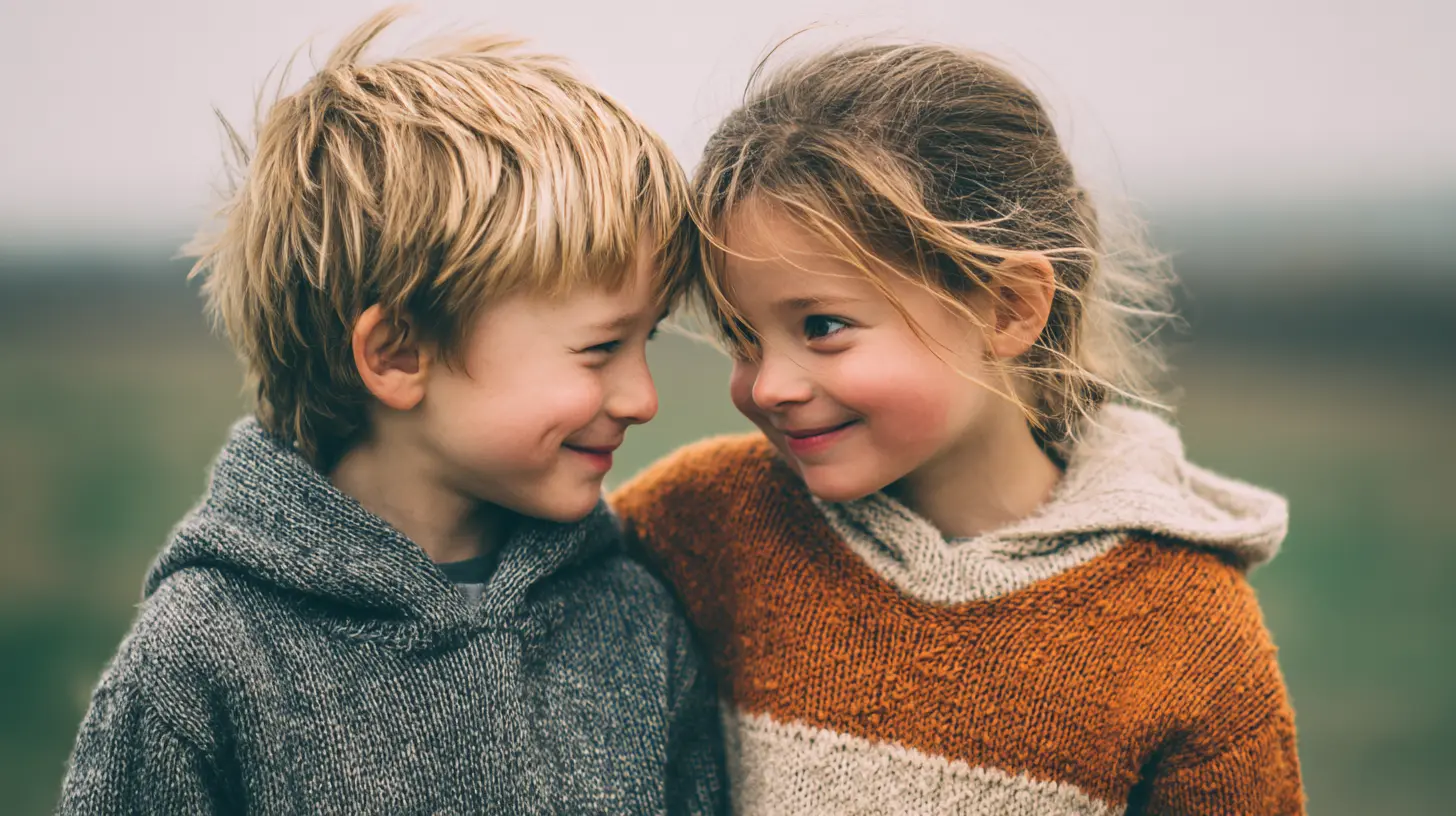
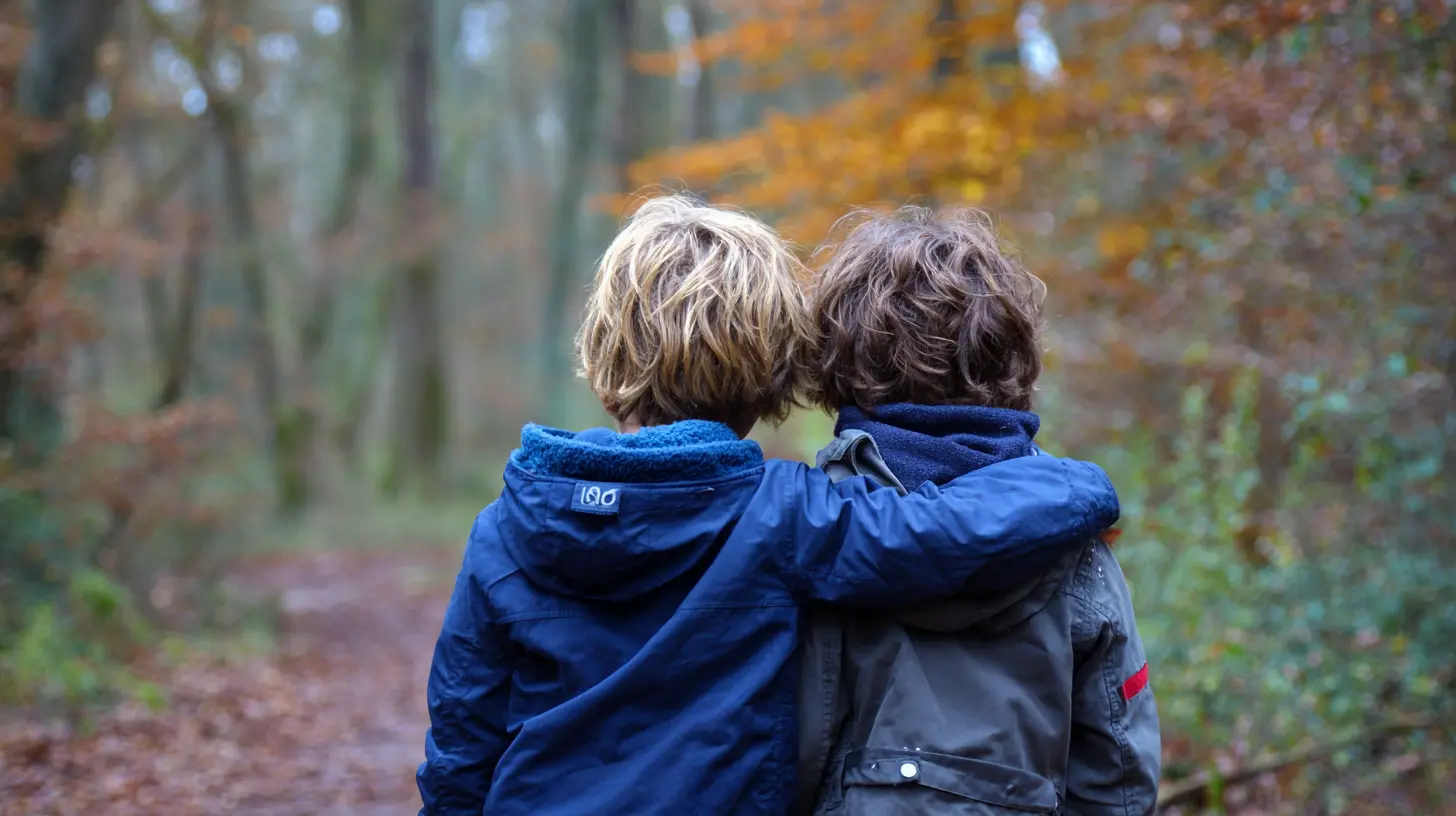
Gratitude shapes how siblings see each other—not as rivals, but as lifelong friends.
Final Thoughts
Teaching gratitude in sibling relationships isn’t about forcing niceties; it’s about cultivating a mindset. When children learn to appreciate each other, they grow into more compassionate, understanding, and loving individuals.As parents, you have the power to guide your children in seeing the beauty of their sibling bond. A simple “thank you” today could lead to a lifetime of love and support between them. So, why not start now?
all images in this post were generated using AI tools
Category:
Sibling BondingAuthor:

Max Shaffer
Discussion
rate this article
1 comments
Amalia Harris
Teaching gratitude to siblings is like trying to teach a cat to fetch. Cute idea, but good luck getting them to share that last cookie without a wrestling match... or a full-on negotiation.
July 16, 2026 at 3:02 AM
Max Shaffer
I get what you mean! It can definitely be a challenge, but even small moments of sharing can make a big difference over time. Who knows, they might surprise you one day!