How Clothing Choices Reflect Parenting and Culture
22 November 2026
Clothing is more than just fabric and thread; it is a powerful medium through which parents express their values, beliefs, and cultural identities. The choices parents make when dressing their children can reveal a great deal about their parenting styles, cultural backgrounds, and social aspirations. This article will delve into the nuances of how clothing choices reflect parenting and culture, providing insights that can help parents navigate this complex landscape.
The Parenting Style Connection
Authoritative vs. Authoritarian
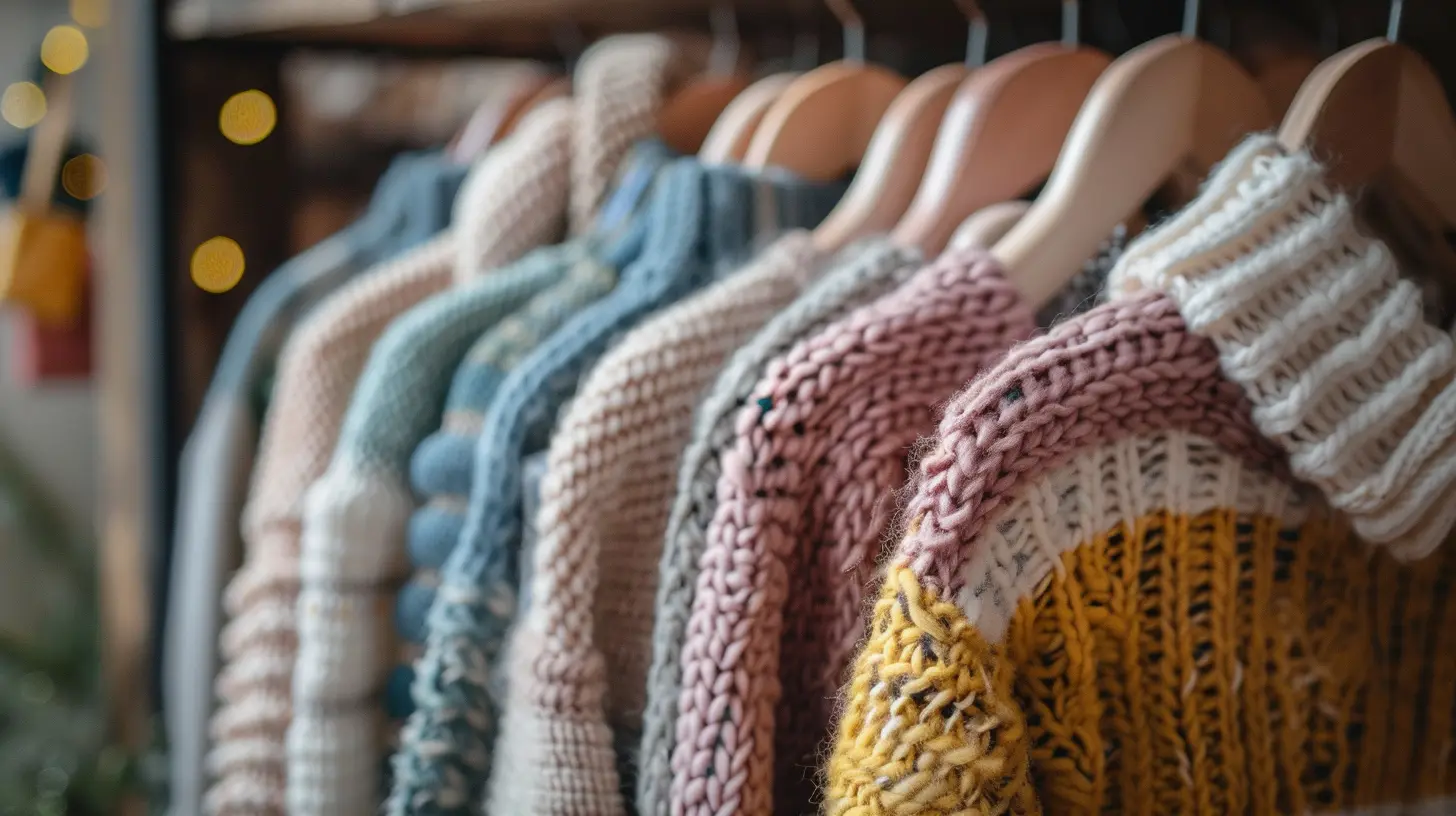
In parenting, styles can significantly shape clothing choices. Authoritative parents tend to foster independence and self-expression. They may allow their children to choose their outfits, encouraging them to explore their individuality. For instance, a child might select a brightly colored dress or a graphic t-shirt that reflects their personality. This choice can boost the child's confidence and sense of self.On the other hand, authoritarian parents may impose stricter rules regarding clothing. They might prefer uniforms or specific brands that align with their values or social status. For example, a parent who prioritizes discipline and conformity might insist their child wear formal attire to school events. While this can instill a sense of discipline, it may also stifle creativity and personal expression.
Permissive Parenting
Permissive parents often indulge their children's clothing preferences without much restriction. While this can lead to a vibrant wardrobe filled with unique styles, it can also result in challenges. For instance, a child might choose outfits that are not appropriate for certain settings, leading to discomfort or social awkwardness. Striking a balance between freedom and guidance is essential in this scenario. Parents can encourage creativity while also teaching their children about appropriateness and context.Practical Recommendations
When navigating clothing choices, consider the following:- Encourage Self-Expression: Allow children to choose their outfits, but provide guidance on appropriateness for different situations.
- Set Boundaries: Establish rules about clothing that reflect family values without being overly restrictive.
- Engage in Dialogues: Discuss clothing choices openly, exploring the reasons behind preferences and teaching children about cultural significance.
Cultural Influences on Clothing Choices
Cultural Identity and Heritage
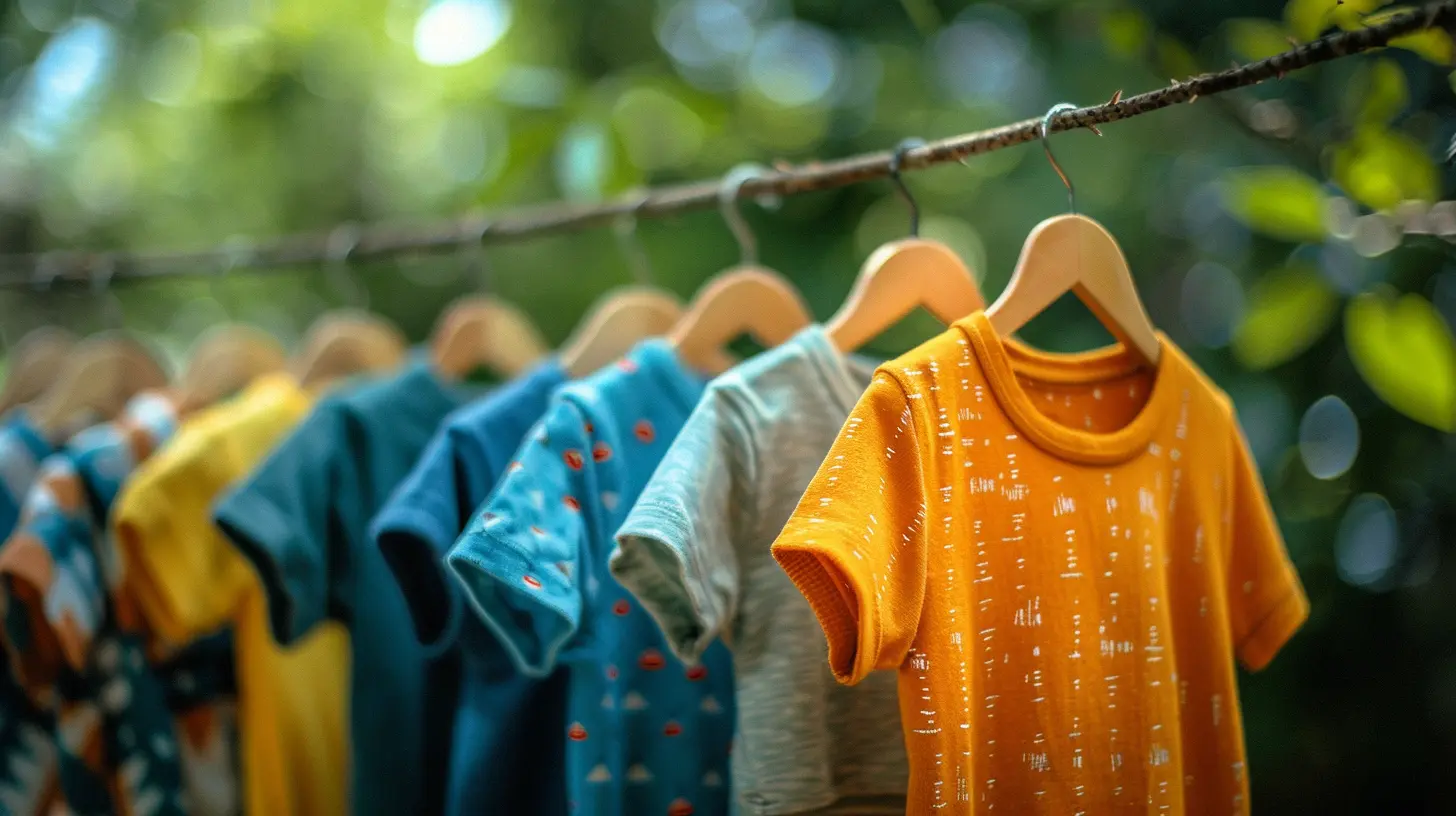
Clothing choices often reflect a family's cultural heritage. Traditional garments can be a source of pride and identity, connecting children to their roots. For example, in many cultures, specific attire is worn during significant life events, such as weddings or religious ceremonies. Dressing children in these traditional outfits can help instill a sense of belonging and understanding of their cultural background.Parents can also choose to incorporate cultural elements into everyday clothing. For instance, a parent might select garments that feature traditional patterns or symbols, sparking conversations about their meaning and significance. This not only fosters cultural awareness but also encourages children to appreciate diversity in clothing.
Globalization and Fashion Trends
In today's interconnected world, cultural influences on clothing are more pronounced than ever. Globalization has led to a blending of styles, with children often wearing clothing that reflects a mix of cultural influences. This can be beneficial, as it exposes children to diverse perspectives and aesthetics. However, it can also lead to cultural appropriation, where elements of one culture are used without understanding or respect.Parents should be mindful of the clothing brands they support and the messages these brands send. For instance, some companies may exploit cultural symbols for commercial gain without acknowledging their significance. By choosing brands that honor cultural heritage, parents can teach their children the importance of respect and understanding.
Practical Recommendations
To navigate cultural influences effectively, consider these strategies:- Teach About Heritage: Use clothing as a tool to discuss family history and cultural traditions, emphasizing the importance of understanding one's roots.
- Promote Respectful Fashion Choices: Encourage children to appreciate and respect cultural elements in fashion, fostering a mindset of inclusivity.
- Balance Tradition and Modernity: Combine traditional attire with contemporary styles to create a unique expression that honors heritage while embracing modernity.
Socioeconomic Factors and Clothing Choices
Class and Status
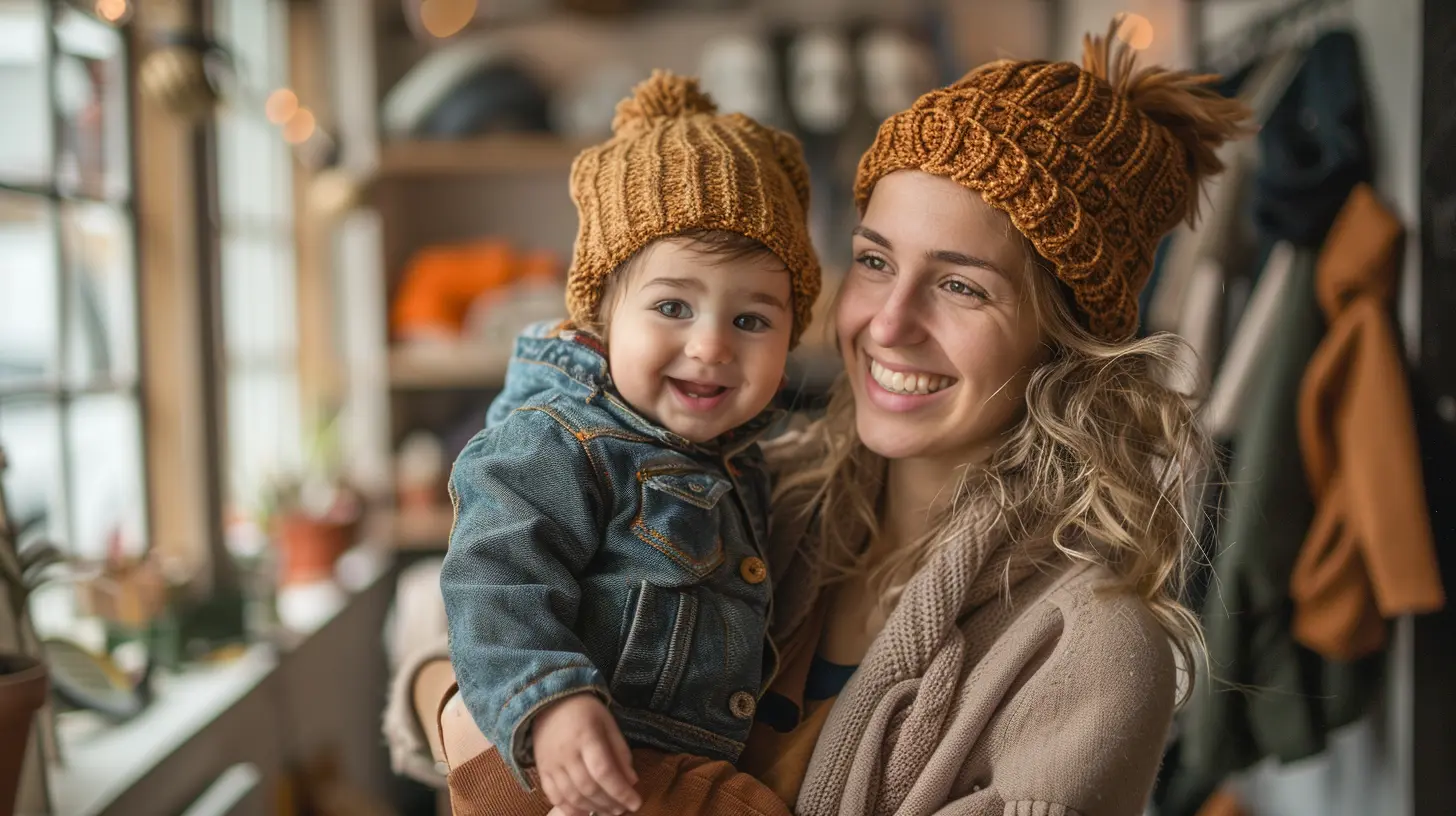
Clothing often serves as a marker of social status. Parents may choose specific brands or styles to convey their position within a particular social class. High-end brands can signal wealth and exclusivity, while thrift shopping may reflect a more budget-conscious lifestyle. These choices can influence children's perceptions of worth and belonging.Children are astute observers of these dynamics. When they see their peers dressed in designer labels, they may feel pressure to conform, leading to feelings of inadequacy if their clothing does not match. This can create tension within families, as parents navigate the desire to provide for their children while maintaining financial responsibility.
Sustainability and Ethical Considerations
In recent years, there has been a growing awareness of sustainable and ethical fashion. Many parents are choosing to prioritize eco-friendly clothing options, driven by a desire to promote environmental consciousness. This shift can reflect broader values of responsibility and care for the planet.However, navigating the balance between sustainable choices and budget constraints can be challenging. Parents may feel torn between the desire to provide high-quality, eco-friendly clothing and the need to stay within financial limits. Finding a middle ground is crucial.
Practical Recommendations
Here are some tips for addressing socioeconomic factors in clothing choices:- Foster Open Conversations: Discuss the importance of clothing choices in relation to family values and social dynamics, helping children understand different perspectives.
- Encourage Thrift and Upcycling: Introduce children to thrift shopping or upcycling clothing as a creative way to express themselves while being financially responsible and environmentally conscious.
- Model Mindful Consumption: Be intentional about clothing purchases, discussing the reasons behind choices and promoting awareness of brand ethics and sustainability.

The Role of Peer Influence
Social Dynamics and Clothing Choices
As children grow, peer influence becomes increasingly significant in shaping clothing preferences. Friends often play a crucial role in determining what is considered "cool" or acceptable. Parents may find themselves navigating this social landscape, balancing their children's desires with their own values.For instance, if a child feels pressure to wear trendy sneakers or the latest fashion items to fit in, parents may need to address this desire while instilling a sense of self-worth that is not solely tied to clothing. Teaching children to appreciate their unique style, rather than simply conforming to peer pressure, can be a valuable life lesson.
Practical Recommendations
To manage peer influence effectively, consider the following strategies:- Encourage Individuality: Celebrate your child's unique style and help them understand that self-expression is more important than conformity.
- Discuss Peer Pressure: Engage in conversations about peer influence, helping children navigate social dynamics without feeling overwhelmed.
- Promote Critical Thinking: Teach children to critically assess trends and make choices based on their values rather than solely on external pressures.
Common Mistakes and Misconceptions
Misunderstanding Clothing's Role in Self-Expression
One common misconception is that clothing choices are purely superficial and do not impact children's self-esteem or identity. In reality, what children wear can significantly affect how they view themselves and how they are perceived by others. Parents should take clothing choices seriously, recognizing their potential impact on a child's confidence and social interactions.Overemphasizing Brand Names
Another mistake is placing too much emphasis on brand names. While certain brands may hold social significance, children should not feel that their worth is tied to the labels they wear. Teaching children that it is more important to express themselves authentically than to chase trends can help foster resilience and self-acceptance.Practical Recommendations
To avoid these pitfalls, consider the following approaches:- Prioritize Self-Expression: Encourage children to choose clothing that reflects their individuality rather than focusing solely on brand prestige.
- Teach the Importance of Comfort: Help children understand that feeling comfortable in their clothing is more important than adhering to trends or peer expectations.
- Model Healthy Attitudes: Demonstrate that clothing choices should be about personal expression and comfort, rather than status or conformity.
Conclusion
Clothing choices are a reflection of parenting styles, cultural influences, socioeconomic factors, and peer dynamics. By understanding these connections, parents can make more informed decisions that align with their values while fostering a healthy sense of self in their children. Balancing expression and appropriateness, tradition and modernity, and individual desires with social influences can create a rich and meaningful experience around clothing. As parents navigate this landscape, they have the opportunity to guide their children toward self-acceptance and cultural awareness through the lens of their clothing choices.
all images in this post were generated using AI tools
Category:
Parenting And CultureAuthor:

Max Shaffer