How Breathing Techniques Can Calm Both You and Your Child
5 June 2026
Ever felt like you're one meltdown away from losing it, and your child is already there? We've all been there. Parenting is beautiful, but let’s be real—it’s also exhausting, overwhelming, and sometimes downright chaotic. But what if I told you that something as simple and natural as breathing could be the game-changer you didn’t know you needed?
Yep, breathing.
Let’s dive into how breathing techniques can help both you and your child chill out, reconnect, and find that calm in the storm—even when the Legos are flying and snack time turned into a negotiation.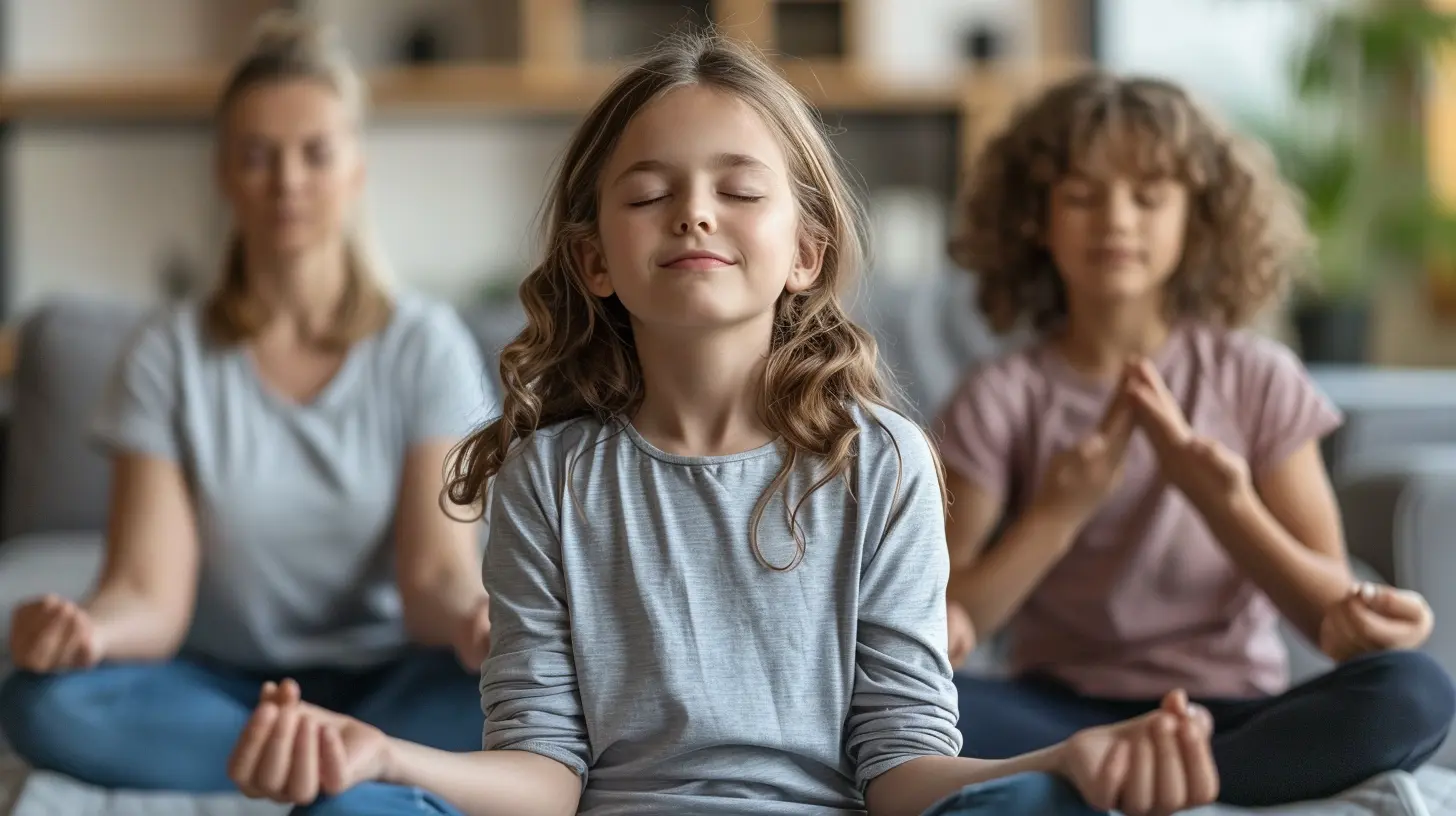
Why Breathing Matters More Than You Think
It might sound too good to be true, but controlled breathing is like a secret superpower. It’s free, it’s easy, and it’s always with you.When we get stressed—whether from a toddler tantrum or your teen’s eye-roll—our breath changes. It becomes short, shallow, and fast. This signals our brain that something’s wrong, which kicks us into fight-or-flight mode. You’re literally wired to panic.
Now flip the script. When you slow your breathing, it sends a message back to your brain that says, “Hey, we’re good. No tiger here.” Your heart rate drops, your muscles relax, and your mind starts to clear. The same goes for your child.
So instead of reacting with frustration when your child loses it, you can both reset with a few intentional breaths.
The Science Behind Calm Breathing
Let’s geek out for a sec (just a little).Breathing techniques activate the parasympathetic nervous system—the part responsible for rest and digest. It’s the opposite of the stress response. By breathing deeply and slowly, you're flipping the switch from chaos to calm.
Even better? This works for kids too. Teaching your child how to breathe through anxiety or frustration gives them a lifelong tool for emotional regulation. Think of it as emotional first aid.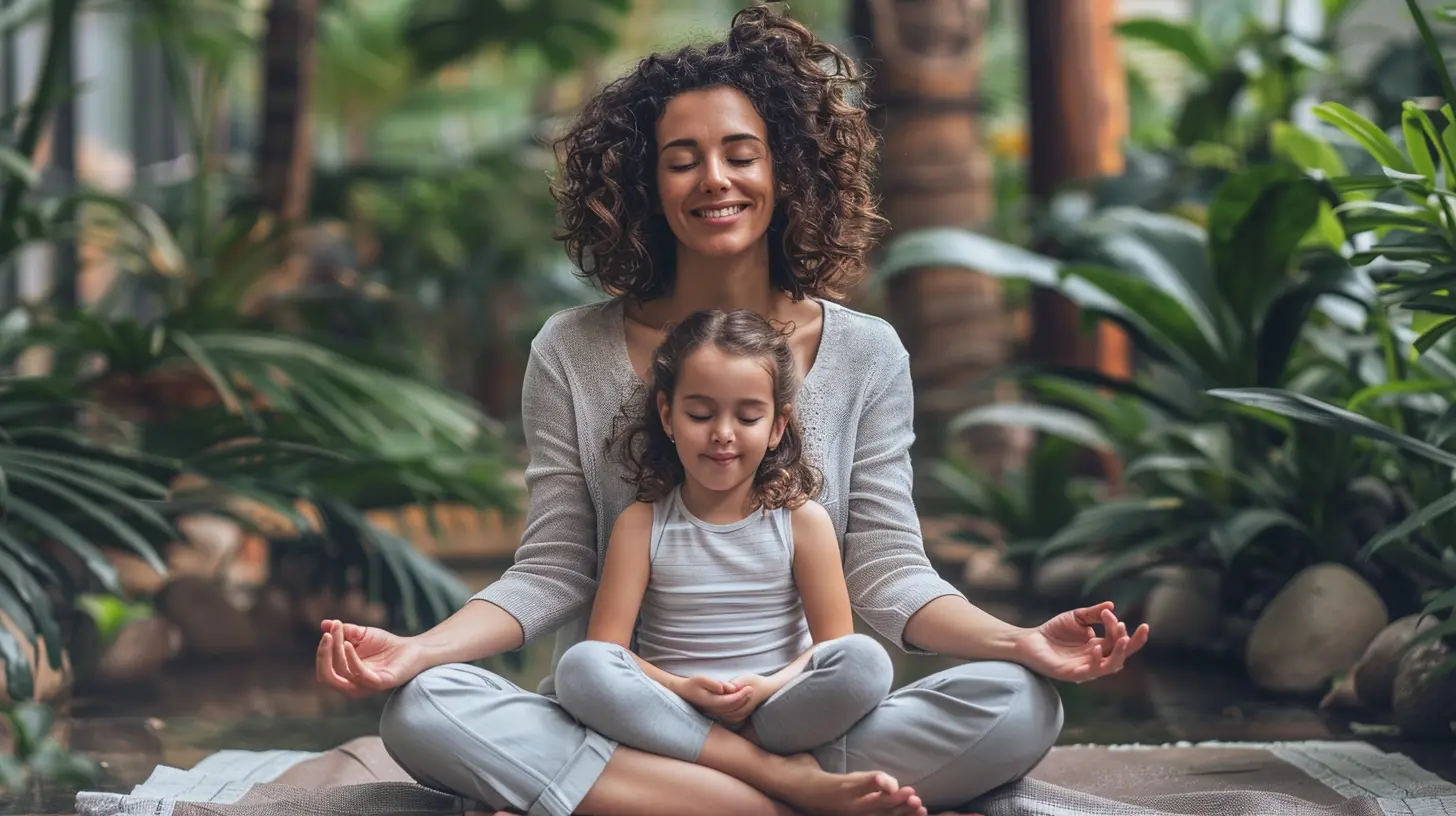
Benefits of Breathing Techniques for Parents (Yes, That Means You)
Before we get to the kiddos, let’s talk about how intentional breathing helps you.1. Helps You Stay Cool in the Heat of the Moment
When bedtime turns into a battle or your toddler is channeling their inner banshee, a few deep breaths can keep you grounded. Instead of reacting out of anger, you respond with patience.2. Reduces Anxiety and Mental Overload
Parenting is a mental marathon. Practicing mindful breathing lowers your stress levels, clears brain fog, and helps you feel more in control.3. Improves Your Sleep (Seriously)
Tough day with the kids? Breathing exercises before bed can signal your body to relax, making it easier to fall—and stay—asleep.4. Strengthens Your Bond with Your Child
When you use breathing techniques together, you’re co-regulating. You're saying, “We’re in this together.” It's a quiet form of emotional support and connection.
Benefits for Kids (Even the Tiny Tornadoes)
Kids may not understand stress like adults do, but they feel it. From separation anxiety to a scraped knee, their little worlds get shaken up easily. Breathing can help them find their center.1. Teaches Self-Regulation
When kids learn how to control their breath, they learn how to manage their emotions. That’s a big deal.2. Supports Emotional Intelligence
Breathing helps kids pause, reflect, and name their feelings. That’s the first step toward greater emotional awareness.3. Eases Anxiety and Improves Focus
Whether they’re nervous about school or can’t sit still, a few simple breaths can help them refocus and find calm.4. Helps with Tantrums (Yep, Really)
Next time your toddler is on the floor screaming because their banana broke in half, try breathing with them. You may not stop the tantrum in its tracks, but you’ll both move through it faster and less dramatically.Easy Breathing Techniques for You and Your Child
Okay, let’s get to the good stuff. Here are some simple, super kid-friendly breathing exercises you can start using today.1. Box Breathing (For Ages 6+ and Adults)
This one’s great for school-aged kids and grown-ups alike.- Breathe in for 4 seconds
- Hold your breath for 4 seconds
- Exhale for 4 seconds
- Hold again for 4 seconds
Repeat 4 times
Tip: Picture a box—each side represents part of the breath. Visuals help!
2. Belly Breathing (Also Known as Diaphragmatic Breathing)
Perfect for younger kids.- Have your child lie down and place a stuffed animal on their belly
- Ask them to breathe in and make the animal rise
- Breathe out and watch it fall
This makes it a fun, visual game—and they don’t even realize it’s calming them down.
3. Flower and Candle Breath
This one’s adorable and effective for toddlers and preschoolers.- Pretend to smell a flower (inhale through the nose)
- Pretend to blow out a candle (exhale through the mouth)
Repeat 3–5 times
You can even add props for more fun!
4. Five-Finger Breathing
This technique involves tracing one hand with the other.- As they trace up a finger, breathe in
- As they trace down, breathe out
It’s a great tactile and visual method, especially for fidgety kiddos.
5. Rainbow Breaths
- Imagine a rainbow in front of you- With each breath in, picture a different color
- Breathe out slowly as the color fades
This method engages the imagination and creativity, making deep breathing more engaging.
When to Use Breathing Techniques
Honestly? Anytime. But here are a few moments when they can be especially helpful:- Before school drop-off (hello, separation anxiety)
- After a meltdown (yours or theirs)
- During transitions like bedtime or leaving the park
- Before a big test or social situation
- Right before bedtime—helps everyone wind down
Make it a part of your daily routines. The more you practice together, the more natural it becomes.
Creating a Breathing Habit at Home
If you want this to stick, consistency is key. Try weaving breathing into everyday moments.- Add it to your morning routine
- Do a “calm down” minute before dinner
- Use it as a bedtime ritual
- Lead by example—when you’re overwhelmed, say out loud, “I’m going to take a few calm breaths.”
Kids mirror us. When they see you doing it, they’ll follow suit.
Make It Fun and Relatable
Let’s face it—kids aren’t always into “calm time.” So make it playful!- Use apps or YouTube videos with guided breathing for kids
- Create a “calm kit” with a glitter jar, pinwheel, or breathing cards
- Try a breathing buddy (a stuffed animal that “breathes” with them)
The point is: don’t make it a chore. Make it a tool. A skill. A quiet little superpower.
Common Questions Parents Ask
“What if my child won’t sit still?”
Totally normal. Start small—just 10 seconds of breathing at a time. Use movement (like tracing fingers) or make it a game. They don’t need to sit still to benefit.“How young can I start?”
Right away! Even babies benefit from skin-to-skin contact while parents use calm breathing. Toddlers can follow simple visuals and mimic your actions.“I try this, but it doesn't always work.”
Yep, that happens. Especially at first. The key is to practice when everyone is calm, so it becomes easier to do when emotions run high. Think of it like flexing a mental muscle.Final Thoughts: Breathing Together is Bonding Together
Sure, your child may not thank you now for teaching them to breathe intentionally—but future-you (and future-them) will be so grateful. Think of it as giving your child a pause button for life. A way to handle the big feelings when they come roaring in.And for you? It’s a reminder that amidst the noise, the mess, and the never-ending to-do list, your breath is always there to bring you back to the present. No apps, no gadgets—just you, your breath, and your child, finding calm together.
Next time the chaos kicks in, pause. Inhale. Exhale. Repeat.
You’ve got this.
all images in this post were generated using AI tools
Category:
Mindful ParentingAuthor:

Max Shaffer
Discussion
rate this article
2 comments
Jamie Torres
Thank you for sharing these valuable tips. Breathing techniques can truly make a difference for both parents and children during tough moments.
July 3, 2026 at 4:49 AM
Max Shaffer
You're welcome! I'm glad you found the tips helpful. Breathing can really transform those tough moments.
Elin McCarthy
I loved this article! It's so comforting to know that simple breathing techniques can make a difference for both parents and kids. Taking a moment to pause and breathe together not only calms nerves but also strengthens connections. Looking forward to trying these tips with my little ones. Thank you!
June 11, 2026 at 4:53 AM
Max Shaffer
Thank you for your kind words! I'm glad you found the article helpful. Enjoy trying the techniques with your kids!