Helping Your Kids Appreciate What They Have Without Encouraging Materialism
28 June 2026
Raising kids in today’s world is nothing like it used to be. With digital devices around every corner, ads popping up faster than we can blink, and social media screaming “more, more, more!” it’s easy for kids to fall into the trap of thinking happiness comes from stuff. As parents, guiding our children to truly value what they have, without turning their attention to material things, is a big challenge—but not impossible.
So how do you teach gratitude in a world full of impulse buys and shiny new toys? How do you help your kids appreciate life, love, and experiences without making them feel deprived or “uncool”? Grab a coffee and settle in—because that’s exactly what we’re diving into.

Why Materialism Sneaks Into Childhood
Let’s take a step back. What’s with the obsession kids have with the latest gadgets and brand-name gear? Blame it on advertising, peer pressure, or just plain curiosity. Kids are naturally influenced by what they see and hear. If their friends have the newest iPad or light-up sneakers, guess what’s going to be on their wish list?But it’s not just about the stuff. It’s about what the stuff seems to represent—popularity, happiness, even love (yikes!). And when we as adults inadvertently reinforce that mindset by rewarding good behavior with toys or praising someone’s new gadgets, it only digs the hole deeper.
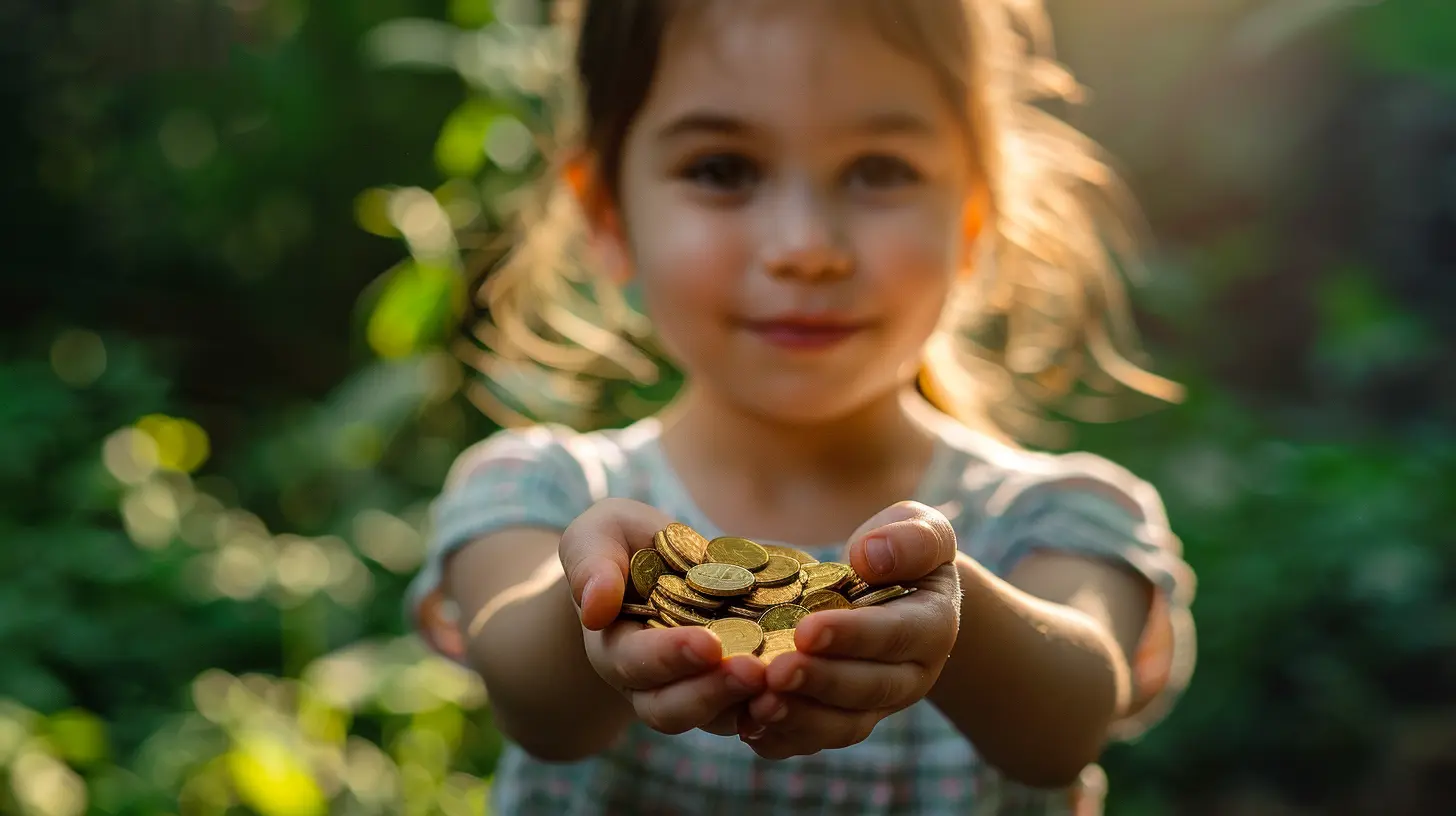
The Real Danger of Materialism
Materialism isn't just about "liking stuff." It can creep into deeper emotional spaces. Kids who focus too much on material possessions often struggle with self-worth tied to what they own, not who they are. They may become less generous, less empathetic, and more anxious or dissatisfied.Let’s face it: A child who always needs the “next best thing” rarely feels content. And that’s a stressful way to live—for them and for us.
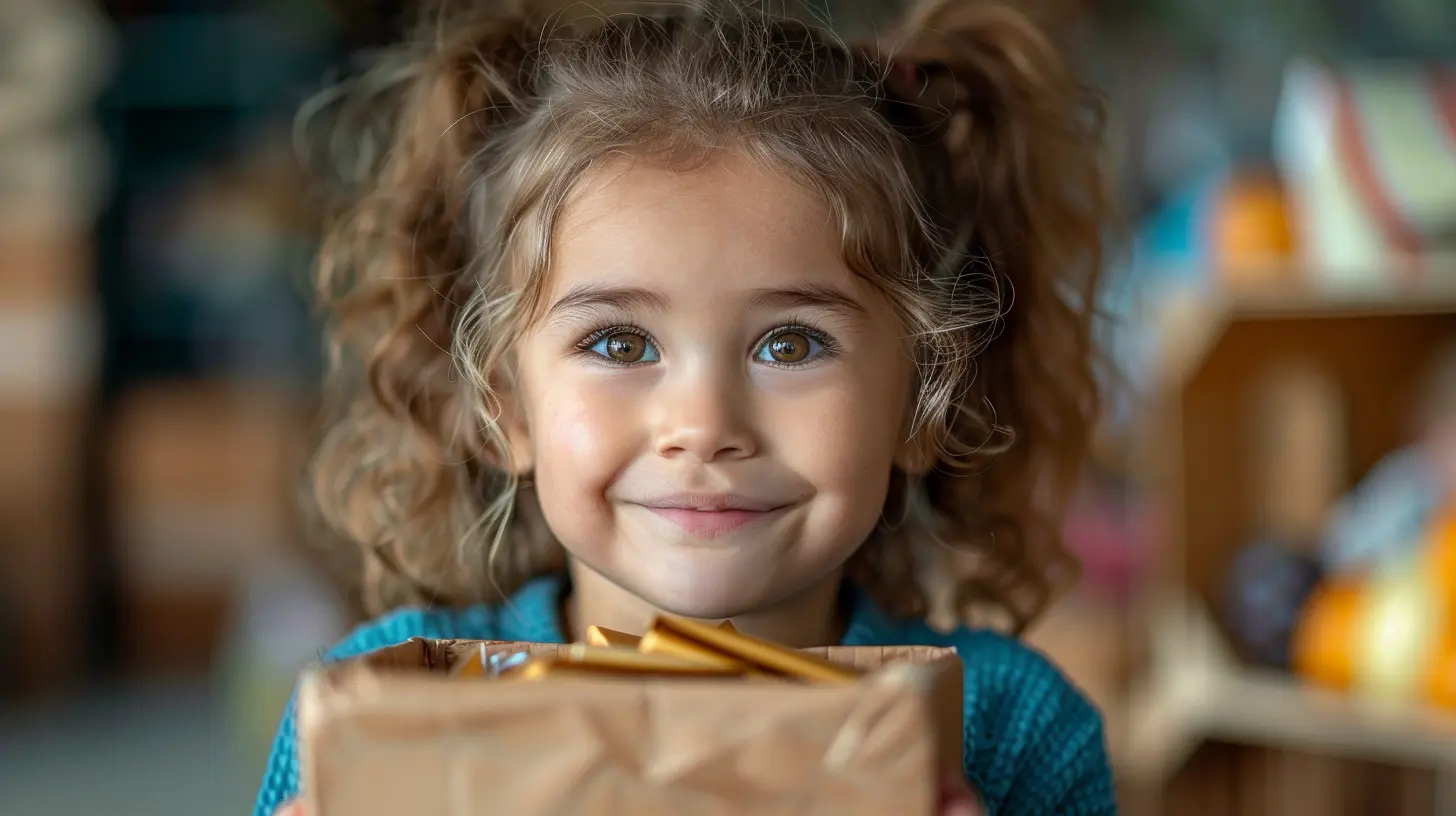
Raising Grateful, Grounded Kids in a World Full of Wants
So, how do we combat this? How do we raise thoughtful, grateful children who value what they have without idolizing “more?” Here’s the good news: You don’t need to go off-grid or toss all the toys. Small, intentional parenting choices can steer your kids away from materialism and toward appreciation.1. Lead by Example (Seriously, They’re Watching)
The ultimate truth? Kids absorb what they see. If they notice you constantly scrolling through shopping apps, complaining about your car being “too old,” or buying unnecessary things just because they’re trendy, they’ll follow suit.Flip the script by showing excitement over simple joys—a walk in the park, a home-cooked meal, or a cozy family movie night. Talk openly about the things you're grateful for that aren't things. Sometimes all it takes is a heartfelt, “I’m just so thankful we’re all together tonight,” to plant that seed.
2. Stop Using Stuff as a Reward
It’s easy to say, “If you clean your room, you’ll get a new toy.” But this sets a pattern, one that teaches kids that every good deed gets a material prize. Over time, they’ll do the right thing only for the reward, not because it’s the right thing to do.Instead, reward good behavior with experiences or praise. Turn chore time into a fun family dance session or celebrate accomplishments with a picnic, a heartfelt note, or an extra bedtime story. Let them feel the intrinsic rewards of their actions.
3. Normalize Saying "No" (With Love)
We all hate seeing that disappointed face when we say no to yet another toy. But saying no—with kindness and consistency—is a powerful lesson. Kids don’t need every toy at the store or every game their friends have.Here’s where it helps to explain your reasoning: “We’re not buying another toy today because we already have so many we love at home.” Or even better: “Let’s save that money for an adventure we can do together.” The more we help them understand the “why,” the less they feel like they’re missing out.
4. Encourage Gratitude Daily
Gratitude isn’t an automatic feeling—it’s a practice. One of the best ways to teach your kids appreciation is to make it a regular part of their day. Try these:- Gratitude Jar: Keep a jar in the house where family members can add notes about something they’re grateful for.
- Dinner Table Ritual: Each night, go around the table and share one good thing from the day.
- Bedtime Reflection: Ask, “What made you smile today?”
It’s those little moments of reflection that add up, shift attitudes, and build habits.
5. Focus on Experiences Over Things
Want to make memories that actually stick? Choose experiences over physical gifts whenever you can. A trip to the zoo, a baking day at home, or even a backyard campout will leave a much deeper imprint than the latest plastic toy.Let your kids be part of planning the fun too. Ask questions like, “What would be a fun way to spend our Saturday together?” This not only builds excitement but strengthens family bonds.
6. Talk About Needs vs. Wants
It may sound basic, but many kids really don’t understand the difference between what they want and what they need. Make this part of your everyday conversations.At the grocery store, point out the essentials versus treats. When shopping for clothes, explain why you’re choosing one item over another. Use phrases like, “We need this for school, but this one is a fun extra.”
Over time, kids start to internalize that not every desire is urgent—or necessary.
7. Volunteer and Give Together
Helping others is one of the fastest ways to appreciate what you have. Whether it’s volunteering at a food bank, donating old toys, or writing cards for hospital patients, let your kids see the impact of giving.Make it a family activity. Talk about how helping others makes us feel, and how fortunate we are to be in a position to give. It plants the idea that happiness comes from connection and kindness—not consumption.
8. Help Them Earn What They Want
Let’s say your child really wants that new toy or video game. Instead of giving in, help them work toward it.Maybe they do extra chores, help a neighbor, or save allowance money over time. Watching their savings grow and finally reaching that goal teaches patience, pride, and the real value of money. It turns “gimme now” into “I worked hard for this.”
9. Limit Screen Time and Ads
Ever noticed how kids suddenly want something they just saw on TV or YouTube? Yeah, that’s no accident. Marketing to kids is powerful—and constant.Reduce exposure by swapping out commercial-heavy shows with ad-free platforms, or better yet, opt for play-based activities instead of screen time. When your kids do see ads, talk about them. Ask, “What do you think they’re trying to sell?” and “Do you really think that would make you happy?” Help them become critical thinkers, not blind consumers.
10. Teach Mindfulness and Emotional Awareness
Sometimes, kids want stuff because they’re bored, sad, or anxious. Sound familiar? (I mean, adults do this too—hello, online shopping impulse buys.)Help your kids check in with their emotions. When they say they want something new, ask, “Are you feeling upset or just bored?” Create space for them to process feelings in healthy ways—journaling, drawing, movement—so they don’t turn to stuff for comfort.

Final Thoughts: Raising Kids With Full Hearts, Not Full Carts
Parenting isn’t about raising perfect kids who never ask for toys or crave cool stuff. It’s about guiding them to understand that life’s richest treasures often can’t be bought. Teaching appreciation over accumulation takes time, patience, and heart—but it’s worth it.When you focus on connection, gratitude, and meaningful experiences, you’re filling your child’s emotional bank account. And that stays with them long after the toy box is empty.
So the next time your little one begs for the latest gadget, pause, take a breath, and remember—we’re not just shaping shopping habits, we’re shaping values. Values that last a lifetime.
all images in this post were generated using AI tools
Category:
Teaching GratitudeAuthor:

Max Shaffer
Discussion
rate this article
2 comments
Sybil McMurtry
Fostering gratitude in our kids creates a sense of contentment that far outweighs any material possession. It's a beautiful journey.
August 20, 2026 at 3:02 AM
Owyn Cantu
This article offers valuable insights on nurturing gratitude in our kids. It's a much-needed reminder to focus on experiences over things. Thank you for sharing!
June 28, 2026 at 2:58 PM
Max Shaffer
I'm glad you found it valuable! Nurturing gratitude is so important. Thank you for your kind words!