Helping Siblings Build Mutual Respect and Trust
6 February 2026
Sibling relationships: They can be the sweetest hugs or the fiercest wrestling matches. One minute they’re besties, the next, they’re arguing over the last cookie like it’s a life-or-death situation. But here’s the thing—helping siblings build mutual respect and trust isn’t just about breaking up fights. It’s about laying the foundation for a lifelong bond.
So, if you're tired of playing referee in the never-ending sibling face-off, buckle up! We’re diving into real, practical ways to foster respect, trust, and (dare we say) love between your little (or not-so-little) ones.
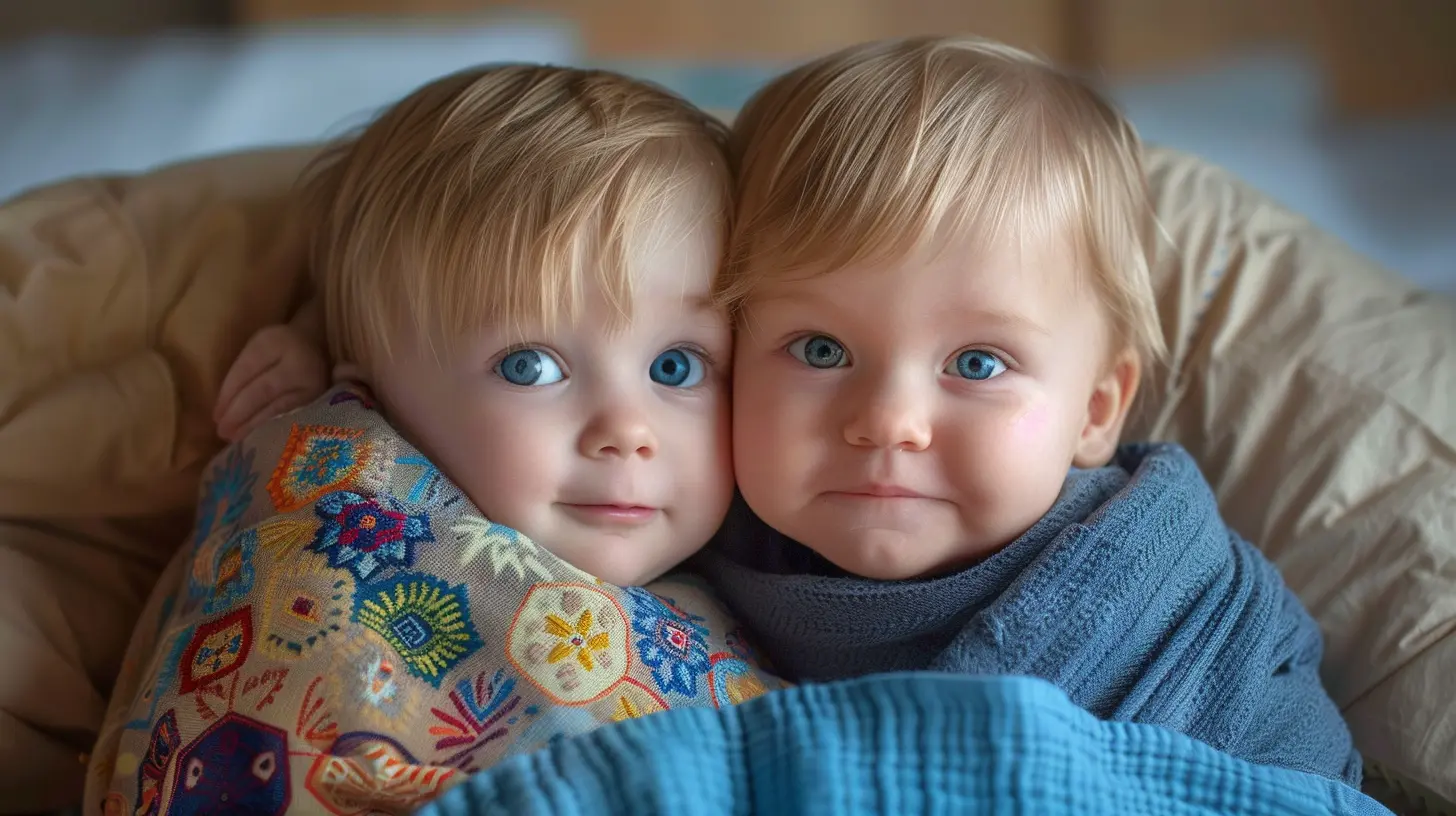
Why Sibling Relationships Matter More Than You Think
Before we get into the nitty-gritty, let’s talk about why this even matters. Siblings are the first friends (or frenemies) kids have. These relationships teach them how to communicate, share, and—most importantly—resolve conflicts. And let’s face it, life is filled with annoying coworkers, difficult neighbors, and frustrating moments. Good sibling relationships help prepare kids for those challenges.When siblings respect and trust each other, they’re more likely to have:
✅ Stronger emotional intelligence
✅ Better conflict-resolution skills
✅ A lifelong support system (because friends come and go, but family is forever!)
Now that we've established why this is important, let’s get into how to make it happen. 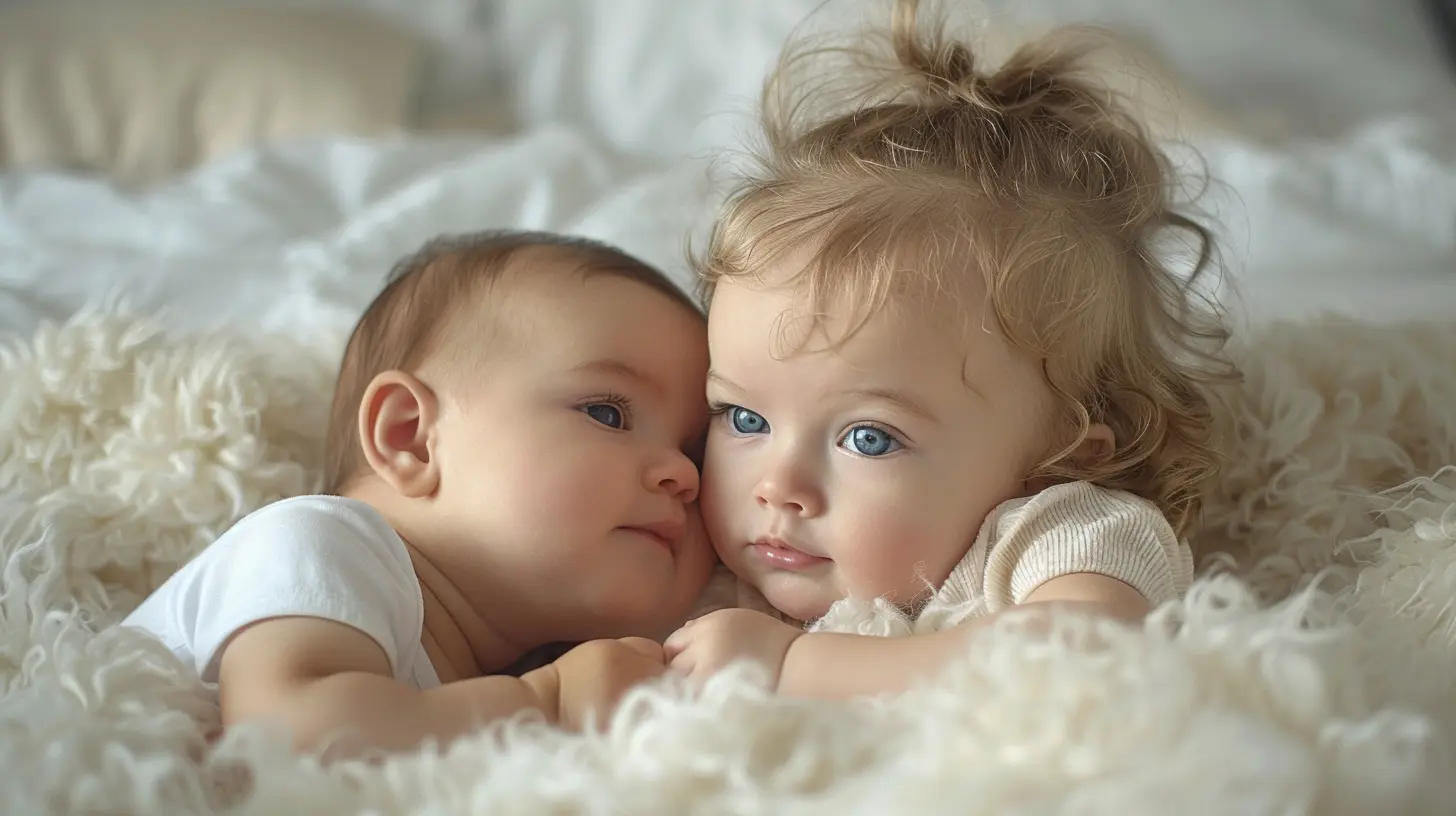
1. Set the Tone as a Parent
Kids are like sponges—they soak up everything they see and hear. If you want your children to treat each other with respect, start by modeling that behavior yourself.- Do you listen to your kids when they speak?
- Do you treat them with respect, even when they’re driving you up the wall?
- Do you apologize when you mess up?
Your actions shape their reactions. So, before you expect them to be kind and respectful, make sure you're leading by example. 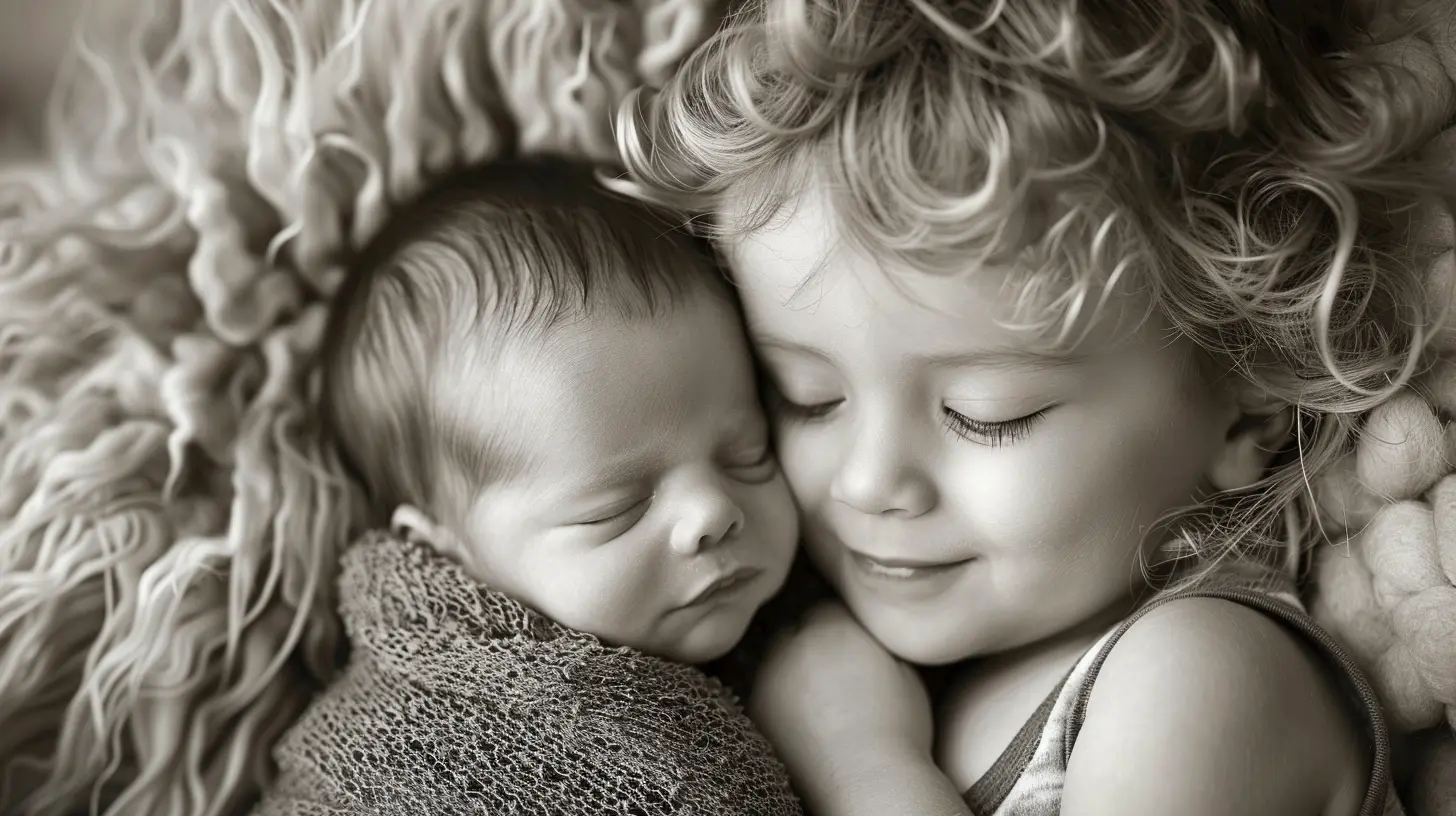
2. Don't Play the Comparison Game
"Why can’t you be more like your sister?" Sound familiar? Comparison is the fastest way to plant resentment between siblings. No one likes being measured against someone else—especially a brother or sister.Instead, celebrate each child’s individuality. Praise their strengths without making it feel like a competition. Instead of saying, “Your brother is so good at math, why can’t you be like him?” try, “You have such a creative mind—it’s so fun to see what you come up with!”
When kids feel valued for who they are, they’re more likely to respect and appreciate their siblings for their unique qualities too. 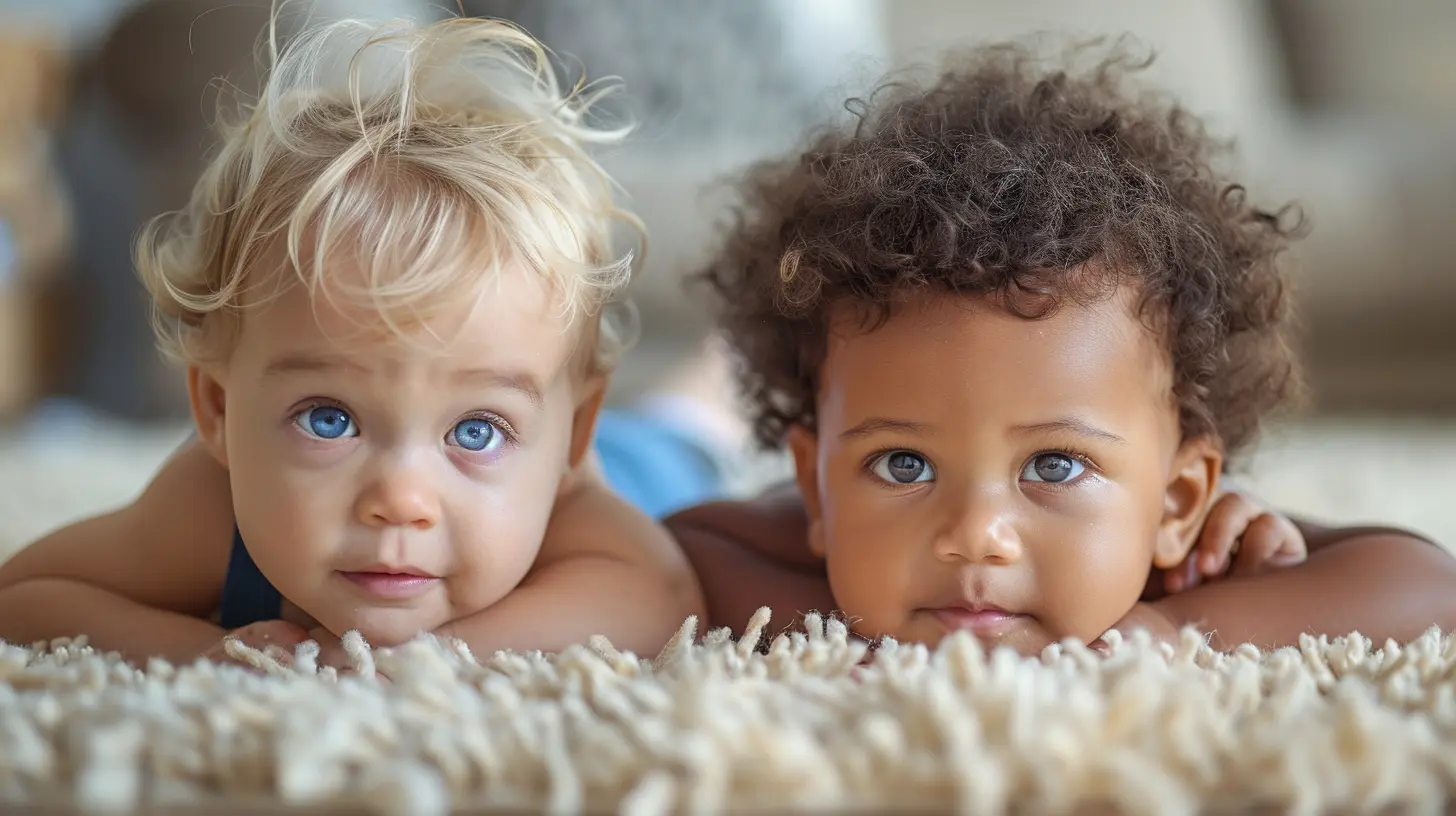
3. Teach Them Conflict Resolution (Without You Acting as Judge and Jury)
Let’s be real—sibling fights are inevitable. But how they handle those fights? That’s where the magic happens.Instead of swooping in to solve every disagreement, teach them how to work through conflicts themselves. Here’s a simple process:
1. Take a breather – If things get heated, separate for a few minutes.
2. Talk it out – Each child takes turns expressing how they feel (without interruptions!).
3. Find a solution together – Guide them toward a compromise that feels fair to both.
Not only does this help build respect, but it also teaches problem-solving skills they’ll use for life.
4. Encourage Teamwork (AKA The Sneaky Way to Bond Them)
Want to create an unbreakable sibling bond? Give them something to tackle together.Here are some easy ways to do this:
- Chores – “Team up to clean the kitchen, and you both get extra screen time.”
- Projects – “Work together to build the tallest LEGO tower.”
- Challenges – “Let’s see if you can make dinner together without arguing!”
When siblings rely on each other to achieve a goal, trust naturally develops. Plus, they start to see each other as allies, not rivals.
5. Set Boundaries and Enforce Them Fairly
Respect starts with understanding boundaries. Teach your kids that it’s okay to say “no” when they don’t want to share a toy or need alone time. Personal space matters!Make sure they understand that:
✔ Borrowing without asking isn't cool.
✔ Respecting privacy is important (yes, even siblings need locked doors sometimes).
✔ Physical aggression is never an option.
And here’s the kicker—rules need to apply to everyone equally. If one child feels like they’re treated unfairly, resentment builds, and respect flies out the window.
6. Create Family Rituals That Build Connection
The more happy memories siblings share, the closer they’ll be. Create traditions that bring them together, like:🎬 Weekly movie nights
🍪 Baking cookies as a team
🚴♂️ Family bike rides
🎮 Sibling-only game nights
These moments create positive associations, reinforcing that family time is something to enjoy—not just tolerate.
7. Let Them Have Their Own Friendships and Interests
As tempting as it is to make them share everything, siblings aren’t meant to be clones.Give them space to have their own:
- Friendships – They don’t have to play with the same kids all the time.
- Hobbies – Just because one loves sports doesn’t mean the other has to.
- Personal time – Encourage solo activities so they appreciate their differences.
When they feel secure in their individuality, they’re more likely to respect each other’s differences instead of seeing them as competition.
8. Praise Positive Interactions (Because What You Focus on Grows)
Caught them sharing a snack? Helping each other with homework? Having a heart-to-heart about their favorite video game? Praise it!Instead of only stepping in when there’s an issue, acknowledge and reinforce the good stuff. Try saying:
💬 “I love how you guys solved that problem together!”
💬 “That was really kind of you to help your sister just now.”
💬 “Wow! I can tell you two are becoming a great team.”
When kids realize that kindness earns just as much attention as drama, they’ll start making it a habit.
9. Allow Them to Have Disagreements—Without Forcing an Immediate Fix
Not every disagreement needs a resolution right away. Sometimes, siblings just need space to be mad.Instead of forcing an apology the second an argument happens, let emotions settle. Encourage reflection, and when they’re ready, they can revisit it naturally.
This teaches that respect doesn’t mean always agreeing—it means handling differences in a healthy way.
10. Be Patient (Rome Wasn’t Built in a Day, and Neither is Sibling Respect)
Let’s be honest: No matter how many strategies you use, sibling relationships will have ups and downs. And that’s okay!Respect and trust aren't built overnight. Consistency is key. Keep reinforcing positive interactions, guiding conflict resolution, and modeling respectful behavior. Over time, those little moments add up.
And before you know it? Your kids might just become the lifelong allies you always hoped for.
Final Thoughts
Helping siblings build mutual respect and trust isn’t about enforcing peace 24/7—it’s about giving them the skills to navigate their relationship on their own. From conflict resolution to teamwork, empathy, and boundaries, these lessons will shape how they interact not just with each other, but with the world.So, while they may still argue over the last slice of pizza, the foundation you’re laying today will help them have each other’s backs for life. And really, isn’t that the ultimate goal?
all images in this post were generated using AI tools
Category:
Sibling BondingAuthor:

Max Shaffer
Discussion
rate this article
2 comments
Isadora McCaffrey
Teaching siblings respect is like herding cats—funny, chaotic, and occasionally requiring snack bribes. Good luck, brave parents!
February 11, 2026 at 5:25 AM
Max Shaffer
Thanks for the laugh! Sibling dynamics can be tricky, but a sprinkle of patience and creativity (plus snacks!) can truly help foster that respect.
Raelyn Benson
What a wonderful read! Fostering mutual respect and trust among siblings is so crucial for their development and relationship. I loved your practical tips—especially the emphasis on open communication. It’s inspiring to see ways we can nurture these valuable bonds in our families!
February 6, 2026 at 6:05 AM
Max Shaffer
Thank you for your kind words! I'm glad you found the tips helpful for fostering strong sibling relationships. Open communication truly is key!