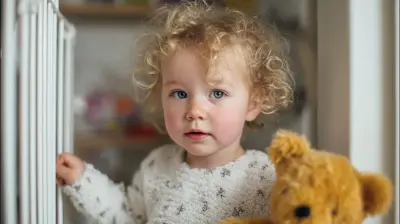
Gratitude as a Bedtime Ritual: Ending the Day on a Thankful Note
24 December 2025
Have you ever tucked your child into bed, kissed their forehead, and thought, _“I wish I could end every day feeling a little more grounded, a little more at peace”_? You’re not alone. In the whirlwind of parenthood—diapers, homework help, tantrums, late-night feedings—it’s all too easy to collapse into bed with a mental to-do list still buzzing like static in your head.
But what if we told you there’s a simple, almost magical bedtime ritual that can gently hush the noise, bring you and your child closer, and even help everyone sleep better? Enter the underestimated superpower: gratitude.
What’s So Special About Gratitude Anyway?
Gratitude isn’t just a feel-good Instagram quote or a Hallmark card sentiment. It’s a legit, science-backed mental shift that rewires the brain. When we take time—even a few minutes—to acknowledge what we’re thankful for, our brains respond with a cocktail of wellness. Think: lower stress levels, improved moods, and better sleep.Especially for kids, who are still developing emotion regulation skills, cultivating gratitude can enhance empathy, boost resilience, and even nurture optimism. And let’s be honest, who wouldn’t want to raise a happy little human who sees the glass half full?
Creating a Ritual vs. Checking a Box
Let’s clear something up: gratitude as a bedtime ritual isn’t about reciting a rehearsed script or rigidly forcing your child to say “thank you” before lights out. That’s not what we’re after.This is about creating a moment—a calm, sacred, safe space right before sleep where you pause, connect, and reflect. It’s like tucking in the heart, not just the body.
Think of it as a soft candle glow at the end of the day, not a spotlight.
Why Bedtime, Though?
You might be wondering, _“Why not practice gratitude during dinner or in the car ride to school?”_ Great question. And yes, you absolutely can (and should) express thankfulness anytime.But bedtime has a secret superpower: it’s when our defenses are down.
The world doesn’t need anything from us in that moment. It’s quiet, uninterrupted, and intimate. Plus, our brains are more reflective at night, naturally scanning the day’s events. So, sneaking in gratitude during this time takes advantage of our brain’s own memory-processing flow.
It’s like planting a little seed of joy right before the curtain closes on the day.
The Science Behind Gratitude and Sleep
Let’s nerd out for just a second.Studies have shown that people who intentionally reflect on things they’re grateful for before bed fall asleep faster and experience deeper sleep. According to a study published in Applied Psychology: Health and Well-Being, writing in a gratitude journal for just 15 minutes before bed helped participants worry less and sleep better.
Why? Gratitude shifts focus from stressors to positives, calming the nervous system and increasing serotonin and dopamine levels—those delightful "feel good" chemicals.
In short: gratitude is like a lullaby for your brain.
How to Create a Gratitude Bedtime Ritual (Without Making It Weird)
You don’t need fairy dust or yoga music (though if that’s your jam, go for it). All you need is a little intention and consistency.Here’s how to make gratitude a sweet ending each night:
1. Start with You, the Parent
Before inviting your kiddo into this practice, try it yourself. Say it out loud: _“Today, I’m really thankful for___.”_ It could be something big, like a job promotion, or something small, like hot coffee that actually stayed warm.Children model what they see. If you’re being authentic, they’ll pick it up naturally.
2. Use the Power of Storytelling
Instead of asking, _“What are you thankful for?”_ try:“What was the best part of your day?”
“What made you smile today?"
“Was there a kind moment you noticed?”
These aren’t interrogations. You’re opening a door, not conducting an interview.
3. Make It a Game (if Needed)
Younger kids thrive on fun. Turn gratitude into a fun bedtime game:- Gratitude ABCs: Take turns thinking of things you're grateful for starting with each letter.
- 3-2-1 Gratitude: 3 things you enjoyed today, 2 things you learned, 1 person you're thankful for.
Games make it feel like play, not a chore.
4. Lean Into the Senses
Encourage your child to remember what something tasted like, smelled like, or how it made them feel. Gratitude becomes more memorable when it’s sensory.Instead of just saying, _“I’m thankful for cookies,”_ try:
_“I’m thankful for those gooey, warm chocolate chip cookies we made together. They smelled so good, and they made my tummy happy.”_
See? Instant imagery. Instant connection.
5. Write It Down (Optional but Powerful)
A shared gratitude journal, or even a little notebook where you jot down one thankful thing per night, becomes a treasure over time. Imagine reading entries a year from now—you’re literally bottling joy for future you.And for kiddos who are learning to write, this becomes an added literacy boost.
The Ripple Effect: How Gratitude Transforms the Household
Here’s where the real magic happens: gratitude at night doesn’t just end the day well—it starts the next day better.You’re training your child (and yourself!) to look for the good. Over time, this becomes a mindset, not just a bedtime habit.
Suddenly, frustrations don’t feel as heavy. Grumpiness in the morning isn’t as sticky. You may even argue less. Why? Because your family is building a lens of appreciation—with each other and the world around you. And that’s no small feat in today’s fast-paced, digitally-distracted society.
Gratitude Rituals for Every Age Group
Toddlers (1–3 years)
Keep it visual and short. Use picture books about feelings, or simply model gratitude aloud:_"Mommy’s so thankful you gave me a hug today. That made me really happy!”_
Make it part of their bedtime snuggle time.
Preschoolers (3–5 years)
Kids at this age love routine. Try the same three prompts every night. Keep it playful:_"What was your favorite part of the day?”_
_"Who was kind to you today?”_
_"What made you laugh today?"_
School-Age Kids (6–10 years)
They can engage more thoughtfully. Try journaling together or making gratitude jars where you both drop notes in nightly.Bonus: Reading through them at the end of the month is like opening a treasure chest.
Tweens & Teens (11+ years)
They may roll their eyes at first. It’s cool—don’t bail. Keep it low-pressure and real.Share your own reflections. Invite, don’t demand. Sometimes, a simple: _“What are you grateful for today?”_ over a warm mug of tea hits deeper than you expect.
Let it grow at their pace.
Mistakes to Avoid (Yes, There Are a Few!)
- Don’t Force It – If a child doesn’t want to share one night, let it go. Gratitude should never feel like a chore.- Don’t Correct or Judge – If your child says they’re grateful for their video game or candy, that’s okay. It’s their truth. It doesn’t have to be deep.
- Don’t Make It Performative – Avoid using gratitude as a “teachable moment” about how lucky they are. This isn't the time for guilt or comparisons.
Infuse Gratitude into the Environment
Make your home a gratitude-friendly zone. Put up a gratitude board in the kitchen. Add a quote in your child’s room. Set up a jar for family members to drop thankful notes in throughout the week.Let it become part of your family culture—not just a bedtime one-off.
Even On Hard Days, Find A Spark
Let’s be real. Some days are just tough—full of tantrums, tears, and tests of patience. But even then, especially then, gratitude matters most.The spark might be tiny. Maybe it’s just: _“I’m thankful this day is over.”_ And hey, that counts.
It’s not about being relentlessly positive. It’s about finding one thing that reminds you there’s still light—even in the smallest corners.
Closing Thoughts: Turning Off the Lights With a Full Heart
Ending the day with gratitude is like closing a good book with a satisfied sigh. It doesn’t erase the messiness of the day, but it helps frame it with purpose. It reminds you and your child that amidst the chaos, there were silver linings—smiles, small victories, warm hugs.So tonight, before you switch off the lights, try whispering a grateful thought. Invite your little one to do the same. You might just find that sleep comes easier... and dreams feel a little sweeter.
all images in this post were generated using AI tools
Category:
Teaching GratitudeAuthor:

Max Shaffer
Discussion
rate this article
2 comments
Lanae McLaurin
As the night wraps its shadows around us, what secrets lie in the whispers of gratitude? Explore how a simple thank-you can unlock hidden dreams and weave magic into your child’s sleep.
January 9, 2026 at 3:45 PM
Max Shaffer
Thank you for your beautiful reflection! Gratitude indeed creates a serene atmosphere, encouraging our children to dream and fostering a sense of warmth and connection as they drift to sleep.
Faith McGrath
What a beautiful concept! Incorporating gratitude into bedtime routines fosters connection and positivity. Thank you for sharing this wonderful idea to end the day with love!
December 25, 2025 at 4:19 AM
Max Shaffer
Thank you for your kind words! I'm glad you found the concept meaningful.😊