Fostering Gratitude: Everyday Lessons for Young Minds
13 May 2026
Life has this beautiful way of slipping us tiny, golden moments that remind us how lucky we truly are. But let’s be honest: between the mess of toys on the floor, snack-time spills, and endless bedtime negotiations, it’s easy to lose sight of those moments. For kids, especially, gratitude doesn’t come naturally—it’s taught. It’s nurtured. It’s a little seed that needs our help to grow.
As parents, we’ve got this sacred job of shaping not just how our little ones see the world, but how they feel about it. Gratitude? Oh, it’s not just a polite “thank you.” It’s a state of being, a way of appreciating the extraordinary in the ordinary. So, let’s dig in—you and me—and talk about how we can teach our kids this life-changing attitude in ways that stick.
Why Gratitude Matters
Let’s face it: gratitude isn’t about being polite. It’s about rewiring the way we (and our kids) experience life. You’ve probably noticed that grateful people seem happier, right? That’s because gratitude isn’t just “being nice”; it’s a mindset.Here’s the thing: gratitude teaches kids to focus on what they have rather than what they lack. It’s like giving them a pair of magical glasses that reveal the beauty behind the mundane. Not only does this help them build stronger relationships, but according to science (hello, dopamine and serotonin!), it also leads to better mental health and resilience down the line. Who wouldn’t want that for their kiddo?
But here’s the kicker—kids aren’t born with this outlook. It’s a skill, like learning to tie shoelaces, and we, as their guides, are responsible for showing them the ropes. 
The Gratitude Foundation: Setting an Example
Kids are like sponges, aren’t they? They see, they listen, and they mimic. No pressure, but often, they learn gratitude by watching us. (Yikes, right?) So, how do we get better at this whole gratitude thing?1. Model Gratitude Every Day
Start small. Say “thank you” to your partner for making coffee. Notice aloud how beautiful the sunset looks. When your little one sees you appreciating even the tiniest things, they’ll start viewing the world through that same lens.2. Talk About Blessings, Not Just Challenges
When life throws its curveballs—and it will—try to balance the bad with the good. Instead of just grumbling about flat tires or a long day at work, slip in a positive note. “Ugh, today was hard, but I’m so grateful for the hug you gave me when I got home.” These moments stick.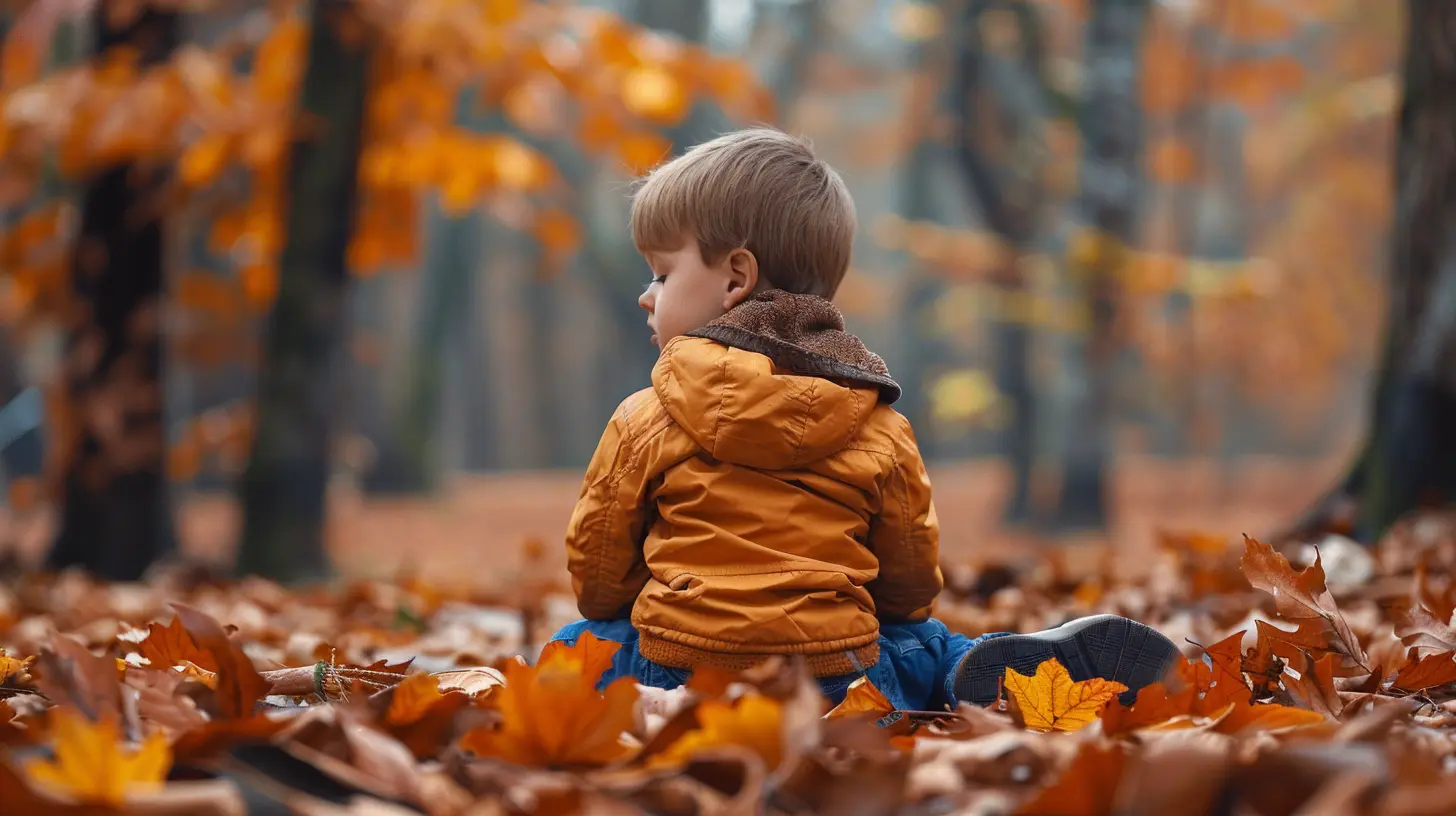
Everyday Lessons for Raising Grateful Humans
Teaching gratitude isn’t a one-off lesson. It’s not something you can check off a list like potty training. It’s more like a garden—it needs regular watering. So grab your metaphorical watering can, and let’s sprinkle some ideas into your routine.1. Make Gratitude a Daily Ritual
Ever considered gratitude journaling? I know, it sounds like a Pinterest-inspired dream, but hear me out—it works wonders, even for kids. Each night before bed, ask them, “What’s one thing you’re thankful for today?” It could be as simple as an ice cream cone or a hug from a friend.Not into journaling? No worries. Try a gratitude jar. Every week, drop in small notes of things you’re grateful for, and watch how it overflows like a jar of blessings.
2. Use Play to Teach Gratitude
Remember how kids learn best? Through play. So, skip the lectures and dig into gratitude games instead. Try something like “What If It Wasn’t There?” Take everyday items—like their favorite toy—and ask them how life would feel without it. It’s simple, interactive, and helps kids understand how much they already have.3. Involve Them in Acts of Kindness
Want your kid to truly understand gratitude? Get them involved in the giving process. Donate toys together. Bake cookies for a neighbor. Volunteer for a local charity. When they see how their actions can brighten someone else's day, gratitude comes alive for them.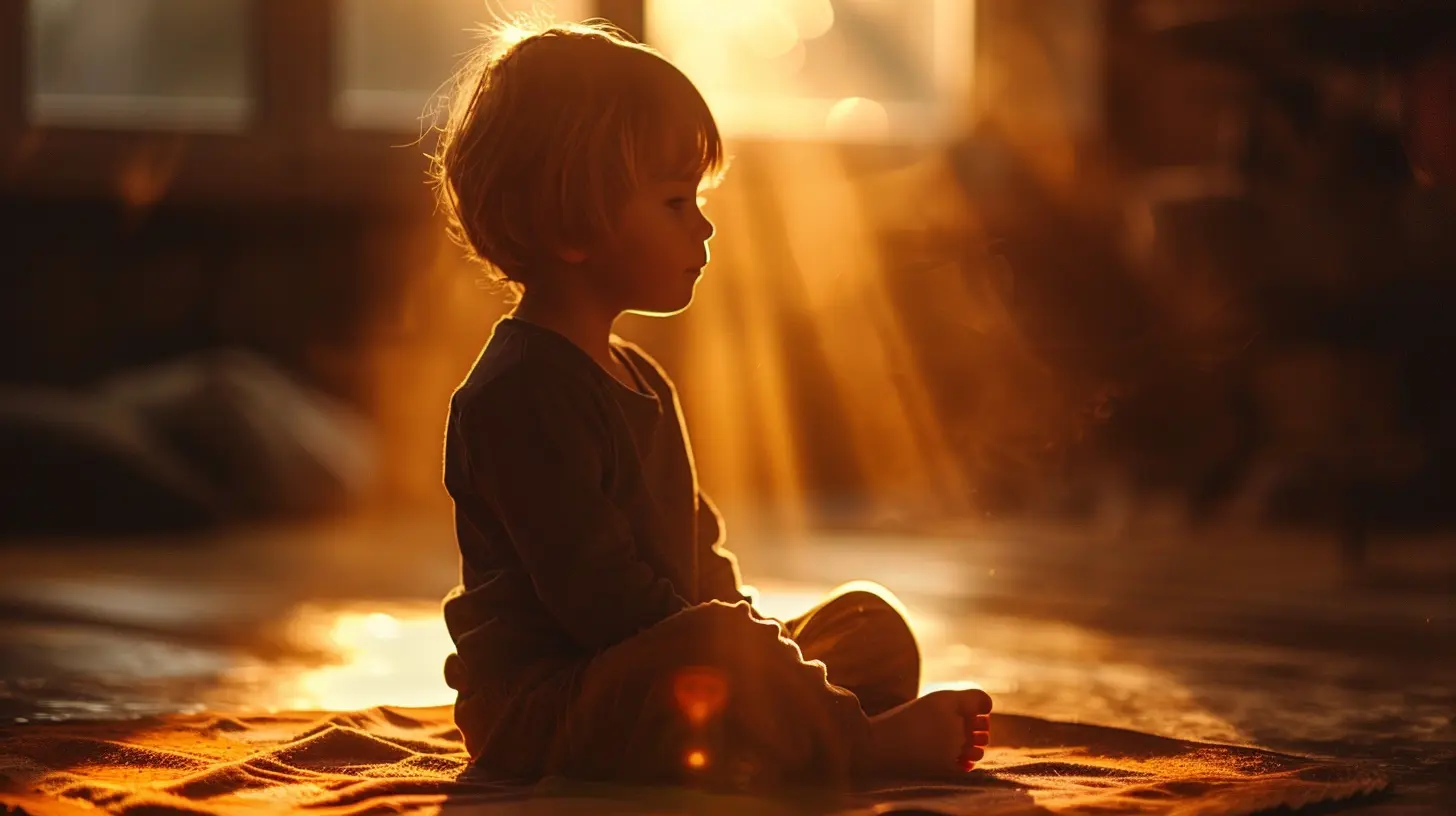
Celebrating the Little Things
Sometimes we get so caught up in the idea of teaching gratitude that we forget to celebrate the little moments. Gratitude isn’t just for the “big wins” like vacations or Christmas mornings. It’s in the everyday—the way the rain smells in the garden or how warm their favorite blanket feels.1. Pause and Appreciate Together
Next time you’re walking to the park, stop and say, “Wow, aren’t these flowers beautiful?” Highlighting these small wonders helps kids see that life’s magic doesn’t just live in big events—it’s everywhere.2. Make Thank-You Notes a Habit
Handwritten thank-you notes might seem old-fashioned, but they’re pure gold when it comes to teaching appreciation. Help your kids write one for Grandma after she gifts them a new book or even for their teacher at the end of the school year. The act of writing forces them to reflect on what they’ve received.3. Gratitude Over Materialism
Sometimes, kids (and let’s be real, adults too) equate “more stuff” with happiness. But here’s the truth: joy doesn’t come from a stuffed toy bin. Help your child realize that experiences and relationships (like a family game night or cuddling during storytime) are more valuable than the latest gadget.Gratitude as a Lifelong Journey
You won’t teach your child to be grateful overnight. And that’s okay. What matters is consistency. Keep at it, even when it feels like you’re repeating yourself, because guess what? Those lessons will stick. Think of it like planting a tree. You don’t get shade immediately, but years down the road, your efforts will bloom into something beautiful.The road to raising grateful kids is messy, imperfect, and full of trial and error. But isn’t parenting always that way? So, go easy on yourself. Remember that by fostering gratitude, you’re not just raising “polite” kids—you’re teaching them how to embrace life with open hearts and wide eyes. And really, isn’t that one of the best gifts we could possibly give them?
Tips for You (The Super Parent)
- Praise Effort, Not Just Outcome: When your child says “thank you” on their own, celebrate it like they just won Olympic gold.- Be Patient: Gratitude takes time to grow. It’s okay if some lessons don’t stick immediately.
- Lead by Example: Your actions speak louder than your words.
A Final Thought
Gratitude isn’t just about saying the magic words—it’s about feeling them deep in your bones. By nurturing this in your child, you’re giving them a lens through which they can see a brighter, kinder world. Parenting is hard, but raising a grateful child? That’s soul work. And the best part? It’s as rewarding for us as it is for them.So, let’s lace up those teaching shoes and start sowing the seeds of gratitude in our kids. After all, these little lessons today? They’ll shape the adults they’ll become tomorrow.
all images in this post were generated using AI tools
Category:
Teaching GratitudeAuthor:

Max Shaffer
Discussion
rate this article
2 comments
Jessica Perez
Gratitude sparks joy in kids!
May 26, 2026 at 2:48 PM
Max Shaffer
Absolutely! Encouraging gratitude can really brighten kids' outlook and experiences. It's a simple yet powerful tool for happiness.
Harrison Ortiz
Thank you for sharing these thoughtful insights. Teaching gratitude at an early age can truly shape our children's outlook on life.
May 13, 2026 at 3:07 AM
Max Shaffer
I'm glad you found the insights valuable! Teaching gratitude really does have a lasting impact on children.