Emergency Preparedness While Childproofing: What Parents Must Do
16 June 2026
Parenting is no walk in the park, and when it comes to childproofing your home, things can get downright overwhelming. If you’ve ever stepped on a Lego barefoot or wrestled a toddler away from a precariously stacked bookshelf, you know exactly what I mean. But what happens when an emergency strikes? Is your home ready not just to protect your little one from everyday hazards but also from the unexpected? Let’s dive into how to ace both childproofing and emergency preparedness, because — spoiler alert — they actually go hand in hand. 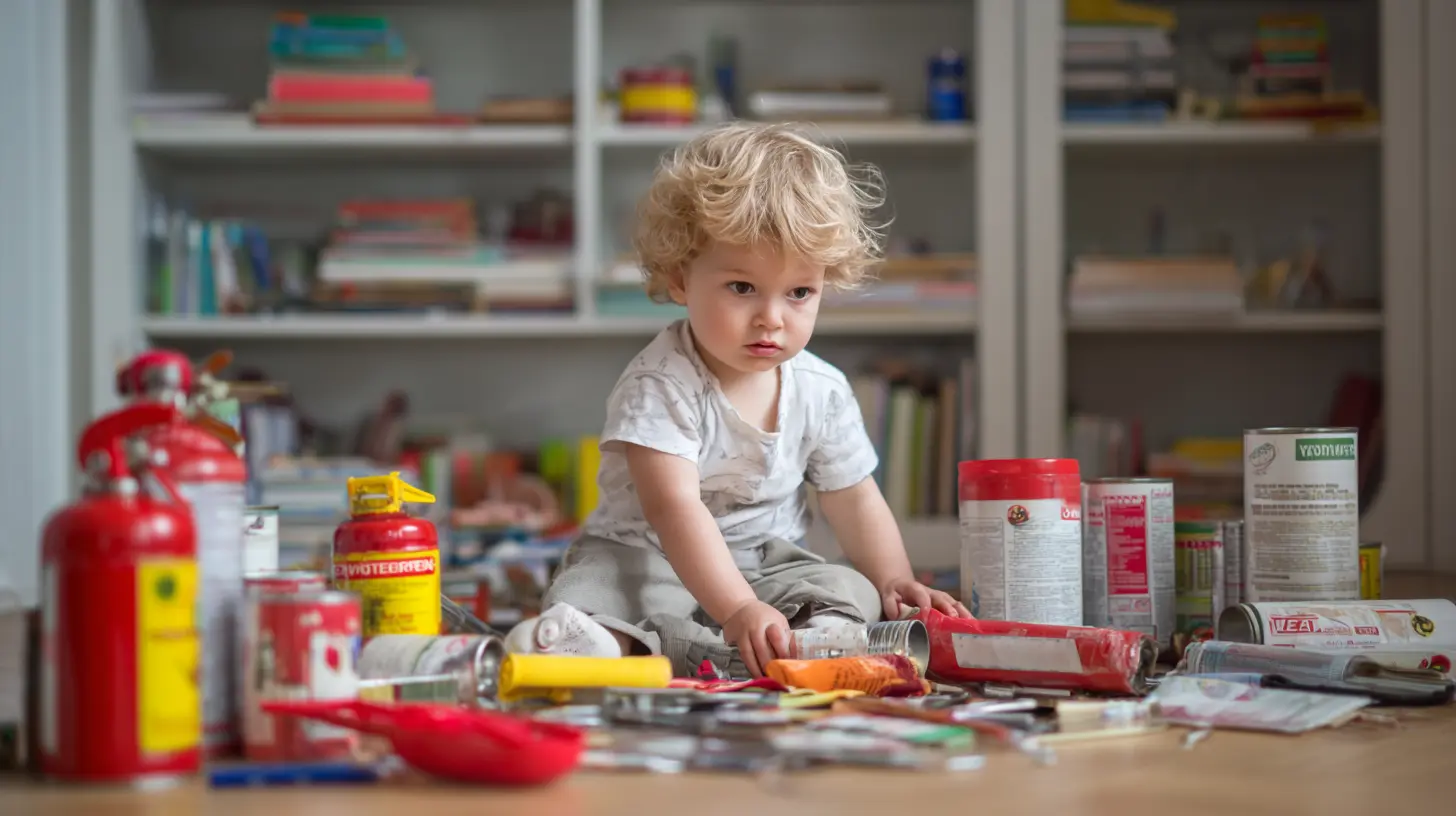
Why Childproofing Alone Isn’t Enough
Childproofing is the process of creating a safe environment where your child can roam freely without constantly courting danger. But here’s the kicker: most parents stop at outlet covers and baby gates. While those are critical, what happens if there’s an earthquake, fire, or even a power outage?Emergencies are unpredictable. You can’t bubble-wrap your whole house or place your toddler in an indestructible hamster ball (although the thought’s tempting). What you can do, though, is prepare for worst-case scenarios. And the best part? Emergency preparedness doesn’t have to be a standalone project; it can be woven right into your childproofing efforts. 
Step 1: Assess Your Home’s Hazards
Think about your home as a fortress. Sure, you’ve safeguarded against the daily battles (sharp corners, choking hazards, and slippery floors), but what about risks tied to natural disasters, fires, or other emergencies?Everyday Childproofing Meets Emergency Preparedness
- Furniture Safety: If you’ve anchored your bookshelves and dressers to prevent your toddler from scaling them, you’ve already taken a key step toward earthquake safety! Falling furniture is one of the top hazards during an earthquake.- Electrical Outlets: Those outlet covers? While keeping curious fingers out, they also prevent sparks during power surges in storms. Double win.
Want to take it a step further? Conduct a home hazard assessment. Get down on all fours (where your child spends most of their time) and look at the world from their perspective. Then, think about how those hazards might intensify in an emergency. 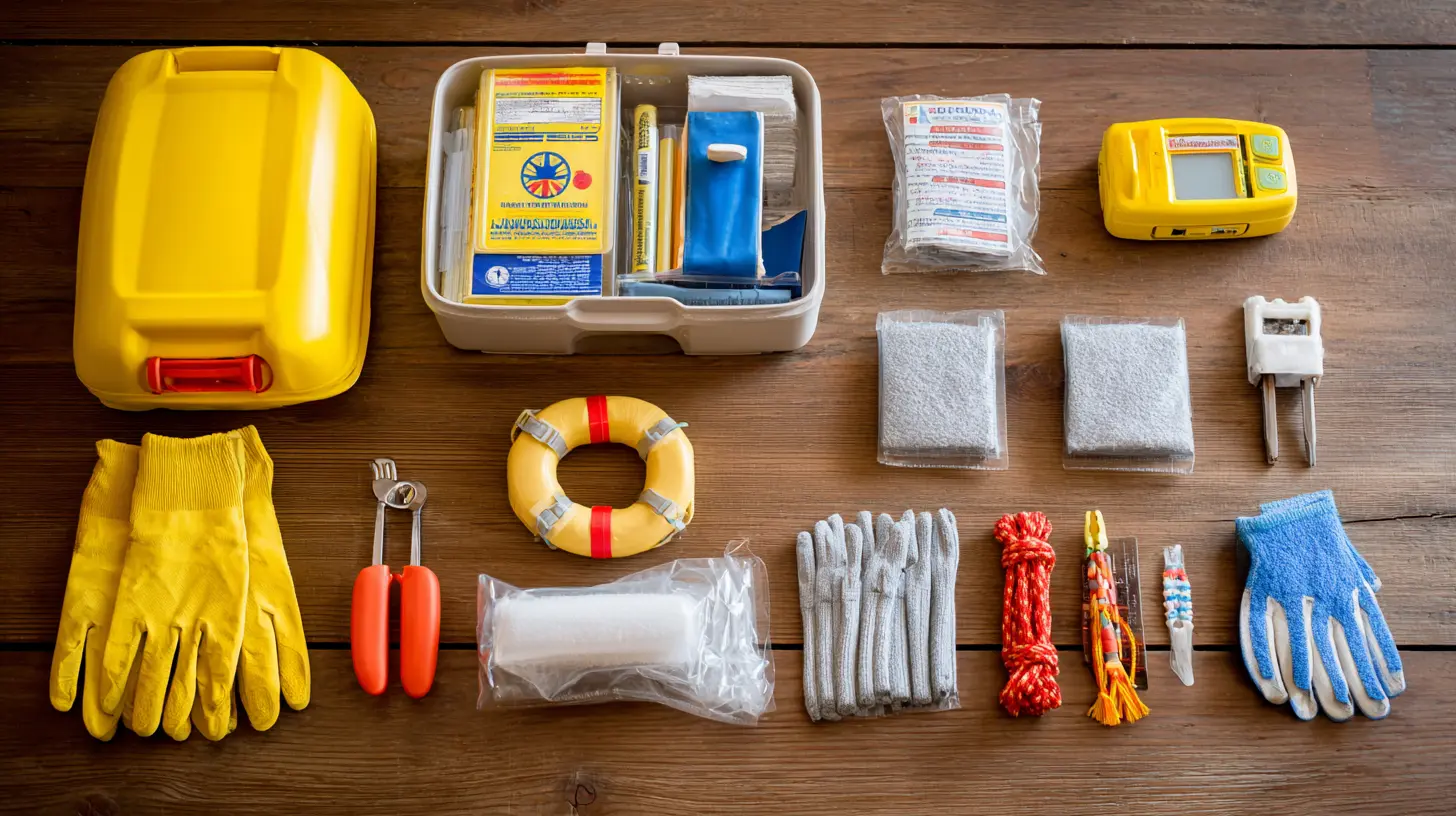
Step 2: Emergency Supplies for Your Little One
We’ve all seen those doomsday prepper lists — stockpiles of canned goods, flashlights, and batteries. But do they ever mention baby wipes or toddler-friendly snacks? Not so much. Preparing for emergencies when you have kids means customizing your supplies to meet their specific needs.Your Emergency Kit Should Include:
1. Diapers and Wipes: Enough to last at least 3-5 days. A diaper shortage during a disaster? No thanks.2. Formula and Bottles: If you’re bottle-feeding, pack pre-measured formula and extra bottles. Don’t forget a way to sanitize, like a portable UV sanitizer.
3. Snacks: Stash non-perishable, age-appropriate snacks like applesauce pouches, crackers, or baby food jars.
4. Comfort Items: Emergencies are unsettling for kids. Include a favorite blanket, stuffed toy, or pacifier.
5. Medication: Pain relievers, any prescriptions, and a basic baby first aid kit.
If your child has allergies or special needs, make sure your kit reflects that. Think about what would be a crisis if you ran out of it. A blanket? Sure. But running out of EpiPens? That’s a whole different story. 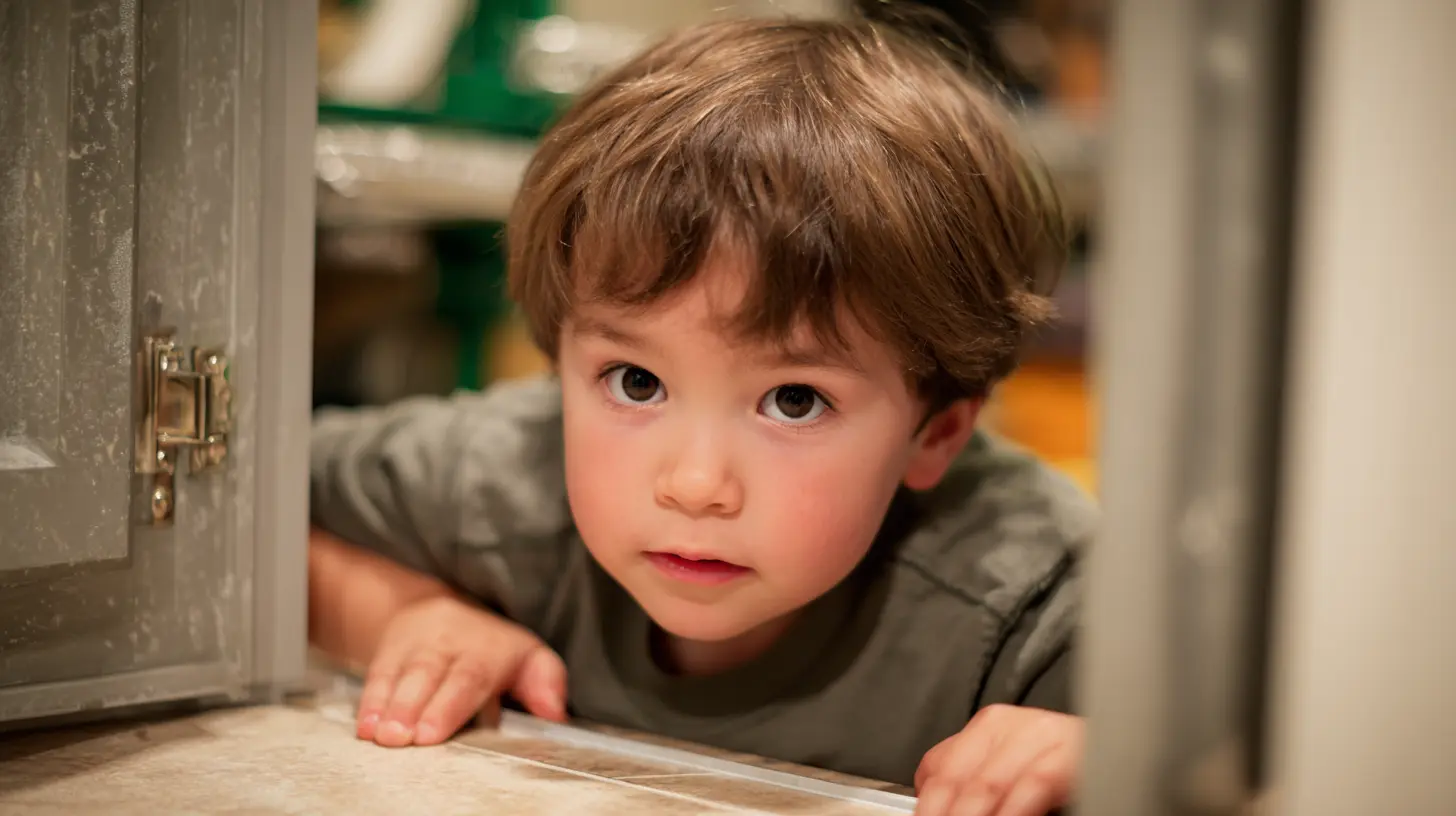
Step 3: Plan Your Evacuation Route
Let’s get real: kids are unpredictable. Trying to evacuate with a toddler during a crisis can feel like herding cats — cats who’ve just been startled by a vacuum cleaner. This is why a clear, rehearsed evacuation plan is worth its weight in gold.Make It Toddler-Friendly
- Have a “Go Bag”: Pack a lightweight backpack with diapers, snacks, and essentials for quick grab-and-go situations.- Babywearing Gear: Have a carrier or sling ready for infants and young children. This keeps them close while leaving your hands free.
- Practice Regularly: Turn it into a game where you practice “escaping” the house quickly and safely. Use simple language like “When we hear a loud beep, we go outside!”
Remember: in an emergency, your child will look to you for cues. Stay calm (even if you’re internally panicking), and stick to the plan.
Step 4: Childproof for Fire Safety
When we hear “childproofing,” most of us think about preventing bumps, bruises, and swallowed LEGO pieces. But fire safety should be a centerpiece of your planning.Fire Safety Tips for Parents
- Smoke Alarms, Period: Place them in every bedroom and hallway. Test them monthly. If “monthly” feels ambitious, set a reminder. (We all need reminders.)- Fire Extinguishers: Keep an extinguisher in the kitchen, where most house fires break out, and make sure you know how to use it.
- Fire Escape Plan: Teach kids what to do if there’s a fire. Of course, toddlers won’t memorize an escape route, but older kids can. Use simple phrases like, “Crawl under the smoke” or “Go to the safe meeting spot.”
Step 5: Secure Dangerous Items
This one might seem obvious, but it’s more important during an emergency than you realize. Think about what could become hazardous during chaos.Key Areas to Tackle
- Medicine Cabinet: Put all medications in childproof containers and keep them out of reach. During emergencies, kids might wander into previously off-limits areas.- Cleaning Supplies: Store cleaning products high up or in locked cabinets.
- Power Tools: If you’re a DIY enthusiast, ensure tools and sharp objects are locked away in the garage.
The goal? Prevent small, everyday risks from escalating in an already-stressful situation.
Step 6: Get Involved in Community Preparedness
Did you know that some communities offer child-focused emergency training for families? It’s true! Programs like this often include tips on caring for young children during disasters. Plus, knowing your neighbors’ plans can help you coordinate (and avoid any “every parent for themselves” situations).Step 7: Maintain and Update Regularly
Here’s the thing about parenting: your child changes every six months, turning your well-laid plans into a logistical mess. (Seriously, didn’t they JUST learn to walk? Now they’re unlocking doors?)The same applies to emergency preparedness. Regularly update your emergency kit and plans to reflect your child’s current needs. For example:
- Infants: Prioritize formula and diapers.
- Toddlers: Add comfort items and easy-to-eat snacks.
- Preschoolers: Teach them simple safety rules, like dialing 911 or staying close during an evacuation.
Final Thoughts
Childproofing is about creating a safe space for your little adventurer, but emergency preparedness takes it to the next level. It’s not just about keeping your kids safe when they’re learning to crawl or toddle their way into trouble; it’s about being ready for life’s curveballs.Parenting is already a juggling act, and yes, adding “emergency preparedness guru” to your resume might sound like overkill. But trust me, when you combine childproofing with emergency planning, you’re giving yourself some serious peace of mind — and that’s something every parent deserves.
all images in this post were generated using AI tools
Category:
ChildproofingAuthor:

Max Shaffer
Discussion
rate this article
2 comments
Damien Duke
Emergency preparedness should be a priority for every parent. While childproofing, consider potential hazards and have a plan in place. Regularly review safety measures and ensure your children know what to do in case of emergencies. Safety first!
July 29, 2026 at 4:51 AM
Max Shaffer
Absolutely! Safety is key, and having a solid plan can make all the difference. Regular reviews and ensuring kids know what to do are crucial steps. Thanks for highlighting this important topic!
Francesca Coffey
This article offers essential tips for parents to balance childproofing their home while ensuring they are ready for emergencies. A must-read for every caregiver.
June 18, 2026 at 5:03 AM
Max Shaffer
Thanks for the feedback! I'm glad you found the tips useful for balancing safety and preparedness.