Electrical Outlets and Cords: Keeping Little Hands Safe
26 June 2026
Let’s be real—there are a million things we worry about as parents, but one thing that should always be on our radar is electrical safety. When your baby starts crawling and toddling around, suddenly your once baby-proof-free home becomes a giant obstacle course of potential hazards. And yep, electrical outlets and cords are right at the top of that list.
If you've ever caught your little one poking at a socket or tugging on a phone charger like it’s a pull toy, you know exactly what I’m talking about. So, let’s break down everything you need to know about keeping those adorable little hands safe from things that can genuinely harm them.
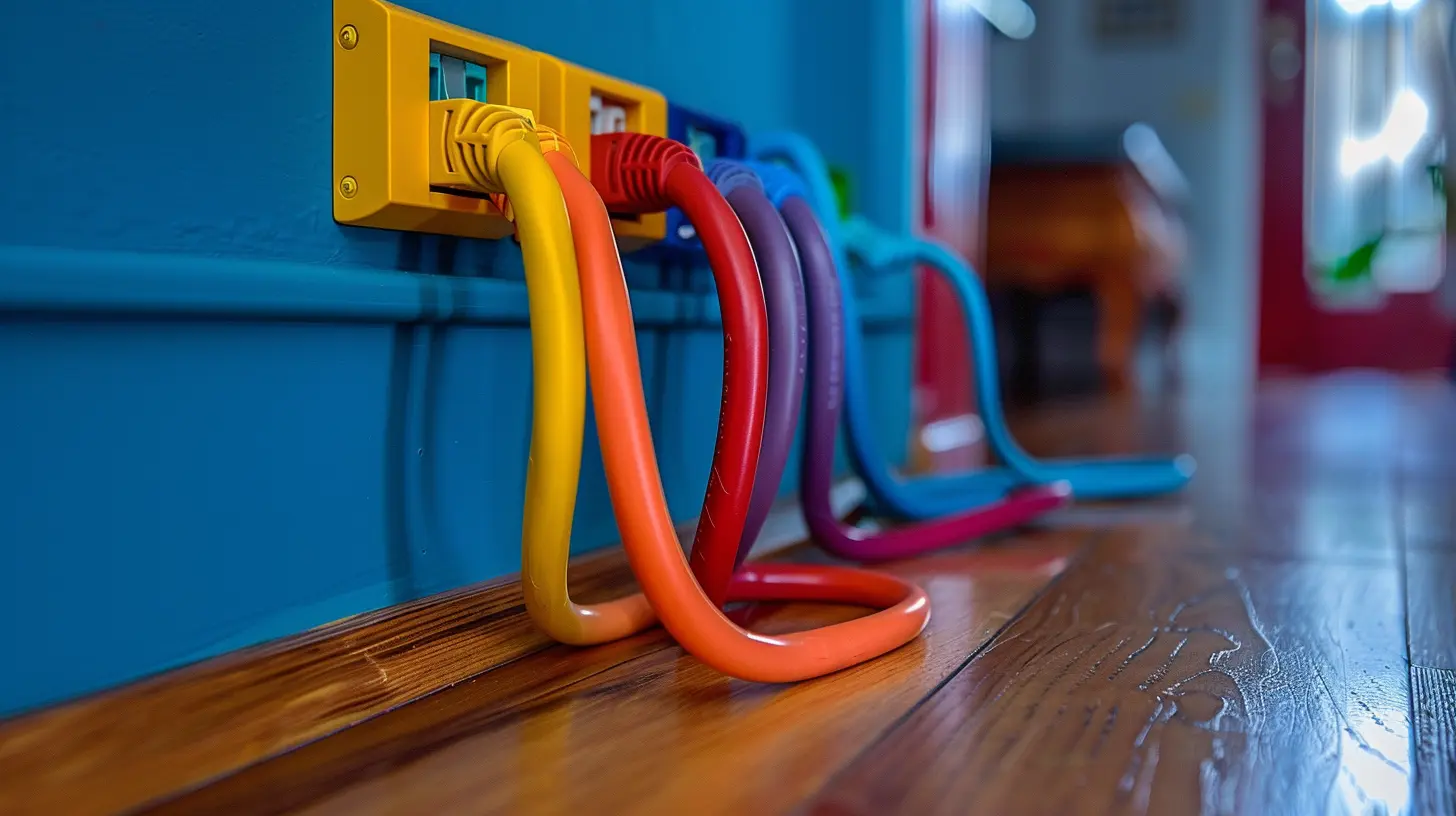
Why Electrical Safety Is a Must for Kids
Kids are curious. It's their job to explore, touch, and examine everything within reach. Unfortunately, outlets and cords are eye-level for most crawling babies and walking toddlers. To them, it’s not a danger—it’s just another toy waiting to be discovered.But here’s the scary part: electrical injuries can happen in an instant and cause serious harm. Even something as small as a phone charger can burn or shock a child if they're chewing on it while it's plugged in. And exposed outlets? They're like tiny doorways into danger.
So, before we jump into how to prevent these accidents, let’s look at what makes outlets and cords so dangerously appealing to little ones.
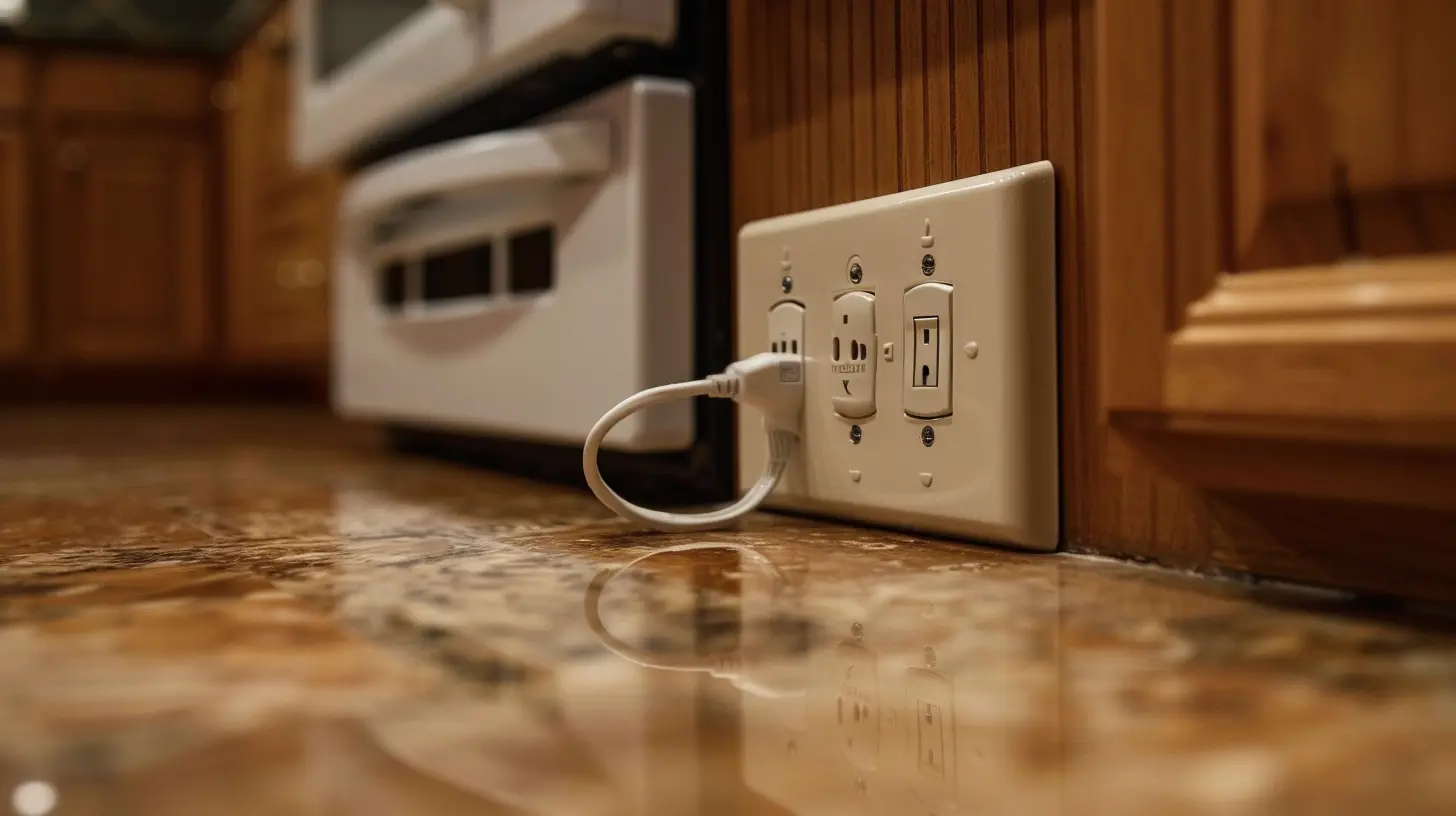
What Makes Outlets and Cords So Tempting?
Think about it:- They’re at eye level: Crawling baby? Outlets are right in their face.
- They’re interactive: Push something in, something else happens (usually a shock or a spark—but hey, they don’t know that!).
- Cords dangle: Which, of course, screams “pull me!” to a toddler.
- Chargers & devices = lights and buttons: Babies love lights and buttons. Combine that with something mommy and daddy use all the time, and now it’s irresistible.
We can’t change how kids think—but what we can do is make our homes safer for their curious nature.
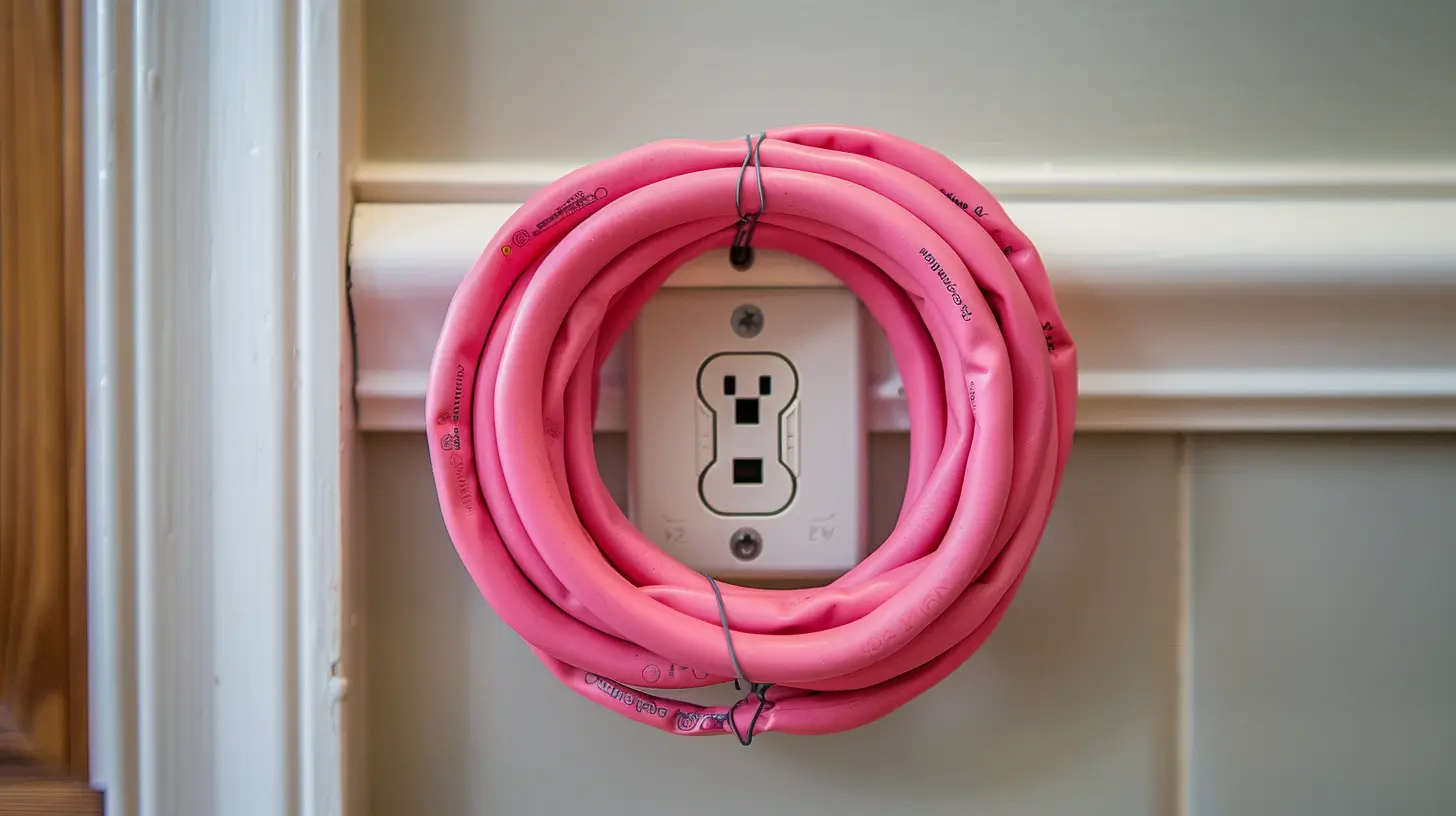
Here's How You Can Keep Those Little Hands Safe
Alright, now onto the good stuff—the practical, simple-to-implement, life-saving tips to help you baby-proof every cord and outlet in your home.1. Plug in Some Outlet Covers
This one’s a no-brainer. Outlet covers are your first line of defense, and the good news? They’re super cheap and easy to install.There are a few different types:
- Plastic plug covers: These snap right into the outlet and are tricky for tiny fingers to remove.
- Sliding outlet plates: These replace your current outlet covers entirely and automatically cover the holes when not in use.
- Box-style covers: Perfect for outlets in use—these go over the plug and outlet to prevent kids from yanking out cords.
Personally, I’m a fan of the sliding covers. They’re permanent, can’t get lost, and they pretty much blend in with the wall—which keeps nosy little explorers less interested.
2. Hide or Shorten Loose Cords
Loose cords are basically baby magnets.You’ve got cords from lamps, TVs, chargers, computers—all within grabbing distance. And when a baby grabs a cord, guess what happens? They pull. And when they pull, stuff can fall. Lamps, phones, even heavier electronics like TVs.
Quick fixes:
- Cord shorteners (also known as cord winders): Wrap up excess cord and keep it neatly tucked away.
- Cord management boxes: Great for hiding surge protectors and multiple plugs.
- Adhesive cable clips: These keep cords secured to the baseboard or wall so they’re not hanging free.
Also—ditch any damaged or frayed cords. Not only are they a fire hazard, but if your baby puts a split cord in their mouth (yep, it happens), it can shock or burn them. Not worth the risk.
3. Rearrange Furniture Strategically
Got a curious kiddo and a low-sitting outlet? Block it with furniture.It’s not glamorous, but it works. If you can rearrange your setup so couches, bookshelves, or dressers cover unused or dangerous outlets, you eliminate the issue entirely. It’s hard to poke something you can’t see or reach, right?
Pro tip: Make sure the furniture is secured to the wall (especially bookshelves and dressers), so climbing babies don’t tip them over.
4. Keep Chargers Up High and Out of Sight
Phone chargers are like candy for kids. Small, shiny, and always being touched by mom and dad. Naturally, they want to get their hands (or mouths) on them.Keep all chargers:
- Plugged in at countertop height or higher
- Out of reach when not in use
- Tucked inside drawers or cabinets if you have to charge at ground level
And here’s something many people don’t know: Chargers that are plugged in but not attached to a phone still carry a current. That means just grabbing or chewing the end can give a small shock. Yikes.
5. Invest in GFCI Outlets
Ground Fault Circuit Interrupters (GFCI outlets) are a smart addition—not just for babyproofing, but for overall safety.They instantly shut off power if there’s a current imbalance (like if someone touches water while using an appliance). You’ve likely seen them in bathrooms and kitchens, with the little “reset” and “test” buttons. But they’re a great idea for anywhere your child might wander.
If your home doesn’t have them, it’s worth getting an electrician to install a few in high-risk areas.
6. Secure Power Strips and Extension Cords
Ugh, power strips. Necessary evil, right? But to a toddler, they’re like a toy car parking lot full of buttons and wires.To babyproof them:
- Use power strip covers: These go right over the power strip and block access to the plugs.
- Mount them to the wall or behind furniture.
- Avoid placing them in high-traffic play areas.
- Tape down extension cords so there’s nothing loose to grab or trip over.
You can also wrap cords using split tubing or cord sleeves if you’ve got multiple wires running together. Not only does it hide them, it bundles them into one harder-to-grab object.
7. Supervision Still Matters
Even with all the gear and gadgets in place, nothing replaces good ol’ supervision.Kids are crafty. They'll find a way to climb, pull, or undo something no matter how well we think we’ve baby-proofed. So always keep an eye out, especially when they're in rooms with electronics, outlets, or plugged-in devices.
Also—don’t be afraid to teach them as they get older. As soon as they can understand, start explaining that cords and outlets are “ouch” or “dangerous.” Kids catch on quickly when it’s something they see and hear about consistently.
Outlets and Cords in Specific Rooms (And What to Do About Them)
Let’s go room-by-room real quick and talk specifics. Because babyproofing your kitchen looks way different than your living room.Living Room
- Hide TV cords with a cord cover raceway.- Mount the TV snugly to the wall.
- Use furniture to block access to outlet-heavy areas.
- Cover surge protectors with boxes or mount them out of reach.
Nursery or Bedroom
- Avoid running cords near the crib.- Keep baby monitors mounted to the wall or placed high on shelves.
- Use cordless blinds to avoid window cord hazards.
- Choose lamps and nightlights with tamper-resistant plugs.
Kitchen
- Use outlet covers for countertop outlets.- Never leave small appliances plugged in when not in use.
- Keep phone chargers off the kitchen counters when kids are around.
- Use GFCI outlets near any water source.
Bathroom
- GFCI outlets only—always.- Keep all electronics far from water (hairdryers, razors, toothbrushes).
- Store cords in drawers or cabinets.
- Avoid plugging in items when the child is in the room.
Final Thoughts: A Little Prep Now Saves Big Trouble Later
It’s easy to overlook electrical hazards when you’re knee-deep in diapers, snacks, sleep schedules, and screen-time limits. But truthfully, this kind of babyproofing doesn’t take a ton of time or money—and it pays off big when it comes to peace of mind.Think of it like this: parenting is like being on a never-ending offense and defense team. We've gotta stay one step ahead. And when it comes to electricity, there’s no such thing as being too cautious.
So break out the outlet covers, pick up the cords off the floor, and give your home a quick once-over. Your future self will thank you every time your kiddo walks past a socket without even noticing it.
all images in this post were generated using AI tools
Category:
ChildproofingAuthor:

Max Shaffer
Discussion
rate this article
2 comments
Annette Murphy
Great tips for protecting curious little hands around electrical outlets!
August 13, 2026 at 2:39 AM
Max Shaffer
I'm glad you found the tips helpful! Keeping little ones safe is so important.
Clarissa Torres
Great tips for childproofing! Safety is always a priority.
June 27, 2026 at 2:27 AM
Max Shaffer
Thank you! I'm glad you found the tips helpful. Keeping kids safe is so important.